
What You Need to Know
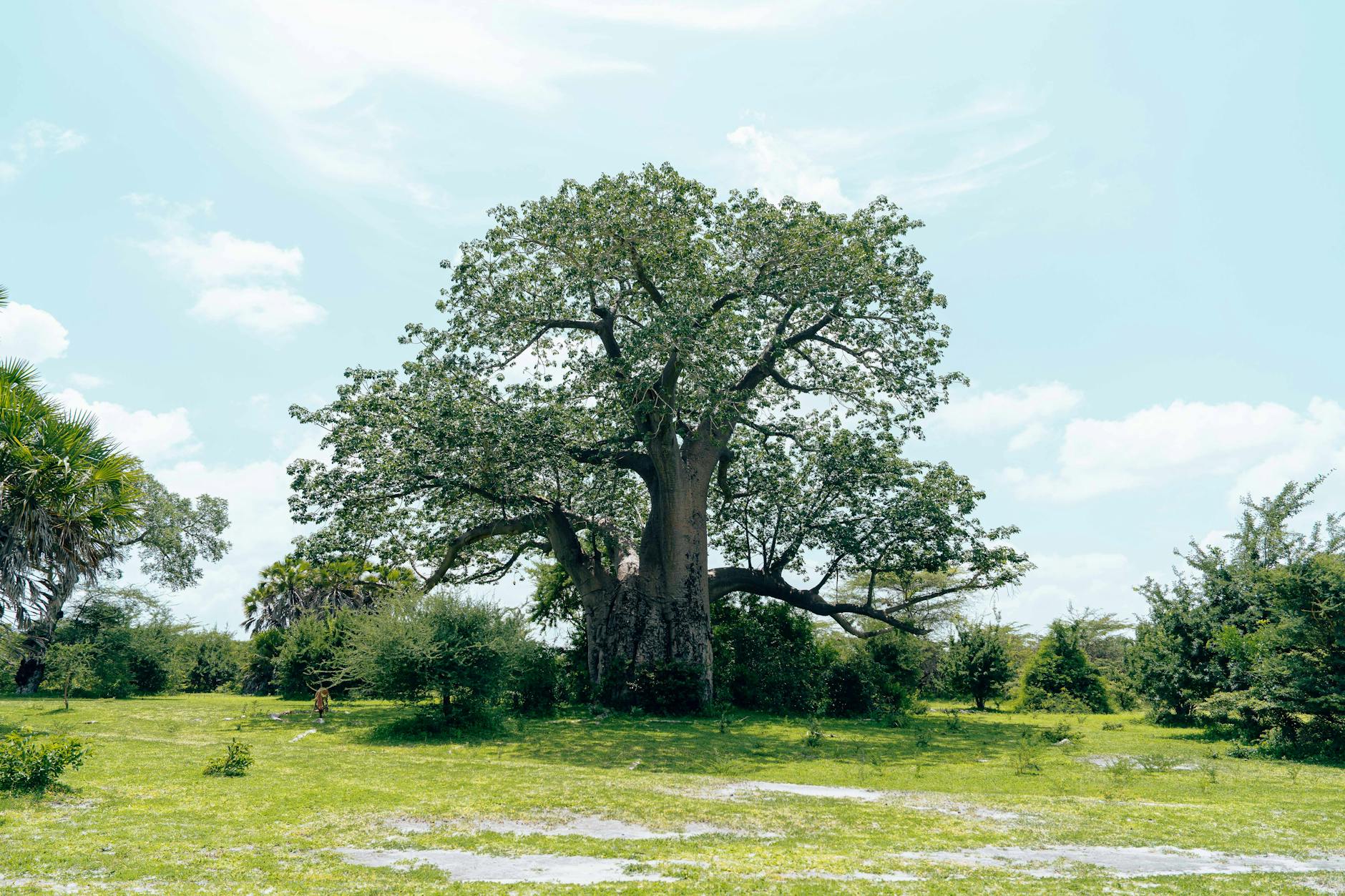
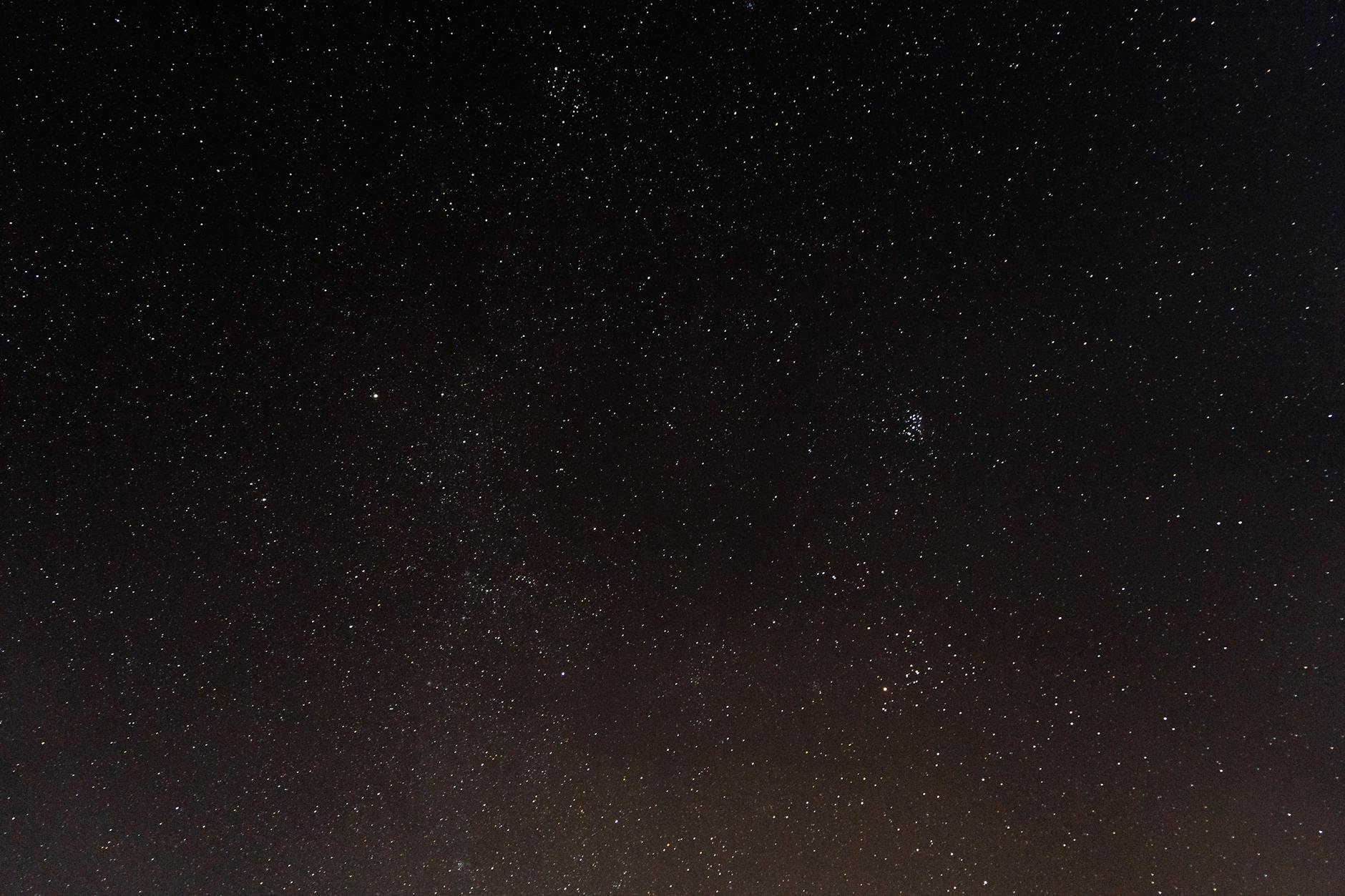
The Avenue of the Baobabs – a six-kilometer stretch of road in western Madagascar lined with ancient trees that can reach 30 meters tall – has long been a bucket-list destination for photographers chasing golden-hour shots. Now, a guided night tour program is quietly changing when and how visitors experience this landscape. The baobabs at night are a different spectacle entirely: their massive silhouettes lit against a sky largely free of light pollution, with the Milky Way visible on clear evenings and the surrounding dry forest alive with nocturnal sounds.
The tours are structured around small groups, local guides from nearby Morondava, and a conservation contribution built into the ticket price. For travelers who want more than a crowded sunset stop, this is the version of the Avenue worth planning around.
Step 1: Understand the Tour Format Before You Book
Night tours depart from Morondava, the closest town to the Avenue, and are coordinated through locally registered guide associations rather than international operators. Groups are capped at small numbers – typically eight to twelve people – to minimize disturbance to wildlife and to keep the experience quiet enough to actually hear the forest. Tours last approximately two to three hours and combine walking portions with stationary observation periods at key points along the avenue.
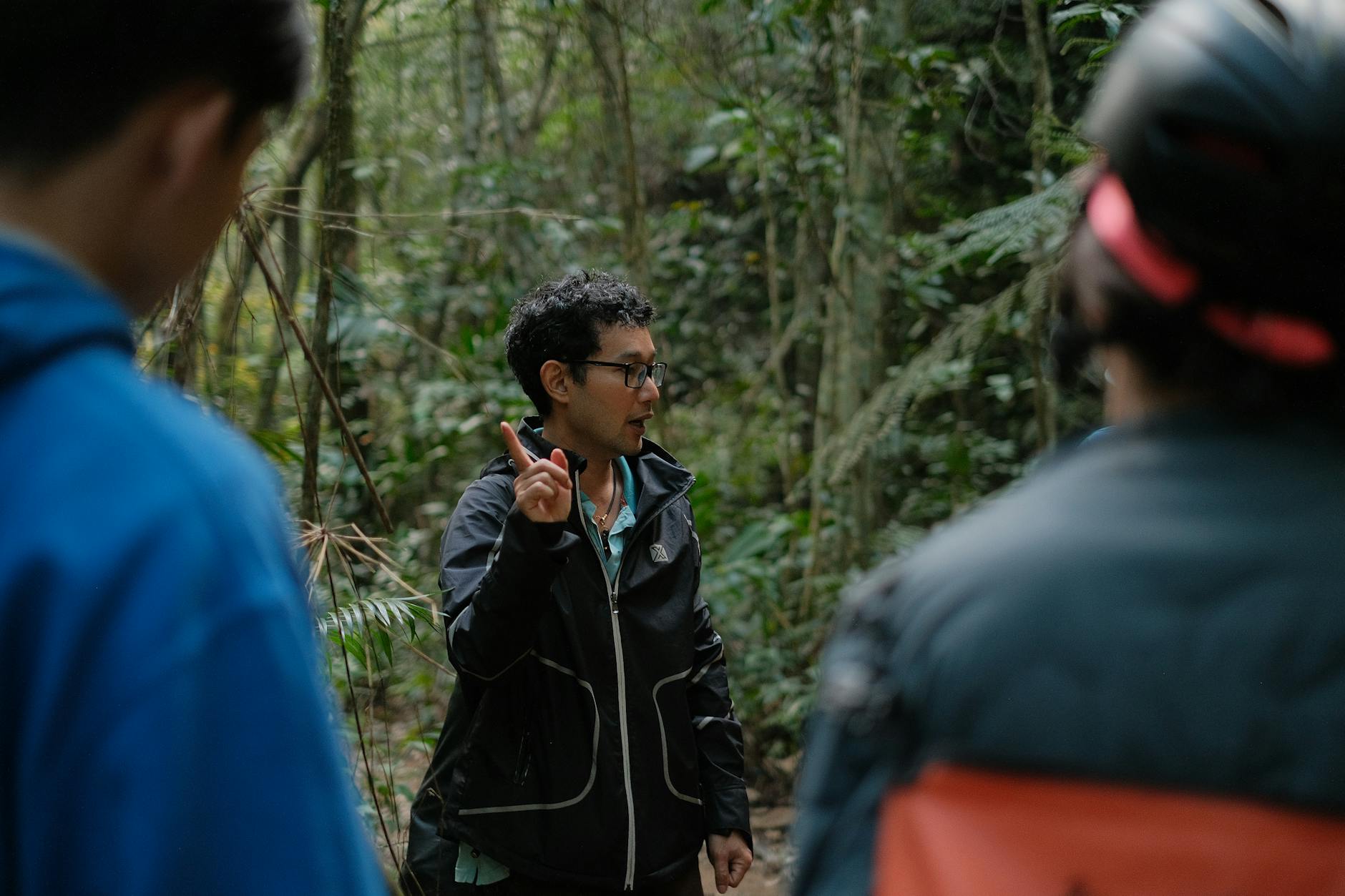
Guides carry red-filtered torches rather than white-beam flashlights, which protect nocturnal animals’ eyesight and preserve your own night vision. The program includes a short briefing on baobab ecology, the endemic wildlife you may encounter – including several species of lemur that are most active after dark – and the conservation pressures the area faces. This isn’t a passive walk-and-gawk format. Expect to engage.
Step 2: Time Your Visit to the Right Season
Madagascar has two distinct seasons, and they affect the night tour experience significantly. The dry season runs roughly from April through November and is the standard travel window for western Madagascar. Nights are clear, temperatures drop to comfortable levels after sunset, and the dirt road through the avenue is passable without a 4×4. This is the optimal window for night tours.
The wet season, December through March, brings heavy rains that can make the road impassable and the sky permanently overcast. Some nights may still be clear during the shoulder months of November and April, but you’re taking a risk on cloud cover. If stargazing is part of your motivation, aim for June through September when skies are most reliably clear and the dry-season wind known locally as the varatraza keeps humidity low.
Step 3: Arrange Your Logistics From Morondava
Morondava is the logistical base for this entire region. It has an airport with connections to Antananarivo, Madagascar’s capital, and a range of guesthouses and mid-range hotels. The Avenue of the Baobabs sits about 25 kilometers north of town, a 40-minute drive on an unpaved road.
Most night tours include pickup and drop-off from your accommodation in Morondava, which removes the navigation problem of finding the avenue after dark in a region with no street lighting. If you’re self-driving, be aware that the road has no markings and the surrounding landscape is extremely dark. Arriving at the site in daylight first – even briefly – helps orient you before an evening return. Rental cars with drivers are available in Morondava and are worth the cost for this particular trip.
Step 4: Pack for Darkness, Dust, and Distance
This is not a resort activity. Western Madagascar at night is rural, remote, and dusty. Pack accordingly.
- Footwear: Closed-toe shoes or light hiking boots. The avenue road is rutted laterite soil, and the surrounding terrain off the main path has roots and uneven ground.
- Layers: Even in peak dry season, temperatures can drop sharply after sunset. A light fleece or jacket is not optional.
- Insect repellent: Madagascar has malaria-endemic zones; western Madagascar is one of them. Use DEET-based repellent and apply it before you leave your accommodation.
- Camera gear: If you’re shooting the night sky, bring a wide-angle lens, a sturdy tripod, and extra batteries – cold nights drain them faster. Guides will give you windows of stationary time for long exposures.
- Red-light torch: Guides provide these, but having your own is useful for personal navigation.
- Cash: Tips are expected and appropriate. Bring Malagasy ariary in small denominations.
Step 5: Book Through a Verified Local Operator
The night tour program is managed through local guide associations with authorization from Madagascar’s tourism ministry. Booking through a reputable local operator – rather than a third-party international platform that may not have current relationships with the actual guides – ensures your money reaches the community and that your guide is properly certified for nighttime tours.
Your hotel or guesthouse in Morondava is a reliable first contact point. Most established accommodations in town have direct relationships with the guide associations and can arrange booking on your behalf. If you’re working with a Madagascar-based tour operator for a broader itinerary, confirm they have current ties to the night tour program specifically – the format is new enough that some older itineraries haven’t incorporated it yet. Prices are modest by international standards; paying significantly below the local rate is a sign the booking may not reach the actual guide program.
Step 6: Follow the Protocols That Protect the Site
The Avenue of the Baobabs is not formally a national park, but it holds protected status as a natural monument. That designation comes with behavioral expectations that the night tour program enforces actively.
No white-beam flashlights after dark. No loud talking during wildlife observation segments. Stay on the path unless a guide explicitly invites you off it. Do not touch the baobab bark – repeated contact damages the outer layer. Drone use requires advance permits from Madagascar’s Civil Aviation Authority and is not permitted during the tours themselves. Guides have the authority to end a tour for anyone who ignores these protocols, and they use it. The low-impact approach is what makes the program sustainable enough to exist.
Key Takeaways
Night tours at the Avenue of the Baobabs operate in small groups, depart from Morondava, and are booked through local guide associations. The dry season window – April through November, with June to September being the clearest for stargazing – is the right time to go. Packing for rural conditions, including insect protection and camera gear for low light, separates a frustrating evening from a memorable one.
What makes this worth the complexity of getting to western Madagascar in the first place is the quietness of the experience. Sunrise and sunset at the avenue now draw large, sometimes chaotic crowds of tour buses and individual vehicles all converging at the same narrow window. The night program, by contrast, runs after most day-trippers have left. The trees are the same – 800 years old in some cases, wider than a car is long – but the context changes completely when you’re standing among them in near-total silence and the only light is the sky above them.
One practical caveat worth flagging: because the program is relatively new, availability is not guaranteed year-round and can be affected by guide certification schedules, seasonal road conditions, and the sort of logistical variability common in remote destinations. Confirm your booking within two weeks of travel, not two months out.