Madagascar’s Isalo National Park Quietly Rivals Kruger for Landscape Seekers

The Park That Rewrites What African Wilderness Means
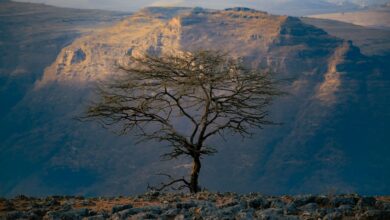
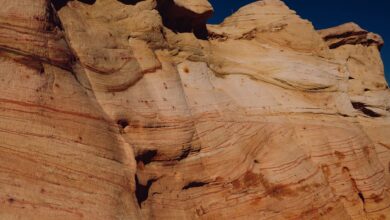
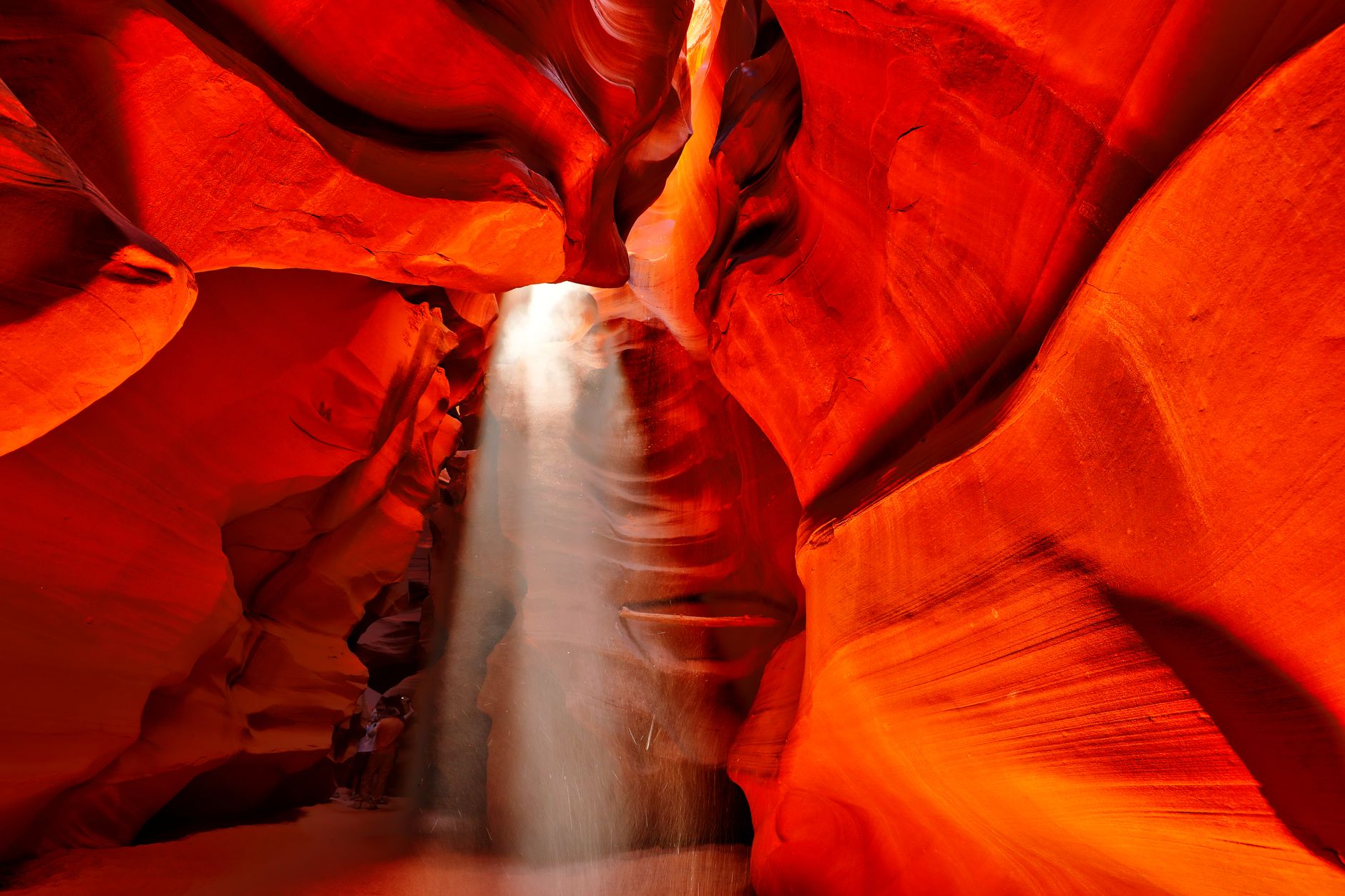
Isalo National Park sits in the Ihorombe region of south-central Madagascar, a place so visually strange it barely looks like the same planet as the African continent it floats beside. Sandstone massifs rise from dry savanna, carved by millions of years of wind and rain into towers, canyons, and natural swimming pools fed by cold, clear streams. The colors shift from amber at noon to deep copper at dusk, and the silence between rock formations carries a particular weight that’s hard to explain until you’re standing in it.
Kruger National Park has long held the title as Africa’s premier landscape destination for international travelers – and fairly so. But Isalo operates on a completely different register. Where Kruger delivers the familiar drama of the Big Five roaming open plains, Isalo delivers something harder to photograph and harder to forget: geological theater on a scale that feels almost confrontational.
The park has no lions.
What the Landscape Actually Does to You
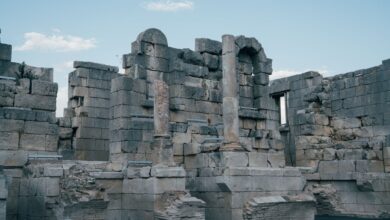
The terrain in Isalo is classified as ruiniform relief – a geological term for eroded sandstone formations that resemble the ruins of some enormous ancient structure. The Isalo massif stretches across roughly 815 square kilometers and contains canyons, natural arches, mesas, and isolated rock needles called tsingys in the broader Malagasy geographic vocabulary. Trekking routes cut through narrow gorges where the walls rise 50 meters on either side and the only light comes in a thin strip from above.
Within those gorges, the microclimate shifts entirely. Dense riparian vegetation clusters around the seasonal streams – traveler’s palms, pachypodiums with their swollen water-storing trunks, and the kind of ferns that look borrowed from a Jurassic set design. Isalo’s lemurs, including the ring-tailed species that has become Madagascar’s unofficial mascot, appear with surprising frequency along the shaded trail sections near water sources. They move without particular concern for human presence, which makes the encounters feel genuinely unscripted in a way that organized game drives rarely do.
The Piscine Naturelle – Isalo’s natural swimming pool – sits at the end of one of the park’s most popular half-day hikes. The pool is fed by a cold freshwater spring and surrounded by pink and yellow flowers of the Pachypodium rosulatum, which blooms against the orange sandstone walls. Most visitors arrive expecting a curiosity and leave understanding why people plan return trips specifically around swimming there at the end of a summer afternoon.
Logistics and Why More Travelers Should Be Doing This
The closest gateway town is Ranohira, a small settlement directly on Route Nationale 7, the main road connecting Antananarivo to Toliara. Most travelers reach Isalo as part of an RN7 road trip, one of Madagascar’s classic overland routes that takes anywhere from four days to two weeks depending on how many stops you make. Ranohira has a solid range of lodges for a town its size, from simple family-run guesthouses to more polished properties with sunset terraces facing the massif directly.
Entry requires a permit purchased through Madagascar National Parks, and guides are mandatory for all trails beyond the marked day-walk circuits near the park entrance. The guide requirement is genuinely useful rather than bureaucratic theater – the canyon system is disorienting, water sources are not always obvious, and local guides carry the kind of landscape knowledge that no trail map replaces. Most guided full-day hikes run between six and eight hours, covering canyon passages, the natural pools, and elevated viewpoints over the sandstone plains.
The best visiting window runs from April through October, when the dry season keeps trails accessible and the sky stays clear enough for the color contrasts to read properly. Wet season hiking is possible but the canyon trails become slippery and some creek crossings turn serious. Anyone already planning an African itinerary that touches the Indian Ocean rim – including a stop at Morocco’s Draa Valley style desert landscapes or the broader southern circuit – will find that Isalo slots into a longer trip without requiring a dedicated expedition to justify the effort.

The Case for Choosing Differently
Isalo does not compete with Kruger by offering the same experience at a lower crowd density. It competes by being a fundamentally different argument for what a national park can be – one where the geology is the headline, the wildlife is the texture, and the visitor leaves having processed something more disorienting than a checklist of sightings. The sandstone formations were there before the dinosaurs walked across what is now the Gondwana supercontinent, and they will read exactly the same way long after the travel trend cycle moves on to wherever it moves next. That kind of permanence tends to reset a traveler’s sense of proportion in ways that a comfortable game vehicle simply cannot.
Frequently Asked Questions
How do you get to Isalo National Park in Madagascar?
Isalo is accessed via Ranohira town on Route Nationale 7. Most travelers reach it as part of an RN7 road trip from Antananarivo, roughly 650 kilometers south.
What is the best time to visit Isalo National Park?
April through October is the dry season and the most practical window for hiking. Trails stay accessible and the sandstone colors are at their sharpest under clear skies.
Do you need a guide to hike Isalo National Park?
Yes. Guides are mandatory for all trails beyond the basic entrance-area circuits and are arranged through Madagascar National Parks at Ranohira.