Madagascar’s Vanilla Plantations Launch Farm-to-Table Tourism Experiences

Madagascar’s vanilla farmers are opening their plantations to tourists for the first time, creating immersive farm-to-table experiences that showcase the labor-intensive cultivation of the world’s second most expensive spice. These new tourism ventures offer visitors hands-on learning about vanilla production while providing crucial additional income to farming communities.
The Indian Ocean island nation produces roughly 80% of the world’s natural vanilla, with most cultivation concentrated in the northeastern SAVA region. Local cooperatives and individual farmers have partnered with tourism operators to develop guided plantation tours, cooking workshops, and multi-day homestay programs that reveal the intricate 18-month process from flower pollination to cured vanilla bean.
Inside Madagascar’s Vanilla Growing Process
Visitors to these new agritourism experiences witness the meticulous hand-pollination process that makes Madagascar vanilla so valuable. Each vanilla orchid flower blooms for just one day and must be pollinated by hand using a small wooden stick or toothpick. Farmers demonstrate this technique, which was developed by 12-year-old slave Edmond Albius in 1841 and remains largely unchanged today.
The plantation tours reveal why vanilla commands such high prices on global markets. After pollination, vanilla pods take nine months to mature on the vine. The harvesting and curing process requires another nine months of careful monitoring, during which green pods are blanched, sweated in woolen blankets, dried in the sun, and aged until they develop their characteristic dark color and complex flavor profile.
Tour participants learn that a single vanilla plant produces only about 1-2 pounds of cured beans annually, and each plant doesn’t begin producing until its third year. These economics help explain why synthetic vanillin accounts for 95% of vanilla flavoring worldwide, while natural Madagascar vanilla remains a luxury ingredient coveted by high-end pastry chefs and ice cream makers.
Farm-to-Table Dining and Cooking Classes
The tourism experiences extend beyond plantation visits to include hands-on cooking workshops using fresh vanilla in traditional Malagasy cuisine. Participants prepare dishes like vary sosoa, a vanilla-scented rice pudding, and learn to incorporate vanilla into savory preparations alongside other local spices like pink peppercorns and wild ginger.
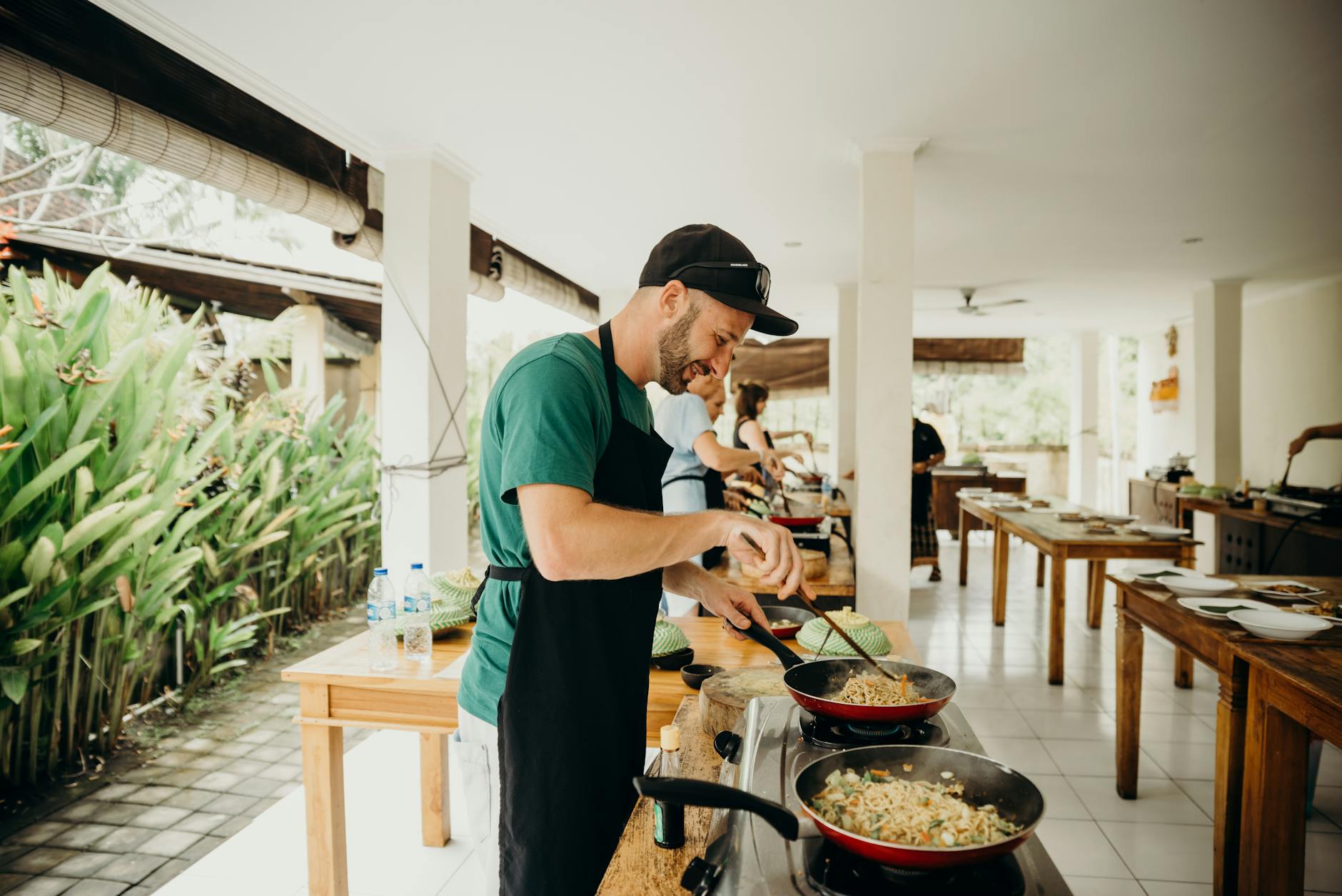
Several plantations have constructed open-air kitchens where visitors cook with farming families, creating fusion menus that blend Malagasy traditions with international techniques. These sessions often feature other plantation crops including coffee, cloves, and ylang-ylang, giving tourists a comprehensive understanding of Madagascar’s agricultural diversity.
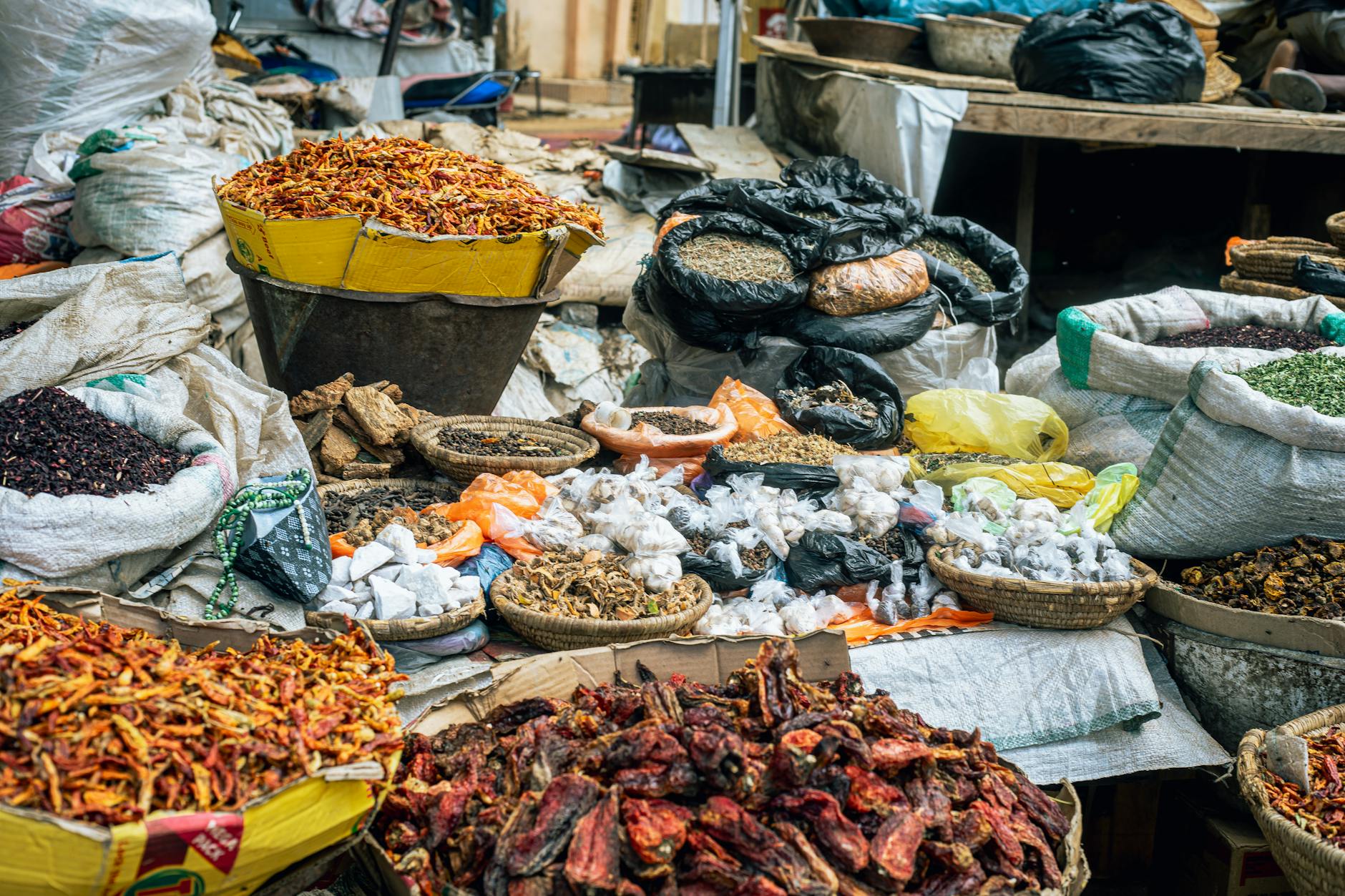
The cooking experiences culminate in communal meals served under thatched pavilions, where visitors share dishes they’ve prepared while learning about Malagasy food culture and farming traditions. Many programs include visits to local markets in towns like Sambava and Antalaha, where tourists can purchase vanilla beans, essential oils, and handcrafted vanilla extract to take home.
Supporting Sustainable Farming Communities
These tourism initiatives provide vital economic diversification for vanilla farming communities that face significant challenges including climate volatility, price fluctuations, and vanilla theft. The additional income from tourism helps farmers invest in improved drying facilities, security measures, and organic certification processes that command premium prices.
Several cooperatives have used tourism revenue to establish community development projects including schools, health clinics, and water systems. The programs also create employment opportunities for local guides, cooks, and craft artisans who produce souvenirs from vanilla pods and other plantation materials.
The timing proves strategic as international travel trends increasingly favor authentic, educational experiences over traditional resort-style tourism. Madagascar’s vanilla plantation tours align with growing consumer interest in understanding food origins and supporting sustainable agriculture, similar to wine tourism in established regions like Portugal’s Azores, which have become Europe’s new wellness retreat destinations through agricultural tourism.
Booking and Logistics
Most vanilla plantation experiences operate through partnerships with established Madagascar tour operators who handle international visitor logistics. Programs typically run from April through November, avoiding the cyclone season that affects the island’s eastern coast where vanilla cultivation is concentrated.
Multi-day experiences include accommodations in eco-lodges or family guesthouses within farming communities, while day tours can be arranged from larger towns like Sambava. Transportation between plantations typically involves four-wheel-drive vehicles due to rural road conditions, though infrastructure improvements are ongoing with support from tourism development funds.
Visitors should expect basic accommodations and should come prepared for humid, tropical conditions and limited internet connectivity. The authentic nature of these experiences means amenities remain simple, but the cultural exchange and educational value provide compensation for luxury travelers seeking meaningful encounters.
Madagascar’s vanilla plantation tourism represents a significant evolution in agritourism, transforming agricultural education into immersive cultural experiences. As international demand for authentic travel encounters continues growing, these programs position Madagascar’s farming communities to benefit directly from their centuries-old expertise in cultivating one of the world’s most prized spices. The success of these initiatives could serve as a model for agricultural tourism development across other spice-producing regions globally.
Frequently Asked Questions
When is the best time to visit Madagascar vanilla plantations?
Plantation tours operate April through November, avoiding cyclone season that affects the northeastern vanilla-growing regions.
What do vanilla plantation tours include?
Tours feature hand-pollination demonstrations, curing process education, cooking classes, and meals with farming families using fresh vanilla.