
Africa’s Inland Sea Gets Serious About Sailing
Lake Malawi stretches nearly 600 kilometers from north to south, holds roughly a fifth of the world’s surface freshwater, and sits inside a country most travelers still associate with overland backpacker routes rather than offshore tacking. That reputation is changing. A quiet but growing community of freshwater sailors has been pushing dinghies, catamarans, and small keelboats across the lake’s blue interior for years – and the word has started to spread beyond the regional sailing circuit.
Mozambique has long held the top spot for sailing in southern Africa, with its Indian Ocean coastline drawing bareboat charter companies, experienced blue-water crews, and well-funded racing events. But ocean sailing and lake sailing are fundamentally different pursuits. Lake Malawi offers something Mozambique cannot: predictable winds, no tidal complexity, no saltwater corrosion eating through your running rigging, and an interior that feels genuinely remote without being logistically impossible to reach.
The lake is the destination, not just the backdrop.
Why Freshwater Sailors Are Paying Attention
The southern and central stretches of Lake Malawi – particularly around Cape Maclear and the Monkey Bay area – produce reliable afternoon winds driven by thermal heating off the surrounding escarpment. Morning conditions can be glassy and flat, which works well for cruising and exploration. By mid-afternoon, conditions shift, building enough breeze for genuine racing or passage-making between the lake’s scattered islands. Sailors with coastal experience often describe the transition as surprisingly sharp, not unlike afternoon sea breezes on a Mediterranean bay.
The lake’s clarity is a practical advantage that rarely makes it into sailing guides. Visibility underwater can exceed 10 meters in many areas, which means anchoring in unfamiliar bays carries less risk than it would in turbid coastal waters. The endemic cichlid population visible in the shallows has nothing to do with sailing, but it does mean that a swim off the back of the boat turns into something worth stopping for. Provisioning from shore-based markets is straightforward around Monkey Bay and Mangochi, with fresh produce and basics available without the supply chain delays common in remote ocean anchorages.
There are genuine hazards. Squalls can arrive fast off the mountains to the west, and local knowledge matters. The lake’s size generates wave patterns that surprise sailors expecting calm inland water – swells of two meters or more are documented during storm conditions in the north. Anyone chartering without prior experience on the lake would do well to spend the first day watching local fishermen read the sky before making passage plans.
How It Stacks Up Against the Mozambique Circuit
The Mozambique Channel offers extraordinary sailing – the Bazaruto Archipelago in particular draws experienced cruisers chasing unspoiled anchorages and strong offshore breezes. But the logistics of getting a boat into Mozambican waters involve higher costs, more bureaucratic friction, and a level of offshore preparation that puts it out of reach for casual or first-time charterers in the region. Lake Malawi sidesteps most of that. There is no ocean-going vessel certification required for inland sailing, no lengthy customs process for the boat itself, and no weather windows to chase around cyclone season.
For sailors based in southern Africa – particularly those flying into Lilongwe or driving up from Zambia or Zimbabwe – the lake sits at a more accessible price point across nearly every variable. Fuel for a week of motor-sailing, anchoring fees where they apply, and daily provisioning all run well below comparable Mozambique costs. The tradeoff is range. Lake Malawi is contained, and once you have sailed its full length, the passages repeat. Mozambique offers open ocean and theoretically limitless routing south toward the cape or north toward Tanzania’s coast.
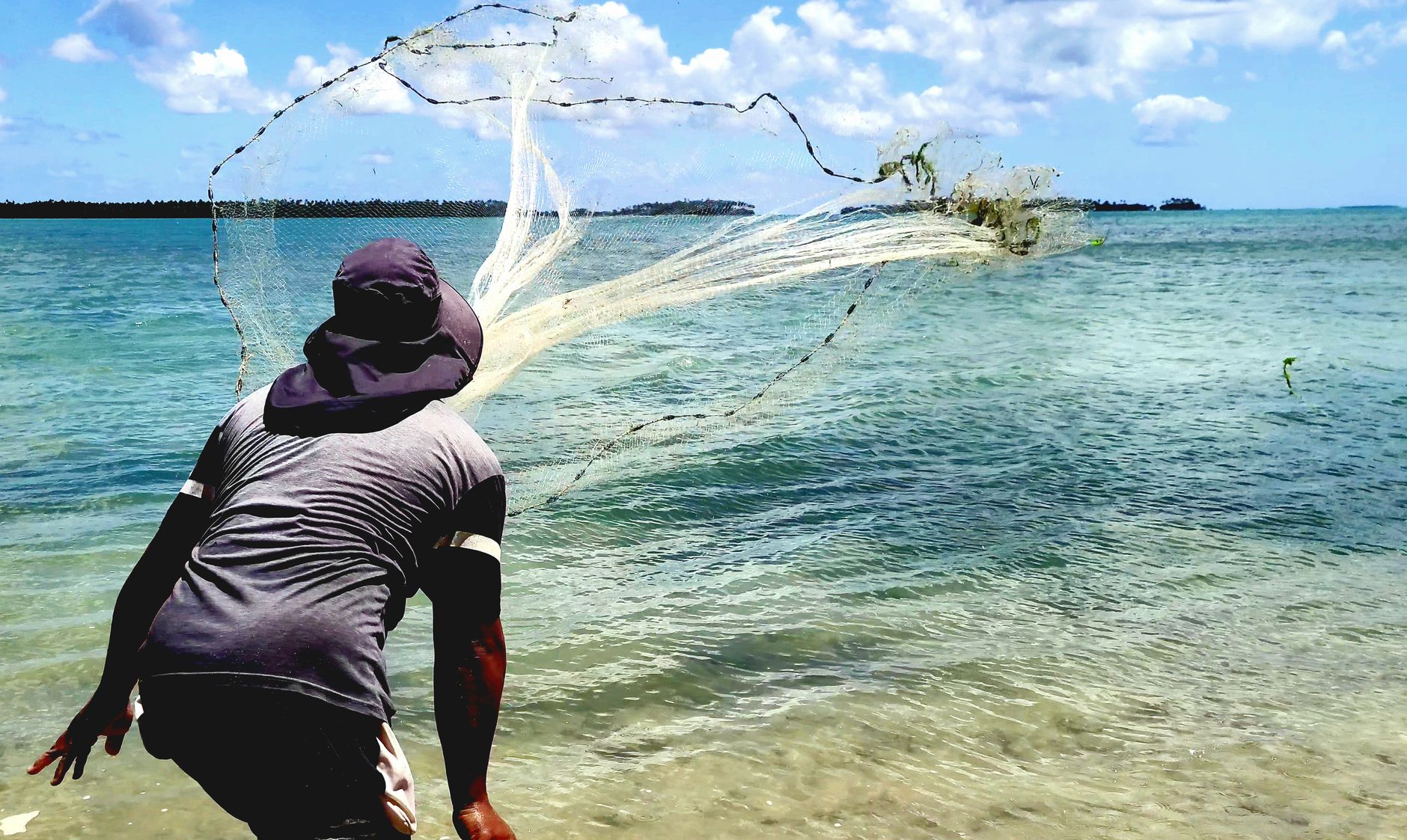
What Lake Malawi delivers that Mozambique cannot match is intimacy with the landscape. Sailing between the Likoma and Chizumulu islands with the Mozambican shoreline visible on one side and Malawian hills dropping into the water on the other is an experience that sits outside the usual categories of ocean sailing. The fishing villages along the western shore are not curated for tourism – they exist independently of it, which means encounters from the water feel genuinely unscripted.
The Practical Case for Making the Trip
A small but established sailing community operates around Monkey Bay, with club infrastructure that welcomes visiting sailors and occasional racing events open to non-members. Bareboat charter options remain limited compared to the Indian Ocean market, but several operators have been quietly expanding fleets over the past few years as demand from regional travelers grows. Anyone seriously considering Lake Malawi as a sailing destination should contact the Monkey Bay Yacht Club directly before finalizing plans – berth availability, boat condition, and local regulation updates change more frequently than any third-party listing reflects, and the people running the club tend to give straight answers about what the lake is actually like at any given time of year rather than what the brochure says.