
Africa’s Forgotten Sailing Lake
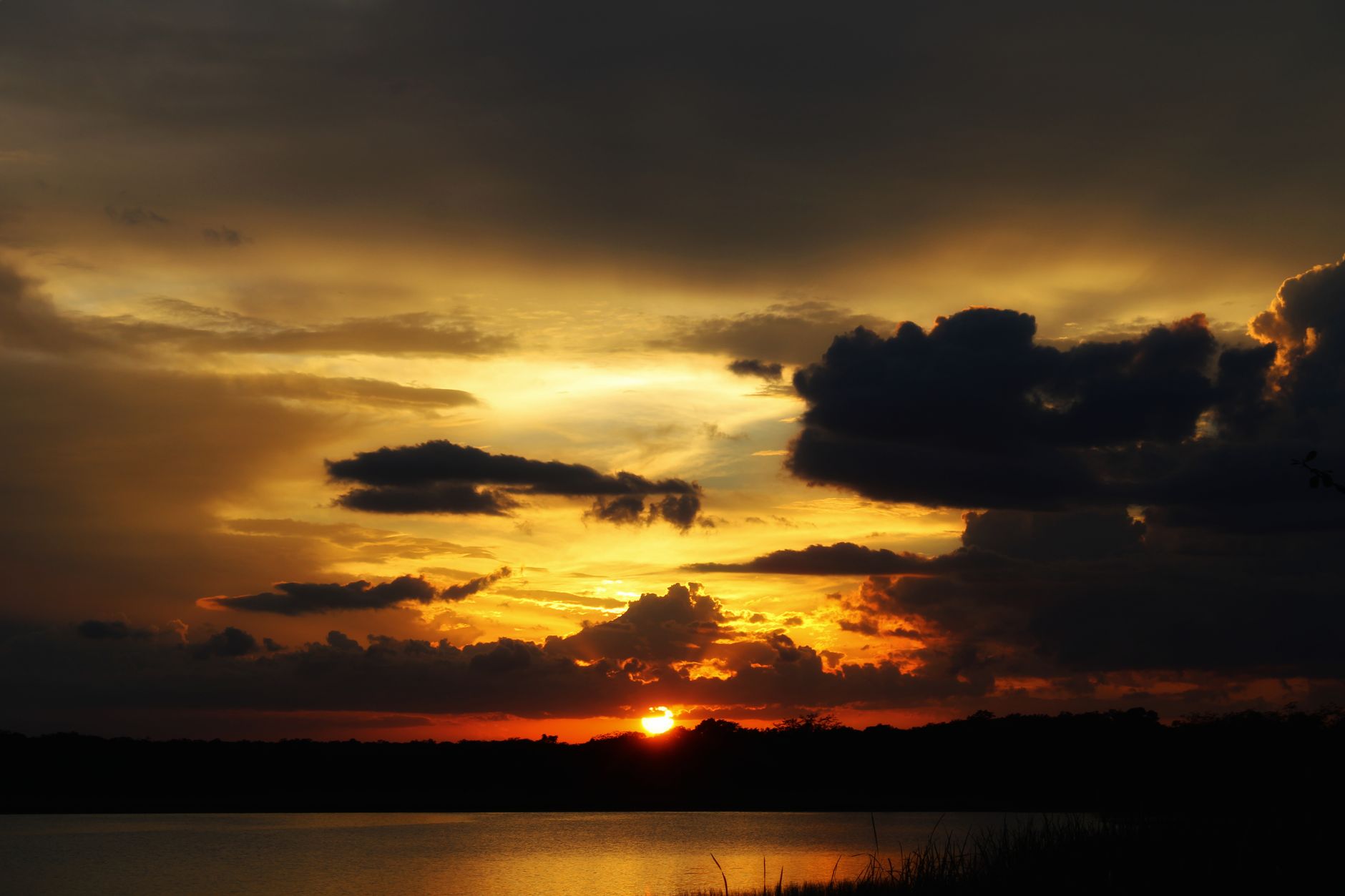
Lake Malawi stretches nearly 600 kilometers along the eastern edge of the country, bordered by Mozambique and Tanzania, and holds roughly a fifth of the world’s surface freshwater. It is deep, warm, and startlingly clear in stretches – conditions that have quietly attracted a small but growing community of sailors who want nothing to do with the Indian Ocean’s tidal logistics, seasonal swells, or Zanzibar’s overcrowded anchorages. The lake doesn’t ask much of you. It just sits there, enormous and blue, ringed by mountains that drop almost directly into the water.
The comparison to Zanzibar isn’t about beach resorts or spice tours. It’s about what serious sailors actually weigh when choosing a destination: reliable wind, safe anchorages, warm water, and something worth looking at from the cockpit. On all four counts, Lake Malawi holds its own. The annual Lake of Stars festival – originally a music event on the southern shore – has given the lake a name that sticks, but the sailing scene operates entirely outside that festival’s orbit, running on its own quiet calendar year-round.
Wind Windows and Why They Matter
The lake runs roughly north to south, which means the dominant wind patterns follow that axis with predictable reliability. Between April and October, the mwera – a southerly wind – builds through the afternoons and gives keelboats a consistent close-to-beam reach heading north. The mornings are often glassy, which suits lighter multihulls and anyone content to motor between anchorages before the wind fills in. This rhythm – calm mornings, sailing afternoons – is something seasoned passage sailors appreciate far more than beginners do. It means you plan around it, not against it.
What freshwater sailing removes entirely from the equation is salt. No corrosion on stainless fittings at the rate you’d see offshore. No barnacle accumulation on the hull below the waterline. Running rigging lasts longer. Electronics stay cleaner. For boat owners who spend most of the year managing maintenance costs, this alone is a financial argument that’s hard to ignore. The lake sits at roughly 470 meters above sea level, which means it also runs cooler than coastal East Africa for much of the year – uncomfortable humidity is less of a problem than it is in Dar es Salaam or Mombasa.
The southern end of the lake, around the Monkey Bay area, is where most organized sailing infrastructure exists. The Yacht Club there has been operating for decades, offering slipways, moorings, and a small community of resident sailors who winter aboard and provide the kind of local knowledge no guidebook carries. Charter options exist but are limited – this isn’t a flotilla holiday destination, and anyone arriving expecting a Caribbean-style bareboat operation will need to recalibrate. The boats available tend toward functional over luxurious, which either filters you out or tells you exactly what kind of sailing experience is on offer here.
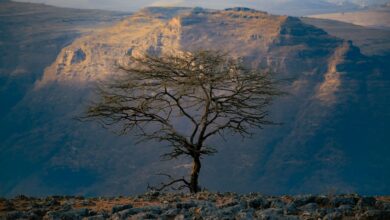
The northern reaches, particularly around Nkhata Bay and the Livingstonia escarpment, are where the lake becomes genuinely dramatic. Walls of rock descend into water that turns a deep cobalt where the bottom drops away. Snorkeling directly off the boat in fresh, clear water – surrounded by cichlids that exist nowhere else on earth – is the kind of detail that travels well in conversation. There are no sharks. There are no jellyfish. There is no current trying to push you somewhere you don’t want to go.
Anchorages and Onshore Reality
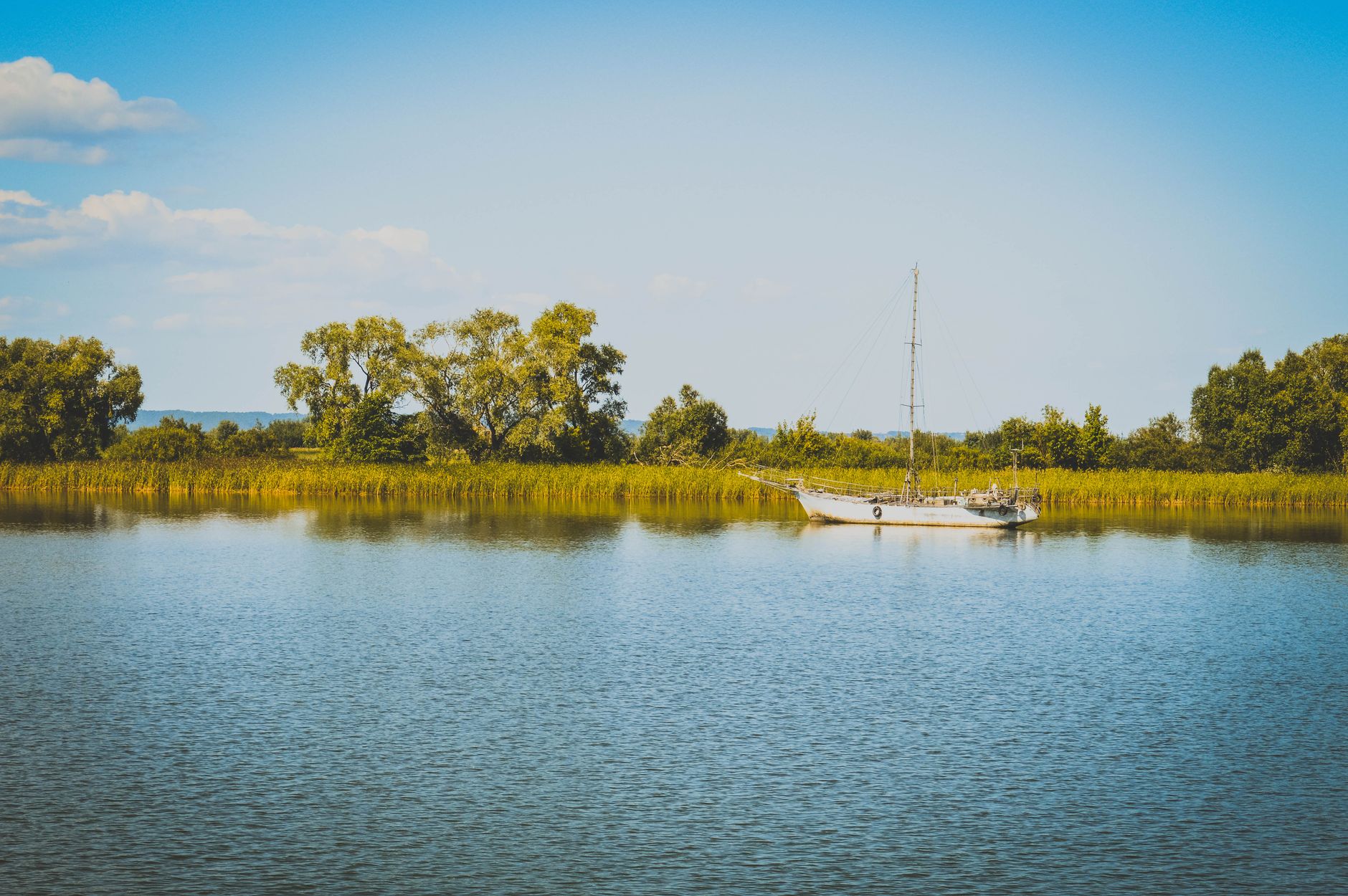
Anchoring along the Malawian shoreline follows a straightforward logic: find a bay with some shelter from the mwera, drop in five meters of water over sand, and you’re set. The lake floor shelves gradually enough in most places that dragging anchor onto rock is rarely a problem. Fishing villages dot the shore at regular intervals, and the interaction between visiting sailors and local fishermen – who work the lake in dugout canoes called bwato – is part of what gives the experience its texture. Fresh chambo, a tilapia local to the lake, can often be bought directly from fishermen in the early mornings.
Provisioning is honest rather than impressive. Malawi remains one of the smaller economies in sub-Saharan Africa, and the infrastructure along the lakeshore reflects that. Larger towns like Mangochi and Nkhata Bay carry basics reliably – produce, diesel, basic hardware – but sailors accustomed to well-stocked chandleries in Cape Town or Mombasa will need to bring specialty items from home. This is a feature as much as a limitation: it forces a slower, more self-sufficient style of sailing that a certain type of traveler actively seeks.
The Question of Getting There
Malawi is landlocked, which means the boat either arrives overland or gets chartered in-country. Overland delivery from South Africa is feasible – boats regularly make the road trip north via Zimbabwe or Mozambique on trailers – but it requires planning that casual sailors rarely do in advance. Flying into Lilongwe or Blantyre and connecting to Monkey Bay by road is straightforward, and the drive itself crosses terrain worth seeing. Malawi’s road network has improved considerably, and the southern lakeshore is accessible year-round without a four-wheel drive.
Visas are available on arrival for most Western passport holders, and the cost of living once in-country remains low enough that a week of sailing – including food, fuel, and mooring fees – runs at a fraction of what the same week would cost in Greece or Croatia. Budget sailors who’ve priced out the Mediterranean are starting to notice.
The wider East African sailing circuit is beginning to acknowledge Lake Malawi more directly. Routes that once treated Malawi as a transit country between South Africa and Tanzania are now building in lake time deliberately. It’s a shift driven not by marketing but by word of mouth among sailors who went once and came back talking about the light on the water at 5pm, the clarity of a 20-meter dive in fresh water, and the fact that they had an entire bay to themselves for three days without seeing another boat.
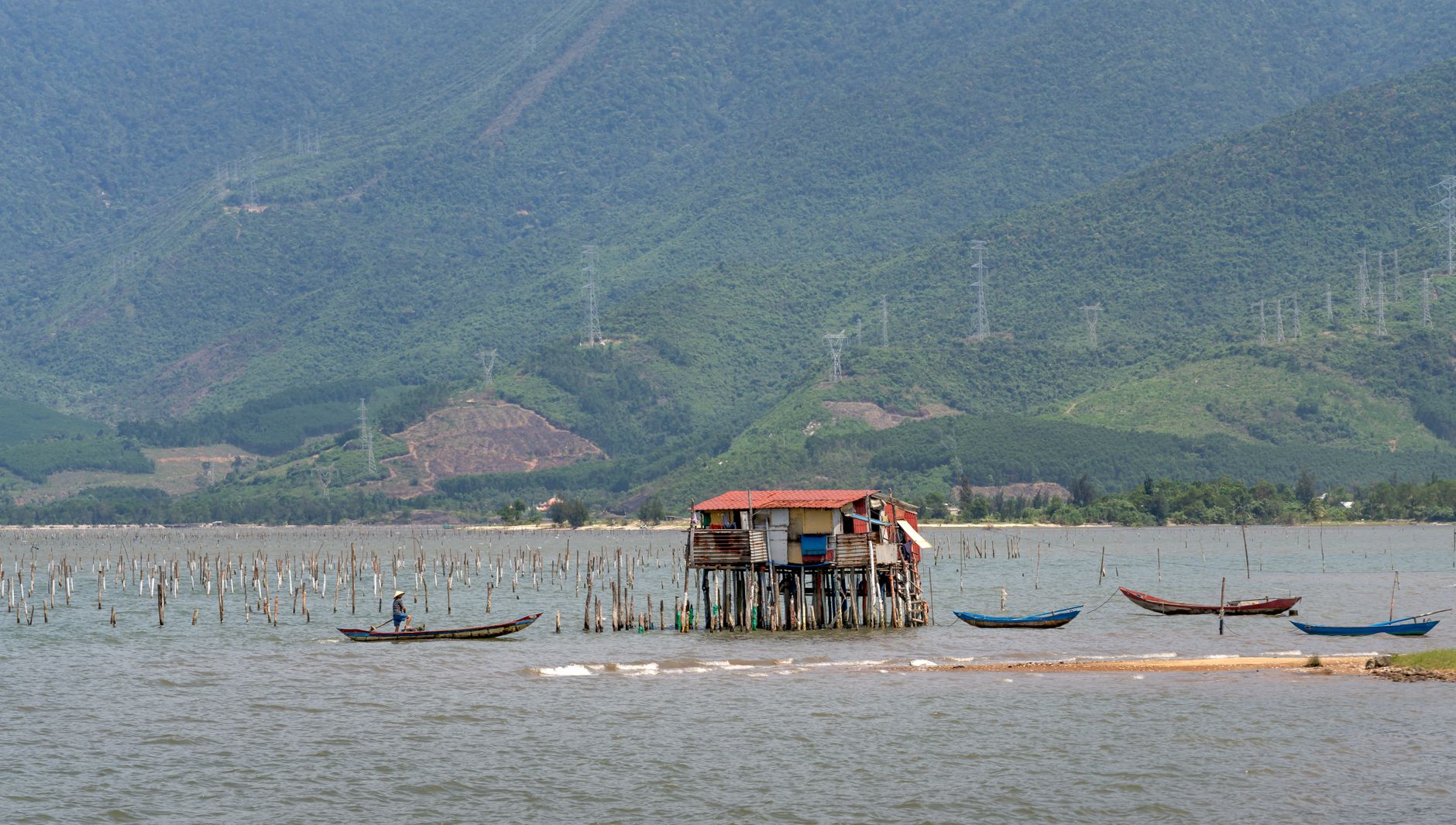
The lake can also be rough when the wind builds unexpectedly from the north – locally called the mpoto – and it doesn’t give much warning. Sailors who treat it as a flat, benign pond because it’s not saltwater have had difficult afternoons learning otherwise. The fetch across 600 kilometers of open water builds chop faster than intuition suggests, and lake squalls carry the same sudden aggression as ocean ones. That tension – between the lake’s calm beauty and its occasional indifference to your plans – is probably the most honest thing you can say about sailing it.