Mexico’s Copper Canyon Quietly Rivals the Grand Canyon for Train Travelers

A Canyon System That Dwarfs Its American Counterpart
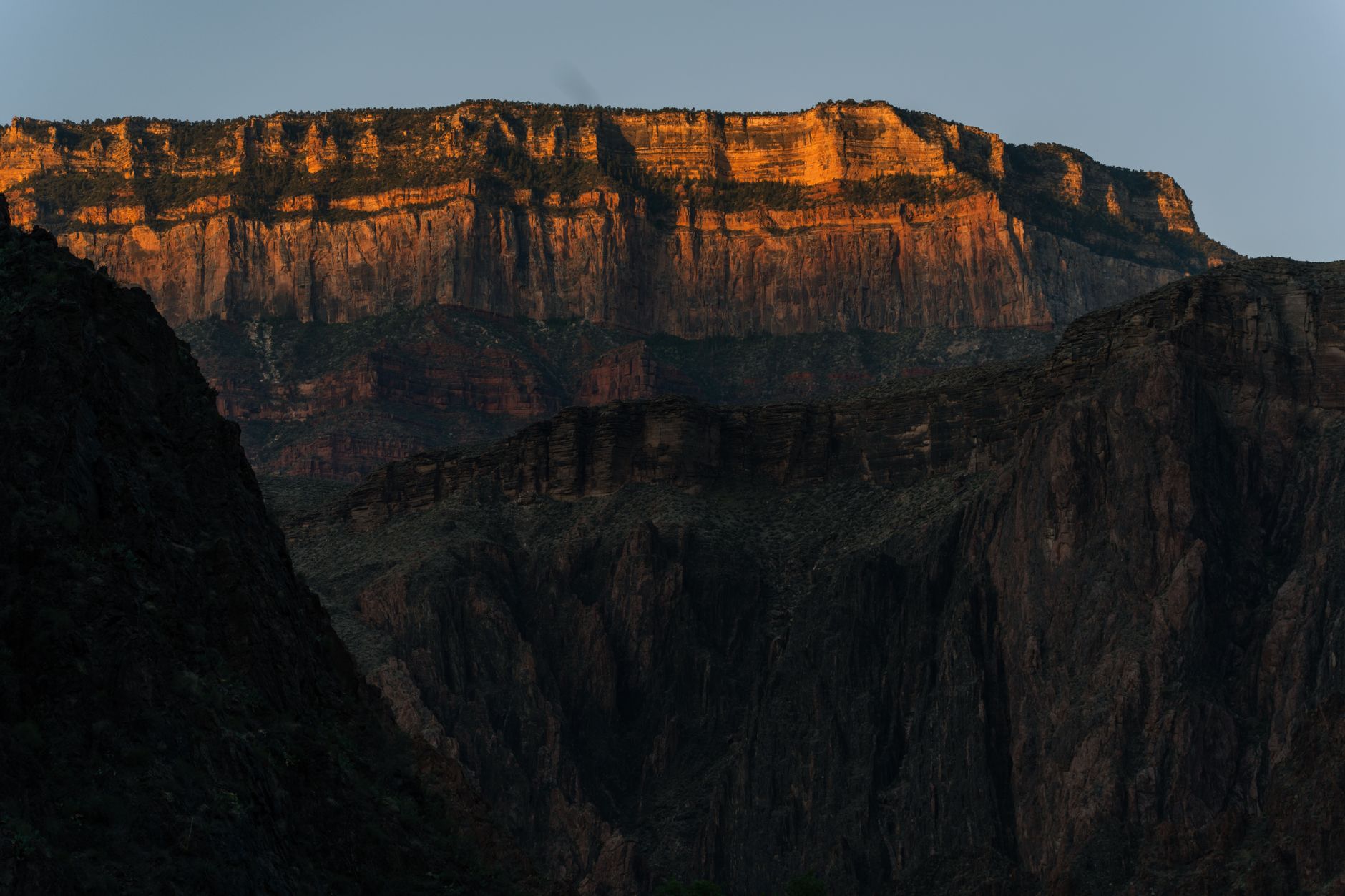
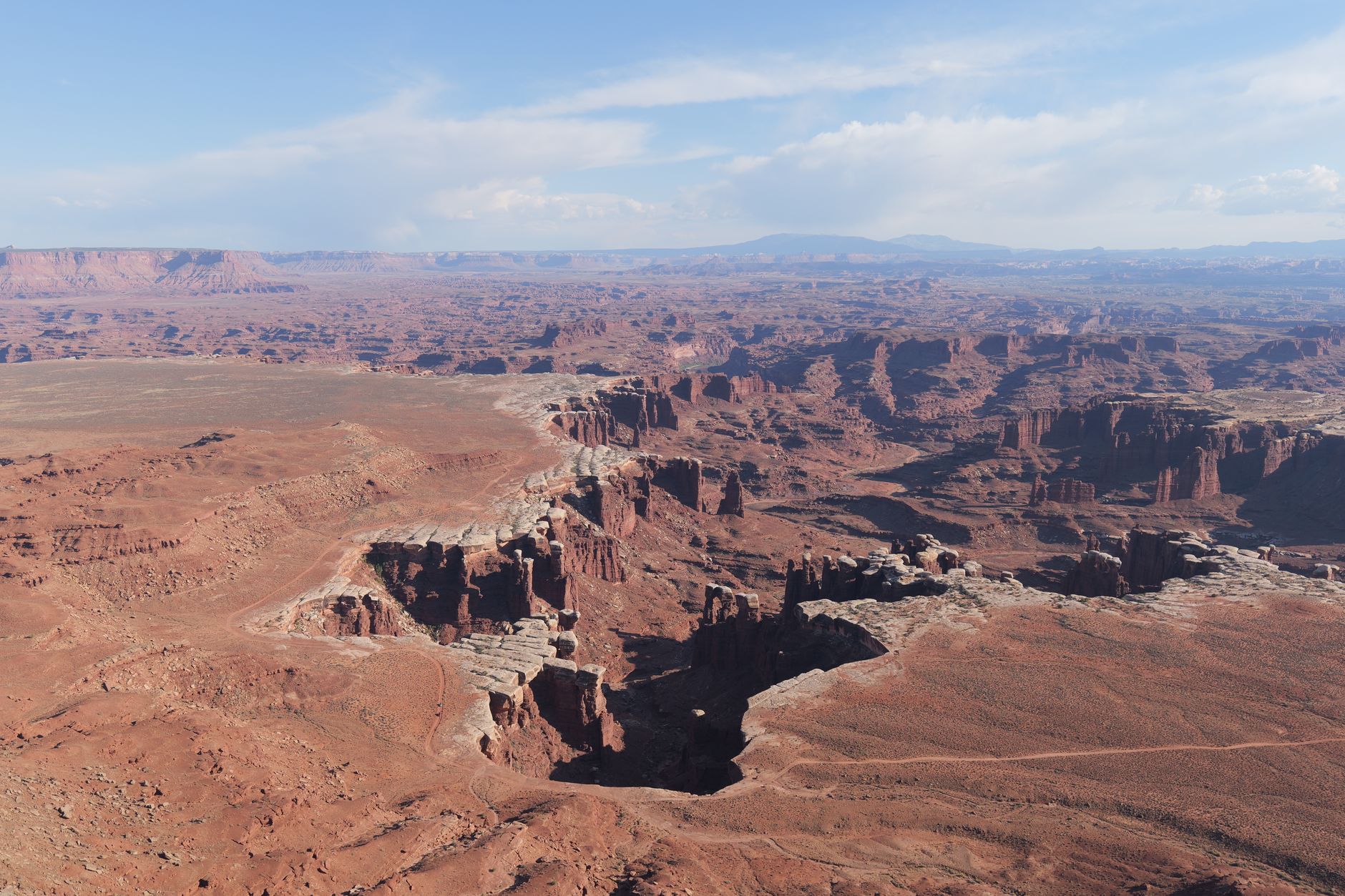
The Grand Canyon gets the postcards, the bucket lists, and the Instagram saturation. Mexico’s Copper Canyon – known locally as Barrancas del Cobre – gets something rarer: actual silence. Stretching across the Sierra Madre Occidental in the state of Chihuahua, the canyon system covers an area roughly four times the size of the Grand Canyon, with several individual gorges dropping deeper than the American landmark that eclipses it in fame. The disparity in tourist numbers is almost comical given the scale of what Mexico is quietly sitting on.
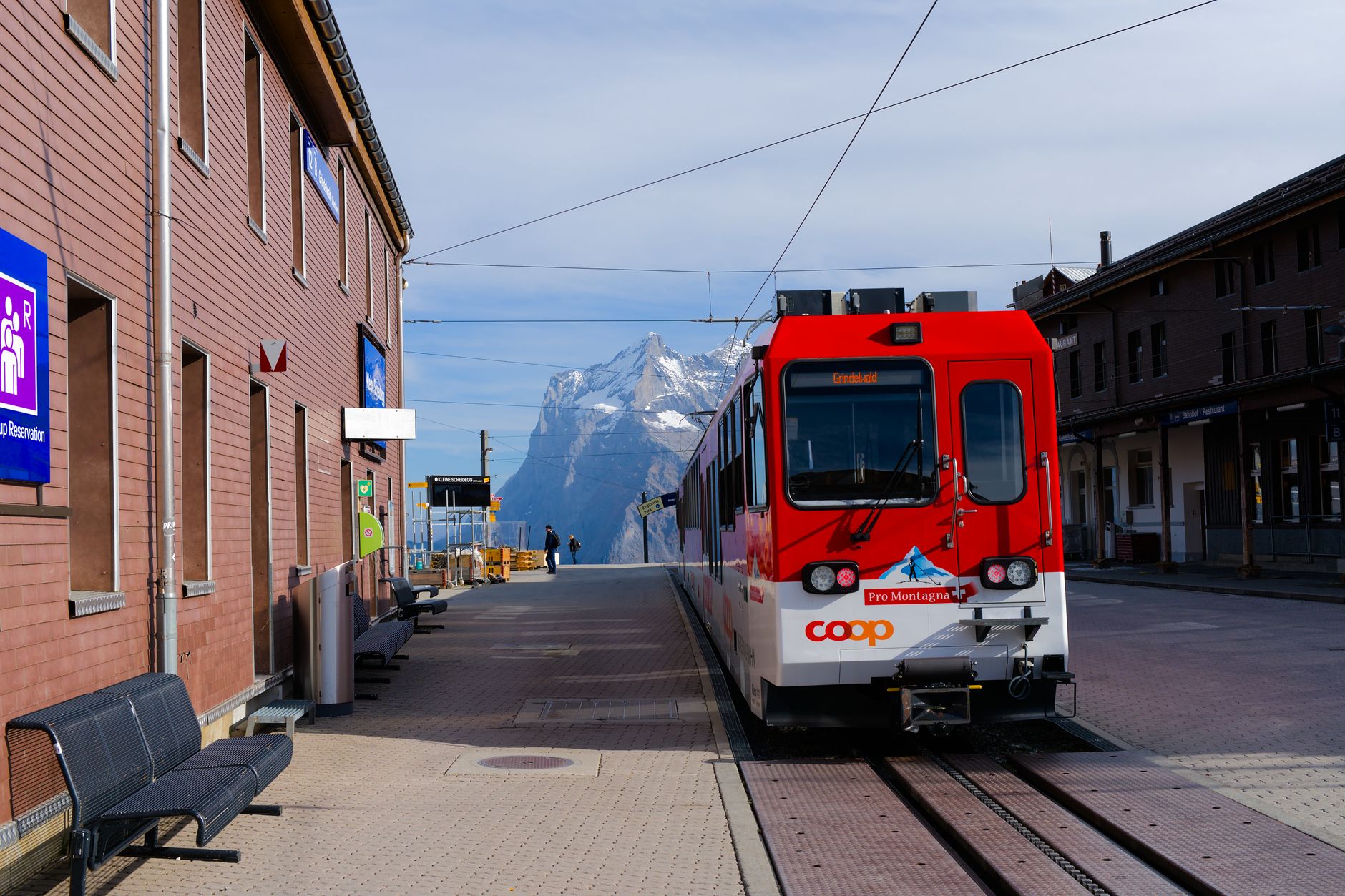
What separates Copper Canyon from most dramatic landscapes is how you arrive. There are no six-lane highways funneling RVs toward a guardrail viewpoint. The primary access route is the Chihuahua al Pacifico Railway – locally called El Chepe – a 650-kilometer rail journey that winds through 37 bridges and 86 tunnels before descending from alpine pine forests to subtropical canyon floors. The train doesn’t just get you there. It is the experience.
El Chepe: The Train Ride That Earns Its Reputation
El Chepe runs between the city of Chihuahua in the north and Los Mochis on the Pacific coast. The full journey takes roughly 15 hours, though most serious travelers break it across two or three days to stop at the canyon-rim towns along the route. The line climbs to more than 2,400 meters at its highest point, passing through terrain that shifts so dramatically – from desert scrub to dense forest to sheer canyon walls – that it feels like riding through multiple countries in a single afternoon.
Two service levels exist: El Chepe Express, which is the tourist-class option with dining cars and reserved seating, and the regional service, which is slower, cheaper, and used heavily by Raramuri communities who live throughout the canyon. Choosing the regional train is not just a budget decision – it puts you in contact with the actual life of the sierra in a way the tourist carriages don’t quite replicate. Women board at small stops carrying handwoven baskets, kids climb on at unmarked platforms, and the train waits for no particular schedule. That looseness is part of the appeal.
The Canyon Towns Worth Stopping For
Creel sits at roughly 2,300 meters and serves as the main hub for canyon exploration. It’s a small, functional town with enough guesthouses, outfitters, and local guides to make multi-day trips straightforward to arrange. The surrounding landscape – pine forest broken by enormous rock formations – is accessible on horseback, by ATV, or on foot, and day trips from Creel reach several viewpoints and hot springs without requiring any particular fitness level. It functions well as a base without feeling like a resort.
Divisadero is where the canyon actually reveals itself. The train makes a 15-minute stop here, which is enough time to walk to the rim and understand, in a physical way, what the altitude and scale of this place actually means. Passengers who stay overnight – there are a small number of lodges positioned directly on the rim – report that the sunrise view across the canyon is difficult to describe without resorting to exaggeration. The canyon glows orange and violet in early light, with mist still sitting in the gorges below.
Batopilas is the destination that rewards the most effort. Located at the canyon floor after a several-hour road descent from the rim, it’s a colonial silver-mining town that feels genuinely removed from the rest of Mexico. The heat at the bottom is tropical while snow sits on the rim above. The town has a handful of simple places to stay and a colonial church that was reportedly transported piece by piece down the canyon road in the 19th century. Getting there requires either a local bus or hiring a vehicle – the train doesn’t descend that far – but the contrast between the world above and the world below is the kind of thing that makes a trip memorable rather than merely pleasant.
Urique, another canyon-floor village, draws a different crowd. It hosts an ultramarathon each year that has attracted international runners partly because of the Raramuri people’s reputation as extraordinary long-distance runners – a tradition documented and brought to wider attention over the past two decades. Outside of race season, Urique is quiet, warm, and largely off the tourist circuit.
The Raramuri and Why Their Presence Matters to Travelers
The Raramuri – also called the Tarahumara – have lived in the Copper Canyon region for centuries, retreating deeper into the sierra during the colonial period to maintain their way of life. They number in the tens of thousands today and remain one of the most culturally intact indigenous groups in North America. Travelers who spend time in the canyon will encounter Raramuri communities, artisans selling woven goods at train stops, and guides who know the canyon trails in ways that no GPS map replicates.
Engaging with that presence thoughtfully matters. A number of community-run tourism operations exist in the region, and choosing local guides over outside tour companies keeps economic benefit within the communities most connected to the land. It also produces better trips – a Raramuri guide walking canyon trails isn’t reciting a script. They’re moving through a place their families have occupied for generations.
Practical Realities for Planning the Trip
The best time to visit runs from October through March, when temperatures at the rim are cool and the canyon floor is warm rather than hot. Summer brings rain and the risk of mudslides that can disrupt the rail line, and the heat at lower elevations becomes genuinely oppressive. October and November tend to offer the clearest skies and the most comfortable range of temperatures across the elevation zones.
Los Mochis, on the Pacific coast, makes the most logical starting point for travelers arriving by air, since the westbound-to-eastbound direction means you ascend into the canyon system and end in the high-altitude city of Chihuahua. Many travelers prefer this direction because the drama builds as the train climbs – you earn the canyon views rather than descending away from them. Chihuahua, as a finishing point, has direct flights to Mexico City and several US cities.
Booking El Chepe Express seats in advance during peak season is necessary, not optional. The tourist carriages sell out weeks ahead between October and March, and last-minute travelers typically end up on the regional service – which, as noted, isn’t the worst outcome, but it’s worth making the choice deliberately rather than by default. Accommodation in Divisadero and along the rim books out quickly as well, particularly the properties with canyon-facing rooms. The visitors who show up without reservations hoping to improvise usually find the best spots already taken by people who planned three months out.