
The Ride Out of Ulaanbaatar
Mongolia’s capital is a city of concrete blocks and traffic jams, but three hours southwest by road, the country begins to look the way most travelers imagined it before they arrived. The Orkhon Valley – a broad, river-cut corridor through the central steppe – has become the destination drawing horseback riders, culture-seekers, and overland travelers who want something that a Ulaanbaatar guesthouse cannot offer.
What the Valley Actually Is
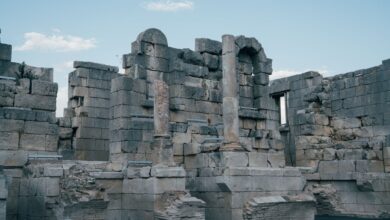
The Orkhon Valley holds a designation as a UNESCO World Heritage Site, recognized for its concentration of archaeological remains spanning more than two millennia of nomadic empire-building. Turkic stone monuments, Buddhist ruins, and the remnants of Karakorum – the 13th-century capital of the Mongol Empire – sit within a landscape that herding families still use exactly as their ancestors did. There is no dramatic fence between the ancient and the living here. A ger camp and a crumbled monastery wall occupy the same field without any tension between them.
The Orkhon River runs cold and clean through the valley floor, fed by snowmelt from the Khangai Mountains. Near the village of Khujirt, the river drops abruptly into the Orkhon Waterfall – a wide basalt curtain formed by volcanic activity rather than gradual erosion. During summer, the falls attract Mongolian families on domestic holidays as much as foreign visitors, and that mix keeps the site from feeling staged or curated for outside consumption.
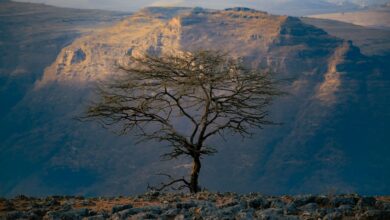
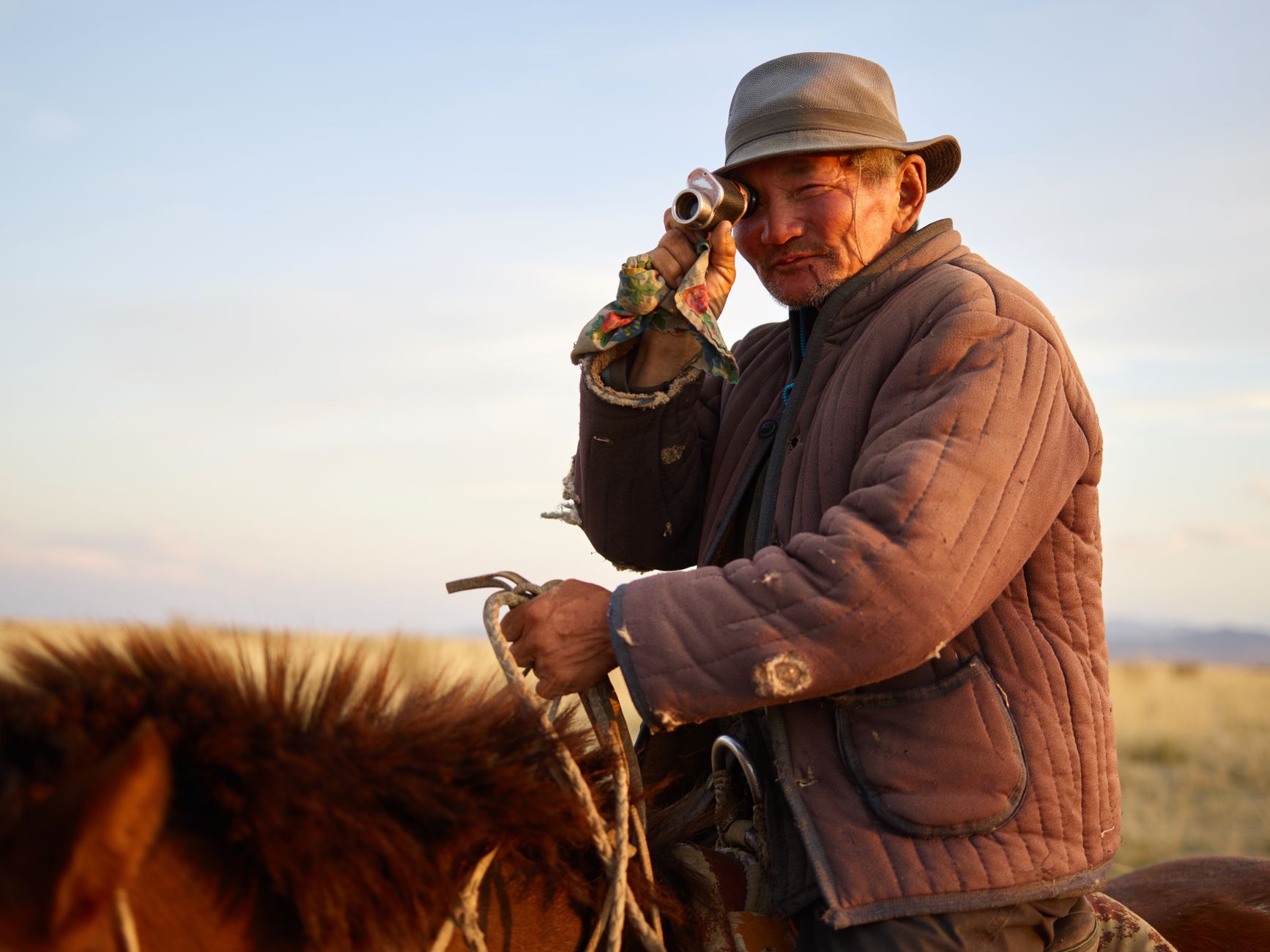
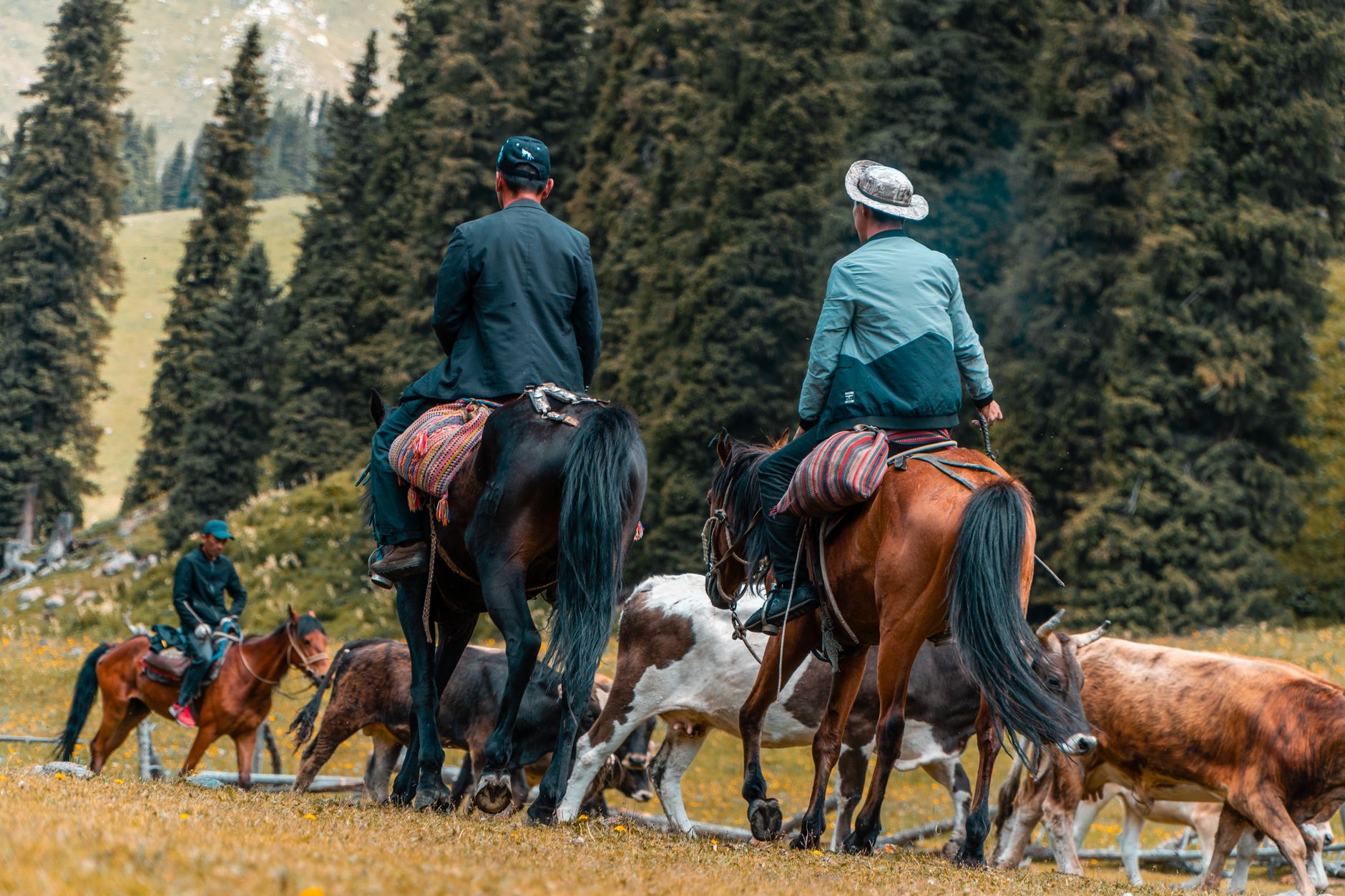
The region’s geography rewards riders specifically. Distances between points of interest are too great for comfortable hiking but perfectly scaled for a horse covering ground across open grassland. Trails here are not marked with signage or maintained by any parks authority. Navigation happens through local knowledge – a guide who grew up in the valley knows which river crossings are passable in late summer, which hillsides hide burial mounds, and which families along the route will offer fermented mare’s milk and dried curd to passing riders. That knowledge is not transferable to a downloaded map.
Seasonal timing shapes the entire experience. The valley is accessible from late May through September, with July and early August representing peak conditions – long daylight hours, dry ground, and the Naadam festival period when wrestling, archery, and horse racing competitions fill the regional calendar. Traveling just before or after peak season trades crowds for colder nights and quieter campsites, and many experienced riders prefer the shoulder months when the steppe grasses are either fresh green or turning gold.
The Logistics of Getting There and Staying
Most travelers reach the Orkhon Valley by shared minivan or hired 4×4 from Ulaanbaatar, following a route that is partly paved and partly a series of parallel dirt tracks across open land. The journey itself functions as a gradual introduction to Mongolian geography – the city gives way to suburban ger districts, then to wheat fields, then to unbroken steppe well before the valley comes into view. Budget roughly six to eight hours for the drive depending on road conditions after rain.
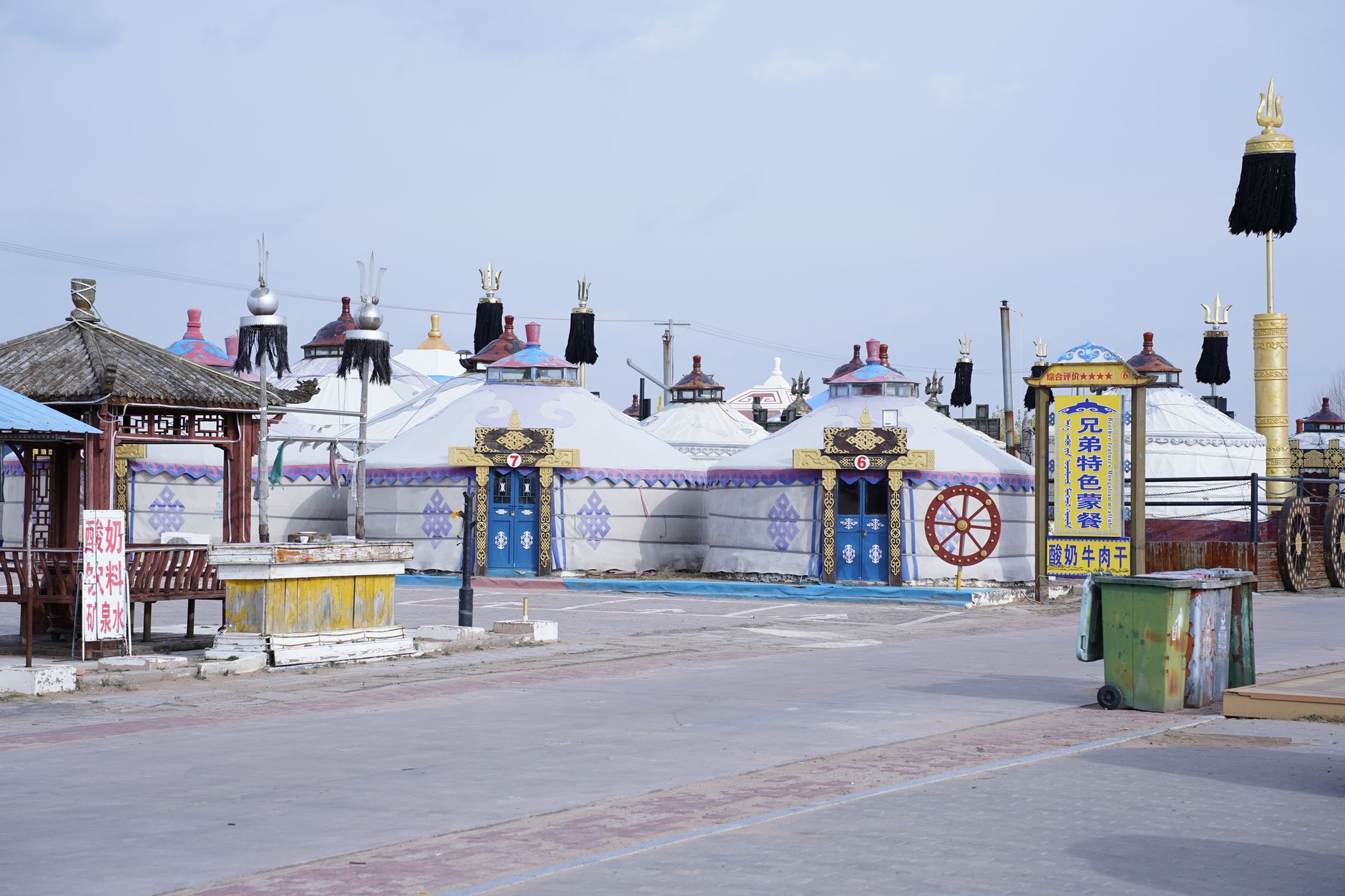
Accommodation in the valley runs almost entirely through ger camp operations – circular felt tents erected seasonally by families who have learned to host travelers without converting the experience into anything resembling a hotel stay. Meals are cooked on a central stove inside the ger, typically featuring mutton in various preparations alongside dairy products. Electricity, when available, usually comes from a small solar panel. The camps are not uniform in quality, and vetting them in advance through a Ulaanbaatar-based tour operator is the most reliable approach for first-time visitors.
Horseback tours range from single-day rides to multi-day expeditions covering the full length of the valley with overnight stays at different ger camps. The horses used throughout the region are native Mongolian stock – compact, cold-resistant animals with significant endurance and very little tolerance for inexperienced handling. Riders with limited horse experience should be direct about their skill level when booking, since the terrain includes river crossings and steep hillside tracks that demand confident riding. The local horses respond to cues different from what Western riders learn in arena settings, and adjusting to that takes time.
Travelers interested in the deeper Central Asian overland circuit sometimes pair a Mongolian steppe ride with destinations further west, but the Orkhon Valley functions well as a standalone experience without requiring any such extension. The valley’s concentration of historical sites, working nomadic culture, and rideable terrain makes it unusually self-contained for an adventure destination.
Currency exchange is only reliably available in Ulaanbaatar and the small town of Kharkhorin, which sits near the Karakorum archaeological site. Carrying enough togrog for the full valley stay before leaving the capital is not optional – card readers do not exist at ger camps, and cash transactions cover everything from accommodation to horse hire to any handmade goods purchased directly from herding families.
What Riders Take Away
The Orkhon Valley’s reputation among experienced horse travelers comes partly from the riding conditions and partly from the absence of the infrastructure that mediates most modern tourism. There are no visitor centers explaining the landscape, no audio guides for the ruins, and no regulated path between you and the herding families whose land you are crossing. That directness is the point.
What tends to stay with visitors long after the ride ends is not the waterfall or the ruins but the spatial experience of the steppe itself – the way sound behaves across flat open ground, the scale of the sky at elevation, and the particular logic of a landscape where movement has always been the organizing principle of daily life. Whether that registers as freedom or exposure depends almost entirely on what you brought with you before you left Ulaanbaatar.