
Where the Steppe Speaks Louder Than Any Mountain
Tibet draws the pilgrims, the altitude seekers, the spiritually restless. Its mythology precedes it – high passes, monastery bells, the kind of remoteness that feels borrowed from another century. But Mongolia’s Orkhon Valley, a sweeping corridor of river bends, volcanic craters, and semi-permanent herder camps in the country’s central heartland, is offering something Tibet increasingly struggles to deliver: access without bureaucracy, nomadic life without performance, and silence that costs nothing to enter.
The valley sits roughly 360 kilometers southwest of Ulaanbaatar and follows the Orkhon River – Mongolia’s longest – through terrain that has hosted human civilization for over two millennia. It was the political and cultural center of the Mongol Empire, and the ruins of Karakorum, once the empire’s capital, still sit at its edge. UNESCO recognized the valley as a World Heritage Site, acknowledging both its archaeological depth and its living pastoral culture. That combination – ancient ruins embedded in a landscape still actively used by nomadic herders – is vanishingly rare anywhere on earth.
Most travelers still don’t know it exists at this level of detail.
What Tibet’s Permit System Can’t Offer
Visiting Tibet as a foreign traveler requires a special permit layered on top of a standard Chinese visa, and access is regularly suspended or restricted depending on political conditions. The Orkhon Valley asks for none of that. Mongolia operates with a relatively open visa policy for most nationalities, and the valley itself has no checkpoints, no entry fees, and no pre-arranged tour requirement. You can arrive overland in a rented 4WD, camp along the riverbank, and spend a week without interacting with anyone in an official capacity.
That openness changes the texture of the experience entirely. In Tibet, the logistics of getting there – the permits, the guided requirements, the altitude acclimatization protocols – occupy so much mental space that the destination itself can feel like something you’ve already half-consumed before arriving. The Orkhon Valley doesn’t front-load itself that way. The practical friction is lower, which means more attention goes toward what’s actually there: the gers dotting the hillsides, the herders moving livestock between pastures, the volcanic landscape of the Khorgo-Terkhiin Tsagaan Nuur National Park where the valley’s upper reaches open into lava fields and a cold-water lake.
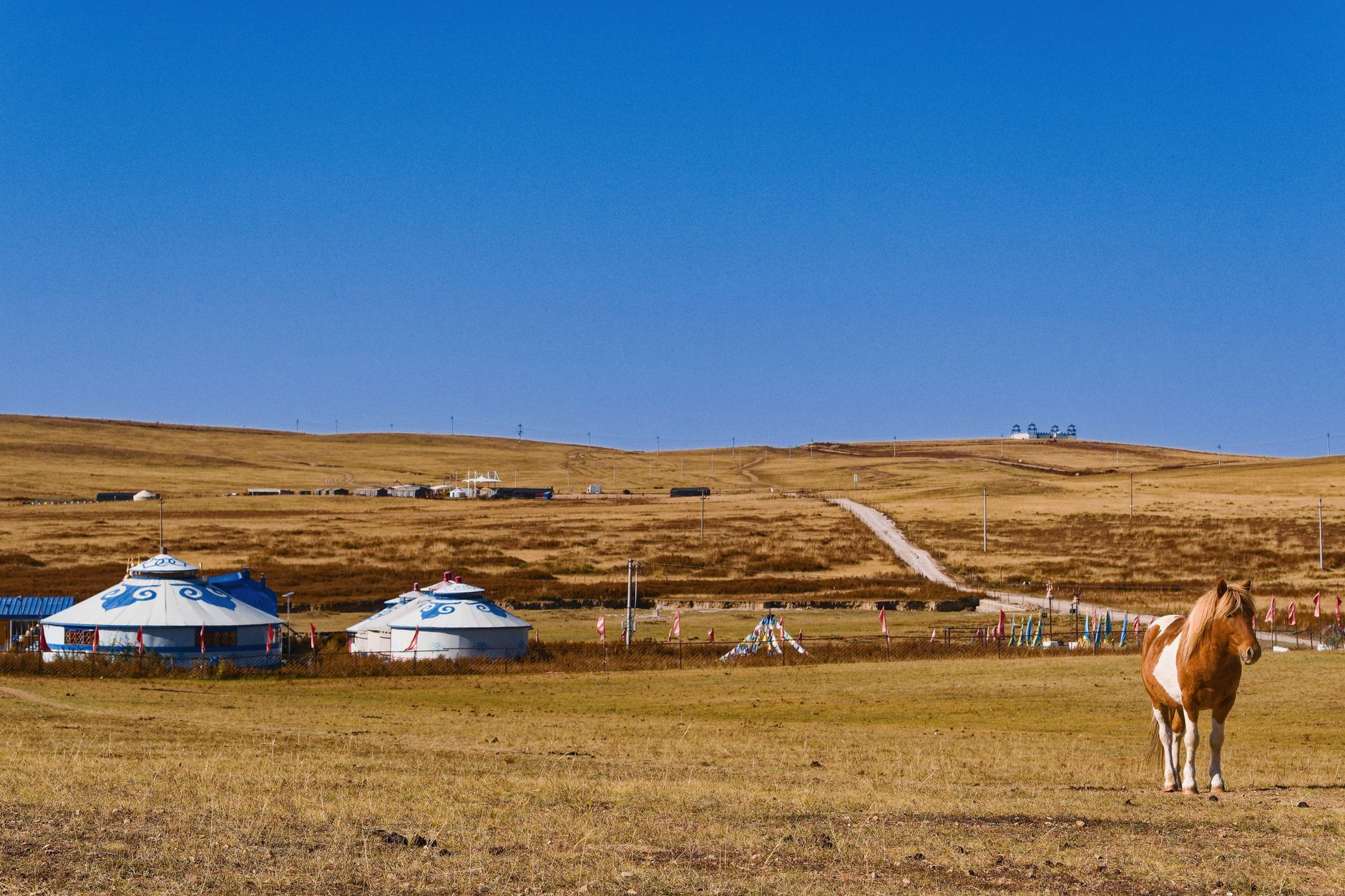
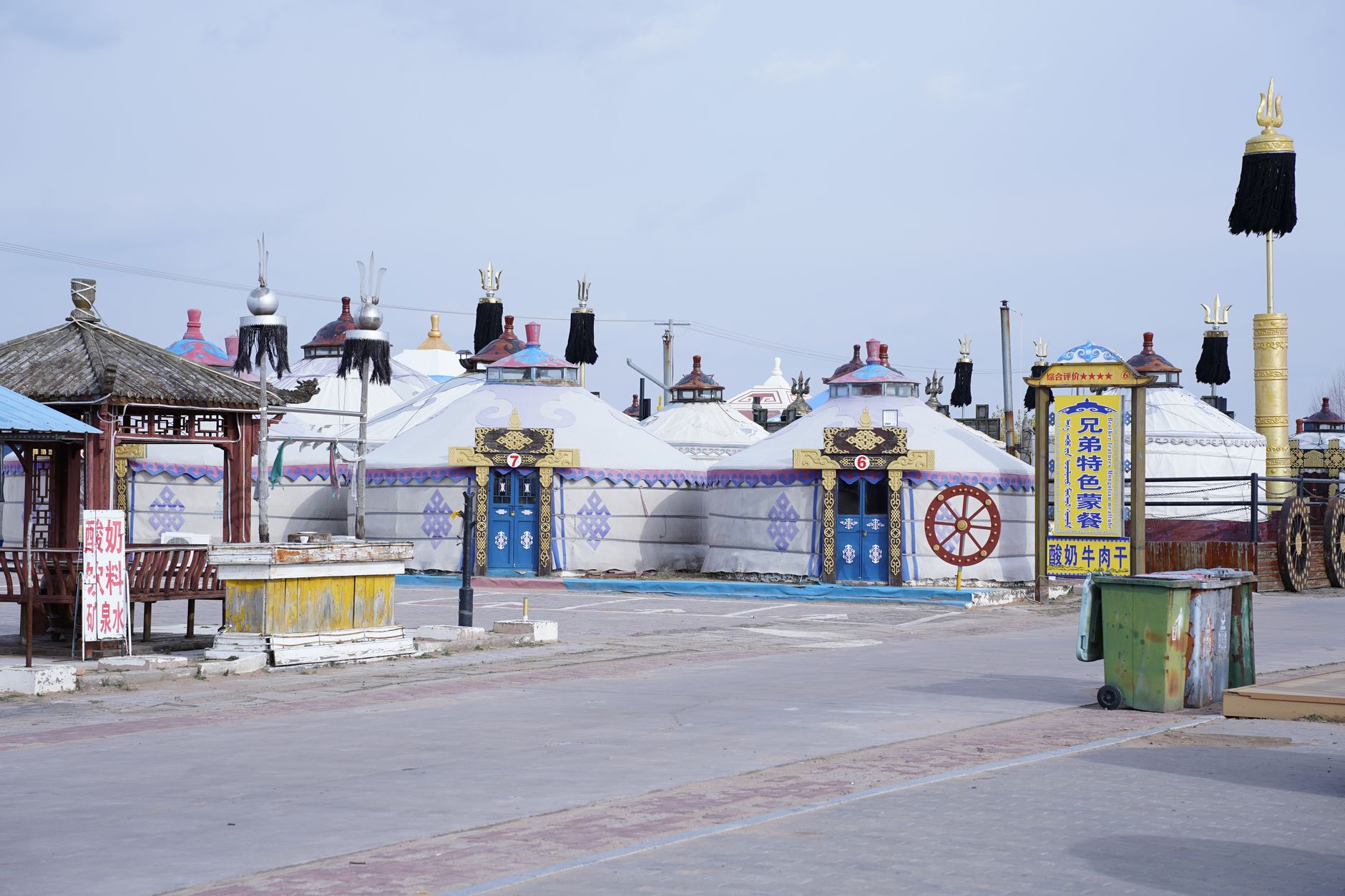
Ger camps – the traditional circular felt dwellings – function here as both home and, increasingly, low-key accommodation for travelers. Some families have begun hosting guests not as a formal tourism product but as an informal extension of the Mongolian hospitality tradition known as zochlol. You sleep on a wooden bed frame beneath thick blankets, eat mutton and dairy, and wake to the sound of horses. Nothing about it is staged for outside consumption.
The Valley’s Specific Geography Does a Lot of the Work
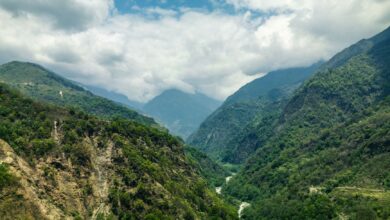
The Orkhon River creates a corridor of green through country that would otherwise feel purely austere. The contrast is striking – grasslands running up against basalt formations, the river carving through canyon walls at Orkhon Khürkhree, a waterfall that drops dramatically enough to feel genuinely surprising after kilometers of flat steppe. The waterfall is accessible by horse or on foot from most of the main ger camps in the area, and the trail itself passes through working pastureland where you’re more likely to encounter a herder checking on livestock than another tourist.
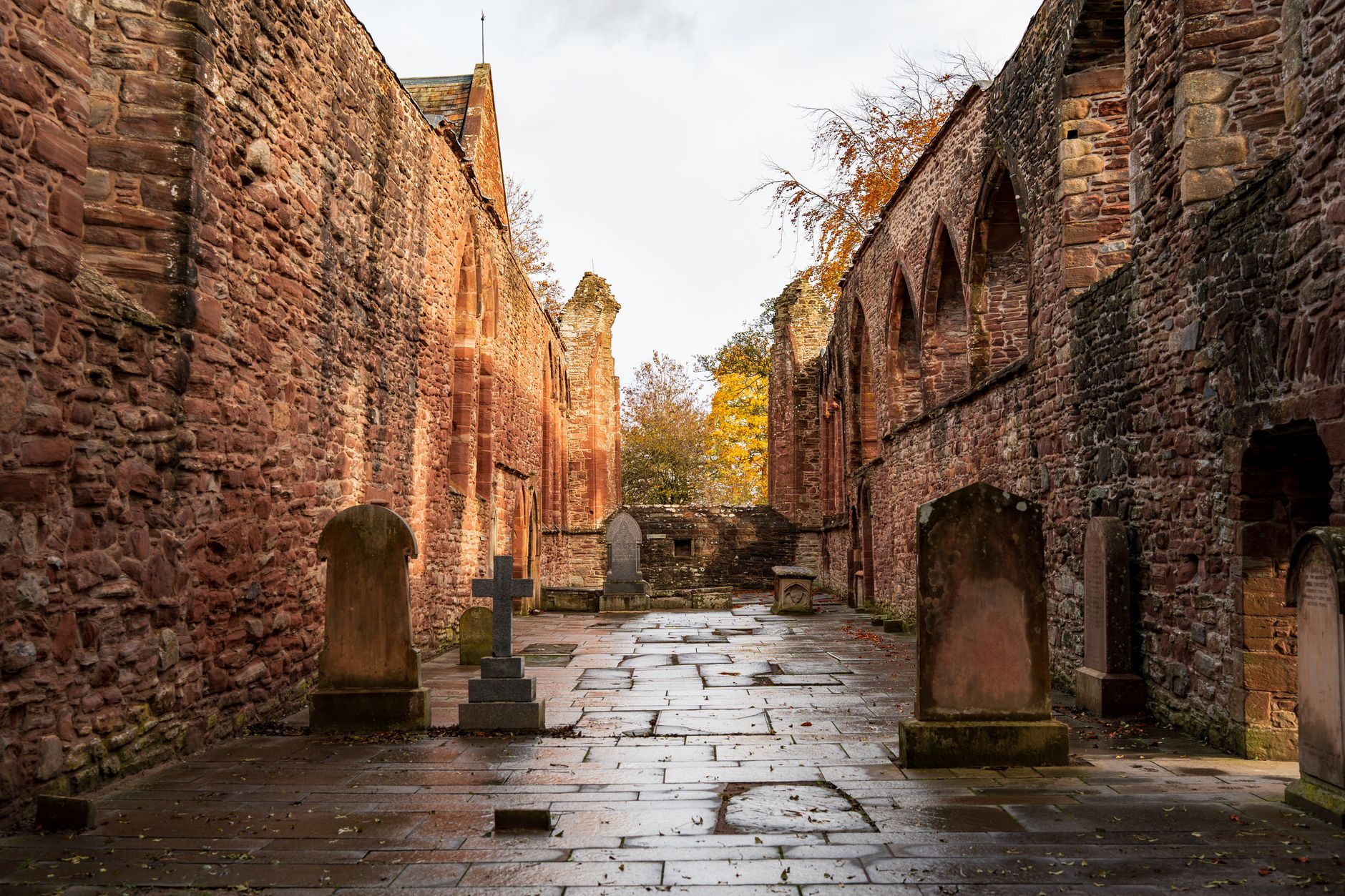
Further into the valley, the ruins of Erdene Zuu Monastery – built directly from stones taken from the destroyed Karakorum – add a layer of historical weight that few landscapes manage without feeling like a museum exhibit. The monastery is still active, and monks in residence make the site feel alive rather than preserved. The white walls and their 108 stupas run for several hundred meters alongside active grazing land, which tells you everything about how history and daily life coexist in the valley without one overwhelming the other.
The seasonal timing shapes everything. Summer, from June through August, keeps the steppe green and the river passable. Spring and early autumn bring fewer travelers and sharper light. Winter travel is possible but genuinely demanding – temperatures drop to minus 30 Celsius and road access becomes unreliable outside of organized expeditions. Experienced overland travelers tend to treat late August or early September as the sweet spot: the Naadam festival crowds have cleared out of Ulaanbaatar, the steppe is still warm enough, and the quality of light in the late afternoon turns the grass a color that photographs can’t quite replicate.
The Part That Has No Easy Comparison
Tibet’s reputation carries a weight that Mongolia doesn’t yet carry, and that gap is closing faster than most travel coverage acknowledges. The Orkhon Valley won’t stay quietly undervisited indefinitely – infrastructure is slowly improving, and the Mongolian government has identified rural tourism as a development priority. What exists right now, in this window, is the version of the valley where a nomadic family’s daily routine hasn’t been reshaped by the volume of outside visitors. When that changes, and it will, the experience will still be beautiful. It just won’t be this.
Frequently Asked Questions
Do you need a special permit to visit Mongolia’s Orkhon Valley?
No special permit is required. Most nationalities can enter Mongolia with standard visa arrangements, and the Orkhon Valley itself has no entry fees or guided tour requirements.
What is the best time of year to visit the Orkhon Valley?
Late August to early September is generally ideal – the steppe is still warm, festival crowds have cleared, and the afternoon light across the grasslands is exceptional.