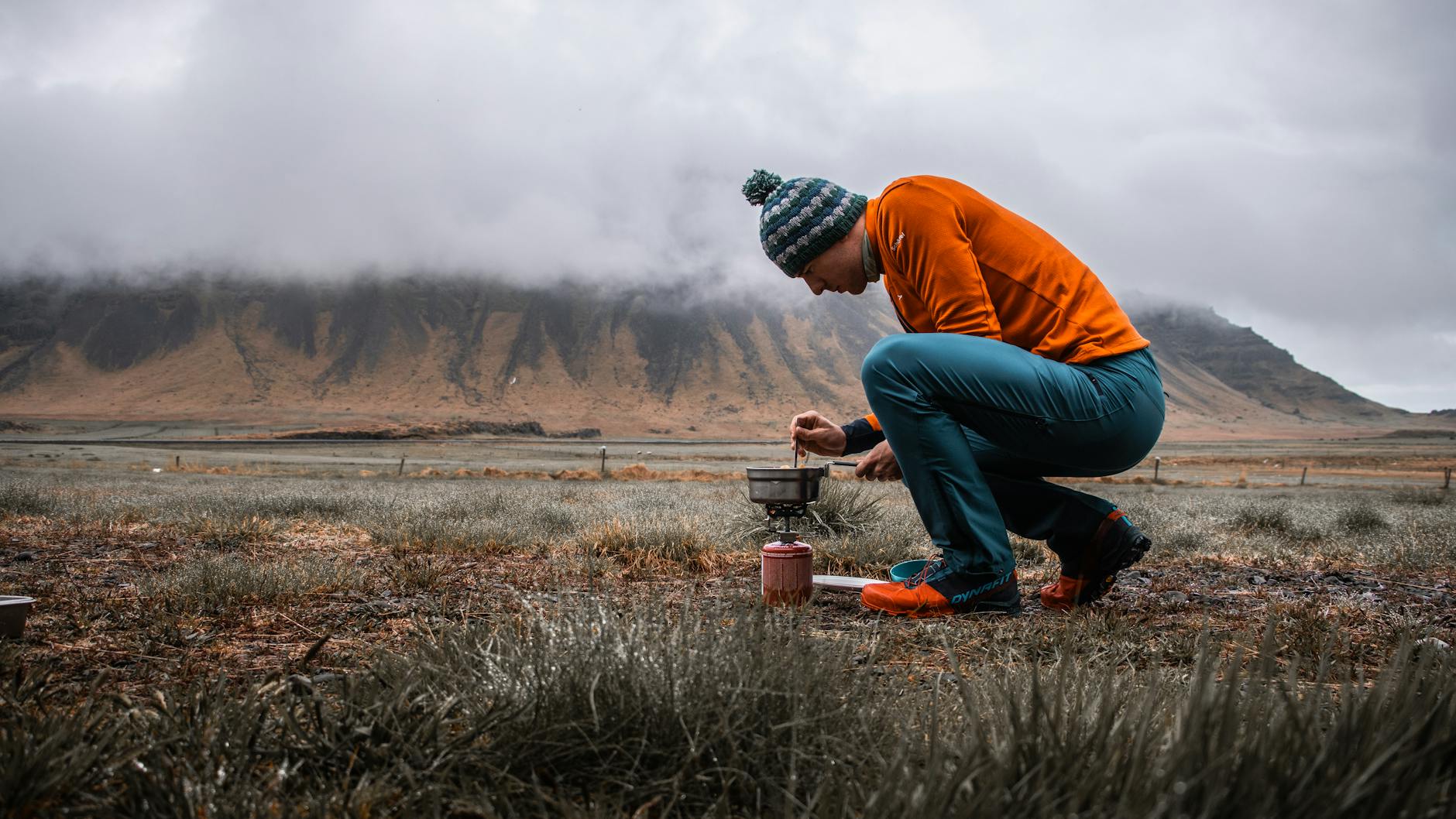

The scent of tagine spices drifts through mountain air as Morocco’s Atlas Mountains embrace a culinary renaissance. Traditional Berber cooking schools are opening across the region, offering travelers an authentic taste of indigenous North African cuisine while supporting local communities that have preserved these recipes for centuries.
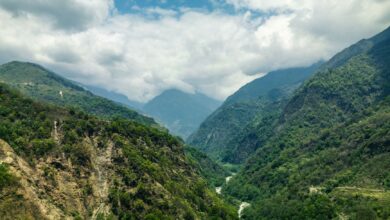
These immersive programs go beyond typical cooking classes, connecting visitors with Amazigh culture through hands-on learning in village settings. Local families open their homes and kitchens, teaching traditional techniques passed down through generations in the dramatic backdrop of snow-capped peaks and terraced valleys.
Ancient Recipes Meet Modern Tourism
The Atlas Mountains stretch across Morocco for 1,500 miles, home to Berber communities who have maintained their culinary traditions despite centuries of change. These cooking schools represent a new chapter in cultural tourism, where authenticity takes precedence over commercial appeal.
Programs typically run from three days to two weeks, based in traditional villages like Imlil, Ouirgane, and Setti Fatma. Participants learn to prepare staples like couscous from scratch, master the art of tagine cooking, and discover the medicinal properties of local herbs and spices. The experience extends beyond cooking to include foraging expeditions, visits to weekly souks, and lessons in traditional pottery used for food preparation.
Village women often serve as primary instructors, sharing knowledge while earning income that directly benefits their families. This model supports sustainable tourism while preserving cultural heritage threatened by urbanization and globalization.
Farm-to-Table Mountain Style
The Atlas Mountains provide an ideal setting for farm-to-table cuisine, with terraced gardens producing vegetables, fruits, and grains at various altitudes. Cooking school participants visit these agricultural terraces, learning how altitude and climate affect flavor profiles of ingredients like saffron, almonds, and argan oil.
Seasonal menus reflect the mountain environment’s natural rhythms. Spring classes focus on wild greens and early vegetables, while autumn sessions emphasize preserved foods traditionally prepared for winter months. The practice of food preservation becomes particularly relevant at higher altitudes where fresh supplies can be challenging during harsh weather.
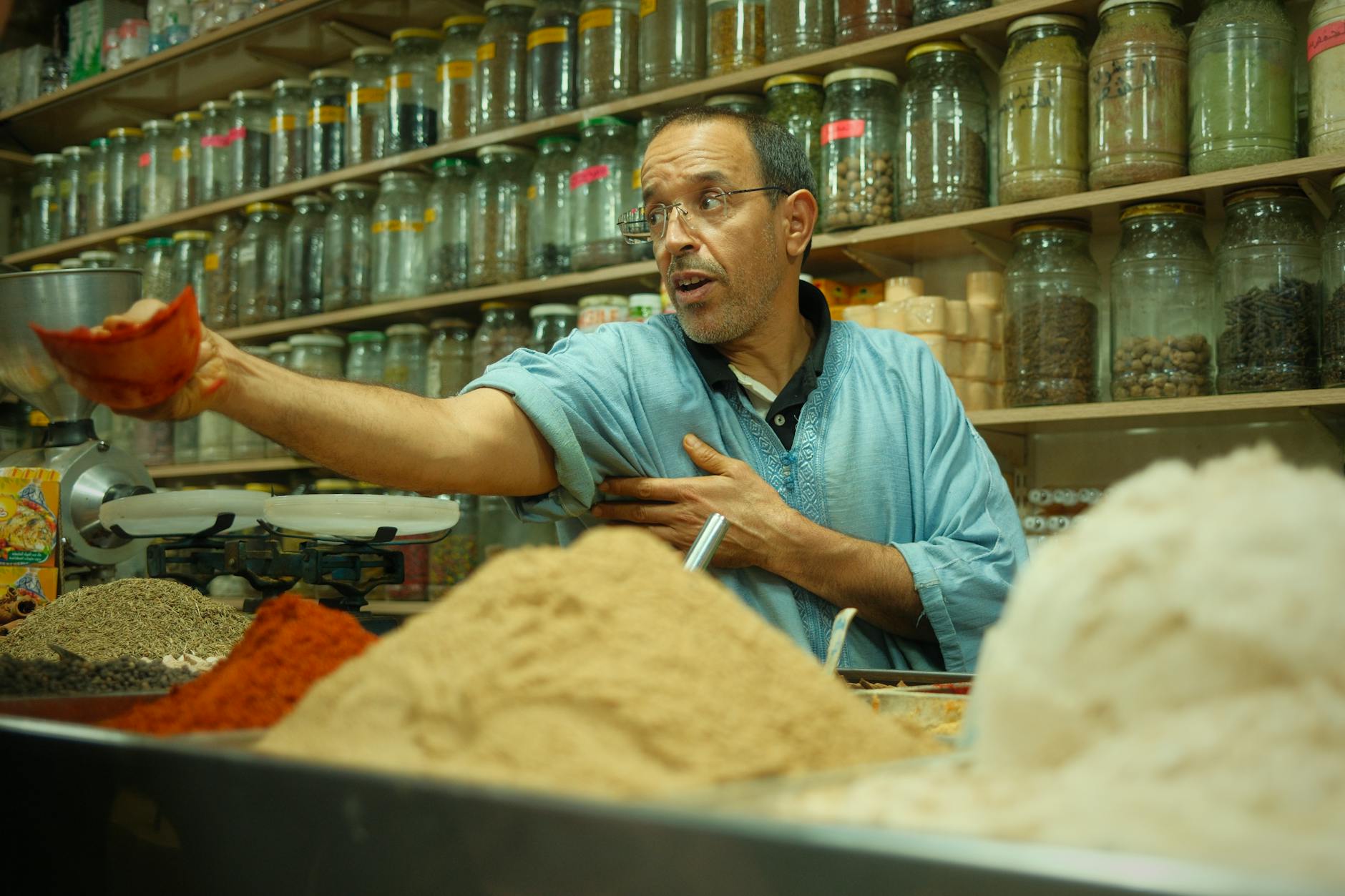
Many programs include visits to cooperative argan oil producers, where participants observe traditional extraction methods and learn about this ingredient’s significance in Berber cooking. The cooperative model demonstrates how traditional knowledge creates economic opportunities for rural women while maintaining sustainable practices.
Water management also plays a crucial role in these culinary traditions. Ancient irrigation systems called khettaras still supply many Atlas villages, and cooking schools incorporate lessons about water conservation and its relationship to food preparation in arid mountain environments.
Cultural Exchange Through Cuisine
These cooking schools create meaningful exchanges between visitors and host communities. Language barriers dissolve as participants work alongside Berber families, communication flowing through shared tasks like kneading bread or arranging vegetables for tagine.
Evening meals become cultural gatherings where stories accompany food. Berber music and storytelling traditions complement the dining experience, with local families sharing legends passed down through oral tradition. These moments offer insights into Amazigh worldview and values that extend far beyond recipes.
The programs also address contemporary challenges facing mountain communities. Climate change affects growing seasons and water availability, topics that naturally arise during cooking instruction. Participants gain awareness of environmental pressures while learning adaptation strategies embedded in traditional foodways.
Similar cultural immersion programs are expanding across Africa, including Tanzania’s Serengeti hot air balloon safari camps, which combine wildlife viewing with local cultural experiences.
Beyond the Kitchen
The cooking school experience extends into broader mountain exploration. Daily activities might include hiking to collect wild herbs, visiting weekly markets in towns like Asni or Amizmiz, or participating in seasonal activities like almond harvesting or olive pressing.
Accommodations range from traditional village guesthouses to luxury eco-lodges, all emphasizing local materials and architectural styles. Many locations offer spectacular views of Mount Toubkal, North Africa’s highest peak, creating dramatic backdrops for outdoor cooking demonstrations.
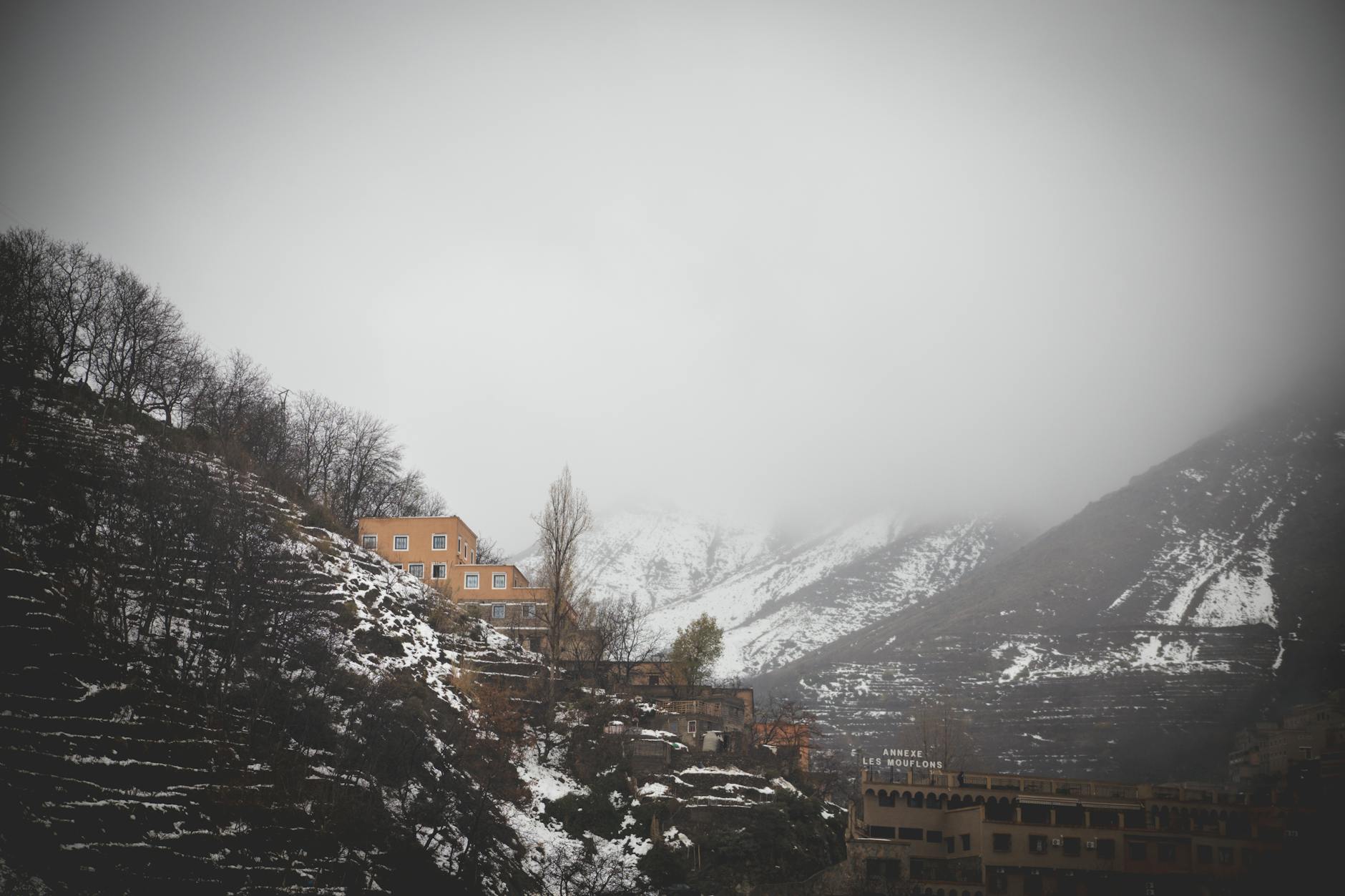
The schools operate year-round, though programs vary by season. Winter sessions focus on hearty stews and preserved foods, while summer programs emphasize fresh vegetables and cooling beverages. Spring brings opportunities to participate in planting and early harvests, while autumn features olive and date processing.
Transportation typically involves scenic drives through the Atlas passes, with cooking schools arranging transfers from Marrakech or other major cities. The journey itself becomes part of the experience, with stops at viewpoints and traditional markets along mountain roads.
Future of Mountain Culinary Tourism
These Atlas Mountain cooking schools represent a growing trend in experiential travel, where tourists seek authentic cultural encounters rather than passive observation. The success of these programs demonstrates how traditional knowledge can create sustainable income streams for rural communities while preserving cultural heritage.
Plans are underway to establish a network connecting cooking schools across different Atlas regions, allowing participants to experience diverse microclimate variations and regional specialties. This expansion would create extended itineraries while distributing tourism benefits more widely across mountain communities.
The model shows promise for replication in other mountainous regions worldwide, offering a template for cultural preservation through culinary tourism. As travelers increasingly seek meaningful experiences, Morocco’s Atlas Mountains provide compelling proof that authentic cultural exchange benefits both visitors and host communities while safeguarding traditions for future generations.
Frequently Asked Questions
How long do Atlas Mountain cooking programs typically last?
Programs range from three days to two weeks, with most lasting about one week in traditional village settings.
What makes these cooking schools different from regular cooking classes?
They’re immersive cultural experiences in authentic village settings, taught by local families using traditional methods and locally sourced ingredients.