
The Valley the Dunes Forgot
Merzouga gets all the postcards. The towering orange dunes of Erg Chebbi have become Morocco’s default desert icon, plastered across travel feeds and bucket lists, and the town surrounding them has grown accordingly – with tourist infrastructure that can feel, on a busy weekend, less like the edge of the Sahara and more like a desert theme park. Meanwhile, roughly 200 kilometers to the southwest, the Draa Valley has been doing something quieter and, arguably, more interesting.
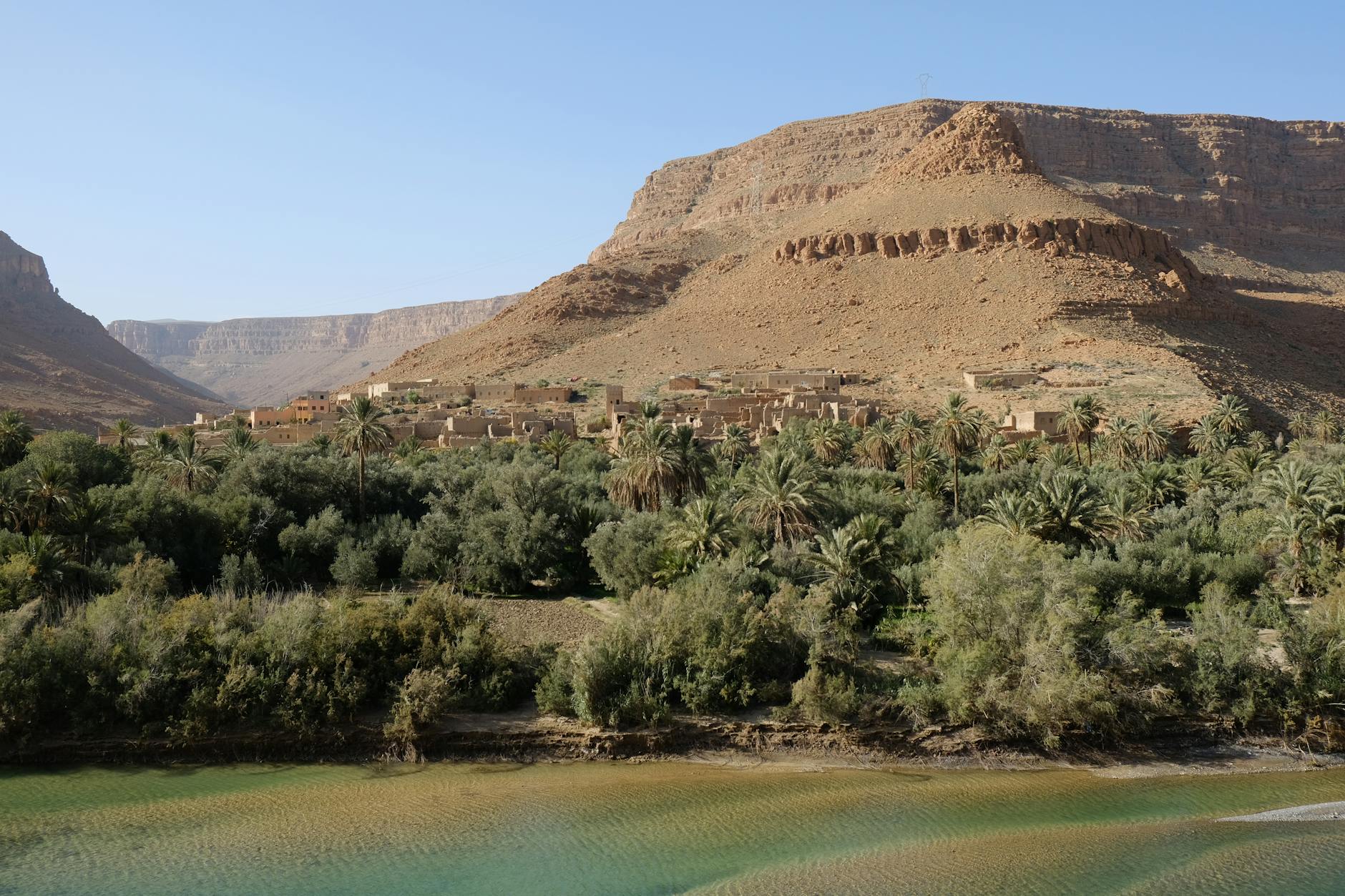
The Draa is Morocco’s longest river, threading south from the High Atlas Mountains toward Zagora before disappearing into the pre-Saharan hamada – the flat, rocky desert that stretches toward the dunes of Erg Chigaga. Along its banks, a chain of ancient ksour (fortified villages) and date palm oases runs almost uninterrupted for over 100 kilometers. The landscape shifts constantly: green ribbons of agriculture, then burnt ochre cliffs, then kasbahs crumbling back into the earth they were built from.
Travelers who know the valley talk about it the way regulars talk about a restaurant before it gets reviewed.
Why Draa Is Winning Over a Certain Kind of Traveler
The appeal is partly logistical. Zagora, the valley’s main hub, sits about five hours from Marrakech by road – similar driving time to Merzouga, but the journey itself is different. The route through the Draa passes through Ouarzazate, Morocco’s film capital, and then drops into the valley through a series of switchbacks that deliver you into a landscape that feels genuinely remote before you’ve even arrived at your destination. Many travelers find that the approach alone sets a different mood.
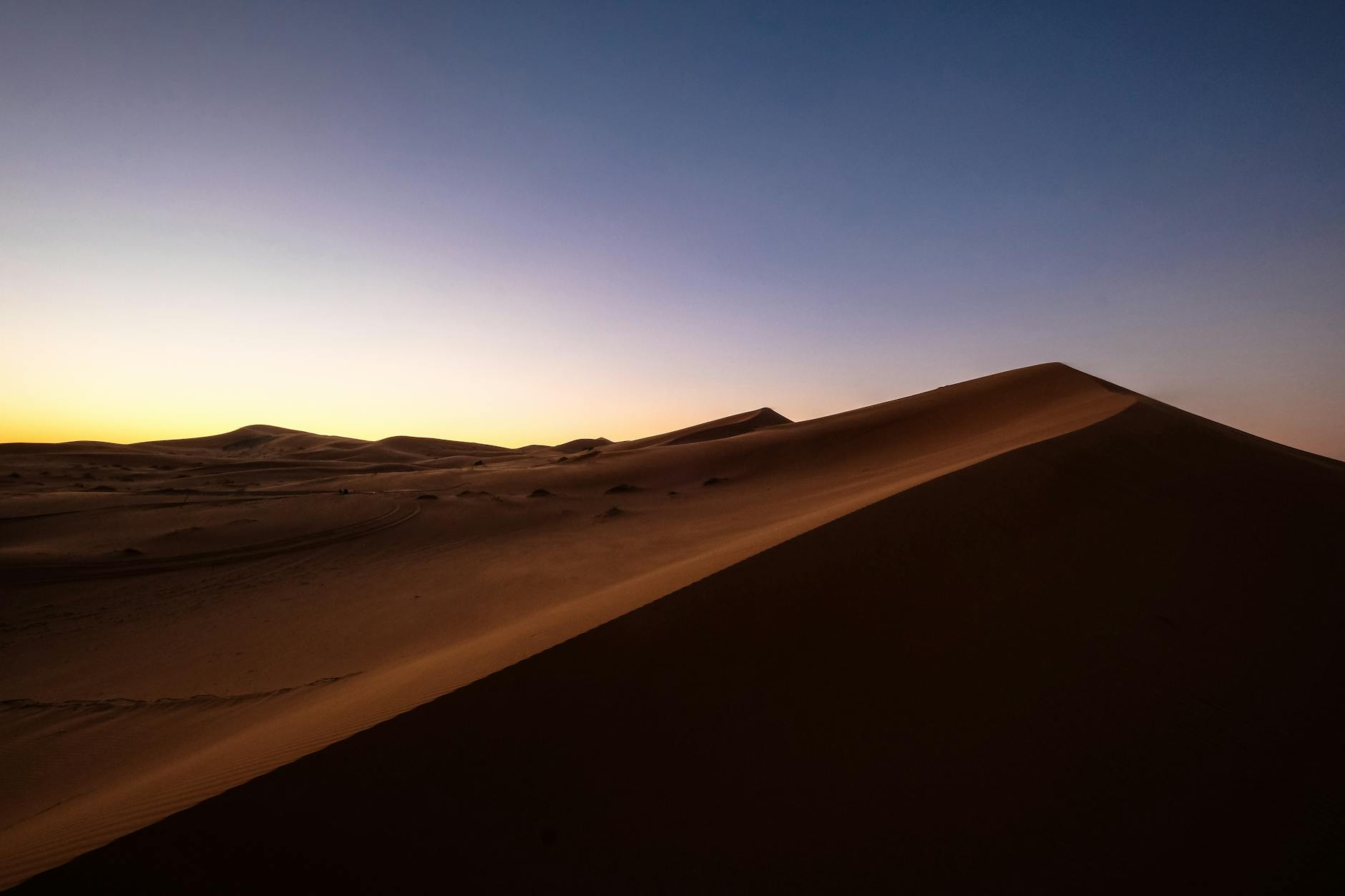
What the Draa offers that Erg Chebbi increasingly struggles to provide is scale without spectacle. The dunes at Erg Chigaga, accessible only by a two-hour piste drive west of M’Hamid – the last town before the Algerian border – are substantially larger than Merzouga’s and draw a fraction of the visitors. A growing number of camps near M’Hamid are pitching themselves explicitly as alternatives for travelers who want dunes without the generator noise and organized camel parades. The camel rides still exist. The silence is just more reliable.
The valley also holds something Merzouga doesn’t: a layered cultural landscape that rewards slow movement. The ksar of Tamegroute, a few kilometers north of Zagora, contains a working library with manuscripts dating back to the 13th century. The weekly souk at Zagora draws Amazigh and Arab traders from surrounding villages with goods that aren’t curated for outside buyers. Staying multiple nights in the valley – rather than treating it as a base camp for a single dune overnight – reveals a rhythm that more compressed desert itineraries miss entirely.
The Accommodation Shift Changing the Region
For years, accommodation in the Draa Valley meant a choice between budget guesthouses in Zagora and increasingly polished desert camps at Erg Chigaga. That middle ground is filling in. A new category of maison d’hote – small, owner-operated riads converted from palm-grove farmhouses – has been opening across the valley over the past several years, particularly around the village of Tinfou and along the stretch between Agdz and Zagora. These aren’t luxury retreats in the resort sense. They tend to be family-run, architecturally considered, and priced in a range that attracts independent travelers rather than group tours.
The camps at Erg Chigaga have also grown more varied. Where the Merzouga camp experience has consolidated around a fairly standardized format – Berber tent, tajine dinner, sunrise dune climb – the Chigaga camps still operate with enough variation that choosing between them actually matters. Some lean hard into the isolation angle, limiting group sizes and restricting generator hours. Others have built permanent structures and offer multi-night treks deeper into the hamada. The difference in experience between a one-night camp stay and a three-day circuit into the open desert is significant enough that some operators have stopped offering the former entirely.
The slow travel movement has found a natural home in landscapes like this one – and the Draa’s infrastructure, while still developing, suits travelers willing to move at the valley’s pace rather than impose their own. For those drawn to that kind of travel, Oman’s Wahiba Sands has been running a similar playbook for longer, with comparable results: genuine solitude priced slightly above budget but well below the luxury tier, in a setting that rewards patience over itinerary optimization.
What the Valley Still Has Going for It
The honest answer to why the Draa Valley hasn’t been overrun is partly structural. It lacks a direct flight connection to a European hub, requires either a long road journey or a connection through Ouarzazate, and doesn’t photograph as dramatically in the single-shot format that drives social media discovery. Erg Chigaga’s dunes require a 4×4 transfer and a degree of logistical commitment that filters out the most casual visitors. These are, for some travelers, exactly the right frictions.
The date palm oases along the Draa are also genuinely productive agricultural systems, not preserved landscapes or tourist reconstructions. Harvest season, from October through November, brings a specific energy to the valley – workers moving through the groves, roadside stalls selling fresh deglet nour dates directly from the palms, the smell of the fruit drying on rooftops. Visiting during this window gives the valley a texture that the purely scenic approach misses.
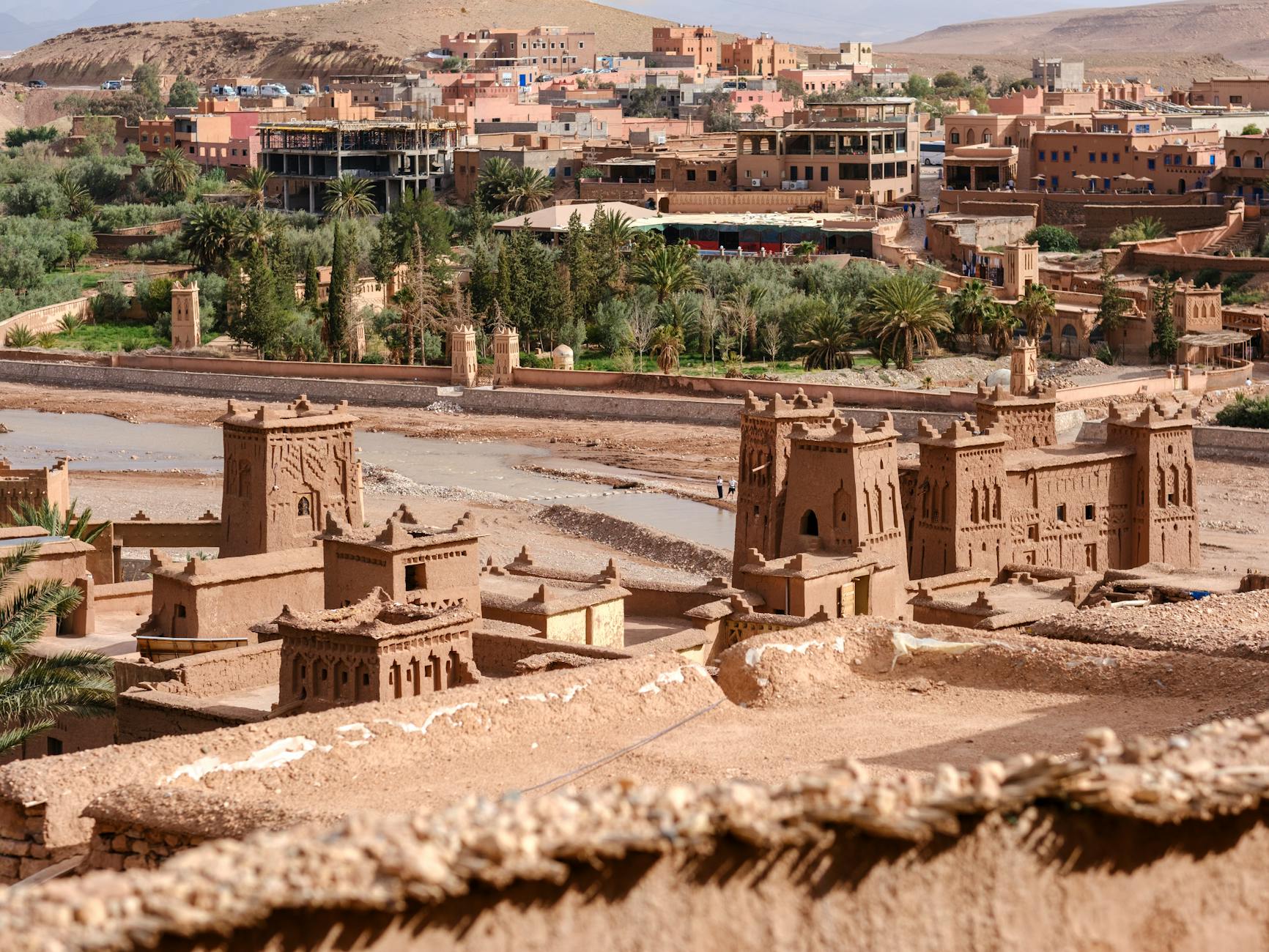
The kasbah of Ait Ben Haddou gets the UNESCO designation and the film crews. The Draa Valley, 150 kilometers further south, gets the travelers who come back twice.