
Where the Atlas Fades Into Palm Groves
Most travelers who want desert in Morocco head straight for Merzouga and the Erg Chebbi dunes – the towering, photogenic sand walls that fill every travel brochure. The Drâa Valley, running roughly 1,000 kilometers from the High Atlas down toward the Algerian border, rarely gets the same billing. That’s a mistake worth correcting, because the valley offers something the open Sahara can’t: a layered landscape where water, rock, date palms, and ancient kasbah architecture exist in close enough proximity that you can walk between all of them in a single afternoon.
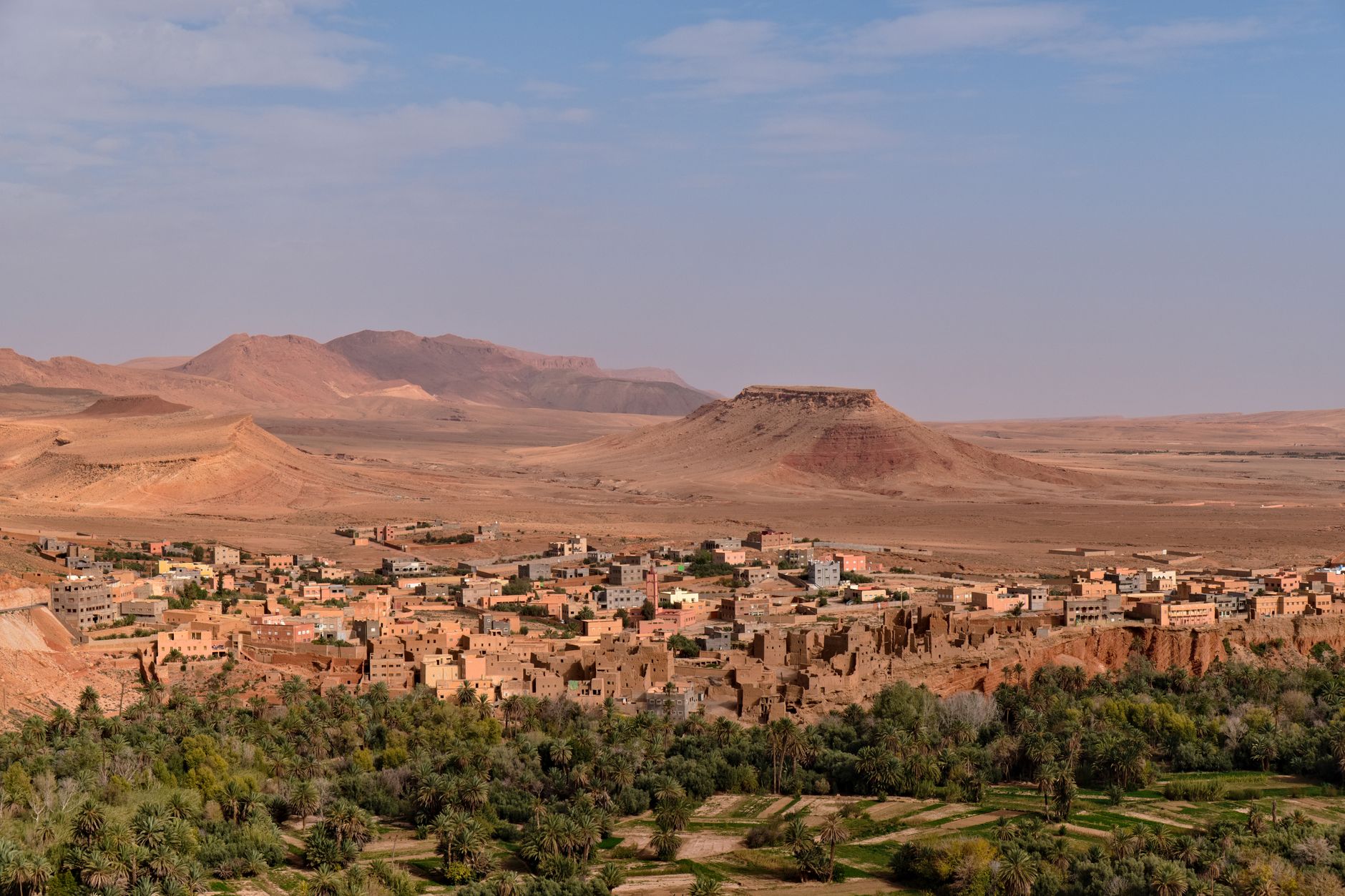
The Drâa River itself is one of Morocco’s longest, though calling it a river requires some seasonal generosity – it runs visibly only during certain months and largely disappears into the sand before reaching the Atlantic. But the life it sustains along its banks doesn’t disappear with it. The green corridor it creates through the pre-Saharan hammada is narrow enough that the desert is always visible on both sides, which produces the specific visual tension that oasis landscapes are known for: abundance framed by scarcity.
The Road South From Ouarzazate
The logical starting point for a Drâa Valley trip is Ouarzazate, a city that functions as a gateway to southern Morocco and has long attracted film productions drawn to its light and its fortified architecture. From there, the N9 road drops through the Tizi n’Tinifift pass and enters the valley proper near the town of Agdz. The drive itself is argument enough for the detour – the road descends through barren rock that gradually softens as palm groves begin appearing below.
Agdz is small, dusty, and not trying to be anything else. Its weekly souk draws people from surrounding villages who come to trade dates, argan oil, and livestock rather than to perform local color for tourists. Staying overnight here rather than pushing directly to Zagora gives you access to the early morning market hours and a quieter version of the valley before the day heats up.
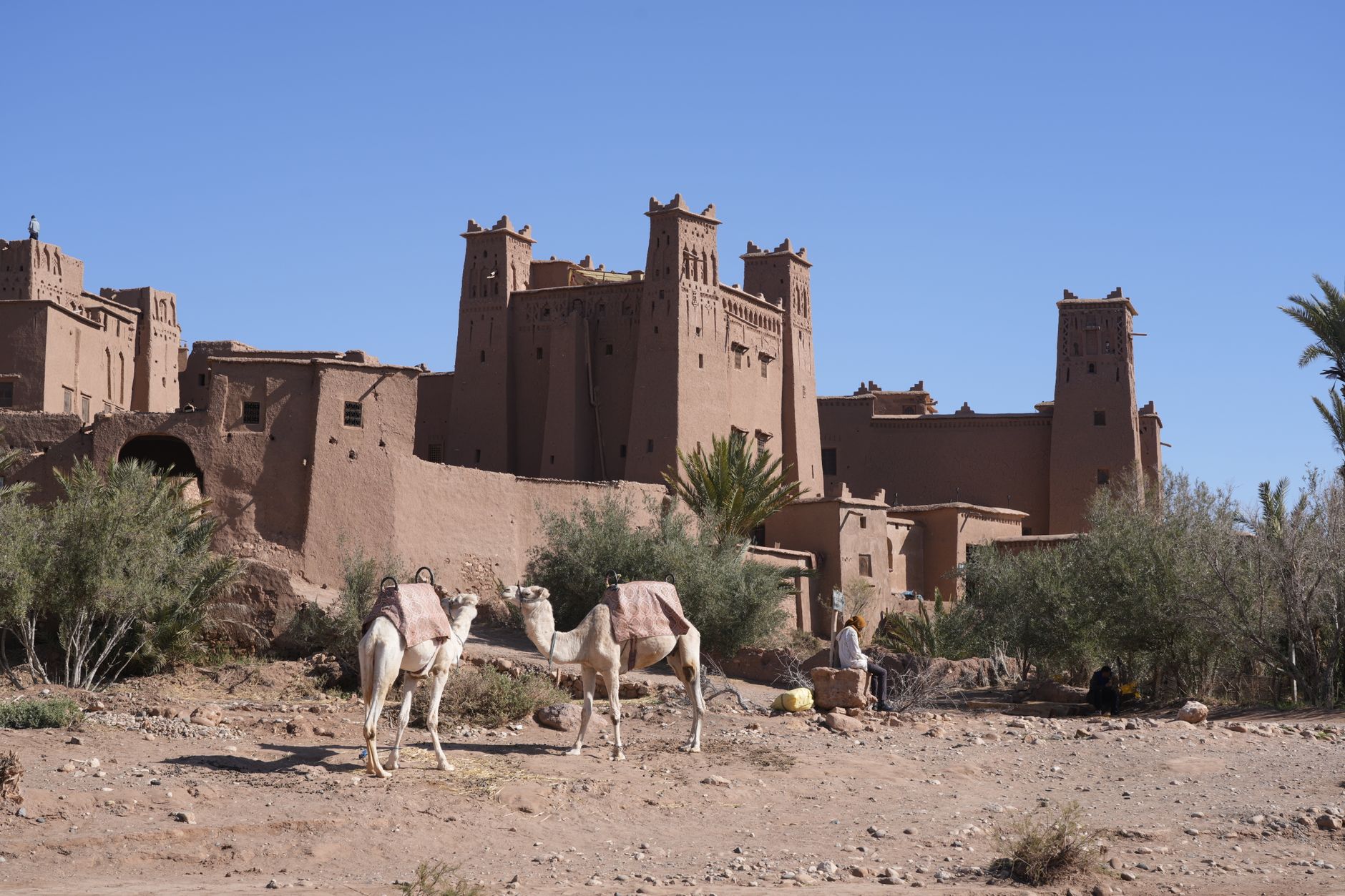
The 95-kilometer stretch between Agdz and Zagora is the core of the experience. The road passes through a continuous series of ksour – the plural of ksar, referring to the fortified village clusters built from pisé, which is rammed earth mixed with straw. Many of these structures are centuries old and still inhabited. Ksar Aït Ben Haddou near Ouarzazate is the famous, UNESCO-listed example, but the ksour along the Drâa see far fewer visitors and are structurally more varied – some partially collapsed, others actively maintained, a few converted into guesthouses with rooftop terraces that look out over the palmeraie.
What the Valley Does Better Than the Dunes
The Sahara’s draw is elemental and visual: scale, silence, the particular quality of light over sand at dusk. But a two-day visit to Erg Chebbi, the standard Merzouga itinerary, delivers most of what the landscape has to offer. The Drâa Valley rewards longer and slower movement precisely because it has more compositional variety per kilometer. You’re not waiting for one dramatic view – you’re reading a sequence of them.
The date palms here deserve specific attention. The Drâa Valley produces a significant portion of Morocco’s date crop, with some estimates suggesting the region’s palmeries contain hundreds of thousands of individual trees. Visiting during the October harvest period means the air smells faintly of fermented fruit and the palms are still being worked by hand from wooden platforms constructed against the trunk. This is agricultural labor that has changed very little in method over several centuries, and watching it happens not at a demonstration site but in the actual working groves beside the road.
For travelers who’ve already done Jordan’s Wadi Rum villages and understand what it means to spend time in a desert landscape that has human depth beyond the scenic surface, the Drâa Valley operates on a similar register. The kasbah architecture here isn’t reconstructed for tourism – it’s in active use, decay, or adaptation, which makes the whole valley feel less like a set piece and more like a place with an ongoing story.
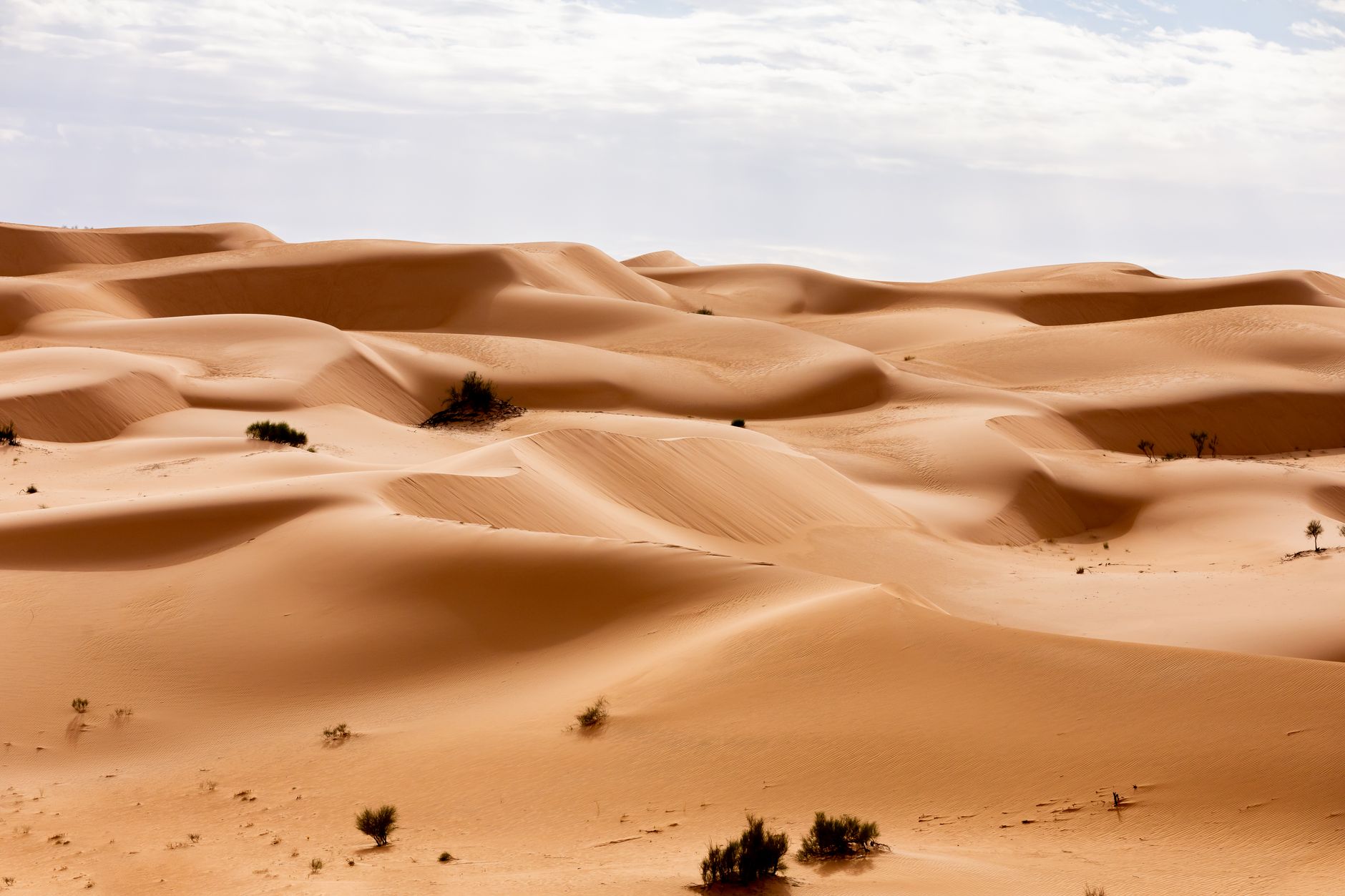
Zagora, the valley’s main town, is where most organized tours turn around. The famous sign on the edge of town claiming “Tombouctou 52 jours” – a 52-day camel journey to Timbuktu – has become a minor icon in its own right. But the more interesting territory begins just past Zagora in the direction of M’Hamid el Ghizlane, a small oasis settlement that sits at the edge of the Iriqui desert basin. M’Hamid lacks Merzouga’s tourist infrastructure entirely, which works in its favor. The erg near M’Hamid, called Erg Chegaga, is smaller than Erg Chebbi but less trafficked, and reaching it requires either a long 4×4 ride or a multi-day camel journey that ends at a fixed desert camp with no electricity and irregular cell service.
Practical Realities and the Seasonal Question
Timing matters more in the Drâa Valley than in most Moroccan destinations. Summer temperatures in the valley floor regularly exceed 45 degrees Celsius, which makes outdoor exploration between June and August effectively unviable during daylight hours. The best windows are October through early December and February through April – cool enough to walk the kasbah lanes without planning around shade, warm enough that the desert camps are comfortable at night without serious gear.
Accommodation along the valley ranges from basic family-run guesthouses in Agdz and smaller villages to more polished riad-style kasbahs outside Zagora that charge rates comparable to Marrakech’s medina hotels. The guesthouse tier is worth prioritizing if the goal is access to local knowledge rather than amenity comfort – hosts in these smaller operations tend to know which ksar is currently open to visitors, which palmerie tracks connect to the river bed, and where the weekly souks fall on the calendar. That information doesn’t appear on any booking platform.
Getting around without a rental car is possible but limiting. Grand taxis run between Ouarzazate, Agdz, and Zagora with reasonable frequency, but reaching the smaller ksour and palmerie roads in between requires either a local guide with transport or a willingness to flag down traffic on the N9. The valley is narrow enough that distances between points of interest are manageable, but the heat and road conditions make walking between towns impractical outside the cooler months. A rented car or a hired driver out of Ouarzazate for three to four days covers the full valley without rushing.
The question worth sitting with before booking: what kind of desert experience do you actually want? If the answer is sand dunes and camel silhouettes at sunrise, Merzouga delivers it reliably and with less friction. But if the draw is a landscape that puts the desert in conversation with water, agriculture, living architecture, and a road that keeps revealing new things around each bend – the Drâa Valley is running a very different kind of trip, and the Sahara is right there on both sides of the palms the whole time anyway.