Morocco’s Todra Gorge Quietly Rivals the Atlas Mountains for Canyon Climbers

Where the Rock Speaks First
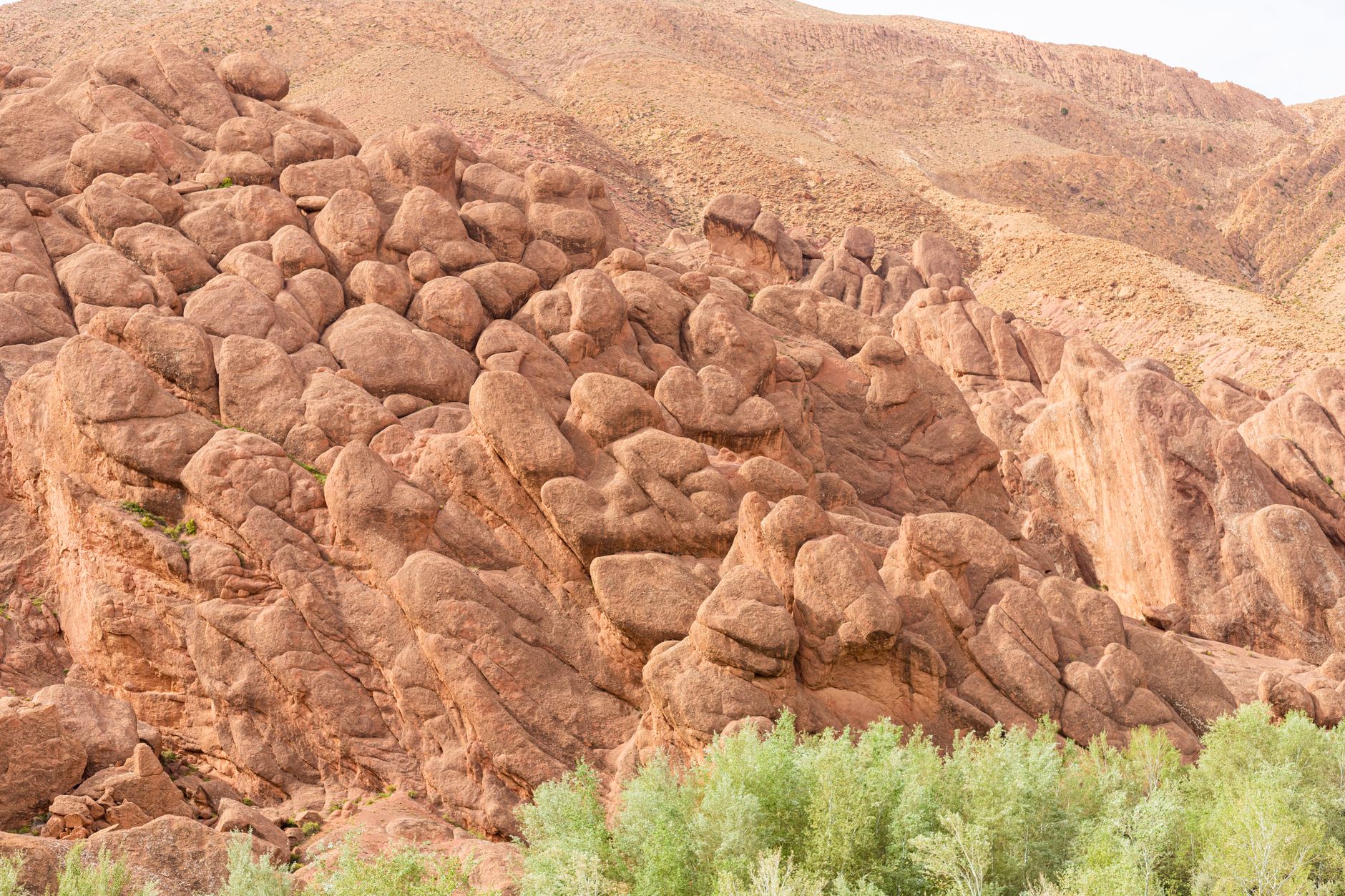
Todra Gorge sits in southeastern Morocco, carved by the Todra River through rose-pink limestone walls that rise nearly 300 meters at their tightest point. Most travelers who reach it arrive by way of Tinghir, a market town roughly five hours from Marrakech, and many stay just long enough to photograph the slot canyon’s famous narrows before heading back toward the Sahara. That pattern is changing. A growing number of climbers are treating Todra not as a scenic detour but as a destination in its own right – one that competes directly with Morocco’s more publicized mountain circuits on technical merit alone.
The comparison to the High Atlas tends to favor the Atlas by default, simply because of name recognition. Toubkal, the Atlas’s signature summit, draws trekkers by the thousands each season and occupies most of the international press coverage dedicated to Moroccan adventure travel. But canyon climbing is a different discipline entirely, and on that specific axis, Todra holds routes and rock conditions that the Atlas cannot easily match.
The Climbing Case for Todra
The gorge hosts more than 150 established sport climbing routes, ranging from beginner-friendly single-pitch lines to demanding multi-pitch walls that require anchored descents and route-reading skills under exposure. The rock quality at Todra is limestone, which rewards technical footwork and offers crimps, pockets, and slab sections that keep experienced climbers engaged across multiple days. The stone itself is largely solid, with fewer loose sections than comparable desert limestone formations in southern Europe, and the canyon’s sheltered geometry creates wind shadow even when conditions outside are harsh.
The practical infrastructure around Todra has matured quietly. Several guesthouses along the canyon road now cater specifically to climbers, offering gear storage, beta books for route conditions, and referrals to local guides certified through Moroccan mountain sports federations. The access arrangements are generally straightforward: most walls are reachable on foot within 20 minutes of the main narrows, and fixed anchors on popular lines are maintained with reasonable regularity by guide associations operating out of Tinghir.
What gives Todra its particular appeal among intermediate and advanced climbers is the visual and physical context of the climbing itself. Moving up a 200-meter wall with the gorge floor visible below and canyon walls converging on both sides creates a sense of vertical exposure that open-face mountain climbing rarely replicates. The confined geometry amplifies height perception, and routes that might feel moderate in grade can feel significantly more committing simply because the surrounding scale overwhelms the senses. This is not a drawback – for many climbers, it is the entire point.
How It Compares to the Atlas Circuit
The High Atlas offers exceptional trekking and some mountaineering, particularly around the Toubkal massif. But sport climbing and technical canyon routes are not what the Atlas is designed to deliver. The rock in that range runs to schist and volcanic formations that punish crimping and resist bolt placements, and the infrastructure for multi-pitch sport climbing specifically is thin. Guides operating in the Atlas are predominantly oriented toward summit trekking, not rope management on bolted sport routes. For a climber arriving in Morocco with harness and shoes already packed, the Atlas is genuinely secondary.
Todra’s edge is niche but real. The gorge is not positioned to replace Toubkal-style adventure for hikers – those are different activities with different audiences. But for the climber who has already done Leonidio in Greece, or spent time on the limestone walls of Kalymnos, Todra belongs on the same shortlist. The grades are honest, the setting is dramatic, and the surrounding culture of the Dades Valley adds a layer of travel richness that purely alpine destinations rarely offer.
The Logistics Worth Knowing
October through April is the standard climbing season at Todra, with winter months offering the clearest air and coolest wall temperatures. Summer heat in the gorge is intense and makes climbing above grade 5 in the midday hours genuinely dangerous – rock temperatures on south-facing walls can exceed what skin can sustain. The shoulder months of March and November tend to offer the best balance of comfortable temperatures and dry conditions, and these periods are when the canyon sees its highest concentration of visiting climbers from Europe.
Getting to Tinghir without a private vehicle requires some patience. Shared taxis from Ouarzazate cover the route, and the drive itself along the N10 through the Dades Valley is scenically worthwhile on its own terms. Accommodation ranges from basic canyon guesthouses with roof terraces to slightly more polished riads in Tinghir proper, where food options extend beyond the canyon-road tagine stands. Gear availability in Tinghir is limited – chalk, tape, and replacement gear should be sourced in Marrakech before departure.
For climbers who want to extend their Morocco trip beyond the gorge, the Dades Gorge sits roughly an hour west of Tinghir and offers a different character of canyon scenery, though its climbing development is considerably less mature. The two gorges together form a plausible week-long base for anyone committed to canyon exploration over summit chasing.
The thing Todra does not yet have is the marketing apparatus that sustains the Atlas’s international profile. There is no equivalent of the well-funded trekking industry that has grown up around Toubkal, no glossy certification program for gorge-specific guides, and no major gear brand has adopted the site for campaign content in the way that some European limestone crags have been. That absence works both ways: the routes are less crowded, the guesthouses more personal, and the experience of arriving at a 200-meter wall to find it completely empty on a Tuesday morning in November is still entirely possible. Whether that changes as the broader sport climbing travel market continues to expand is the question Todra’s regulars are quietly watching.
Frequently Asked Questions
When is the best time to climb at Todra Gorge?
October through April offers the best conditions, with March and November being ideal for comfortable temperatures and dry rock. Summer midday heat makes climbing hazardous on many walls.
Do I need a guide to climb at Todra Gorge?
Experienced sport climbers can access most routes independently using local beta books, but certified guides based in Tinghir are recommended for multi-pitch routes and first-time visitors unfamiliar with the canyon’s layout.