Mozambique’s Quirimbas Archipelago Quietly Rivals Zanzibar for Island Sailors

Africa’s Forgotten Sailing Ground
Zanzibar gets the Instagram posts, the boutique hotel features, and the direct charter flights. The Quirimbas Archipelago, a chain of 32 coral islands strung along the northern coast of Mozambique, gets the silence. That silence, for sailors who have made the crossing, is precisely the point. The Quirimbas stretches roughly 250 kilometers between the port town of Pemba and the Tanzanian border, and on any given week, you might sail for a full day without spotting another vessel.
The archipelago is not undiscovered – Mozambican sailors and local dhow fishermen have worked these waters for centuries, and a handful of safari-style lodge operators have been quietly running operations on the outer islands for years. But for international sailors arriving under their own canvas, the Quirimbas remains largely off the established Indian Ocean circuit. That positioning is starting to shift, and the sailors who get there first are finding conditions that Zanzibar stopped offering a decade ago.
What the Water Actually Looks Like
The southern trade winds, known locally as the kusi, blow reliably from May through October, delivering consistent southeast winds in the 15-to-25-knot range across the channel. These are sailing conditions that charterers plan entire seasons around: enough pressure to keep things lively, shallow enough fetch across the archipelago’s inner waters to stay manageable. The tidal range here runs high, and navigating the coral passages requires careful attention to timing and chart work, but the reward is access to anchorages that simply do not exist in more heavily trafficked waters.
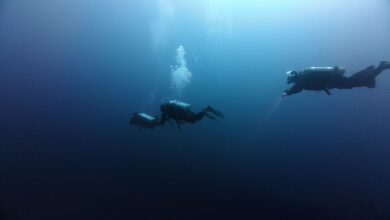
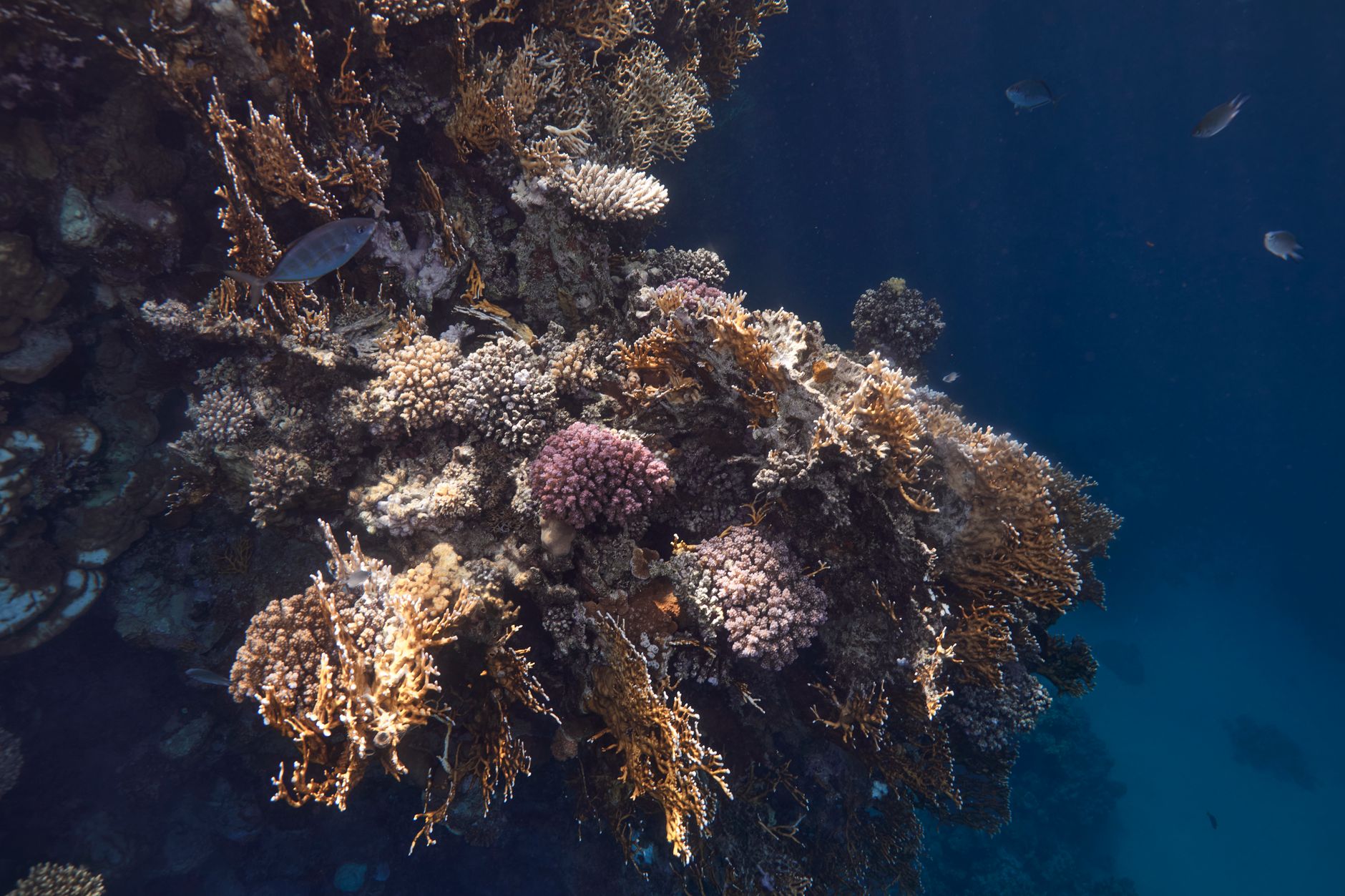
The outer islands – Ibo, Quirimba, Matemo, and Medjumbe among them – sit inside a protected marine park established in 2002. The park’s enforcement has been inconsistent over the years, but the effect on the reef systems has been meaningful. Coral coverage in sections of the Quirimbas that see limited boat traffic is visibly healthier than comparable reefs around Zanzibar’s southern peninsula, where dive tourism has operated at high volume for years. For sailors who also dive, the contrast is noticeable on the first descent.
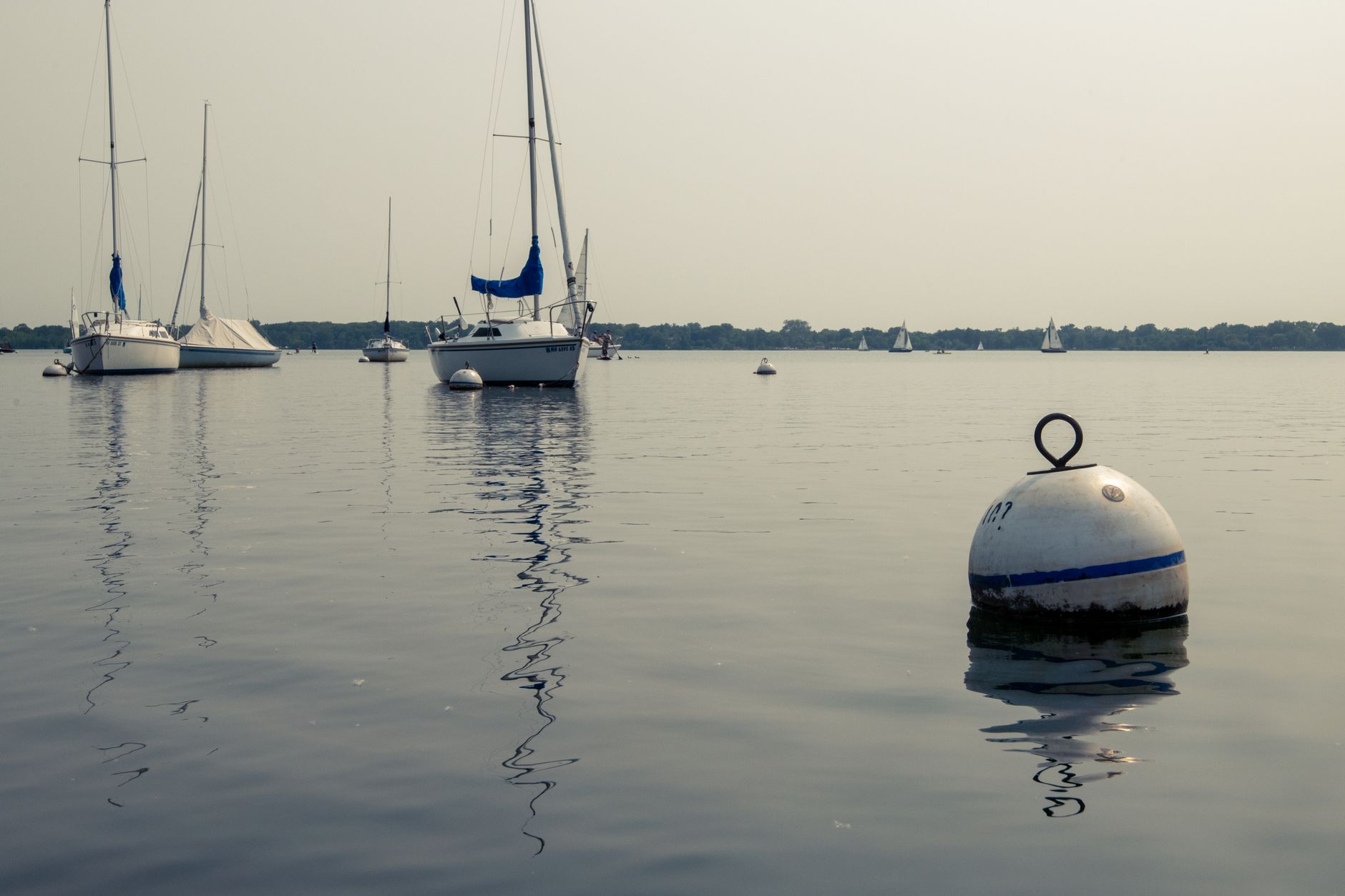
Anchoring logistics differ significantly from the East African norm. Many of the best spots require dropping the hook on sand behind a coral head at low water, then watching the tidal surge fill in around you as the afternoon progresses. Sailors unfamiliar with large tidal ranges – the area can see swings of more than three meters during spring tides – need to approach planning differently than they would in the Mediterranean or the Caribbean. That learning curve keeps casual charterers away, which is part of why the anchorages stay quiet.
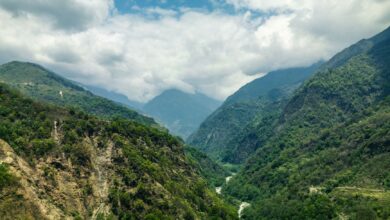
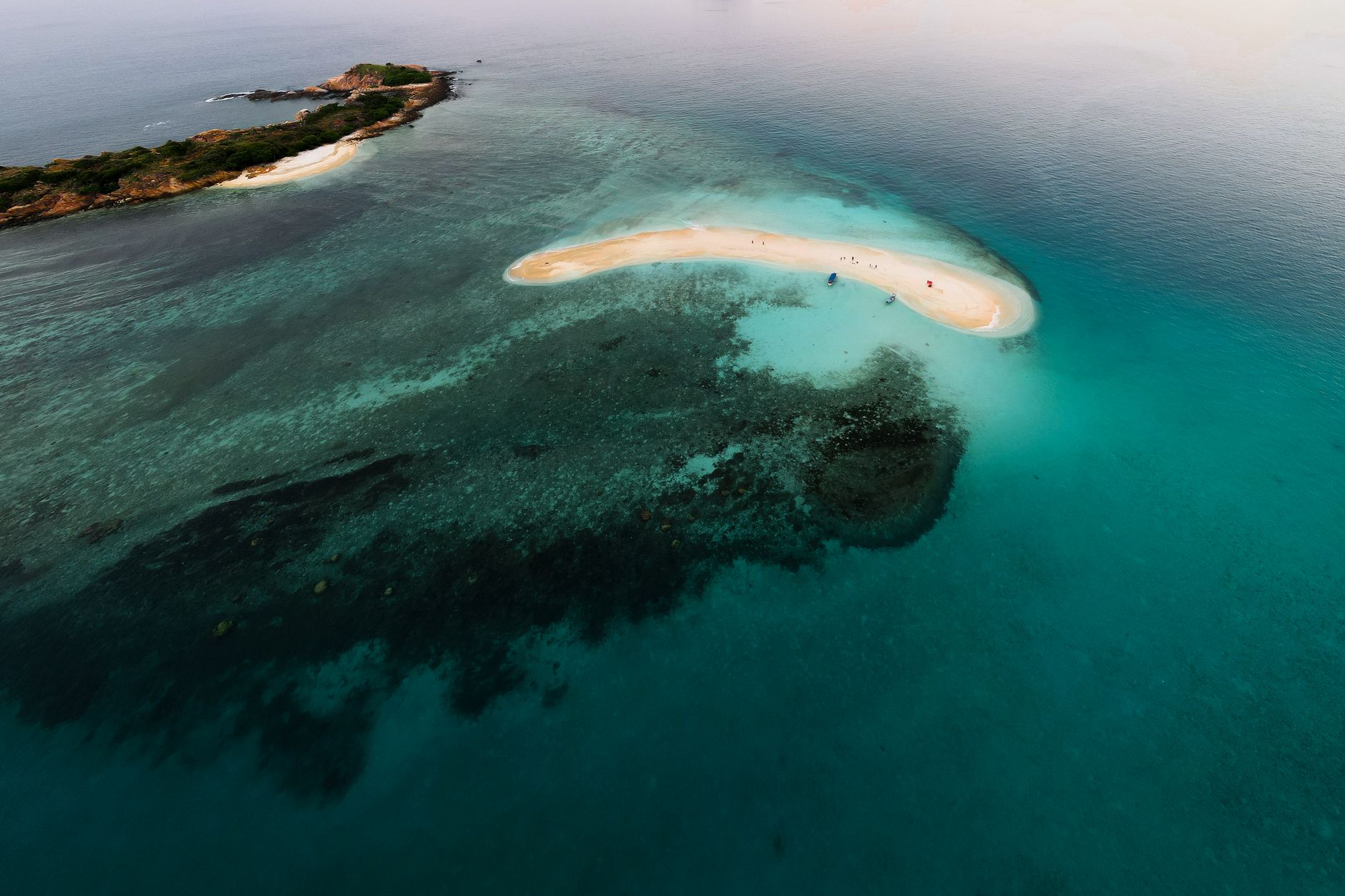
The passages between islands are genuinely beautiful in a way that is hard to photograph well. Shallow turquoise water over sand flats gives way suddenly to deep blue channel cuts, and the mangrove-fringed interior of islands like Ibo creates a visual layering – jungle, water, reef – that feels less curated than the postcard version most people associate with Indian Ocean sailing. There is no beach club at the end of the passage. There is, occasionally, a dhow captain willing to sell you fresh catch directly off the boat.
Ibo Island and the Question of Infrastructure
Ibo Island is the archipelago’s historical anchor, a former Portuguese colonial outpost with crumbling forts, centuries-old churches, and a small population of silversmiths whose craft tradition predates European contact. It is also where the Quirimbas’ most established accommodation sits, and where sailors arriving by sea can find the closest thing to a provisioning stop. “Closest thing” is the operative phrase – this is not a marina with a chandlery and a diesel dock. Fuel arrives by jerry can, provisioning is whatever the market in Pemba could supply before your departure, and technical support for mechanical problems is limited to what you or your crew can figure out.
That reality filters the type of sailor who finds the Quirimbas rewarding. Bluewater cruisers with self-sufficient setups – watermakers, solar arrays, good spares inventories – are well matched to these conditions. Charterers accustomed to the full-service Caribbean or Mediterranean experience will find the gap jarring. The sailors who speak most enthusiastically about the archipelago tend to be the ones who came prepared to be genuinely offshore, not just offshore-adjacent.
Comparing the Experience to Zanzibar
Zanzibar has earned its reputation. Stone Town is a genuinely extraordinary place, the diving around Mnemba Atoll remains world-class, and the sailing infrastructure on the island’s north end has developed to the point where a first-time charterer can arrive with minimal preparation and have a good week on the water. None of that is in dispute. What Zanzibar no longer offers is the sense that you are somewhere the sailing world has not fully catalogued. That feeling left somewhere around 2015, when the charter market consolidated and the anchorage at Kendwa went from quiet to crowded.
The Quirimbas offers something closer to what Zanzibar was before the infrastructure caught up with the scenery. The tradeoff is real – fewer options when things go wrong, longer logistics chains, a more demanding entry point – but for sailors who can absorb those variables, the exchange rate is favorable. Anchorages to yourself on a Friday in peak season. Reef passes without dive boats queuing behind you. A local fishing culture that has not yet reorganized itself around tourist expectations.
Getting there adds a layer of planning that Zanzibar does not require. International flights connect through Maputo or Dar es Salaam before the regional hop to Pemba, where most sailing trips originate. Mozambique’s visa process, while manageable, requires advance attention. Sailors arriving on their own keels from South Africa typically come up the inside of the Mozambique Channel, a passage that rewards good weather routing but carries its own complexity.
The Window Before It Changes
Lodge operators on the outer islands have been cautiously expanding capacity, and there is growing interest from the East African charter market in positioning boats up from Zanzibar for the dry season. Once that happens at scale, the Quirimbas’ defining quality – the absence of crowd – becomes harder to guarantee. A few seasons of strong charter demand could fill the quietest anchorages faster than anyone currently expects.
The marine park designation offers some protection, but park boundaries and anchoring rules in Mozambique have historically been applied unevenly depending on enforcement capacity and political will. Sailors arriving now are operating in a window where the rules exist, the infrastructure is minimal, and the water is largely theirs. That combination will not last indefinitely.
For sailors who have been circling Zanzibar on the bucket list while waiting for a less crowded version of the same experience, the Quirimbas answers that question directly. The question worth sitting with is whether the answer still holds three sailing seasons from now, once the charter operators who have already scouted the northern passages begin advertising what they found.
Frequently Asked Questions
When is the best time to sail the Quirimbas Archipelago?
The dry season from May through October brings the reliable southeast trade winds known as the kusi, making it the preferred window for sailing in the archipelago.
Is the Quirimbas Archipelago suitable for beginner sailors?
The high tidal ranges and coral passage navigation make it better suited to experienced sailors or those crewing with an experienced skipper. Charter beginners may find the limited infrastructure challenging.