Tajikistan’s Wakhan Corridor Quietly Rivals Kyrgyzstan for Silk Road Trekkers

Kyrgyzstan gets the travel magazine covers, the Instagram reels, and the organized yurt-stay packages. Tajikistan’s Wakhan Corridor gets the silence – and increasingly, the trekkers who know the difference.
A Route That Predates Modern Tourism by Two Millennia
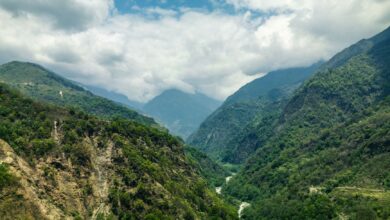
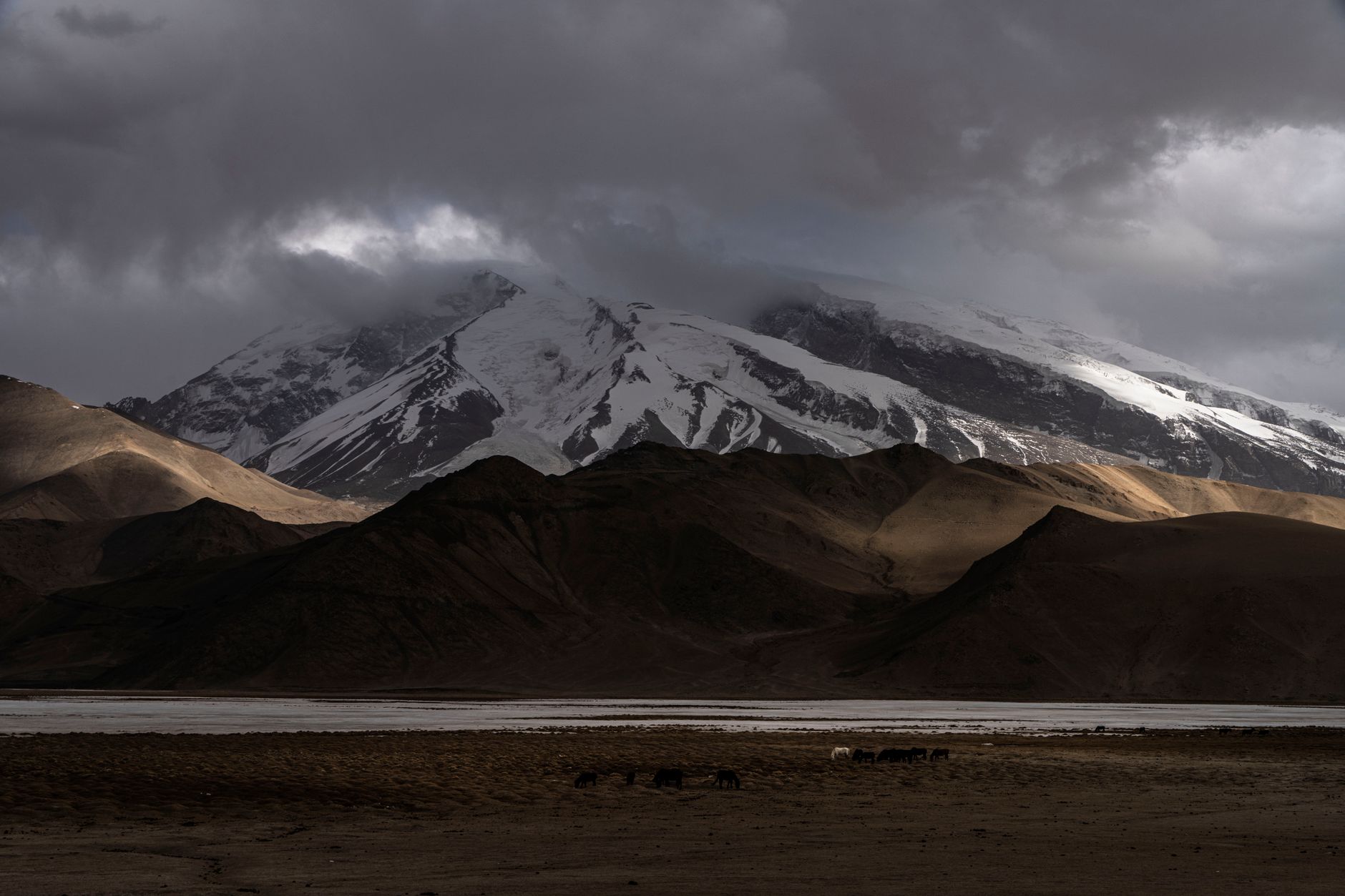
The Wakhan Corridor is a narrow strip of northeastern Tajikistan that stretches east like a finger pressed between Afghanistan to the south and the Pamir plateau to the north. Caravans moved through here along one of the Silk Road’s most dramatic passages, carrying silk, spices, and horses across terrain that still looks largely unchanged. The Hindu Kush rises to the south. The Pamirs press in from the north. Between them, the Panj River carves a valley so remote that mobile signal is essentially a rumor.
Trekkers who have done both the Kyrgyz circuits – Jeti-Oguz, Song-Kol, the Tian Shan trails above Karakol – and the Wakhan tend to describe the two experiences in starkly different emotional terms. Kyrgyzstan feels like a managed encounter with wilderness. The Wakhan feels like the wilderness isn’t managing anything for you. That difference is not a flaw. For a particular kind of traveler, it is the entire point.
The logistics alone communicate the gap. Kyrgyzstan has a functioning network of guesthouses, community-based tourism offices, and apps that connect visitors with nomadic families. The Wakhan has local guides, pack horses, and the occasional Pamiri homestay where the host family speaks no language you likely share. Communication happens through food, gesture, and the universal grammar of strong tea poured repeatedly until you beg off. This is not a destination for travelers who need a fallback option.
Access typically runs through Dushanbe, Tajikistan’s capital, followed by a long drive east along the M41 – the Pamir Highway – before turning south toward the corridor. The road deteriorates in ways that would qualify as scandal anywhere else and here count as normal. The journey to the village of Ishkashim, the usual gateway into the Wakhan, takes the better part of two days from Dushanbe even under good conditions. That distance is part of what keeps the corridor free of the crowds that now require advance booking on popular Kyrgyz routes.
What the Walking Actually Looks Like
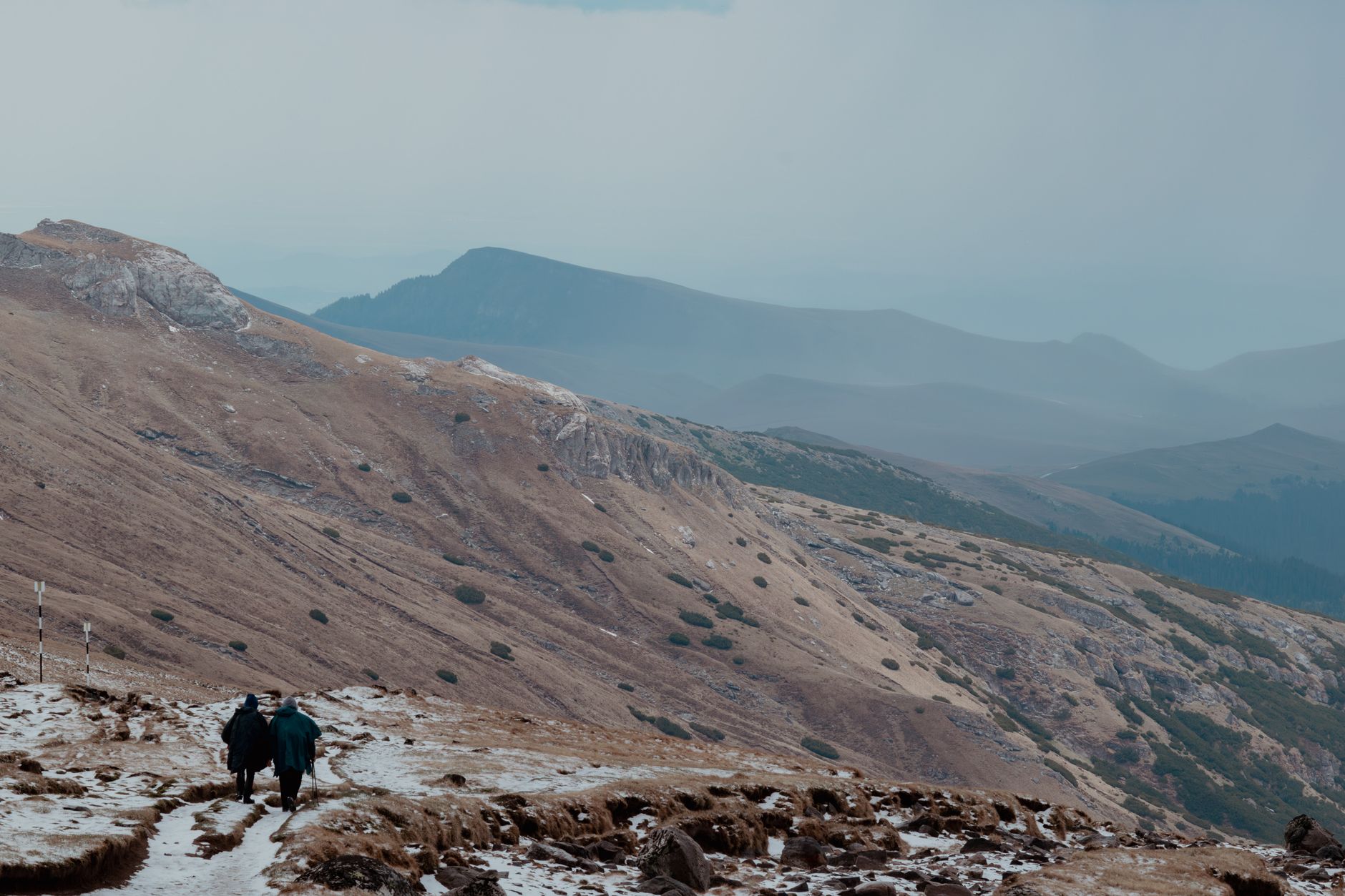
The standard Wakhan trek follows the Panj River valley east before branching into the higher plateau zones of the Pamirs. Villages appear at irregular intervals – Langar, Yamchun, Vrang – each one small enough that a stranger arriving on foot is a genuine event. Stone watchtowers from somewhere between the fifth and eighth centuries still stand above some settlements, looking less like ruins than like structures that simply stopped being used. This part of the world doesn’t perform its history. It just contains it.
The altitude is not forgiving. Most of the corridor sits above 3,000 meters, and the high passes push toward 5,000. Acclimatization is not optional and should not be rushed. The approach from Kyrgyzstan’s Osh, which some trekkers use as a staging point when crossing between the two countries, offers a gentler altitude gain – but even that route rewards patience. The thin air and the physical remoteness together create a particular kind of mental clarity that regular hikers often describe as the actual destination, with the views being the bonus.
Wildlife in the corridor is real and verifiable: Marco Polo sheep move through the high zones in large numbers, their spiraling horns visible from considerable distance. Snow leopards are present but rarely seen – trackers and guides report signs more often than sightings. Brown bears occupy lower elevations. The ecosystem here connects with Afghanistan across the Panj River, which means the conservation landscape is genuinely cross-border in ways that no single government fully controls. That complexity is, in ecological terms, probably what has protected the area.
Permits are required and should be arranged before departure from Dushanbe. The GBAO permit – for the Gorno-Badakhshan Autonomous Oblast – is a standard formality but a real one. Travelers who have shown up without it have been turned back at checkpoints. Beyond that, certain zones near the Afghan border require additional military clearance. A reputable local guide handles this paperwork as a matter of course, which is one of several strong reasons to hire one rather than attempt the corridor independently.
The best trekking window runs from late June through September. July and August offer the most reliable weather but also the highest chance of encountering other foreign visitors – a relative term, since “crowded” in the Wakhan might mean seeing another trekking party twice in a week. By September, nights drop sharply and the high passes start closing. October arrivals are possible but risk getting caught out by early snowfall, which in this terrain means genuinely stuck, not inconvenienced.
The Practical Gap Between Wanting to Go and Going
The honest reason Kyrgyzstan leads in visitor numbers is not that it offers a better experience – it’s that it offers a more accessible one. Infrastructure investment, English-language tourism materials, and a smoother visa process have made Kyrgyzstan the default Central Asian trekking destination for travelers who have maybe two weeks and don’t want their itinerary to depend on a vehicle that may or may not start. The Wakhan asks more. It asks for longer, for flexibility, for a working relationship with uncertainty. The reward scales accordingly.
Tajikistan’s broader tourism sector has been growing quietly for years, and the government has signaled interest in developing infrastructure along the Pamir corridor – but movement has been slow, and the Wakhan specifically remains largely outside that development push. Whether that changes will determine a great deal about what kind of destination this remains. Right now, a traveler who makes it to the upper Wakhan in August might spend three consecutive nights in the same valley without seeing another outsider. That condition is not guaranteed to last.