
The Archipelago That Zanzibar’s Tour Operators Hope You Never Discover
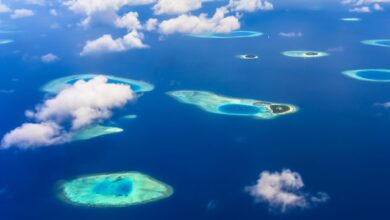
Stretching along the northern coast of Mozambique, the Quirimbas Archipelago is a chain of 32 coral islands sitting inside one of the largest marine protected areas in Africa. The diving here is not a secret among serious underwater travelers – it has been quietly discussed on dive forums and in liveaboard circles for years. But it has never attracted the charter flights, the Instagram crowds, or the inflated lodge prices that have reshaped Zanzibar’s underwater tourism. That gap is exactly what makes it worth talking about now.
Zanzibar earns its reputation. The reefs around Mnemba Atoll are genuinely world-class, the logistics are easy, and the infrastructure is mature enough to accommodate every level of diver. But maturity in travel often means crowds, and Zanzibar’s most celebrated dive sites have begun to show the strain – boat congestion at peak sites, reef degradation from anchor damage, and the particular frustration of sharing a manta ray sighting with a dozen other wetsuits. The Quirimbas offers a different arrangement entirely.
What the Reefs Actually Look Like
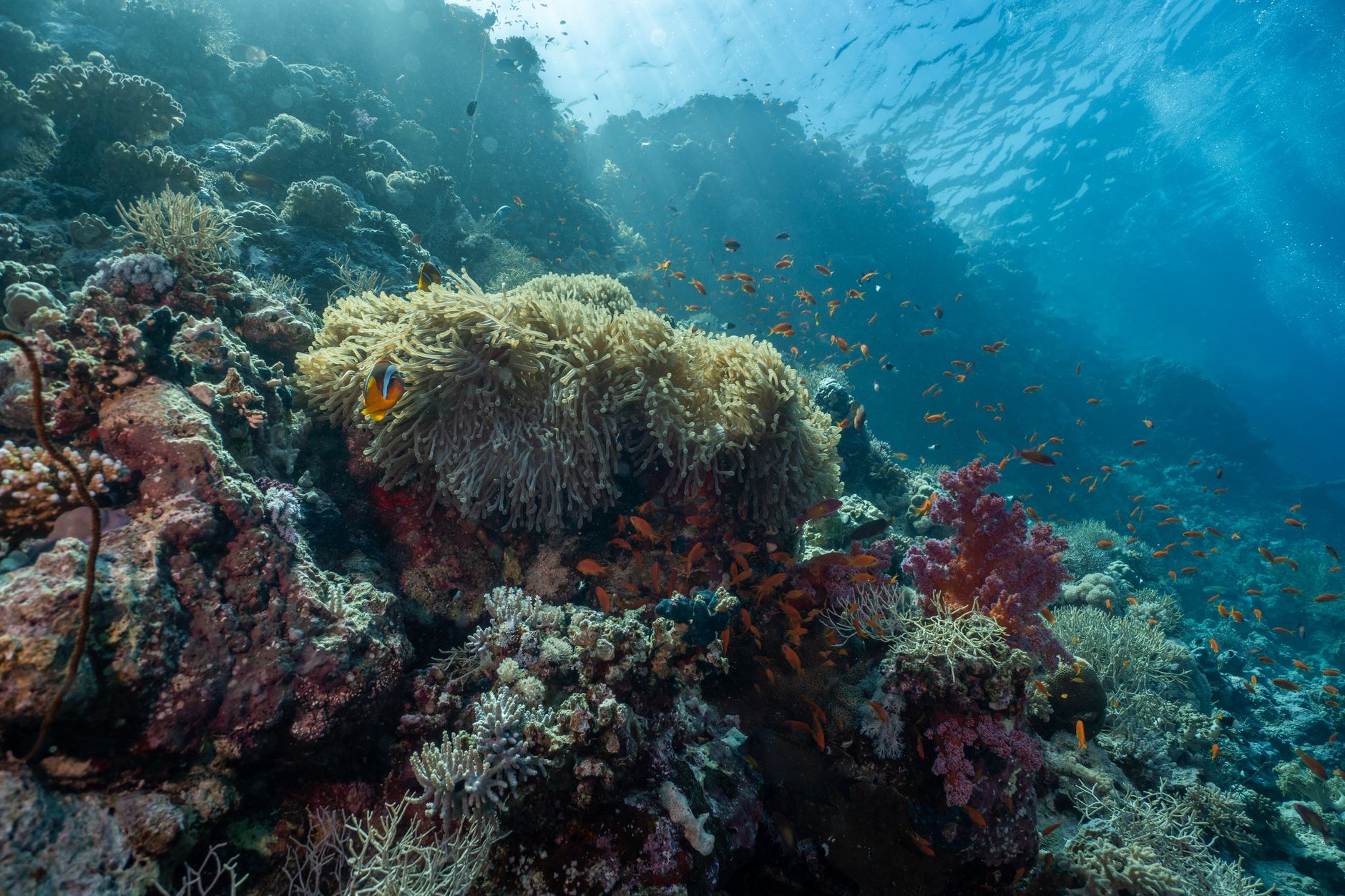
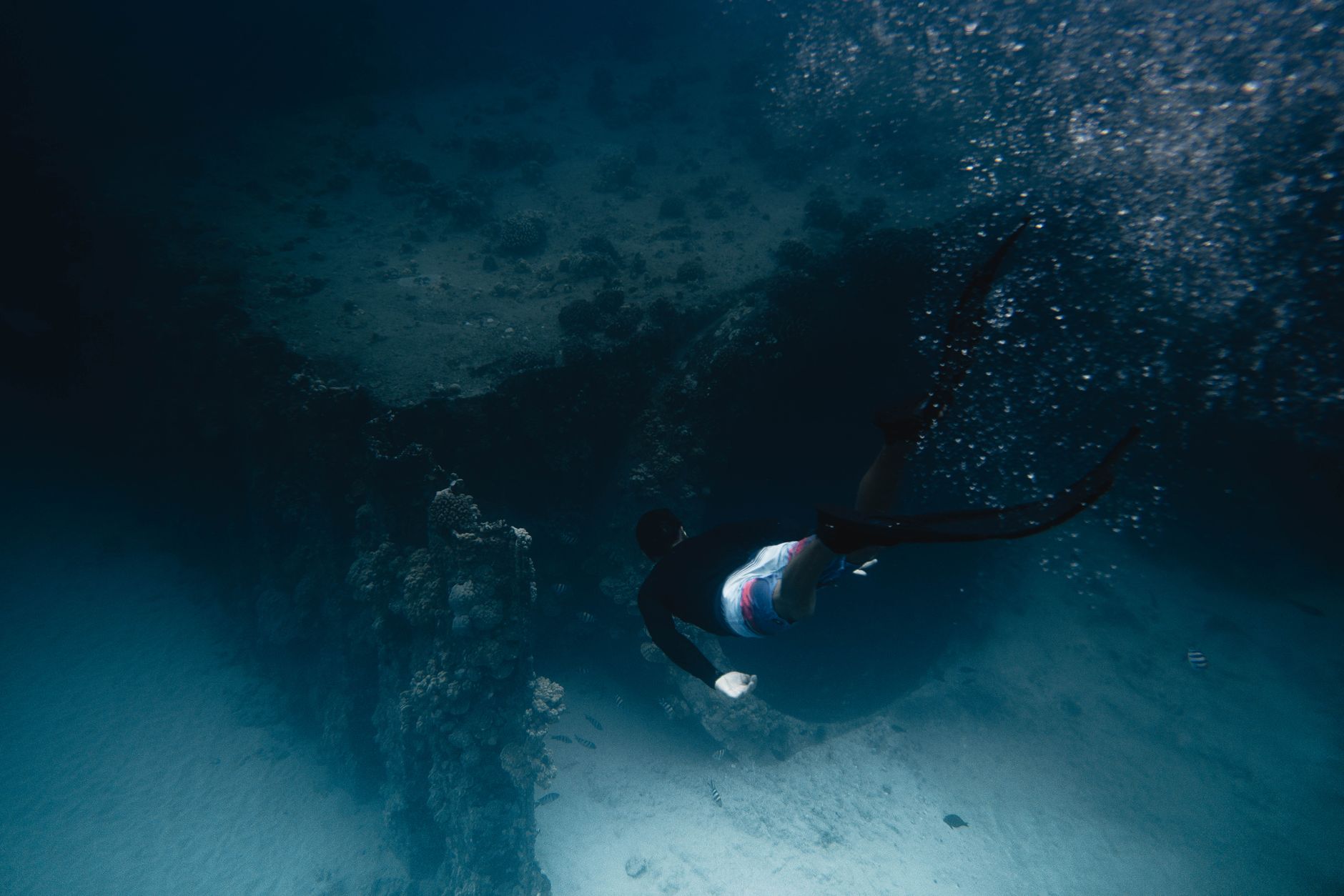
The marine environment in the Quirimbas is anchored by the Quirimbas National Park, which covers roughly 7,500 square kilometers of ocean and coastline. Inside that protected zone, the coral formations are largely intact – hard corals in particular have not experienced the blanching cycles that have hit more trafficked Indian Ocean destinations as severely. Visibility frequently exceeds 25 meters in the dry season, and the currents that sweep through the channels between islands bring nutrient-rich water that sustains a food chain dense enough to attract large pelagic species year-round.
Whale sharks pass through on a reliable seasonal schedule, typically between October and February, following the same warm current patterns they trace across much of the western Indian Ocean. Humpback whales move through between July and October, and in-water encounters – not just surface sightings – are reported with enough frequency to be a genuine draw rather than a marketing promise. Manta rays aggregate around several of the southern islands, and the cleaning stations are active enough that patient divers can watch multiple mantas working through a single session.
The reef fish density is striking. Because fishing pressure inside the national park is controlled and community-managed, the biomass has had time to rebuild in ways that are visibly apparent to anyone who has dived over-fished reefs elsewhere. Schools of bumphead parrotfish still exist here in numbers that have vanished from most of East Africa’s coastline. That alone positions the Quirimbas as something more than a substitute for Zanzibar – in certain measurable ways, it is ahead.
Wrecks add another dimension. Several older vessels sit at recreational diving depths around Ibo Island, the archipelago’s historic center, and they have colonized well enough to qualify as proper reef structures rather than bare hulls. Night diving in the shallows around the mangrove edges produces an entirely different inventory – nudibranchs, cuttlefish, and juvenile species using the root systems as nursery habitat.
Getting There Without a Headache
Logistics are the honest friction point. Mozambique does not have Zanzibar’s flight connections, and reaching the Quirimbas requires either a connection through Pemba – the northern coastal city with a small international airport – or a charter flight from Maputo or Dar es Salaam. The journey is longer and more expensive than flying into Zanzibar Stone Town, and that barrier has kept the archipelago off the radar of casual beach travelers. For divers specifically, though, the calculus is different. The extra cost of getting there is absorbed quickly when you factor in what you are not paying for: the premium markups on dive packages that come standard at Zanzibar’s busiest resorts.
A small number of safari-style lodges operate on private islands within the archipelago, and most of them run their own dive operations. Some are boutique enough that dive groups remain genuinely small – sometimes three or four people on a boat rather than the dozen or more that crowd onto boats at popular Zanzibari sites. That ratio changes the quality of the dive in ways that are hard to overstate.
The Conservation Context That Matters
The Quirimbas National Park operates a community co-management structure that ties local fishing villages directly into the protection of the marine zone. This is not incidental to the diving experience – it is the reason the reefs are in the condition they are in. Local rangers trained through the park system monitor the boundaries, and tourism revenue is structured to flow back into village economies, which gives communities a direct financial interest in keeping the reefs healthy. When divers choose the Quirimbas, they are participating in a funding mechanism that has a track record of working.
That model stands in contrast to some of the more complicated conservation dynamics playing out around Zanzibar, where tourism growth has outpaced reef management in certain areas and where the relationship between local communities and international lodge operators has not always been straightforward. Africa’s coastal conservation story is uneven, and the Quirimbas is one of the places where the structure is currently working in the reef’s favor. Divers who care about that distinction increasingly seek it out – much the way safari travelers have begun looking past Botswana’s most famous concessions toward quieter, community-connected alternatives like Zambia’s Lower Zambezi.
The Window Before It Changes
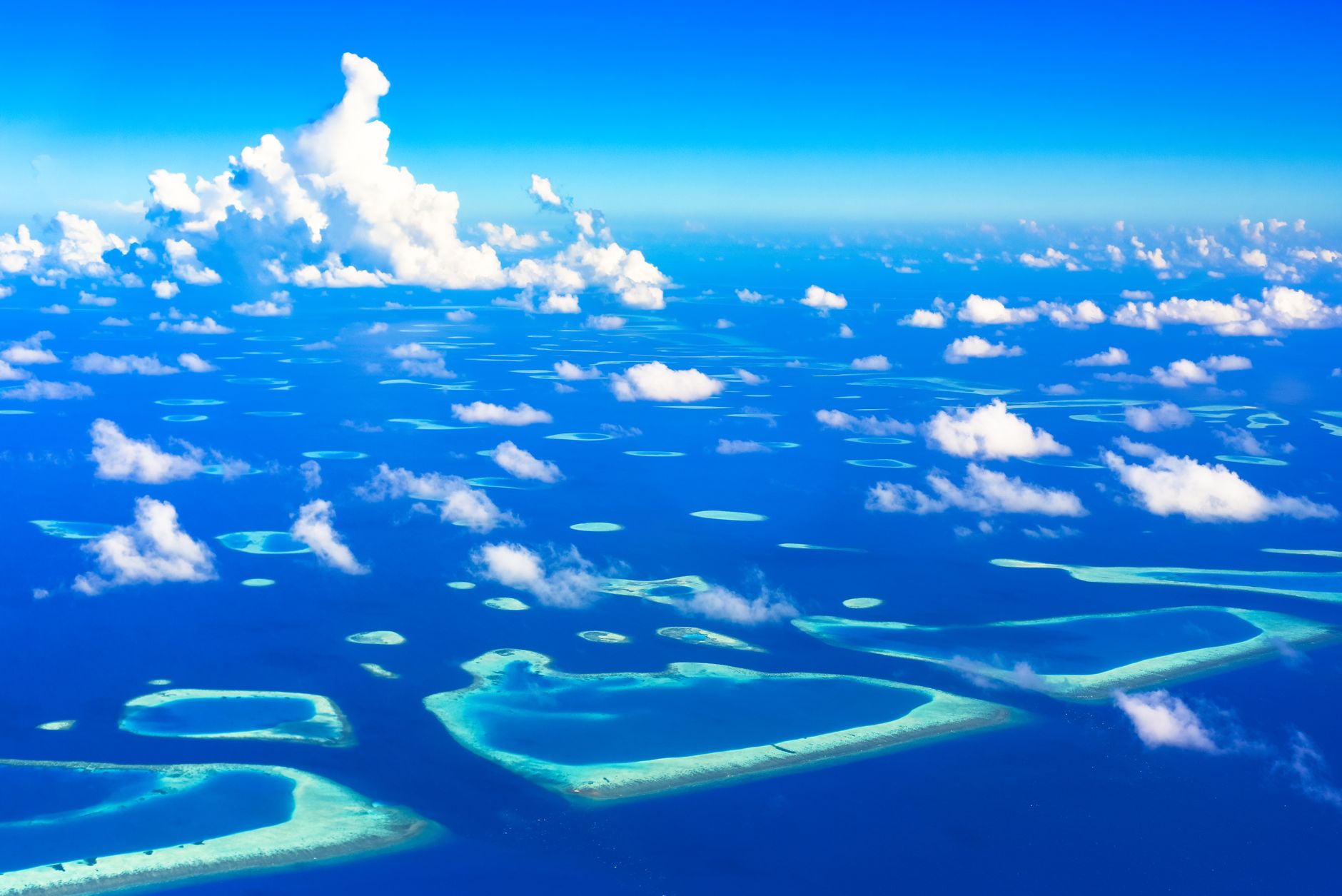
The Quirimbas will not stay under the radar indefinitely. New lodge developments are in various stages of planning along the northern islands, and the region has attracted interest from high-end operators who have watched the Maldives model – low volume, high spend, controlled access – and see potential for replication. When that infrastructure arrives at scale, the pricing will go up and the exclusivity will be marketed rather than accidental.
The dry season runs from May through October, which is the primary diving window. Water temperatures stay comfortable for most wetsuits in the 3mm range during that period, and the reduced rainfall keeps visibility at its clearest. October sits at the tail end of the season and offers the overlap of good visibility with the beginning of the whale shark influx – a scheduling detail that experienced divers in the region have noted as the optimal entry point.
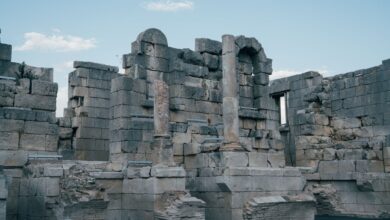
Ibo Island, the archipelago’s most historically layered stop, adds an overland dimension that Zanzibar’s dive-focused itineraries rarely match. The Portuguese-era fort, the silver jewelry workshops still operated by local craftspeople, and the network of mangrove channels navigable by dhow at high tide give non-diving travel companions enough to fill days without feeling stranded on a resort island. That is not a minor point for the growing number of travelers who want diving at the center of a trip rather than as the whole of it.
Frequently Asked Questions
When is the best time to dive the Quirimbas Archipelago?
The dry season from May to October offers the clearest visibility. October is particularly well-timed, combining good conditions with the start of the whale shark season.
How do you get to the Quirimbas Archipelago?
Most travelers fly into Pemba from Maputo or Dar es Salaam, then take a charter flight or boat transfer to the islands. Some lodges arrange the full transfer from Pemba.