
Where the Lake Itself Is the Destination
Bagan gets the international headlines – thousands of ancient temples rising from a dusty plain, hot air balloons at sunrise, a visual spectacle that photographs like a dream. But travelers who make the longer journey south to Inle Lake, tucked inside the Shan Hills at roughly 2,900 feet above sea level, tend to go quiet when they try to describe it. Not because there’s nothing to say, but because the lake operates on a logic that’s hard to summarize. Life here doesn’t happen beside the water. It happens on it.
Inle Lake stretches about 14 miles long and 7 miles wide, but its physical dimensions miss the point. The point is the floating villages, the garden beds anchored to the lake floor, the fishermen who row with one leg wrapped around an oar to keep both hands free for their nets. These aren’t performances staged for visitors. They’re systems that have functioned for generations among the Intha people, and they continue whether a tourist is watching or not. That self-sufficiency is exactly what draws a certain kind of traveler away from Bagan’s more polished monument circuit.
The Floating Architecture Worth Seeing Up Close
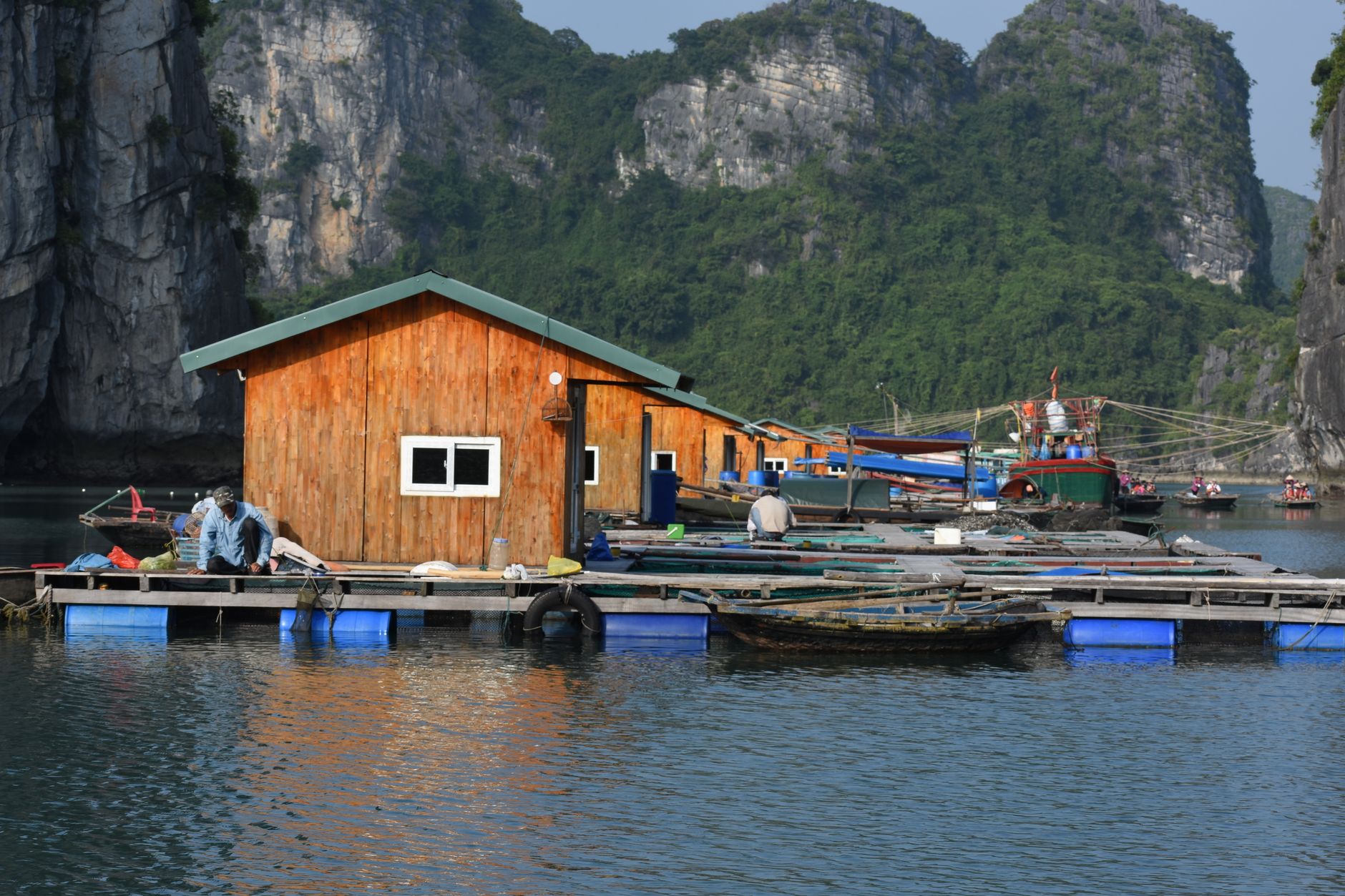
The Intha villages on Inle Lake are built entirely over water on stilts, with wooden walkways connecting homes, monasteries, market stalls, and workshops. The largest of these settlements – places like Ywama and Nampan – function as small towns, with schools, temples, and mechanics all operating on platforms above the water. A long-tail motorboat ride through these channels at low speed feels less like tourism and more like passing through a working neighborhood, which is essentially what it is.
The lake’s floating gardens are a separate spectacle entirely. Called yae u inn in the local language, these narrow strips of vegetation are created by binding aquatic weeds and lake-bed sediment together, then anchoring them with bamboo poles driven into the lakebed. The gardens drift slightly with the water, but stay roughly in place, and they produce tomatoes, cucumbers, flowers, and other crops year-round. Walking through the garden rows by boat during morning harvest hours – when mist still sits on the water and the light comes in low from the east – is the kind of scene that doesn’t require any architectural history to appreciate. It simply works as a visual experience.
Scattered across the lake are several monasteries that can only be reached by water. Nga Phe Kyaung, known locally as the Jumping Cat Monastery for a tradition that reportedly died out years ago, sits on stilts at the lake’s edge and holds a collection of Buddha images spanning multiple centuries and styles. The monastery itself is less polished than the pagodas at Bagan, which is part of its appeal – the wooden structure has aged in ways that feel honest rather than restored. Phaunggyi Pagoda, a complex of stupas partially submerged during high water season, creates an image that looks almost impossible: stone spires rising directly from the lake’s surface with no visible foundation.
Markets on Inle Lake rotate between villages on a five-day cycle, meaning the location changes depending on when you arrive. This rotating market system has operated for well over a century, originally developed so that vendors and buyers from different villages could trade without everyone converging on one place daily. Today those markets still function as genuine trade hubs – not craft fairs aimed at visitors, but actual commerce involving fresh produce, live animals, medicinal plants, and hardware. Showing up on the right day at the right village requires planning, but produces the kind of unscripted interaction that itinerary-heavy tours rarely allow.
Getting There and Getting Around
Reaching Inle Lake takes more effort than flying directly into Mandalay for Bagan. Most travelers fly into Heho Airport, the nearest airstrip, which handles domestic routes from Yangon and Mandalay. From Heho, the road to Nyaung Shwe – the gateway town at the lake’s northern tip – takes roughly 45 minutes by shared taxi or private car. Nyaung Shwe is the base of operations for most visitors, a small town with guesthouses, restaurants, and boat rental operations lining the canal that feeds into the lake proper.
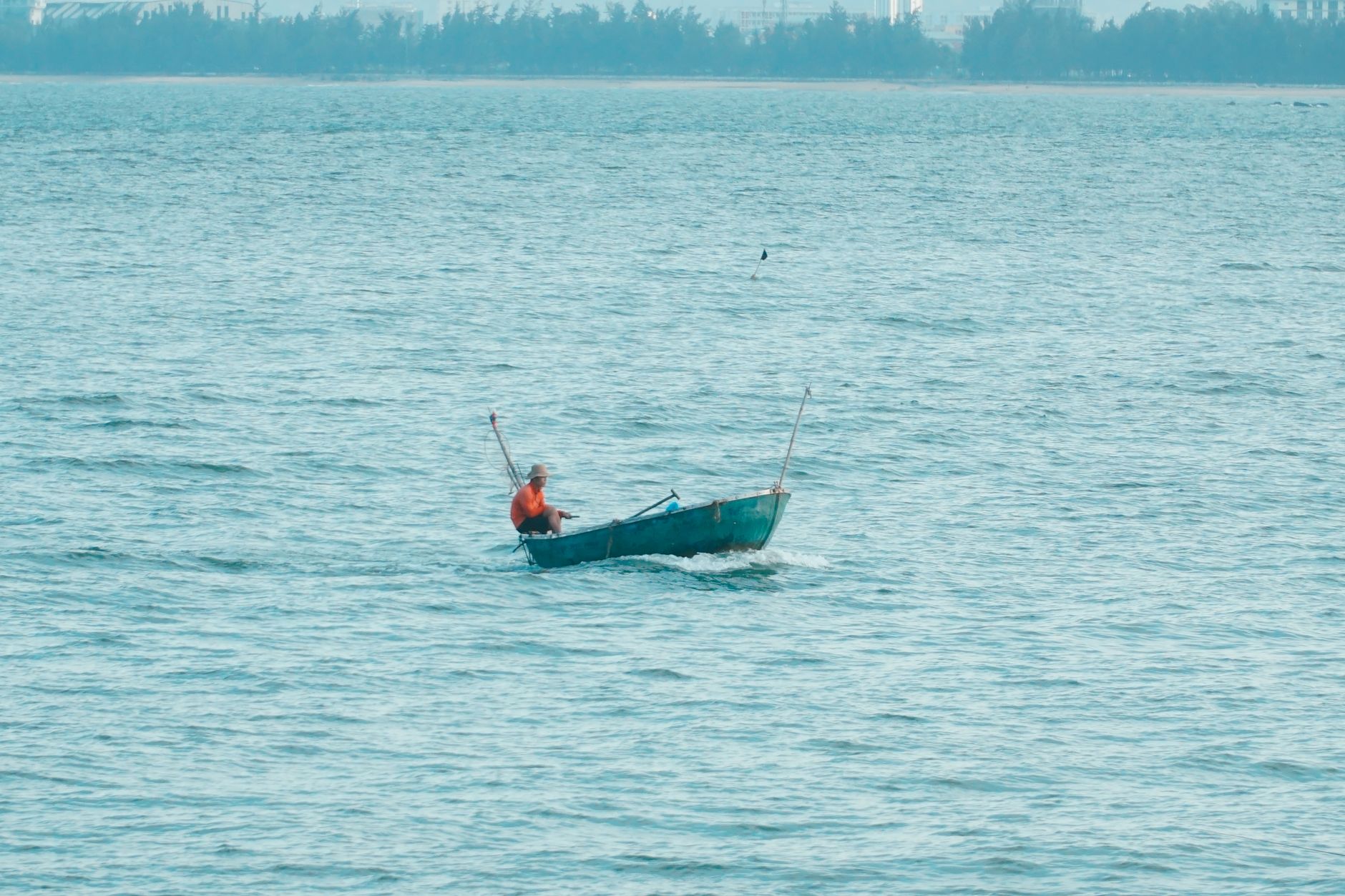
Boat hire is the only practical way to see the lake itself. Full-day boat charters are available directly at the canal docks and cover most of the main points of interest – the floating gardens, village markets, silver and weaving workshops, and the main monastery sites. Half-day charters work for visitors who want to focus on one section rather than covering the whole lake. Cycling around the lake’s eastern shore road is possible for a different perspective, though the road surface varies and some sections are better suited to mountain bikes than standard rental bikes available in town.
What Actually Sets It Apart From Bagan
Bagan offers one of the densest concentrations of Buddhist monuments anywhere in Southeast Asia, and the experience of moving through that landscape – on a rented e-bike at dawn, stopping at lesser-visited temples where you might be the only person inside – is genuinely difficult to replicate. Inle Lake offers something different: a living system rather than a preserved one. The comparison that travelers most often reach for is Venice, which does the lake a disservice because the scale and material culture here have nothing in common with Venice beyond the basic fact of water as a street.
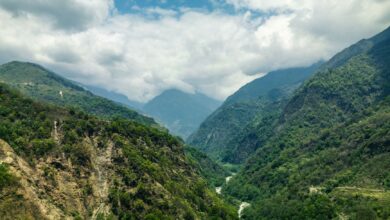
What Inle Lake has over Bagan, practically speaking, is temperature and pace. Sitting at elevation in the Shan Hills, the lake area runs significantly cooler than the central plains around Bagan, which can hit brutal highs during the dry season months of March and April. The cooler air makes extended boat travel comfortable rather than punishing. The pace of a day on the water – slow enough to watch a fisherman complete his full casting sequence, slow enough to notice the different colors of sediment in the garden rows – suits travelers who want to observe rather than tick boxes.
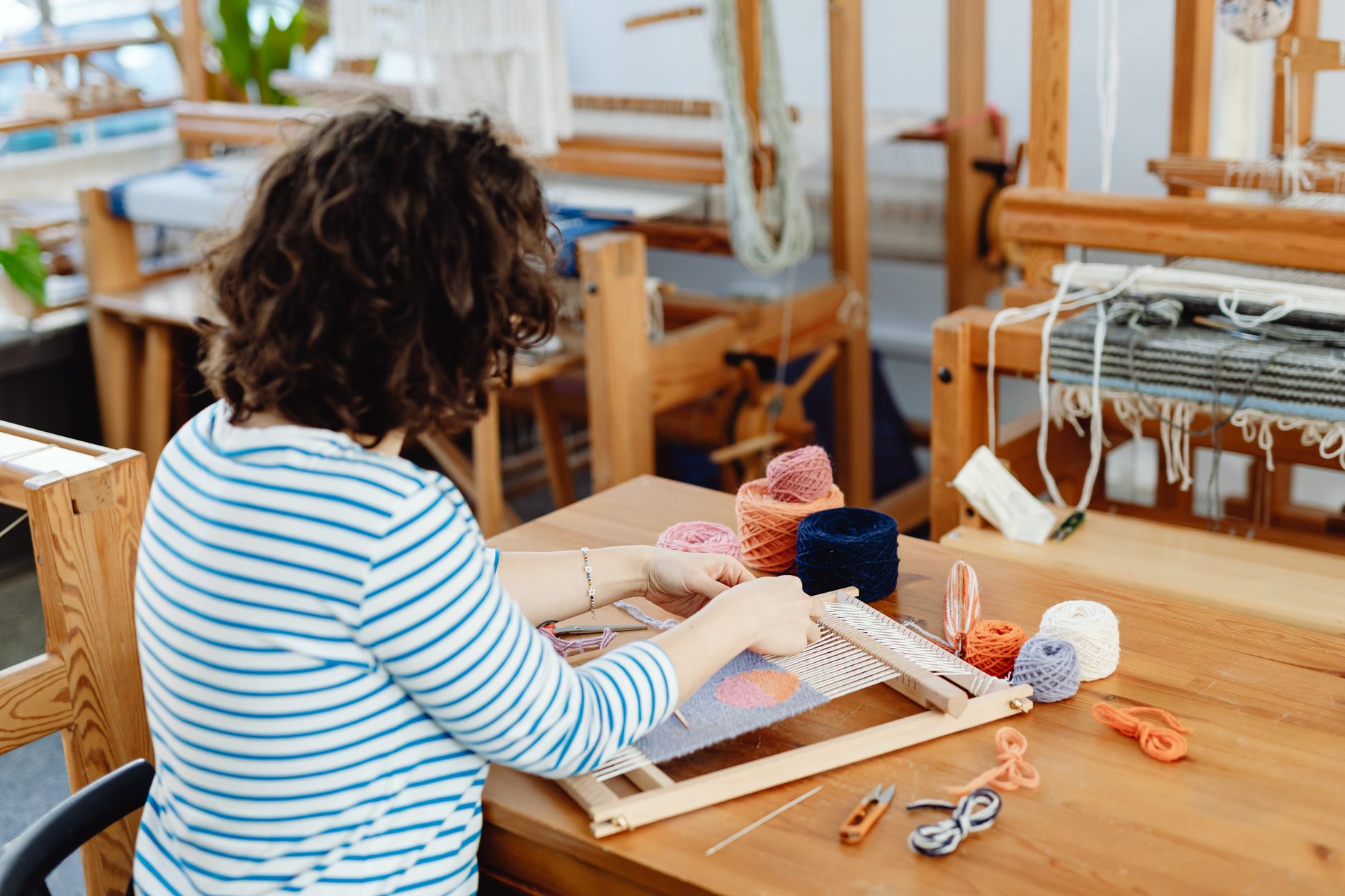
The silk and lotus-fiber weaving workshops near Inpawkhon village represent a craft tradition specific to this region. Lotus-fiber weaving, which involves extracting thread from the stems of lotus plants grown in the lake, produces a fabric with a texture unlike cotton or silk – slightly rough, light in weight, and extremely expensive given the labor involved. A single lotus-fiber longyi (the traditional wrapped skirt worn across Myanmar) can take several weeks to produce. The fabric doesn’t travel well as a mass market souvenir, which has kept the workshops small and the craft relatively intact. Whether that holds as lake tourism grows is the question the weavers themselves haven’t answered yet.
Frequently Asked Questions
When is the best time to visit Inle Lake?
October through February offers the most pleasant weather – cool, dry, and clear. March and April bring heat and haze, while the monsoon season from June to September can make boat travel unpredictable.
How many days do you need at Inle Lake?
Two full days covers the main sites comfortably. Three days allows for a slower pace and the chance to time a visit around the rotating five-day market cycle.