Myanmar’s Inle Lake Quietly Rivals Halong Bay for Floating Village Seekers

The Other Floating World
Halong Bay owns the conversation. Its limestone karsts, UNESCO badge, and glossy cruise brochures have made it a shorthand for Southeast Asian water travel – the kind of destination that books out months in advance and fills social feeds with nearly identical sunrise shots. But a few thousand miles west, in the Shan State of Myanmar, a lake sits at 2,900 feet above sea level and quietly does everything Halong Bay promises, with a fraction of the crowds and a living culture that hasn’t been packaged for mass consumption.
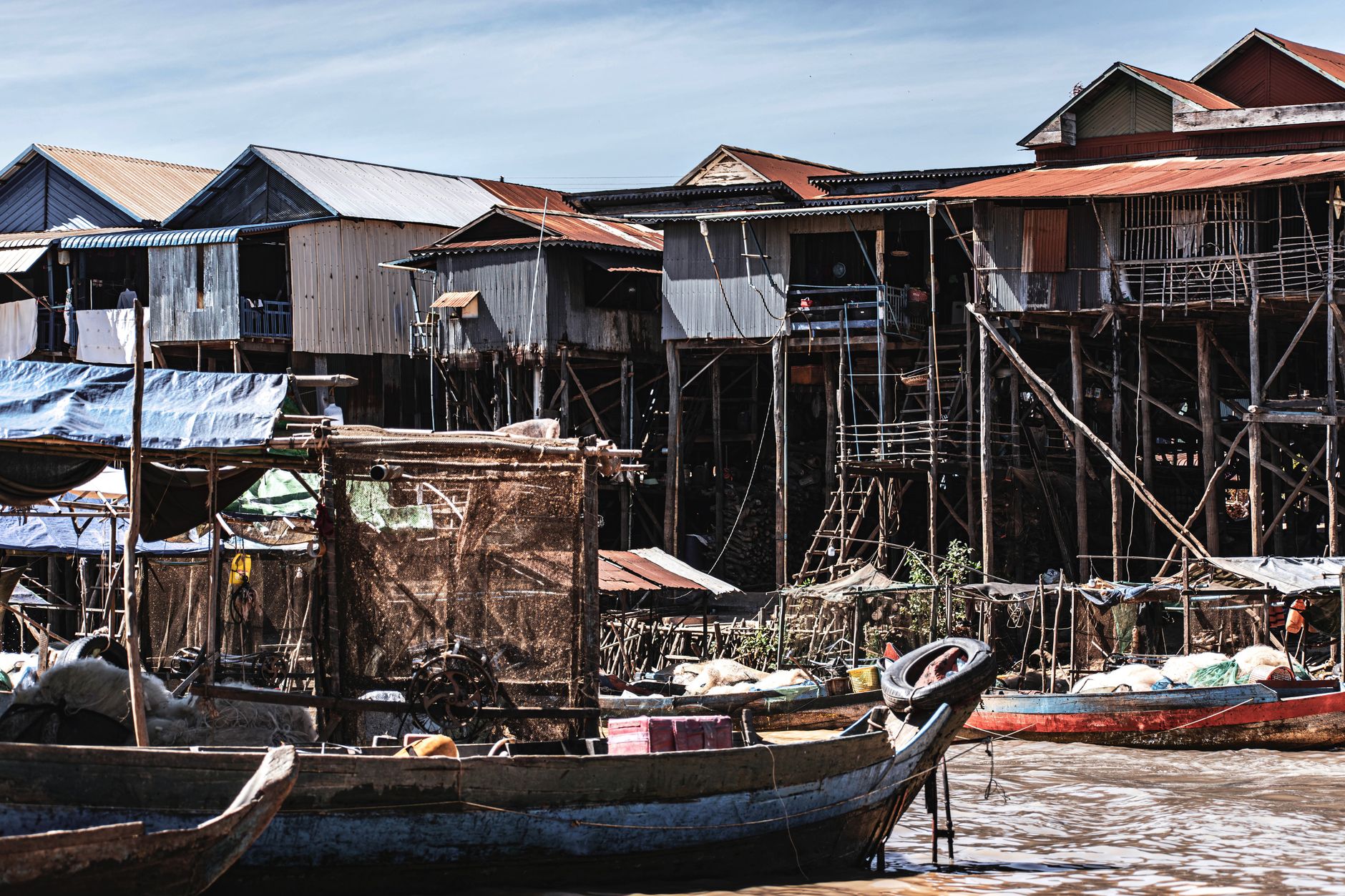
Inle Lake spans roughly 45 square miles of shallow, reed-fringed water, home to the Intha people, who have spent generations building their lives directly on the lake’s surface. Houses on stilts, gardens that float on rafts of compressed weeds, and fishermen who row their wooden boats with one leg wrapped around the oar – it’s not a performance staged for tourists. It’s simply how things work here.
The floating villages of Inle don’t look like anyone’s idea of a resort destination.
What Makes Inle Different From the Usual Water Destination
Most water-based destinations in Southeast Asia offer a version of the same thing: you look at the scenery from a boat and the scenery looks back at you. Inle inverts that entirely. The villages aren’t on the shore – they are the lake. Walking through Ywama or Maing Thauk means stepping from one wooden plank walkway to another, ducking into workshops where weavers work with lotus fiber pulled from stalks harvested right off the water, and stopping at a market that floats on specific days on a rotating five-day cycle across different parts of the lake.
The floating gardens, called yeitta, are agricultural engineering that dates back centuries. Farmers anchor strips of aquatic vegetation and lake mud to the shallow bottom, then build up layers until they’ve created narrow raised plots. Tomatoes, beans, cucumbers, and flowers grow in soil that technically bobs on water. Long-tail boats move through the gaps between rows, ferrying produce to morning markets. The whole system is part irrigation, part farmland, part highway network – and it works with a logic that becomes obvious the moment you see it up close.
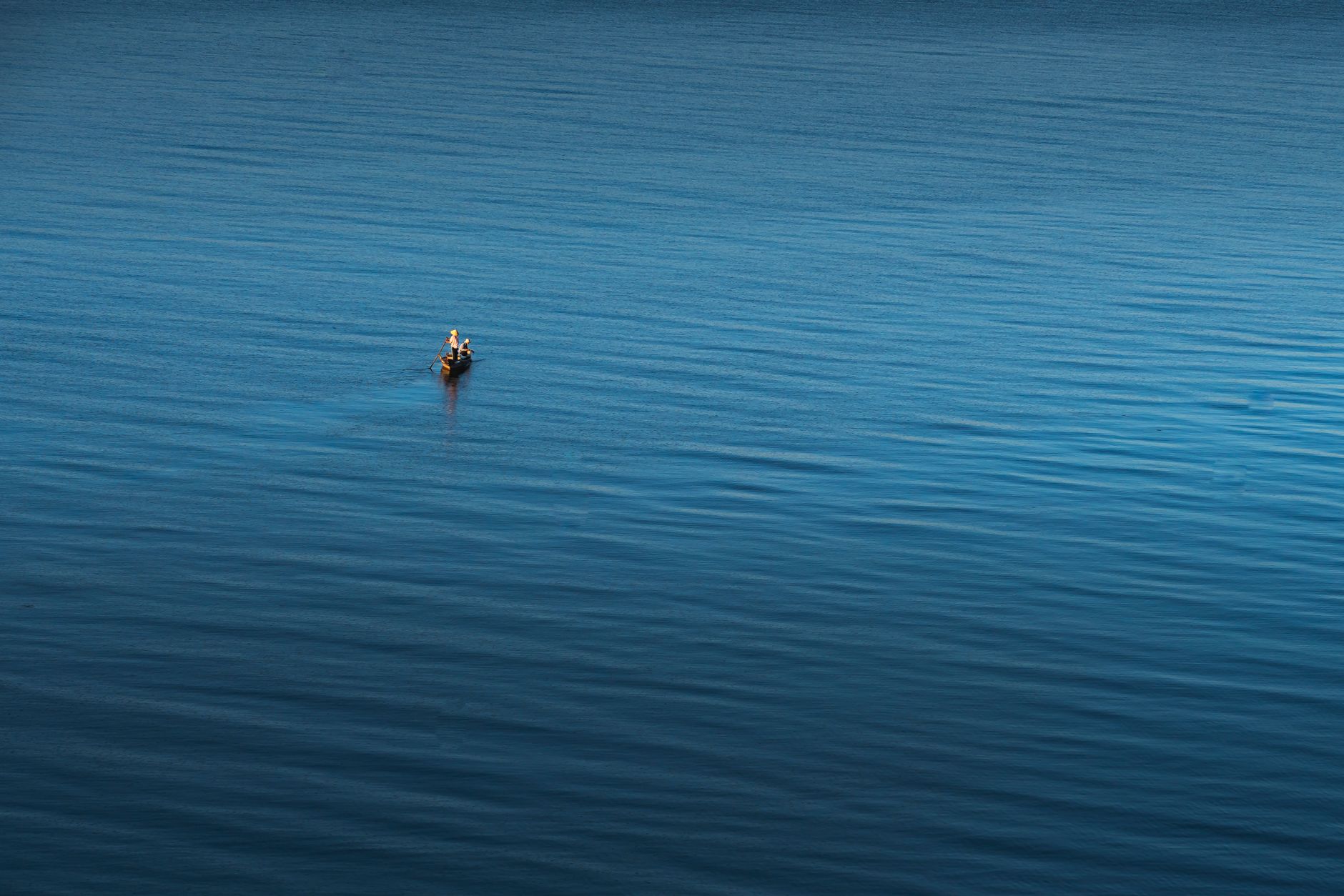
The leg-rowing technique of the Intha fishermen gets photographed constantly, but its practical origin is more interesting than the image. The lake is shallow and heavily vegetated, and standing on the stern while rowing with a leg frees both hands for managing a conical net or fishing trap. It’s not tradition maintained for aesthetics – it solves a problem specific to this exact body of water. That kind of purpose-built adaptation runs through almost everything at Inle, and it’s what separates the experience from destinations where culture has been flattened into performance.
Planning a Visit: What Travelers Actually Need to Know
Nyaungshwe is the main town on the lake’s northern edge and the base for most visitors. It’s functional rather than charming – guesthouses, restaurants serving Shan noodles, and bike rental shops line the main streets. From Nyaungshwe, a canal leads south into the lake, and most guesthouses can arrange a full day by boat for a negotiable rate. The standard route hits Phaung Daw Oo Pagoda, the jumping cat monastery (the cats no longer actually jump, despite what some brochures still claim), a lotus weaving workshop, a silversmith, and one of the floating garden sections. It covers the highlights but moves fast.
A better approach is two full days on the water with a guide who speaks enough English to explain what you’re actually looking at. The five-day rotating market is worth planning around specifically – it draws vendors and buyers from villages across the whole lake and creates a density of activity that shows the lake as a working economy, not a museum display. The dry season, roughly November through February, brings the clearest skies and calmest water. The rainy season raises water levels and changes the character of the lake significantly, with some paths and lower structures partially submerged – a different experience, but not necessarily worse for travelers who prefer fewer visitors around them.
Reaching Inle requires either a flight into Heho Airport from Yangon or Mandalay, followed by a short drive to Nyaungshwe, or an overnight bus from Mandalay that takes considerably longer but costs a fraction of the airfare. Travel conditions in Myanmar have been complicated by political instability since 2021, and checking current advisories from your home country’s foreign affairs department before booking is not optional. Some areas remain accessible and have continued to receive travelers; others have not. The situation is specific to region and timing, which makes advance research more important here than at most other destinations in the region.
The Question No One Asks at Halong Bay
Halong Bay is extraordinary – but the version most travelers experience is mediated through cruise decks, activity schedules, and a well-worn loop that delivers a reliable product. Inle Lake, by contrast, still requires some tolerance for ambiguity, some willingness to follow a floating market to wherever it happens to be that day. That gap between the two isn’t a reason to dismiss either – but for travelers who came to Southeast Asia looking for water culture and ended up standing in a queue for a kayak tour, it’s worth knowing that the other option exists, runs on its own logic, and has been doing so long before anyone put it on a bucket list.
Frequently Asked Questions
Is Inle Lake safe to visit right now?
Travel conditions in Myanmar vary by region following political instability since 2021. Check your government’s current travel advisory before booking, as some areas around Inle have remained accessible while others have not.
What is the best time of year to visit Inle Lake?
November through February offers the clearest skies and calmest water. The rainy season raises water levels and draws fewer tourists, which suits some travelers who prefer a quieter experience.
How do you get to Inle Lake?
The quickest route is a flight into Heho Airport from Yangon or Mandalay, then a short drive to Nyaungshwe. Overnight buses from Mandalay are a cheaper but significantly longer alternative.