
One of Africa’s Last True Wildernesses Is Cracking Open – Just Slightly
Namibia’s Skeleton Coast has long existed in the imagination of serious travelers as the place you read about but never actually go. A 500-kilometer stretch of Atlantic shoreline where desert meets ocean in a permanent cold fog, where shipwrecks outnumber human settlements, and where the Namibian government has historically kept visitor access tightly locked. That access is now changing – carefully, deliberately, and on terms set almost entirely by conservation authorities.
What Is Actually Opening and Why It Matters
The northern section of Skeleton Coast National Park, known as the Wilderness Area, has for decades been accessible only through a single licensed concession operator running fly-in safaris at prices well above what most adventure travelers can absorb. The new framework, introduced through Namibia’s Ministry of Environment, Forestry and Tourism, allows a small number of additional operators to apply for permits to run guided expeditions in defined corridors of the park – ground-based itineraries of up to eight participants that move through the landscape rather than staying fixed in one lodge.
This is not mass tourism arriving at a fragile coast. The permit system caps the total number of active expeditions at any given time, and each licensed operator must demonstrate a conservation management plan before entry is approved. The restrictions are dense enough that many operators who inquired have reportedly walked away from the application process. The ones who stay are, by design, the ones willing to operate on the park’s terms rather than the other way around.
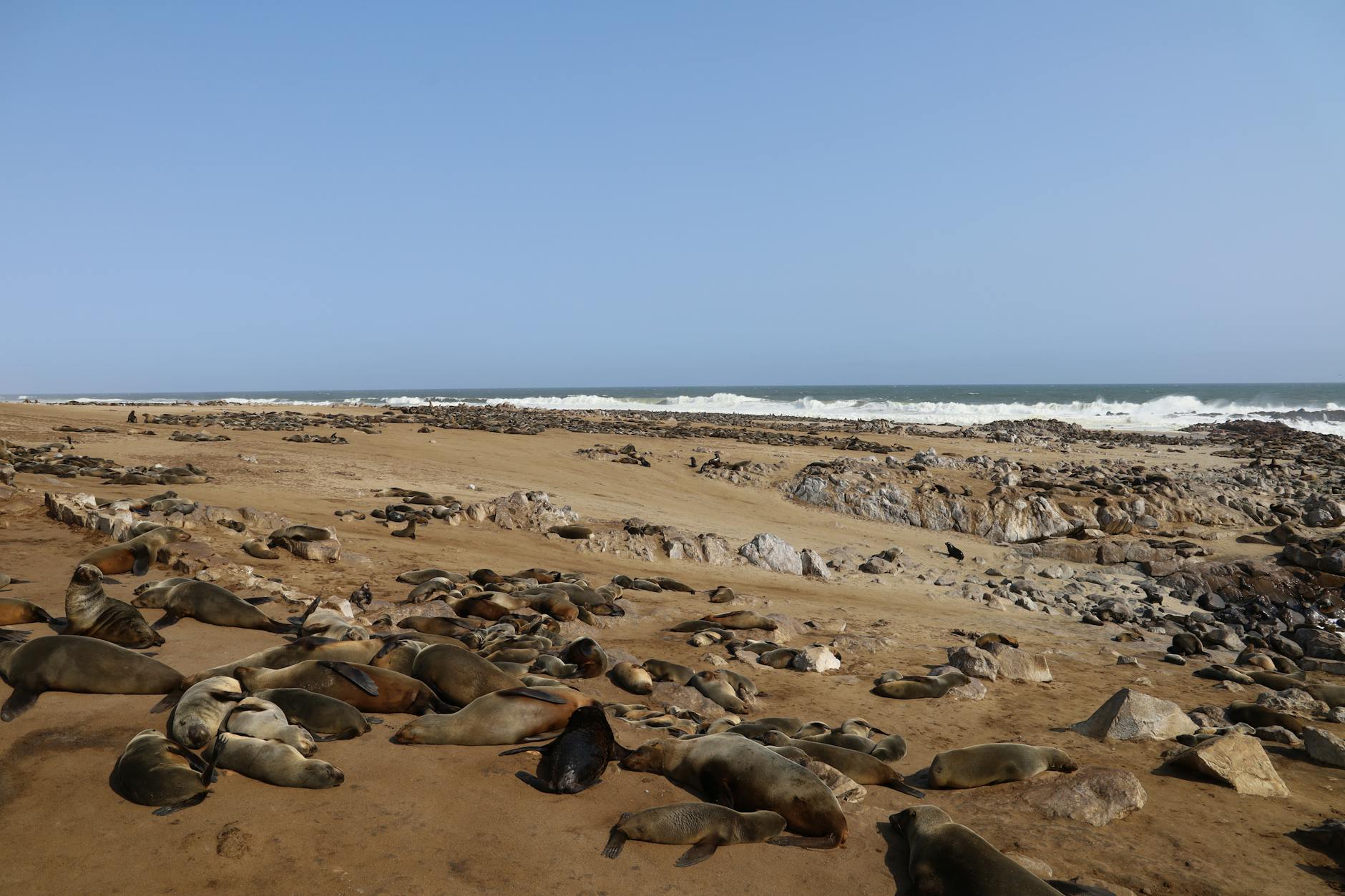
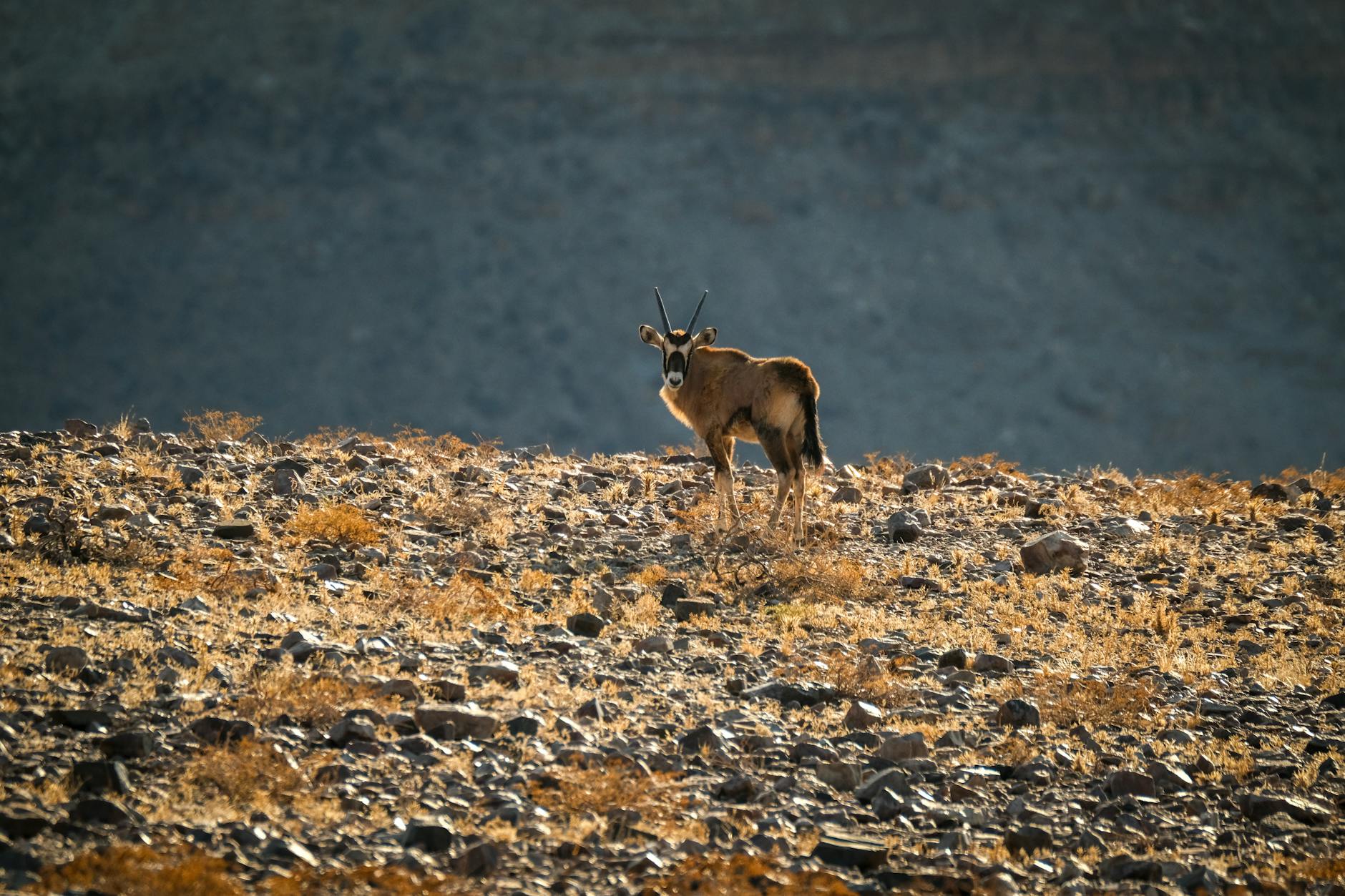
The Skeleton Coast gets its name from the whale and seal bones that once littered the shoreline from the industrial hunting era, though Portuguese sailors called it “The Gates of Hell” for its navigational dangers. Today the northern wilderness section contains lion prides that hunt Cape fur seals on the beach, desert-adapted elephants that travel enormous distances between water sources, and brown hyena populations that have never been significantly studied because the access barriers have been so high. Small-group expeditions with trained guides represent the first real opportunity to observe these ecosystems in motion without the distortion of a permanent tourist camp nearby.
The timing is deliberate on the government’s part. Namibia has watched other African wilderness destinations lose their defining qualities to incremental development, and the Skeleton Coast has been held up internally as a test case for whether conservation-first access can generate enough tourism revenue to justify the land’s protection without compromising what makes it worth protecting. The early permit framework is essentially that experiment running in real time.
What Travelers Should Expect on the Ground
These are not comfortable trips in the conventional safari sense. The Skeleton Coast offers almost none of the amenities that make game reserves in the Okavango or the Serengeti accessible to first-time wildlife tourists. Mobile camps are stripped down by design – lightweight enough to leave no trace, positioned to minimize ecological disturbance rather than maximize guest comfort. Nights are cold even in summer because the Benguela Current pushes cold water up from the South Atlantic, generating the coastal fog that defines the entire ecosystem and keeping temperatures well below what most people associate with sub-Saharan Africa.
The wildlife encounters are genuinely different from anything in the more established safari circuits. Desert-adapted lions here have developed hunting behaviors not documented elsewhere – the seal colonies at Cape Fria and surrounding areas create a concentrated food source that has pushed these animals into behavioral patterns that researchers are still working to understand. Watching a lion hunt on a beach at low tide, with Atlantic surf in the background, is not something that exists in any other safari context on the continent.
Guides operating under the new permit system are required to hold specialized wilderness first aid certification, and at least one member of each expedition group must carry a satellite communication device. These are not precautionary bureaucratic requirements – the nearest medical facility to the northern wilderness area is hours away by small aircraft, and the terrain between access points offers no reliable road evacuation. The Skeleton Coast demands a specific kind of physical and psychological readiness that responsible operators will make very clear during the booking process.
Fly-in access to the starting points remains the only realistic option for most itineraries. Windhoek connects to Namibia’s internal charter network, and several small airstrips within the park are usable in dry conditions, though weather can ground flights without much notice. Most expeditions are structured around a degree of flexibility that other itinerary-heavy safari products don’t require – if a landing strip is inaccessible, the program adapts rather than apologizes.
Costs remain high relative to other African destinations. The combination of limited access, mandatory trained guides, permit fees, fly-in logistics, and the small group sizes that the permit system requires means that per-person pricing for a week-long expedition is unlikely to be competitive with, say, a luxury lodge safari in South Africa. For travelers who have already done the polished game reserve circuit and want something that genuinely feels unexplored, the cost differential is easier to justify – this is genuinely not something that most people will ever do.
The Conservation Logic Behind Restricted Access
Namibia’s approach to the Skeleton Coast sits within a broader national philosophy around community-based conservation that the country has been developing since the 1990s. Communal conservancies, wildlife corridors, and tourism revenue-sharing programs have collectively helped Namibia reverse population declines in lion, cheetah, and black rhino that were acute in the late apartheid era. The Skeleton Coast expansion follows that same structure – revenue from expedition permits flows back into park management and into the communities at the park’s southern boundary, including the Himba and Zemba groups who have lived adjacent to this coastline for generations.
What remains unresolved is whether small-group expedition access sets a precedent that becomes harder to contain over time. Every successful tourism product in a previously inaccessible wilderness area creates pressure to scale. The Namibian government has been explicit that the current permit numbers will be reviewed after three years, which could mean a tightening if ecological monitoring shows stress, or an expansion if the revenue case becomes strong enough to attract political pressure from the tourism industry. Anyone planning to go in the next two to three years is effectively traveling in the window before that review determines what the Skeleton Coast’s future access looks like.
Planning the Expedition
Bookings through licensed operators are already moving for the next dry season window, which runs roughly May through October when the fog patterns are most stable and the desert-adapted wildlife is most active around water sources. A small number of operators have received initial permits, and their group slots are filling through direct inquiry rather than through the major online booking platforms – the product is too specialized and the logistics too complex for the standard listing format to work well. Reaching out to Namibia-specialist tour operators directly, rather than searching general safari aggregators, is the most reliable way to find programs that are actually permitted and operational rather than aspirationally listed.
The one practical detail that catches many travelers off guard: the Skeleton Coast is one of the few places in Southern Africa where game drives in the conventional sense don’t define the experience. Walking transects, shoreline exploration at low tide, and long periods of stillness in the landscape are the actual itinerary. If you’re expecting a vehicle-based parade past predictable wildlife sightings, this is the wrong destination. If you want to sit in the sand while a brown hyena investigates your camp perimeter at dusk and your guide explains exactly why that’s normal – this is precisely the right one.