Namibia’s Skeleton Coast Quietly Rivals the Okavango for Shipwreck Wanderers

The Skeleton Coast has always sounded like a warning. That name – borrowed from the bleached whale bones and shipwreck timber that litter its shores – was never meant to invite tourists. And for decades, it largely didn’t. While Botswana’s Okavango Delta built a global reputation as Africa’s premier wilderness experience, Namibia’s northwestern coastline stayed remote, forbidding, and almost entirely misunderstood.
Where the Desert Meets the South Atlantic
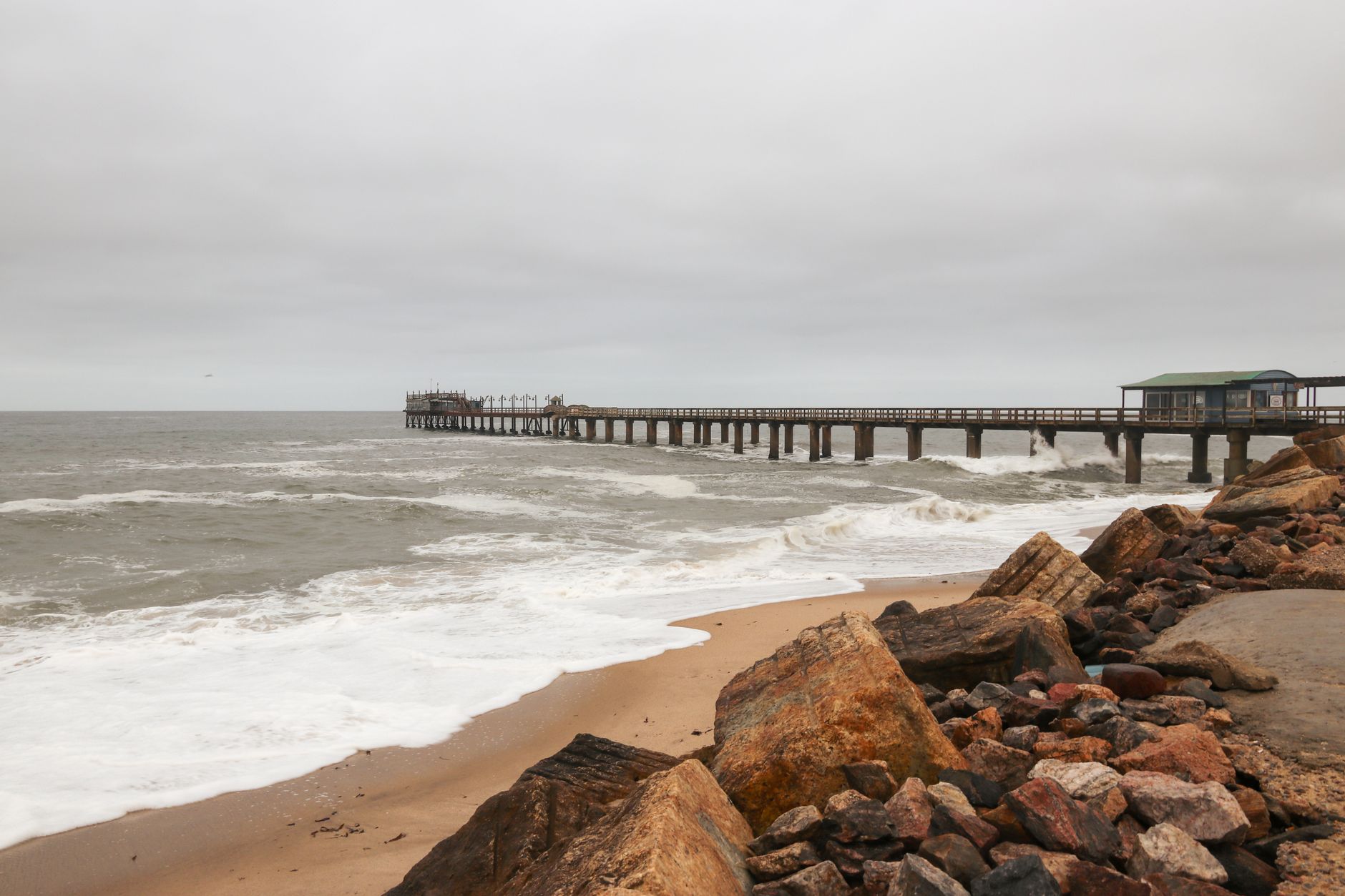
Stretching roughly 500 kilometers along Namibia’s northern Atlantic shore, the Skeleton Coast is bounded by the Kunene River at the Angolan border in the north and the town of Swakopmund in the south. It splits into two zones: a southern stretch accessible by permit, and a northern wilderness area that requires booking through one of a handful of licensed fly-in operators. That logistics barrier alone has kept visitor numbers far below what the landscape deserves.
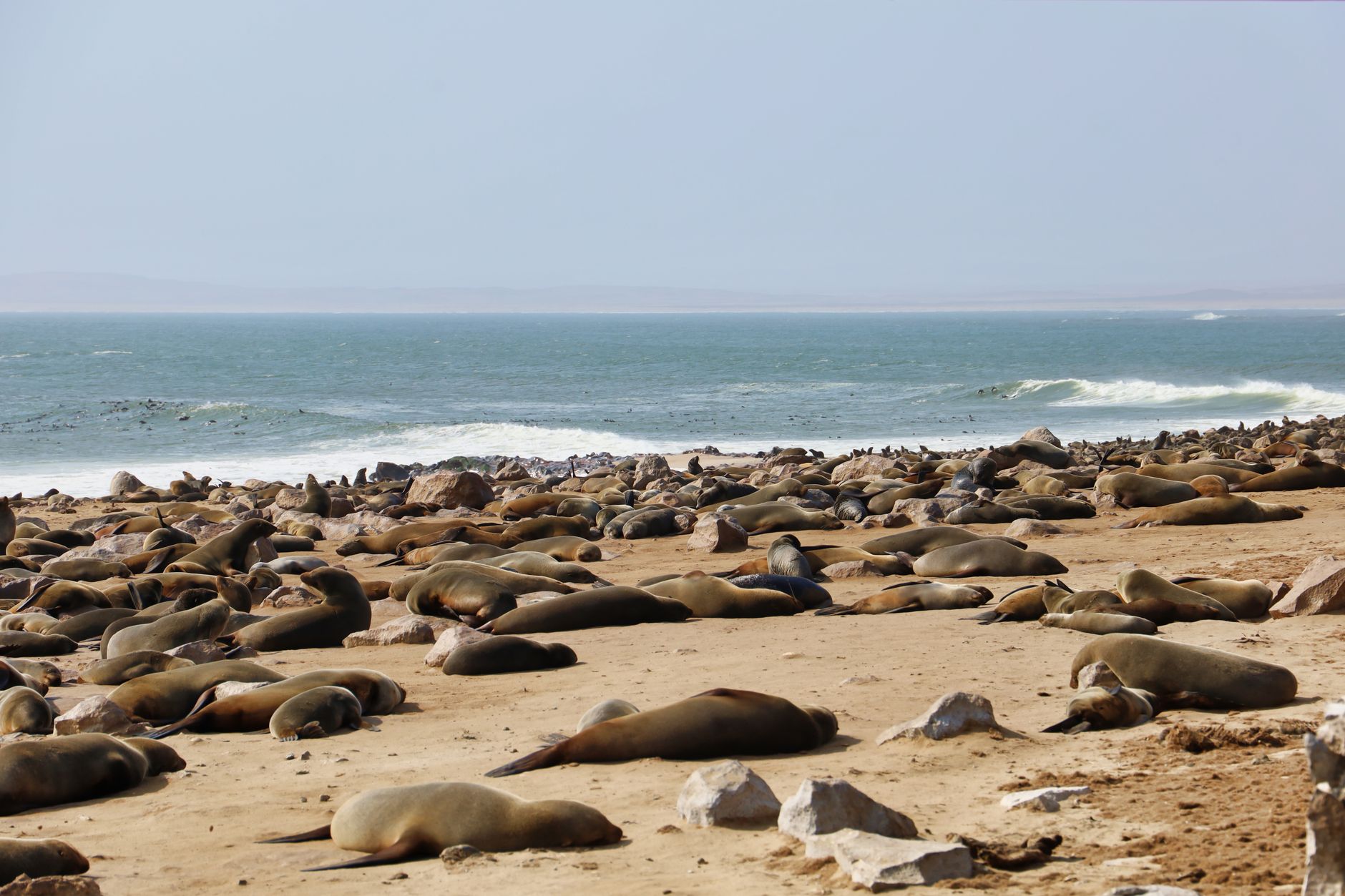
The geography here works against easy categorization. The Namib Desert – already one of the oldest on earth – runs directly into cold Atlantic surf driven by the Benguela Current. The result is a collision of ecosystems that exists nowhere else: sand dunes that drop straight into ocean fog, seal colonies numbering in the hundreds of thousands pressed against volcanic rock outcrops, and brown hyenas patrolling beaches at dawn. Brown hyenas on a beach. That detail alone should end the argument about whether this place deserves more attention.
The Okavango gets its fame from water – from the spectacle of a river flooding an inland desert and creating a wetland Eden. The Skeleton Coast works on opposite logic. It is defined by absence: of trees, of people, of the kind of lush abundance that travel photography tends to favor. What it offers instead is negative space on a grand scale. Silence interrupted only by surf. Fog that rolls in off the Atlantic every morning and burns off by noon. A quality of light that shifts from cold grey to amber within an hour.
For travelers who have done the Okavango circuit and found it almost too complete – too polished, too perfectly packaged – the Skeleton Coast operates as a deliberate counterweight. There are no floating camps with butler service here, though some luxury operators have moved into the region with mobile expeditions. The northern wilderness area remains one of the least-visited stretches of coastline on the African continent.
Shipwrecks as the Real Draw
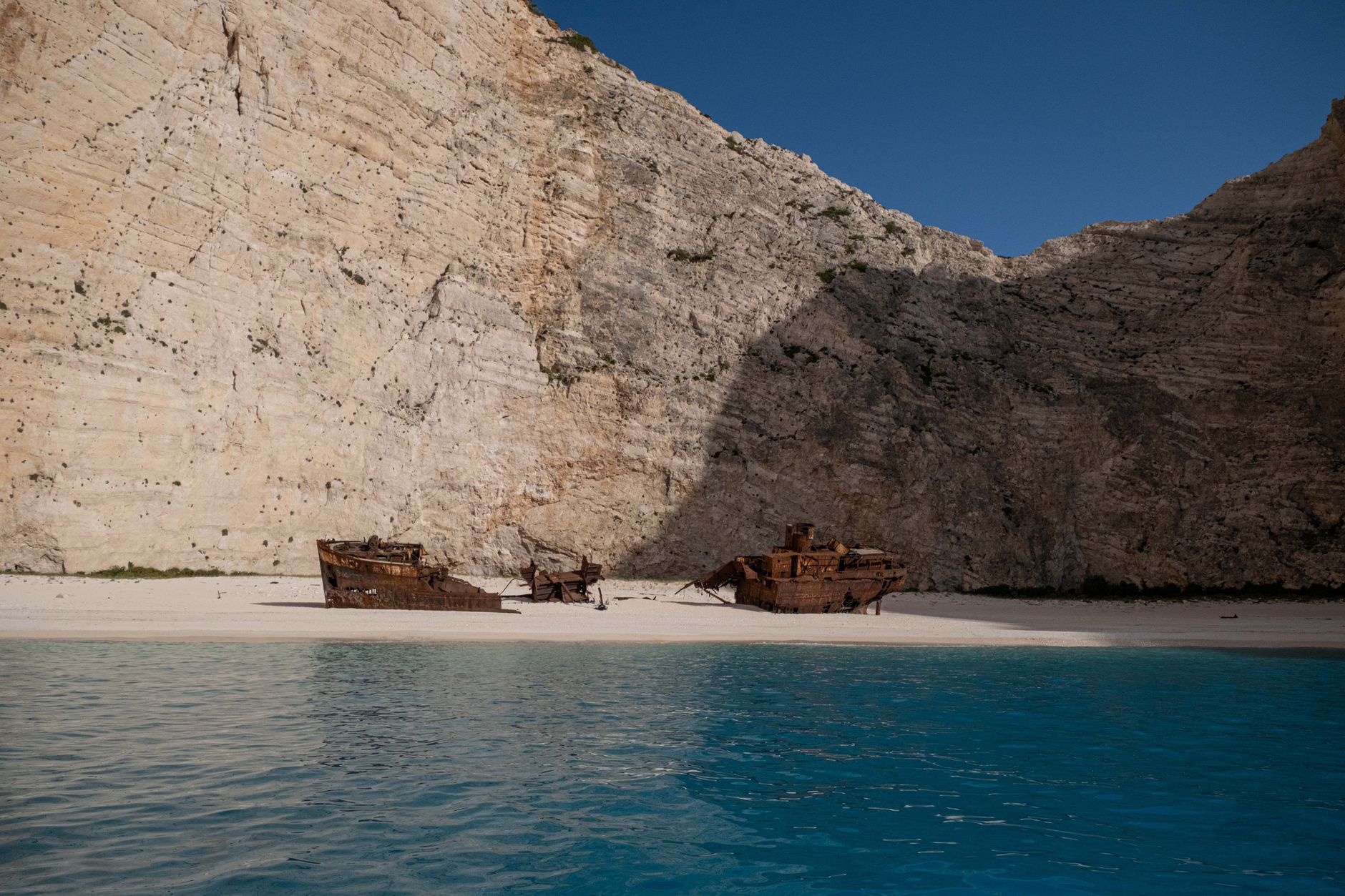
The wrecks are not incidental to the Skeleton Coast experience – they are the experience. The coastline earned its reputation over centuries of maritime disaster, as Portuguese, British, and later industrial fishing vessels ran aground in the fog and surf. Some estimates put the number of identifiable wrecks along this stretch of coast in the dozens, though the actual figure of submerged and sand-buried hulls runs considerably higher. What makes the Skeleton Coast unusual is that many of these wrecks are accessible on foot, sitting in open air on beaches rather than underwater.
The Eduard Bohlen, a German cargo steamer that wrecked in 1909, is perhaps the most photographed. It now sits hundreds of meters inland from the current shoreline, swallowed by desert as the coastline retreated around it over the past century. Walking toward it through flat sand, the rusted hull appears without warning – a full-sized ship stranded in what looks like open desert. The optical effect is disorienting in a way that no wildlife sighting quite replicates. You understand viscerally why sailors called this coast cursed.
The Dunedin Star, a British cargo liner that ran aground in 1942 while carrying military supplies, sits further north near the Angolan border. The rescue operation that followed the wreck became a secondary disaster, with aircraft and additional vessels lost while attempting to reach survivors. A small memorial marks the site. Standing there with nothing on the horizon in any direction – no road, no structure, no sound except wind – produces the specific kind of solitude that wilderness travelers chase across the planet and rarely find this cleanly.
What separates the wreck experience here from, say, diving a reef wreck in the Maldives is context. These ships didn’t sink in controlled conditions or become deliberate artificial reefs. They were cargo vessels moving supplies, caught by fog and current, and their crews faced survival situations in one of the most inhospitable places on earth. The sand around the wrecks still occasionally turns up artifacts – bottles, fittings, cargo remnants. The coast doesn’t curate itself.
A growing number of adventure travel operators have started building itineraries specifically around the wreck sites, combining fly-in access to the northern wilderness area with coastal drives through the southern permit zone. These trips tend to attract a specific traveler: someone who has already done East Africa’s safari circuit, possibly explored remote coastal wilderness elsewhere, and is looking for something that resists easy Instagram compression. The Skeleton Coast fits that profile precisely because it refuses to be reduced to a single hero image.
Wildlife That Doesn’t Follow the Script
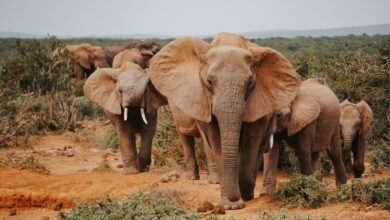
The wildlife here is real and dense, but it doesn’t perform. Cape fur seals gather at Cape Cross in numbers large enough to register as noise pollution – their barking carries kilometers inland. Desert-adapted lions hunt the seal colonies, which sounds impossibly dramatic until you realize these lions look thin and travel-worn, nothing like the Serengeti cats that anchor most safari brochures. Desert elephants move through dry riverbeds south of the Kunene. Black rhino move through the inland scrub. But nothing here is guaranteed, and nothing is presented on a game-drive schedule.
That unpredictability is the point. The Okavango rewards patience with abundance – you sit at a water source and Africa comes to drink. The Skeleton Coast rewards movement and tolerance for uncertainty. Some days the fog doesn’t lift. Some drives produce nothing but tracks in sand. The travelers who leave satisfied are those who came without a checklist, willing to treat a hyena print in beach sand as sufficient payoff for a morning’s walking. Those are not the same travelers who book most African safaris, which is exactly why the Skeleton Coast remains as quiet as it does.