Namibia’s Skeleton Coast Quietly Rivals the Serengeti for Wildlife Purists

The Skeleton Coast does not try to seduce you. Its name alone filters out the casual tourist, which is precisely why the wildlife purists who do make the journey tend to stay longer than planned.
A Coastline Built on Extremes
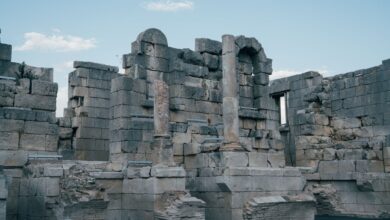
Stretching roughly 500 kilometers along Namibia’s northwestern edge, the Skeleton Coast is where the cold Benguela Current collides with one of the world’s oldest deserts. The result is a fog-drenched, wind-scoured landscape that looks inhospitable from a distance but sustains an ecology that defies first impressions. Shipwrecks half-buried in dunes, whale bones bleached white by salt air, and lion tracks pressed into the sand within sight of the Atlantic – this is a coast that operates by its own rules.
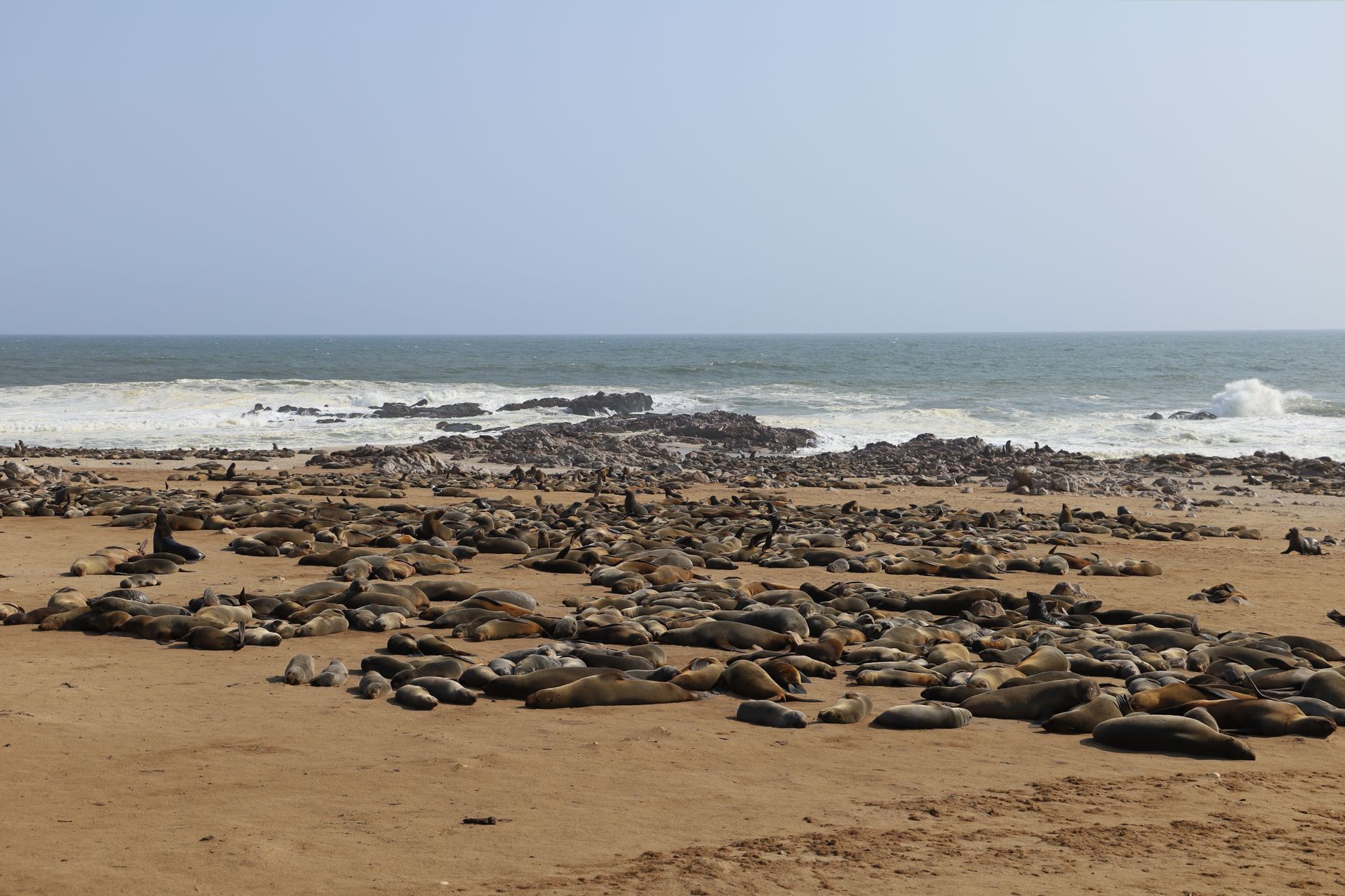
The Benguela Current is the real engine here. It drags nutrient-rich water up from the deep ocean, feeding massive fish populations, which in turn draw Cape fur seals in numbers that stagger the imagination. Colonies at Cape Cross regularly exceed 100,000 individuals, making them one of the largest congregations of mammals on the continent. That concentration of prey does not go unnoticed. Brown hyena, black-backed jackal, and a small but documented population of desert-adapted lions work the coastline with the kind of focused efficiency you only see where food is abundant and competition is high.
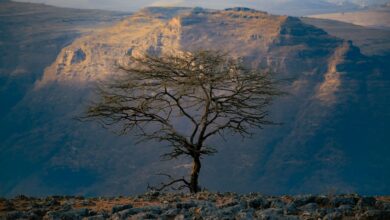
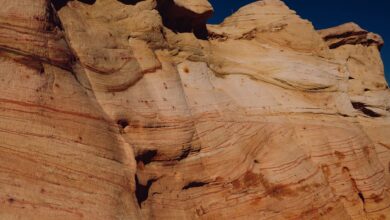
The landscape itself shifts constantly. Rocky headlands give way to vast gravel plains, which dissolve into towering dune fields before the terrain flattens again into salt pans. Each zone hosts a distinct community of species. Oryx move through the dunes with an almost architectural stillness. Desert elephants – genetically distinct from their savanna counterparts, with broader feet and longer legs – travel extraordinary distances between river courses. Spotting one crossing an open plain against the orange light of late afternoon is the kind of experience that does not photograph well and stays with you regardless.
Access is deliberately restricted. The northern sector of the Skeleton Coast National Park requires permits issued in limited numbers, and most visitors arrive by small charter aircraft, landing on gravel airstrips that appear from the air like afterthoughts scratched into the earth. There are no major paved roads cutting through the core wilderness, and that inaccessibility is the point. The wildlife here behaves differently because it has not been conditioned to vehicles lining up at dawn for the best angle.
Why Wildlife Purists Prefer It Over the Serengeti
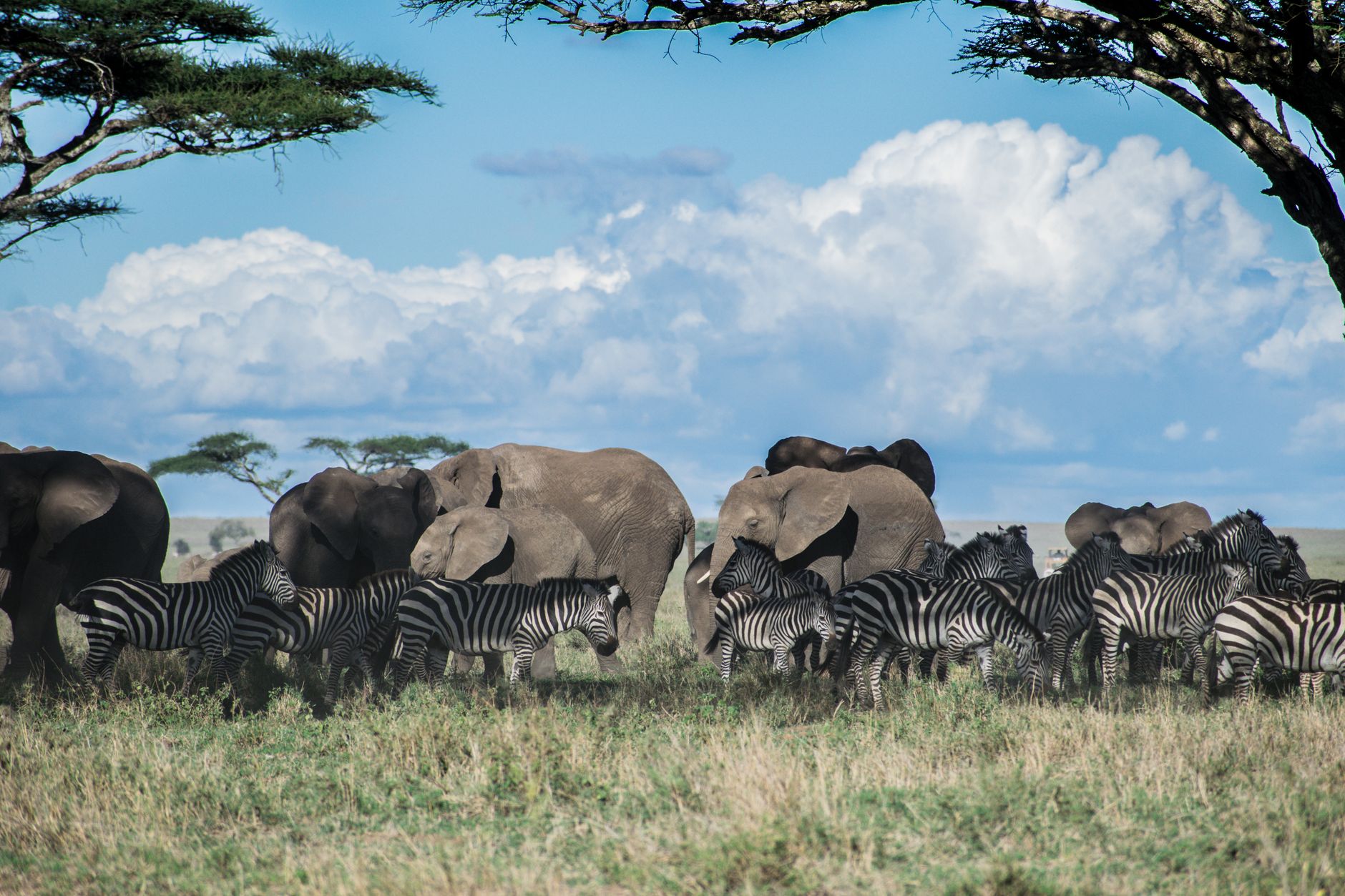
The Serengeti is extraordinary, and nothing here disputes that. But the Skeleton Coast offers something the Serengeti cannot: genuine solitude alongside the wildlife. On a given morning, a guest at one of the handful of fly-in camps in the northern reaches might not see another vehicle all day. There are no radio networks coordinating sightings across lodges, no convoys forming around a sleeping leopard. When you find something here, you found it yourself – or your guide did, through skill rather than coordination.
The predator-prey dynamics are also less familiar, which makes them more absorbing to watch. Desert-adapted lions in the Skeleton Coast region have been documented hunting Cape fur seals directly on beaches, an unusual behavior that requires patience and strategy quite different from open-savanna stalking. Brown hyenas, often overlooked in favor of their spotted cousins further east, are efficient and intelligent scavengers whose beach-combing routines can be watched at close range. The behavior is observably different from what you see in the Okavango or the Masai Mara.
Birdlife adds another layer entirely. The coastline functions as a critical corridor for migratory shorebirds, and the estuaries and salt pans at the southern end of the park attract flamingos in numbers that turn the water pink. Namibia’s interior also contributes – raptors including lappet-faced vultures and black eagles move through the transitional zones between desert and river courses. For a birder, a week on the Skeleton Coast can feel like several destinations compressed into one.
The camps that operate within the concession areas are small by design – rarely more than eight to ten guests at a time. The guides are typically Namibian naturalists with deep regional knowledge rather than generalist safari operators. Conversations around the fire tend toward ecology and geology rather than trip logistics, and that changes the texture of the experience significantly. You learn not just what you’re seeing but why the landscape produces it, which is a different kind of engagement entirely.
Cost is the honest caveat. Fly-in wilderness camps on the Skeleton Coast sit at the premium end of the safari market, and the logistics of getting there – typically via Windhoek or Swakopmund – add layers that a Serengeti trip from Arusha does not require. For travelers already committed to East Africa circuits, rerouting to Namibia requires real planning. But for anyone willing to structure a trip around it, the Skeleton Coast rewards that investment with a kind of rawness that more trafficked destinations have quietly traded away over the decades.
Planning the Trip Right
The best window runs from May through October, when cooler temperatures reduce the coastal fog and wildlife concentrations around river courses intensify as water sources shrink. The northern Skeleton Coast Park requires advance booking through Namibia’s Ministry of Environment, Forestry and Tourism, and permits for self-drive entry are strictly limited – most visitors working with specialist outfitters handle this paperwork months ahead. Swakopmund serves as a practical base for the southern zones, while Palmwag Lodge and the concession camps further north require charter flights from either Windhoek or the coastal airstrip at Terrace Bay.
What no itinerary can fully prepare you for is the silence. Not the absence of sound exactly, but the particular quality of a landscape where human noise simply does not accumulate. Wind off the Atlantic, the bark of a seal colony carried from kilometers away, the sound of your own footsteps on gravel – the Skeleton Coast puts those sounds in relief in a way that crowds out nothing except the ordinary world you left behind. Whether that exchange is worth the journey is a question each traveler answers differently, but few who make it come back with any serious doubts.
Frequently Asked Questions
When is the best time to visit the Skeleton Coast for wildlife?
May through October offers the clearest conditions, with reduced fog and concentrated wildlife around shrinking water sources in the desert river courses.
Do you need a permit to visit the Skeleton Coast National Park?
Yes, the northern sector requires advance permits from Namibia’s Ministry of Environment, Forestry and Tourism, with strict limits on visitor numbers. Most travelers arrange these through specialist outfitters.