
A Valley That Demands Effort to Reach
Tsum Valley sits tucked inside Nepal’s Gorkha District, separated from the better-known Langtang and Annapurna circuits by a permit system, a long approach trek, and a general absence of the infrastructure that makes popular routes easy to book. Most travelers flying into Kathmandu will never hear it mentioned at the airport. That obscurity is, for many who do go, exactly the point.
The valley was opened to foreign trekkers only in 2008, and even after more than fifteen years of access, it draws a fraction of the foot traffic that moves through neighboring corridors each season. The trail passes through high-altitude villages where Tibetan Buddhist culture has remained intact for centuries, largely because the geography kept the valley isolated. The people here call themselves Tsumbas, and their festivals, monasteries, and daily rhythms follow patterns that predate Nepal’s modern tourism economy by generations.
What the Route Actually Looks Like
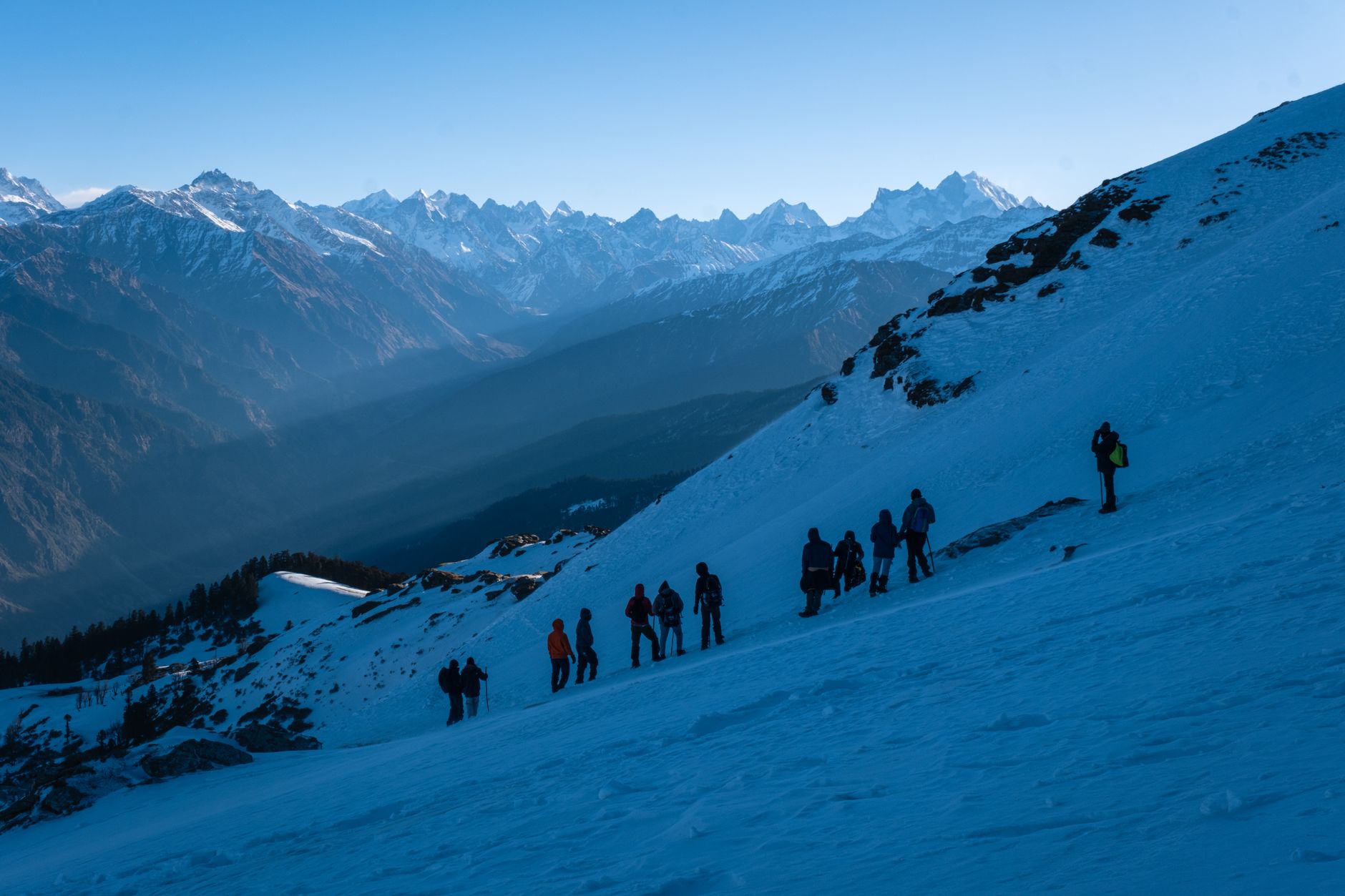
Most trekkers access Tsum Valley by starting from Soti Khola, reached by road from Kathmandu or Gorkha. The standard itinerary runs between 23 and 28 days depending on acclimatization stops and side trips, making it a serious commitment compared to the Everest Base Camp trek, which many agencies can package into 14 days with flights to Lukla. There are no internal flights into Tsum, no helicopter shortcuts on clear days, and no tea houses with Wi-Fi passwords written on chalkboards.
The trail itself follows the Budhi Gandaki River for much of the lower section before the valley opens up near Chhokangparo and Nile, the two largest settlements in Upper Tsum. Elevation at these villages sits around 3,500 meters, manageable but not trivial. Side hikes push higher, toward Mu Gompa, the most revered monastery in the valley, which sits at roughly 3,700 meters and requires a separate restricted area permit on top of the Tsum Valley permit already needed to enter.
Logistics require advance planning. The restricted area permit is issued only to trekkers traveling with a registered Nepali guide through a licensed agency – independent trekking as practiced on major open routes is not permitted here. That requirement adds cost and complexity, but it also ensures the valley has not yet been swamped by the casual, unguided foot traffic that has strained facilities on Annapurna’s popular sections.
The Cultural Pull Beyond the Scenery
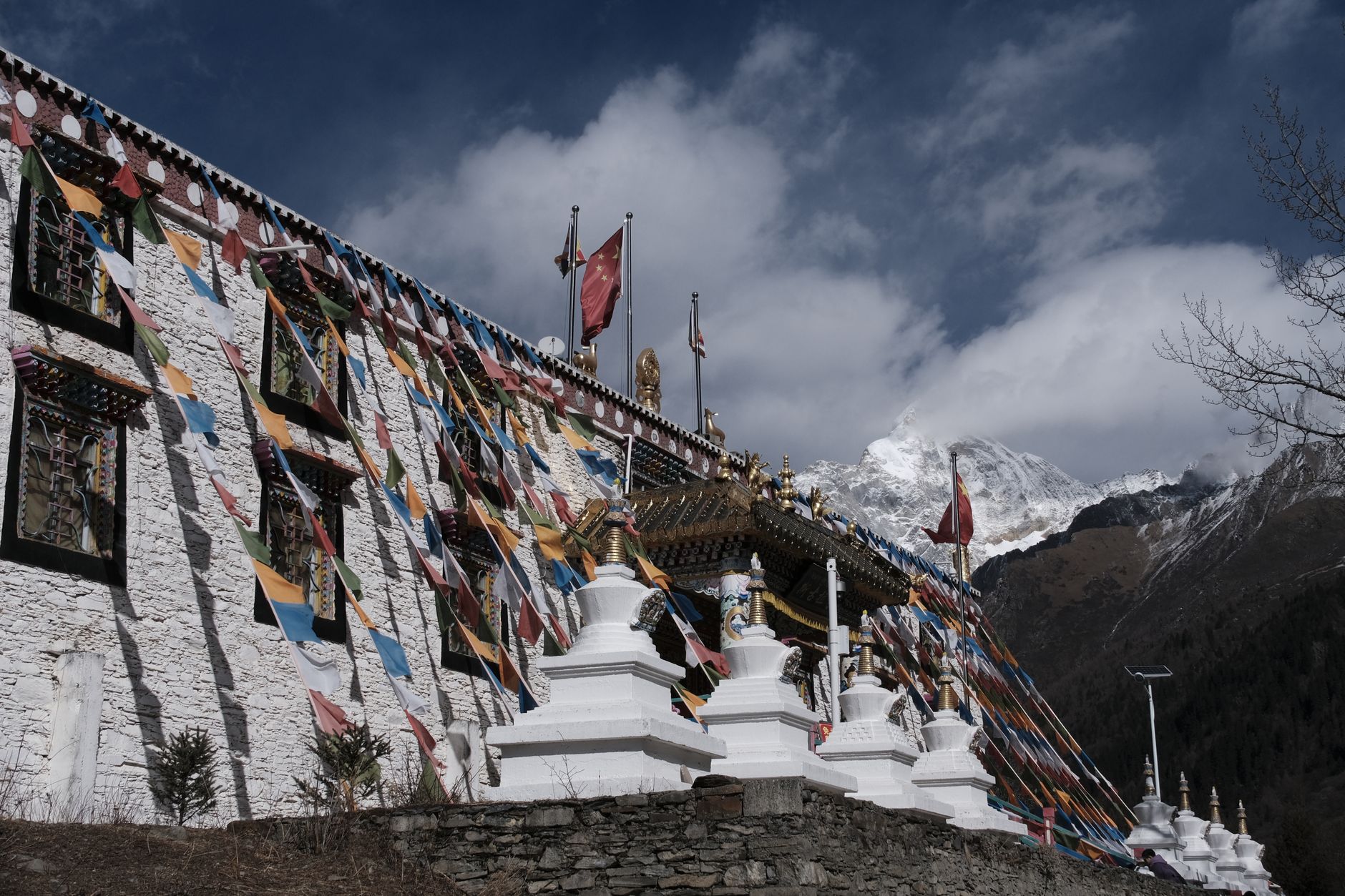
Tsum Valley is sometimes described as a “hidden Himalayan sanctuary,” and while that language edges toward cliche, the cultural continuity here is genuinely rare. The Tsumbas follow Tibetan Buddhism with a specificity that differs from the broader Sherpa traditions more familiar to Everest-region visitors. Chortens, mani walls, and prayer flags line the trails, but the gompa rituals, the masked festivals called Tsechus, and the local dialect all point to a community that maintained its own identity across centuries of geographic isolation.
Trekkers who time visits around festival periods report witnessing ceremonies that feel entirely unperformed – not staged for cameras, not modified for outside audiences. The monasteries are working religious institutions, not attractions. That distinction is noticeable. Visitors who have spent time in heavily touristed zones of Southeast Asia or the Annapurna circuit will feel the difference within a day.
Why Tsum Stays Uncrowded – and Whether That Will Hold
The factors keeping Tsum Valley quiet are structural, not accidental. The permit requirement filters out the majority of short-haul trekkers. The length of the route filters out those who cannot commit three to four weeks. The absence of flights filters out those who prefer to minimize walking days. What remains is a self-selected group of trekkers willing to work for what they find – and that group tends to move slowly, spend generously with local guides and lodges, and leave lighter footprints than high-volume corridor traffic.
Nepal’s trekking economy is concentrated on a handful of routes that generate the bulk of permit revenue and support entire ecosystems of guesthouses, gear shops, and agency operations. Everest, Annapurna, and Langtang collectively pull the majority of international trekkers each season. Tsum, by contrast, remains economically marginal to that system – which means there has been limited pressure from government or commercial operators to develop infrastructure that would make it more accessible. The status quo suits the valley’s preservation, even if it limits local income potential.
The tension between access and preservation is not unique to Nepal. Village-based trekking corridors in Europe face the same question as rural tourism grows: how much infrastructure is enough before the character that drew visitors in the first place begins to erode? In Tsum, local community organizations and the Nepal government have so far maintained the permit structure without significant relaxation, though periodic proposals to ease restrictions surface during policy discussions in Kathmandu.
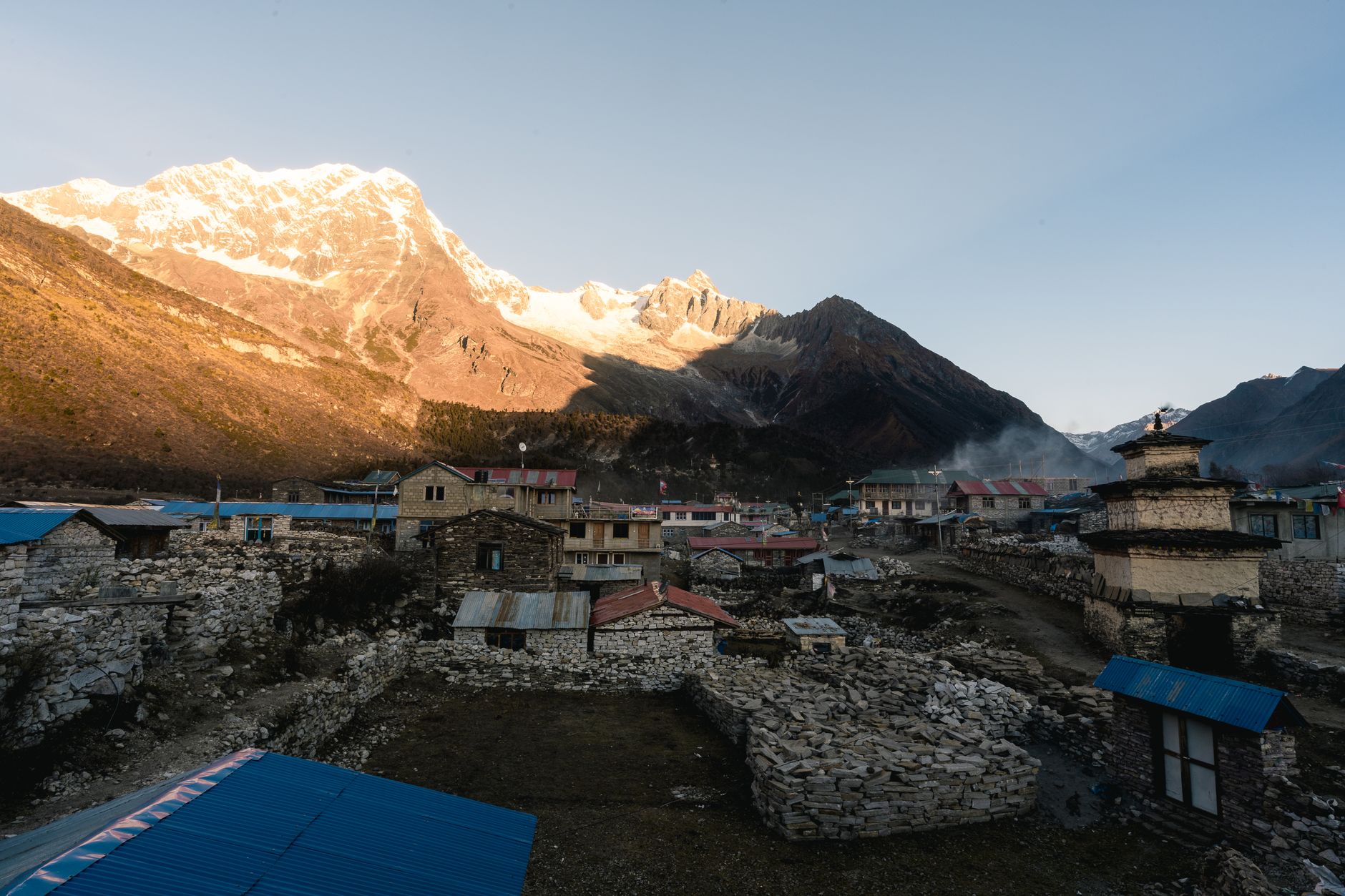
For now, the valley’s lodges remain small family operations, the trails carry light daily traffic even in peak October-November season, and the monasteries at Mu Gompa still require a half-day walk from the nearest guesthouse. A trekker who completes the full loop will spend weeks in a landscape without cell service, without backup options, and without the comfort of knowing someone else recently took the same wrong turn and posted about it. That is either the appeal or the obstacle, depending entirely on who is asking.