
A Kingdom Once Closed to the World Reopens on Its Own Terms
For decades, Upper Mustang was among the most tightly controlled travel destinations on Earth. Wedged between Nepal and Tibet, this high-altitude enclave operated under a permit system that capped foreign visitors, charged steep daily fees, and kept the region largely insulated from the mass trekking culture that had transformed other parts of the Himalayas. The rationale was partly political – proximity to the Chinese border made Kathmandu cautious – and partly cultural, driven by a genuine effort to protect the Tibetan Buddhist traditions that have survived here longer than almost anywhere else on the plateau.
Nepal’s government has now lifted the restricted-area classification from Upper Mustang, removing the mandatory special permit that once cost trekkers $500 or more for a 10-day visit.
The decision has sent a jolt through the adventure travel community. Some are booking immediately. Others are asking, quietly, whether the removal of that barrier changes the very thing that made Upper Mustang worth reaching in the first place.
What the Region Actually Offers
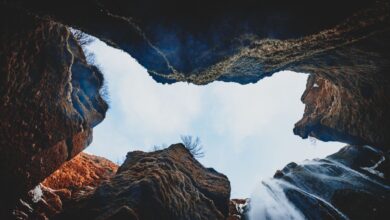
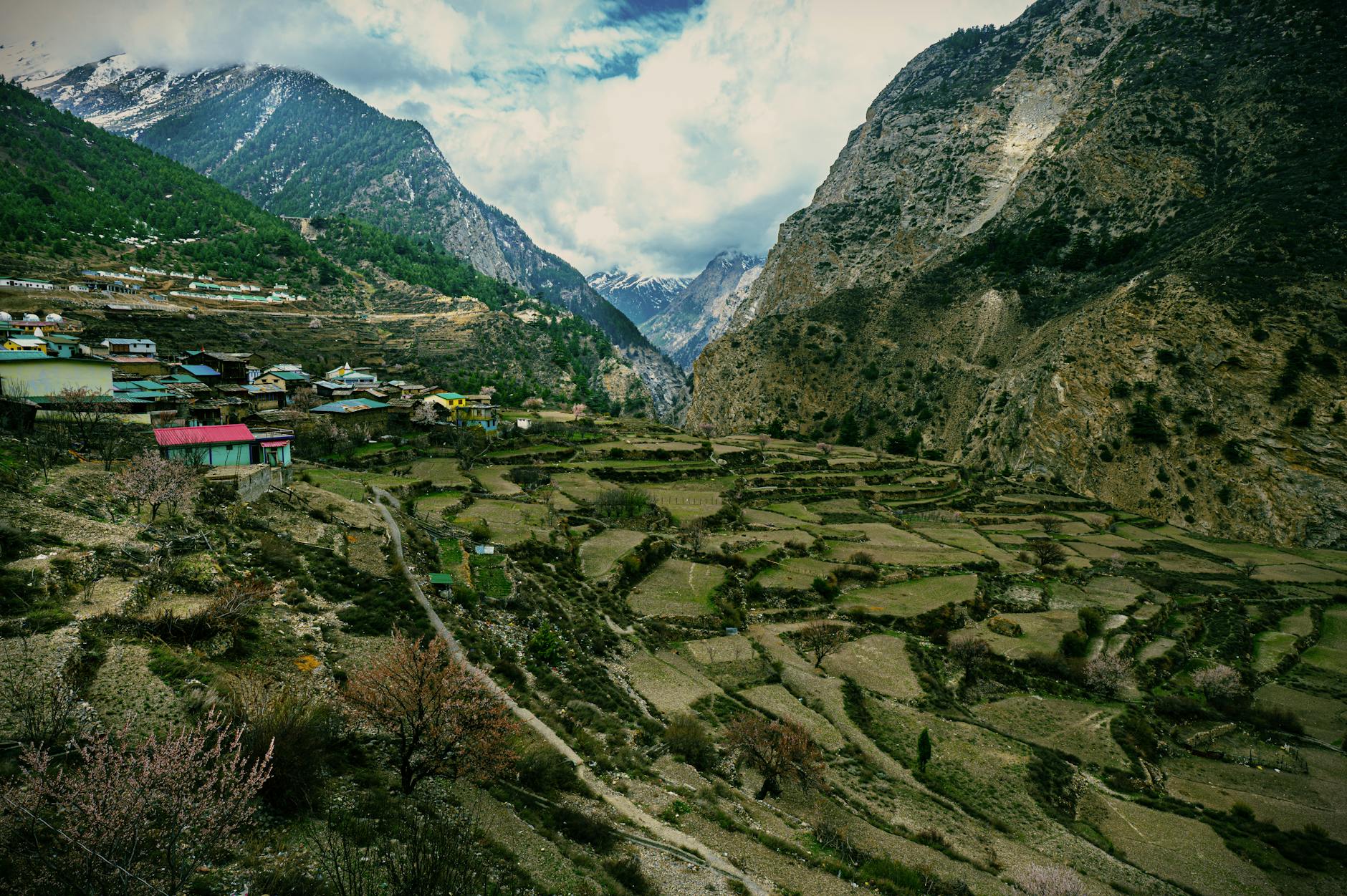
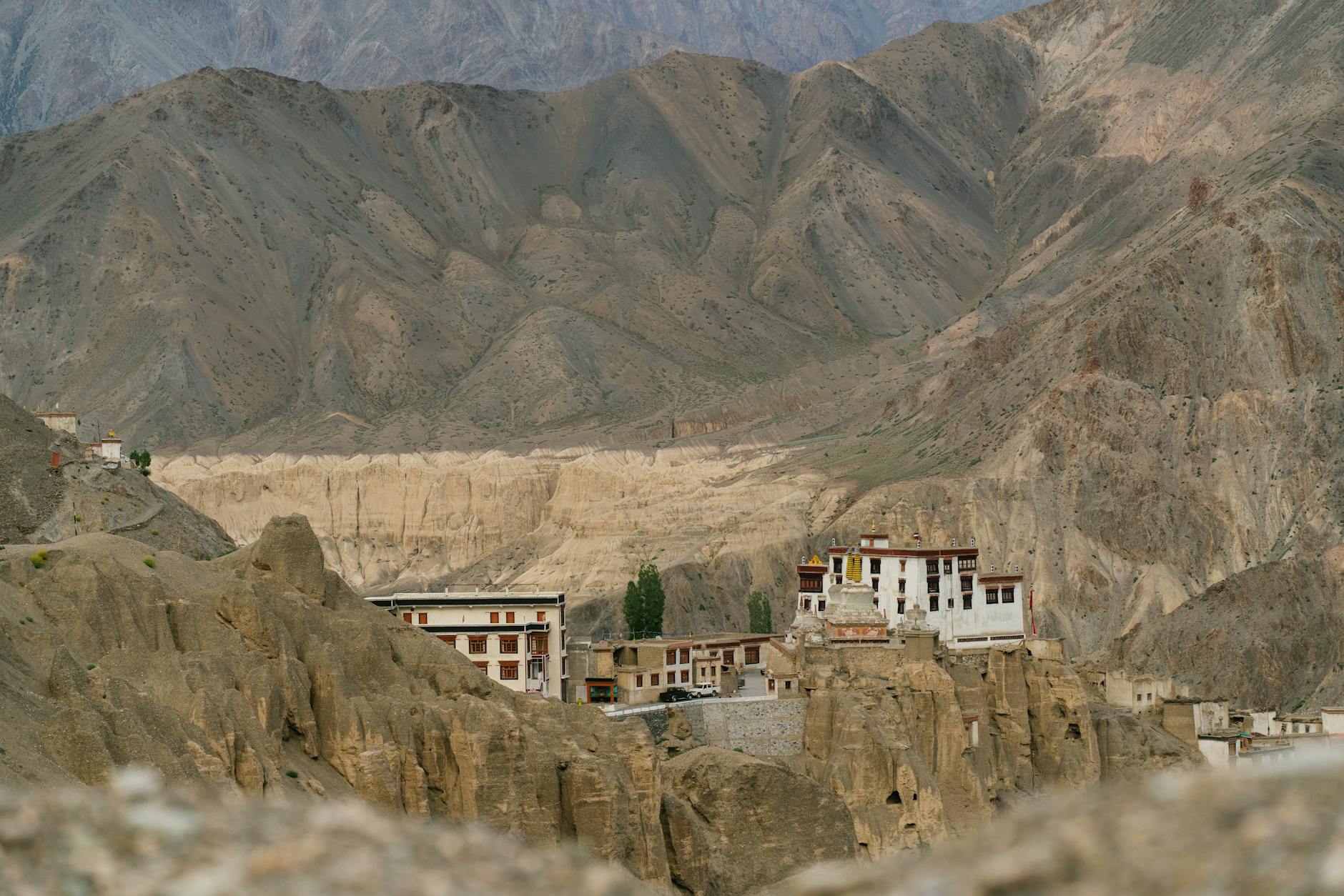
Upper Mustang sits at elevations ranging from roughly 3,800 to over 5,000 meters, sheltered from monsoon rains by the Annapurna and Dhaulagiri massifs. The result is a stark, almost lunar landscape – red and ochre cliffs carved by wind erosion, ancient cave monasteries cut directly into rock faces, and whitewashed villages that have changed little in form since the 15th century. Lo Manthang, the walled capital, remains the seat of a kingdom whose royal lineage stretches back over six centuries, though Nepal formally abolished the monarchy’s administrative powers in 2008.
The cultural fabric here is Tibetan in language, religion, and daily rhythm. Festivals like Tiji – a three-day ceremony involving masked dances and ritual chanting – draw Buddhist pilgrims from across the region. The monasteries hold thangka paintings and manuscripts that art historians consider irreplaceable. Farmers still cultivate barley and buckwheat on terraced fields using methods passed down through generations, and yak caravans remain a practical form of transport rather than a tourist attraction.
Getting here has never been effortless, permit or no permit. The standard approach involves flying into Jomsom, a short hop from Pokhara on a notoriously turbulent mountain route, followed by several days of trekking or jeep travel over rough terrain. The infrastructure inside Upper Mustang is basic by design – teahouses rather than hotels, dirt tracks rather than paved roads. That physical difficulty has always served as a secondary filter, even before the permit system.
The Tension Between Access and Preservation
The permit system was never purely about conservation – it was also a revenue mechanism, and that revenue funded local schools, restored monastery murals, and supported heritage documentation projects. With the fees gone, the question of how that work gets funded becomes urgent. Local leaders in Lo Manthang have already raised concerns that deregulation without a replacement funding model could leave preservation efforts without a financial base precisely when visitor numbers are expected to rise.
There is a real precedent for this concern. Other formerly restricted Himalayan areas that opened to unrestricted trekking saw rapid infrastructural change within a few years – new lodges built quickly and cheaply, waste management systems overwhelmed, and the kind of commercialization that hollows out the experience for everyone, locals included. Upper Mustang’s relative dryness and wind mean that environmental degradation, once started, is slow to reverse. The soil is fragile, water sources are limited, and the cave structures embedded in the cliffs have no tolerance for vibration or increased foot traffic nearby.
What makes Upper Mustang different from a purely logistical standpoint is that it still requires a standard trekking permit and entry through official checkpoints. The Annapurna Conservation Area Project maintains a presence in the region, and there are existing frameworks for managing visitor impact. Whether those frameworks scale adequately under increased pressure is the operative question – and the answer won’t be available until a full trekking season plays out under the new rules.
How to Approach a Visit Now
For travelers considering Upper Mustang in the near term, timing matters more than it ever did. The pre-monsoon window from late March through May and the post-monsoon period in October and November remain the most reliable for clear skies and passable trails. Going with an established local guiding operation – rather than attempting independent navigation – still makes practical sense given the terrain, the altitude, and the language barrier in villages where Nepali is often a second language after Lhotse.
The responsible approach involves choosing operators with documented commitments to local employment and heritage respect, packing out all non-biodegradable waste, and treating monastery visits as what they are – active religious sites, not open-air museums. Photography inside sacred spaces should follow local guidance, which often means asking rather than assuming. Small behaviors accumulate quickly when visitor numbers increase.
Booking early also provides a practical advantage beyond logistics. Local teahouse capacity is genuinely limited, and the communities along the route from Kagbeni to Lo Manthang have not yet expanded their accommodation infrastructure in anticipation of higher demand. That gap between expected visitor volume and available beds will likely drive a scramble for rooms during peak weeks of the first unrestricted season.
The permit’s removal makes Upper Mustang accessible to travelers who were priced out before – but the region’s road to Lo Manthang is still rough, the altitude still punishing, and the monasteries inside the walled city are still locked at dusk by monks who answer to no tourism board.