Nicaragua’s Ometepe Island Quietly Rivals Costa Rica for Volcano Trekkers

Two Volcanoes, One Island, Zero Crowds
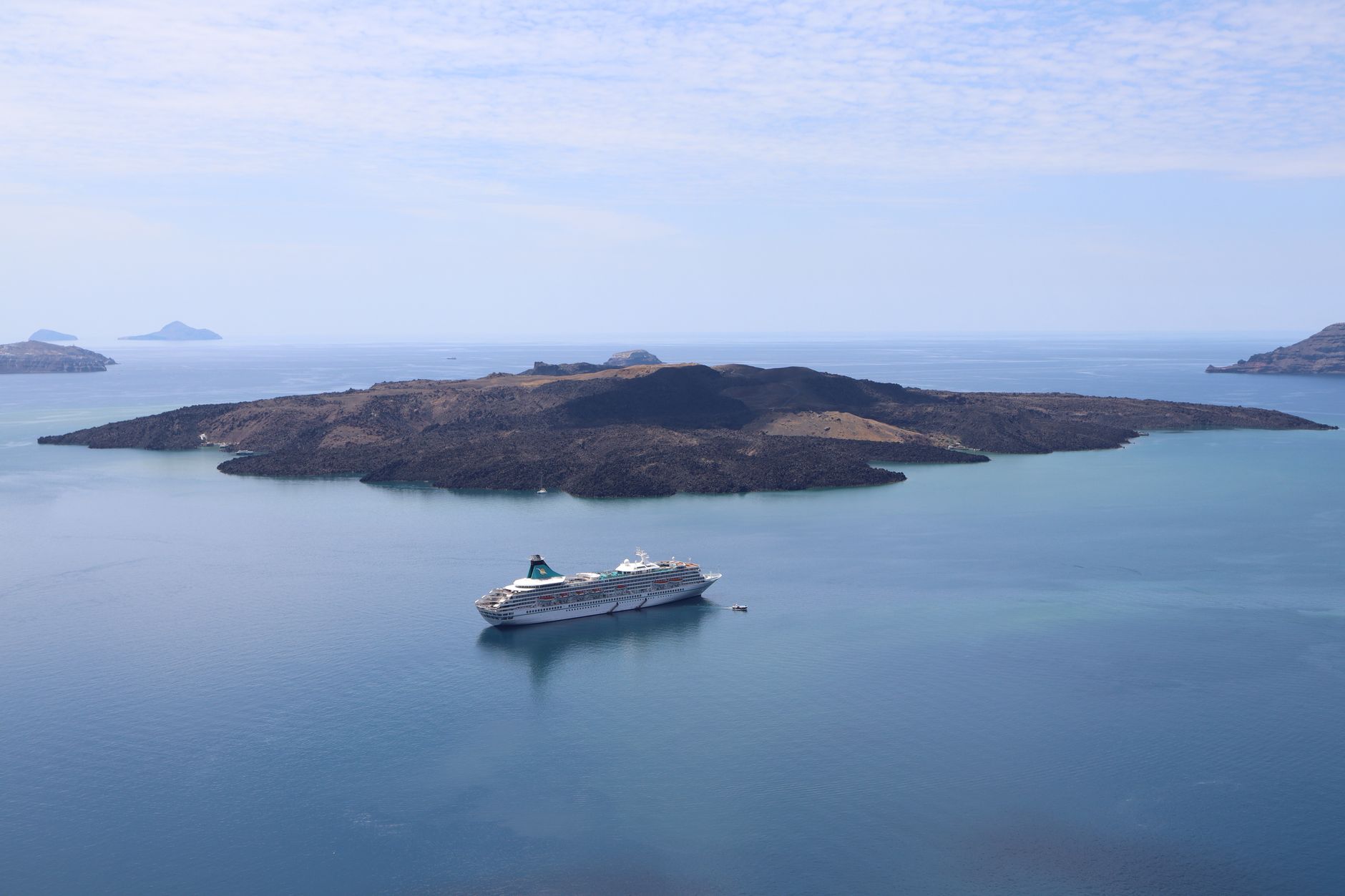
Ometepe Island sits in the middle of Lake Nicaragua, shaped by two volcanoes rising out of freshwater – Concepcion and Maderas – connected by a narrow land bridge that looks, from the air, like something drawn by hand. It is the largest volcanic island in a freshwater lake in the world, and it has been drawing serious trekkers for years without ever making much noise about it. Costa Rica’s Arenal gets the Instagram traffic, the zip lines, the resort infrastructure. Ometepe gets the people who actually want to climb something.
The comparison to Costa Rica is not accidental. Nicaragua shares a border and a similar geography, but prices are lower, trails are less managed, and the tourist footprint is small enough that you can still have a summit approach largely to yourself. For volcano trekkers specifically, the case for Ometepe is getting harder to ignore.
Concepcion: The Harder Climb
Concepcion is the dominant volcano on the island – active, steep, and unforgiving. The summit sits above 1,600 meters, and the upper section involves scrambling through loose volcanic rock with almost no tree cover. Clouds move fast here. The route from the village of La Conception typically takes eight to ten hours round trip, and guides are required for the upper section. That requirement exists for real reasons: the trail above the treeline disappears in fog regularly, and the terrain becomes genuinely technical in places.
What makes Concepcion unusual as a trek is the contrast between its lower and upper sections. The base of the volcano is dense tropical forest, loud with birds, humid, and surprisingly lush. Then it shifts – the vegetation thins, the wind picks up, and the landscape turns gray and raw. Hikers who have done similar climbs in Costa Rica often note that Concepcion feels less manicured, more exposed, and considerably more demanding. The reward, on a clear day, is a view across the entire lake and into both Costa Rica and the Nicaraguan highlands.
Maderas: Cloud Forest and a Crater Lake
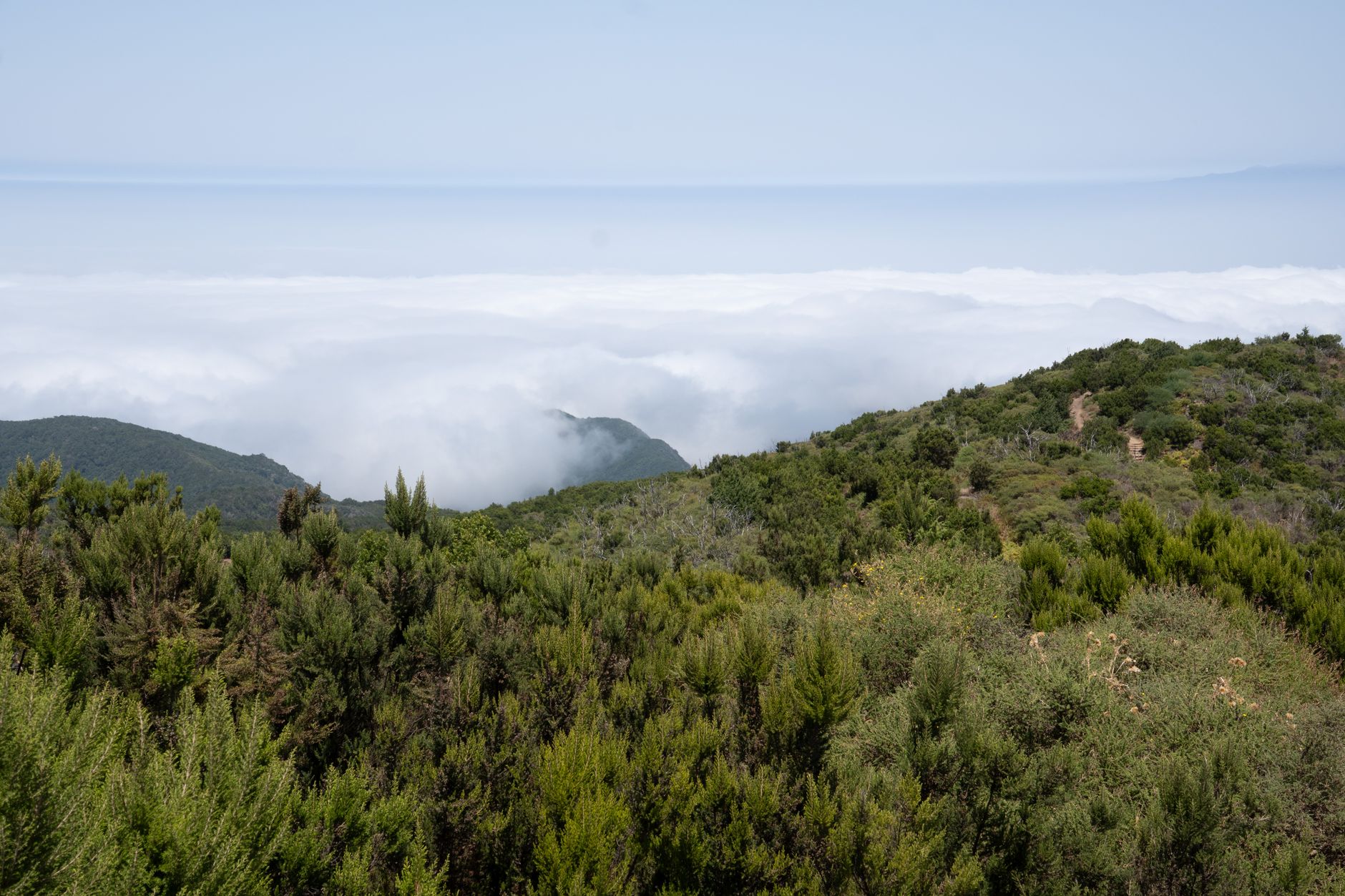
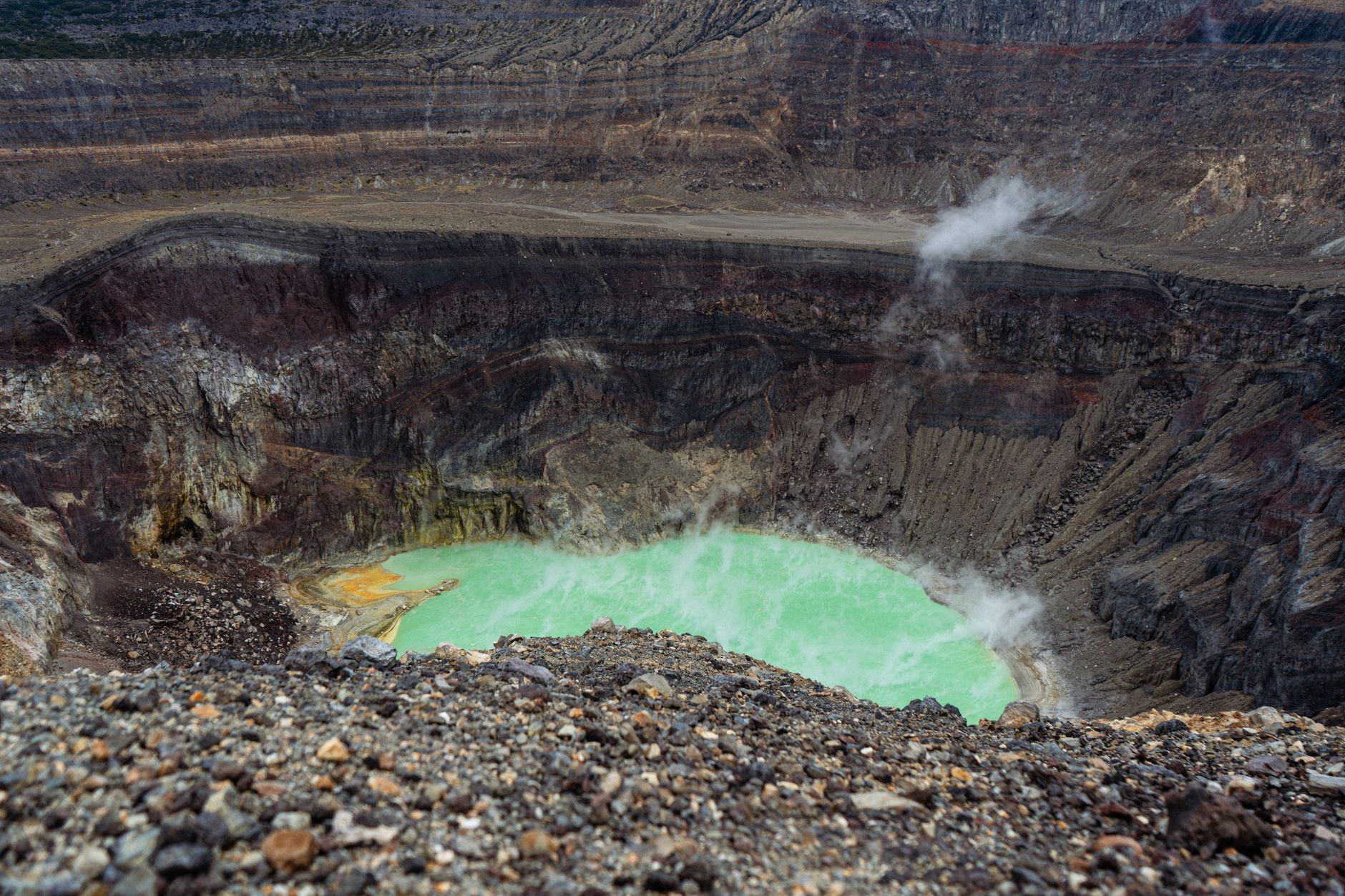
Maderas is the quieter of the two volcanoes – dormant, lower, and capped by a cloud forest that feels completely different from anything on Concepcion’s slopes. The summit crater holds a lagoon, and reaching it means pushing through thick, mossy vegetation for the better part of five hours. The trail is frequently muddy and the cloud cover makes navigation tricky in spots, but the approach is more forgiving than Concepcion’s upper section.
The forest on Maderas is dense enough that howler monkeys are a consistent presence. The sound carries across the canopy before dawn and again in the late afternoon, and for trekkers camping near the volcano’s base, it becomes a kind of alarm clock. Spider monkeys, parrots, and several species of butterfly found only in this region add to the wildlife count without requiring any detours.
Many trekkers who visit Ometepe combine both volcanoes over three or four days, using the village of Balgue on the Maderas side and Altagracia on the Concepcion side as base points. Accommodation is basic – guesthouses and small eco-lodges rather than hotel chains – which keeps the experience firmly in the territory of independent travel rather than packaged adventure tourism.
For those drawn to off-the-beaten-path volcano trekking, Peru’s Colca Canyon offers a comparable dynamic – a destination with serious physical terrain that gets overlooked in favor of the more famous option nearby. Ometepe operates on the same logic: it is not lesser than Arenal, it is simply different, and most of the difference works in the trekker’s favor.
Getting There Without a Tour Package
Reaching Ometepe requires a ferry crossing from either Rivas or Granada, and the ferry ride itself – crossing Lake Nicaragua with the two volcanoes growing larger as you approach – is part of the experience. The crossing from Granada takes around two hours on the slower boat. From Rivas, it is shorter. Ferries run on a schedule that does not always align with traveler convenience, so building a buffer day into arrival plans is practical.
Once on the island, transportation is motorcycle taxi, bicycle rental, or the occasional local bus running between villages. There are no ride-share apps, no airport, and no direct international connection. That is, for the traveler looking to actually disconnect, a feature rather than a limitation.
Why It Has Not Been Overrun
Nicaragua’s tourism numbers dropped sharply in 2018 following political unrest and have not returned to previous levels. The country has received limited international coverage as a travel destination since then, and some travelers cite safety concerns as a reason to avoid it. The situation on the ground in tourist areas – and particularly on Ometepe, which operates largely outside Managua’s orbit – is calmer than the headlines suggest, though the broader political context is real and travelers should monitor current conditions before booking.
The low tourist volume has a direct effect on the trekking experience. Trails are not crowded. Summit days on Concepcion rarely involve passing more than a handful of other groups. The guides who work on the island are typically residents of the villages at the volcano’s base, and the money from trekking fees goes directly into those communities rather than through intermediary tour operators. The economic chain is short and local in a way that is increasingly unusual in adventure tourism.
Costs on Ometepe remain low by any regional comparison. A guide for the full Concepcion summit climb costs a fraction of what equivalent guiding fees run in Costa Rica. Guesthouse beds in Balgue or Moyogalpa run under twenty dollars a night in most cases. Meals at local comedores – the small family-run restaurants common across Nicaragua – are filling and cheap. The budget math makes it possible to spend a full week on the island for what two nights near Arenal might cost, and spend more of that week actually on the volcanoes.
The Question for Trekkers Weighing Their Options
Anyone planning a Central American volcano trip is typically pointed toward Costa Rica first – the parks, the infrastructure, the ease of getting around. That framing makes sense for travelers who want convenience and predictability. For trekkers who are specifically after volcanoes, real physical effort, and the version of this region that has not been smoothed down for mass tourism, Ometepe makes a strong case on its own terms.
The island is not undiscovered – it has a trekking community that knows it well, and the guesthouses near both volcanoes have been running for years. But it sits at a scale where the experience is still defined by the landscape rather than the tourism industry built around it. Whether that changes as Nicaragua’s travel numbers recover is the question that anyone planning a visit in the next year or two is essentially betting on.