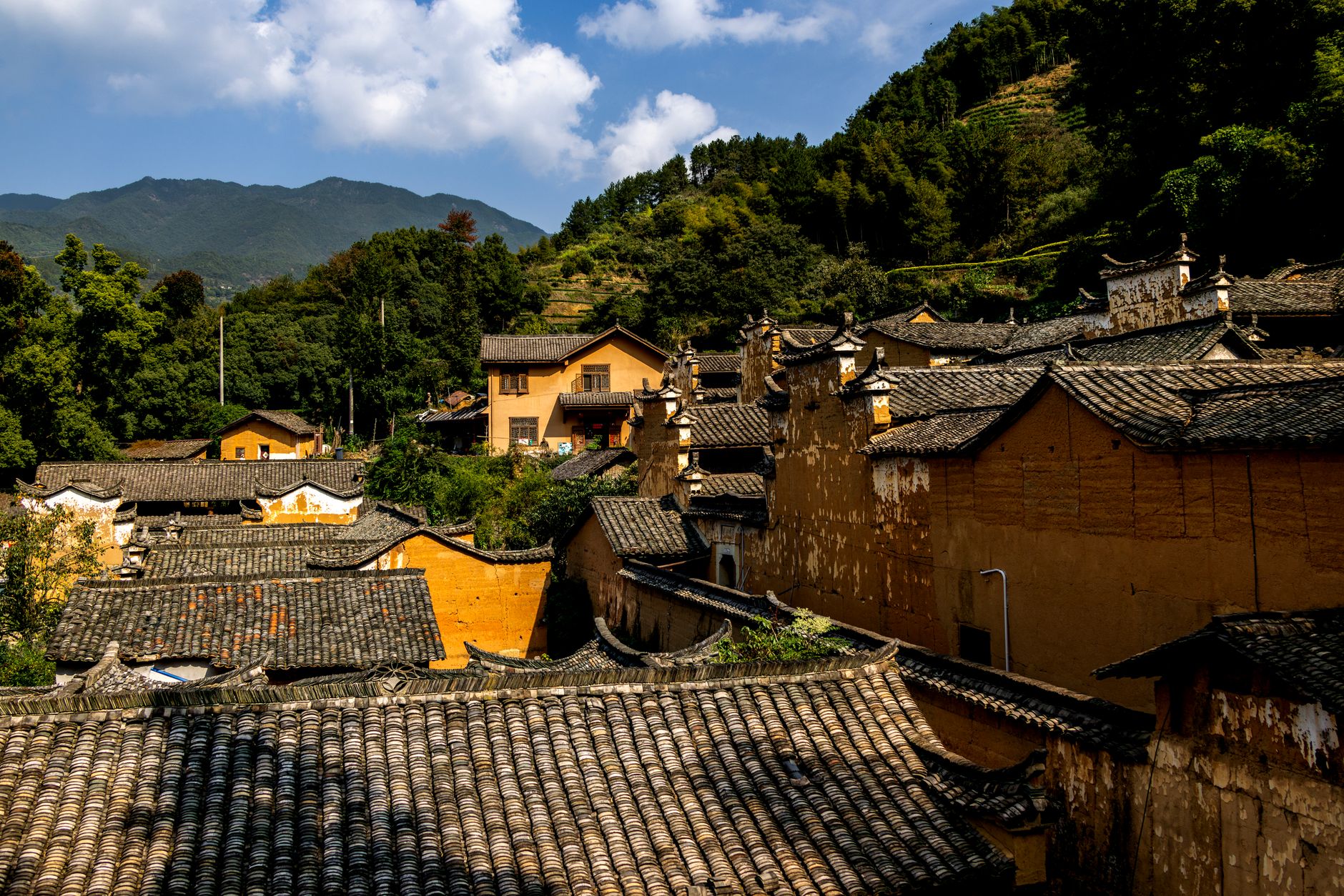

A Region Rewriting Its Own Story
Kurdistan Region of Iraq has spent decades defined by headlines about conflict, displacement, and military campaigns. That framing still shapes how most Western travelers think about the area – if they think about it at all. But the region’s tourism infrastructure has quietly grown into something that stands on its own terms, with mountain landscapes, ancient monasteries, and a bazaar culture that predates every modern border drawn across this part of the world.
The shift is not accidental. The Kurdistan Regional Government has made deliberate moves to position Erbil, Sulaymaniyah, and the surrounding highlands as viable destinations for independent travelers, not just journalists or aid workers passing through. Visa-on-arrival access for many nationalities, direct flights from several European and Gulf cities, and a hospitality tradition that treats guests with genuine warmth rather than commercial performance have all contributed to a slow but steady trickle of curious visitors willing to look past the warnings.
This is not war tourism dressed up in softer language.
The Mountains That Most Travelers Never Reach
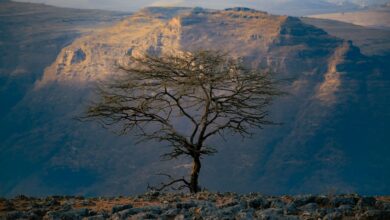
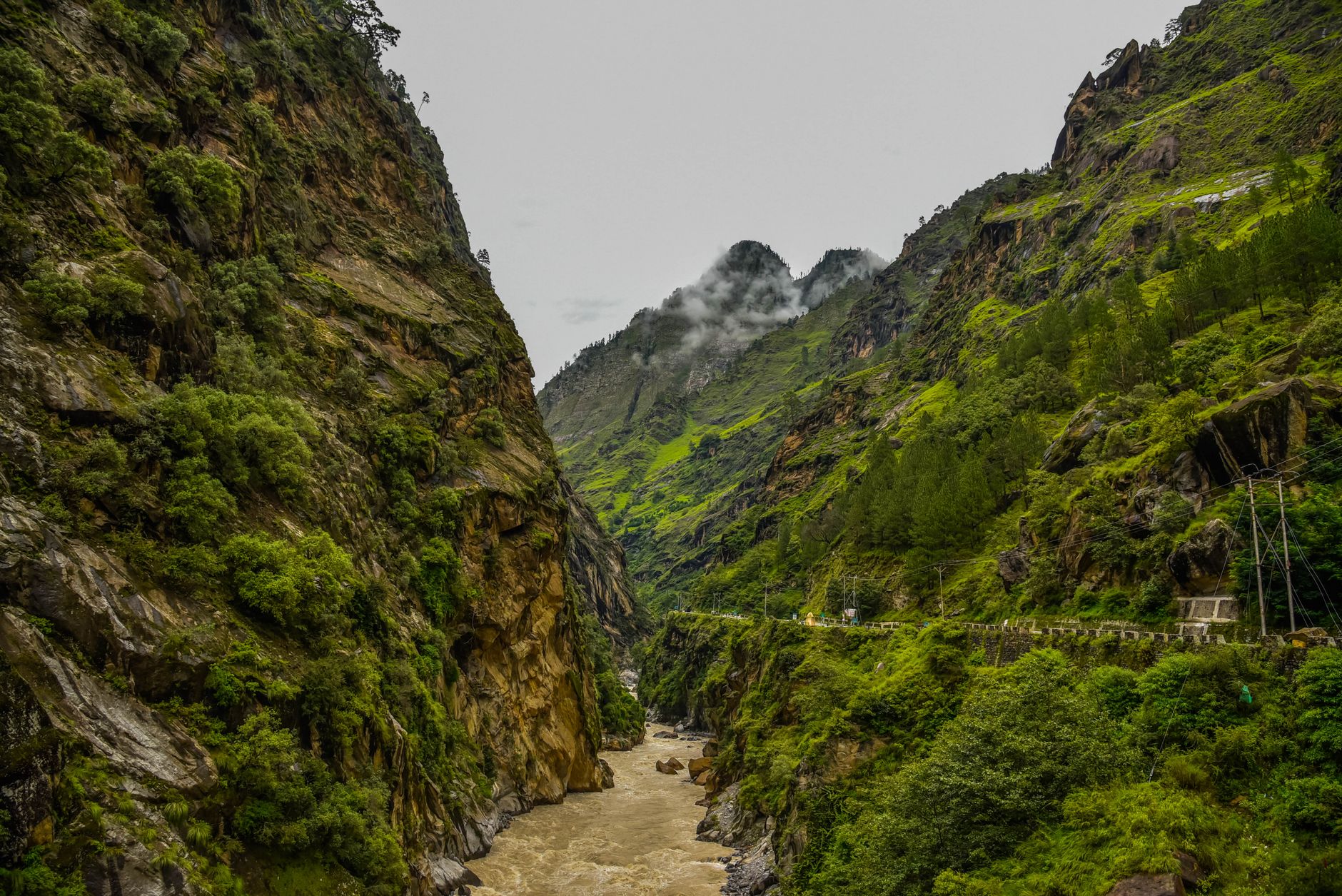
The Zagros Mountains running through the northeastern corner of Iraqi Kurdistan are among the most dramatically undervisited highland landscapes in the entire Middle East. Villages like Amadiya – perched on a flat-topped mountain plateau above the Dohuk Governorate – feel architecturally and atmospherically closer to medieval Anatolia than to anything most travelers associate with Iraq. The roads up are winding, the air is noticeably cooler than the plains below, and the seasonal wildflower bloom across the high valleys draws hikers who return year after year.
Rawanduz Gorge cuts through the mountains east of Erbil with a severity that stops most visitors mid-sentence. The gorge road, historically called the Hamilton Road after the New Zealand engineer who built it in the 1930s, follows a route so steep and narrow that it was once considered an engineering near-impossibility. Today it serves as one of the more scenic drives in the region, though the surrounding area remains rural enough that infrastructure is limited and travelers benefit from hiring a local guide rather than navigating independently. The nearest comparison in terms of raw landscape drama would be something like the Gorges du Verdon in France, but without the tourist crowds or roadside cafes every two kilometers.
Shanidar Cave, in the Bradost Valley near Rawanduz, carries a different kind of weight. Archaeological excavations at the site in the mid-20th century uncovered Neanderthal remains that contributed significantly to scholarly understanding of prehistoric burial practices – the so-called “flower burial” theory, though that interpretation remains debated. The cave itself is accessible and the surrounding valley is one of the most quietly beautiful in the region, with the Zab River running through it and Kurdish villages that have existed along its banks for centuries. Visiting requires some planning and the right season – summer and early autumn are most practical – but the payoff is a landscape that feels genuinely untouched by the mass-market travel industry.
Erbil and Sulaymaniyah as Urban Anchors
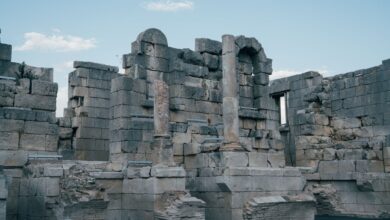
Erbil’s citadel – the Qalat – sits on a tell that has been continuously inhabited for somewhere between six and eight thousand years, making it one of the oldest continuously occupied settlements on earth. UNESCO placed it on the World Heritage List in 2014. The lower town surrounding it has been substantially rebuilt over the past two decades into a walkable mix of tea houses, kebab restaurants, carpet dealers, and jewelry shops where gold is sold by weight and the haggling is earnest. The citadel itself is still largely closed to regular visitors due to ongoing conservation work, but the base of the mound and the old bazaar quarter around it are completely open and absorb hours without effort.
Sulaymaniyah, about two hours southeast of Erbil, has a different character entirely – more intellectual, more secular in its street culture, and home to a contemporary arts scene that surprises nearly every first-time visitor. The Sulaymaniyah Museum holds one of the more significant collections of Mesopotamian artifacts in Iraq, including cuneiform tablets and Assyrian reliefs that in most countries would anchor a national museum’s entire identity. The city’s cafe culture, particularly around the Salim Street area, runs late into the evening with a mix of university students, poets, and diaspora Kurds who have returned from Europe and North America with expectations about coffee and conversation.
The food across both cities deserves more attention than it typically receives in travel writing. Kurdish cuisine sits at a crossroads of Persian, Turkish, and Arab culinary traditions without fully belonging to any of them. Slow-cooked lamb with pomegranate and walnut sauce, stuffed grape leaves prepared with a tanginess that differs from Lebanese or Greek versions, fresh flatbread baked in tandoor ovens and eaten with thick yogurt and herbs – the table in this part of the world is generous and the cooking is serious. Street food around the bazaars tends to be more honest than anything presented in formal restaurant settings.
The Practical Reality for Travelers
Most nationalities can obtain a visa on arrival at Erbil International Airport, though the rules shift periodically and verifying current requirements directly with the Kurdistan Board of Investment or a reliable travel agent before booking is strongly advisable. The security situation across the Kurdistan Region proper is broadly stable – different in meaningful ways from the rest of Iraq – but the region borders areas that remain volatile, and travelers who venture toward the administrative borders with the federal Iraqi government territory or toward the Iranian and Syrian frontiers need current, specific guidance rather than general reassurance. Flying into Erbil via Istanbul, Amman, or Dubai is the most common routing from Western departure points, with several carriers operating regular service.
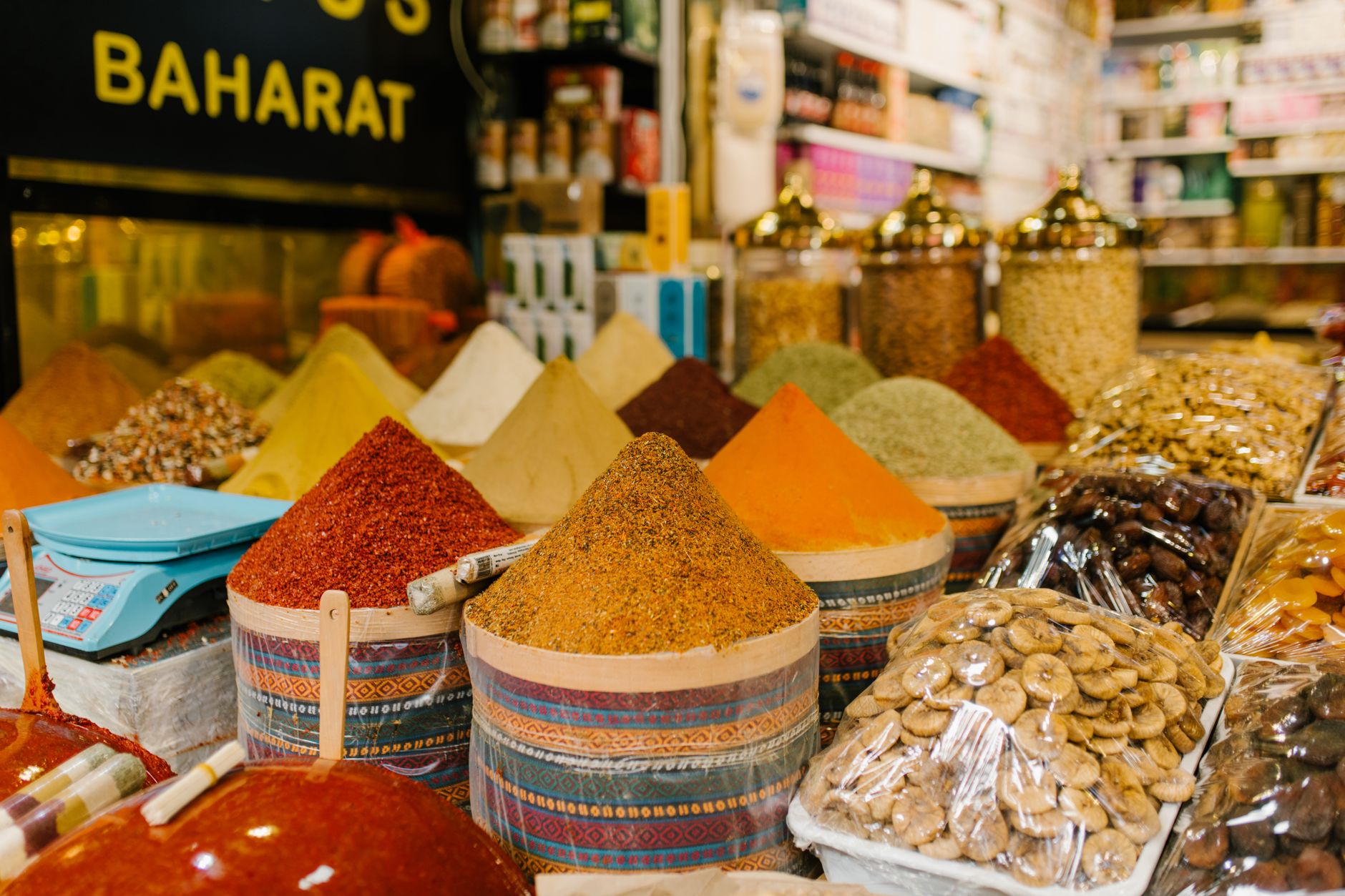
The traveler who thrives here tends to be comfortable with ambiguity, willing to ask for help, and genuinely curious rather than checklist-driven. Kurdistan Region is not yet set up for the kind of frictionless independent travel that parts of Jordan or Turkey offer. Signage is inconsistent, English outside major cities is limited, and some of the most worthwhile sites – particularly in the mountains – are much easier to reach with a local fixer or driver who knows the roads and the families along them. That friction, for the right traveler, is precisely the point. What is being traded away in convenience is paid back in the quality of encounter – the family that invites a stranger in for tea on a mountain road, the bazaar merchant who spends an hour explaining the provenance of a carpet without any particular expectation of a sale. Whether the region can hold onto that character as visitor numbers increase is an open question that nobody there seems entirely sure how to answer.