
Where the Desert Meets the Rain
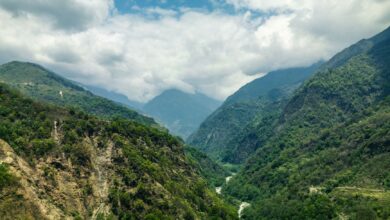
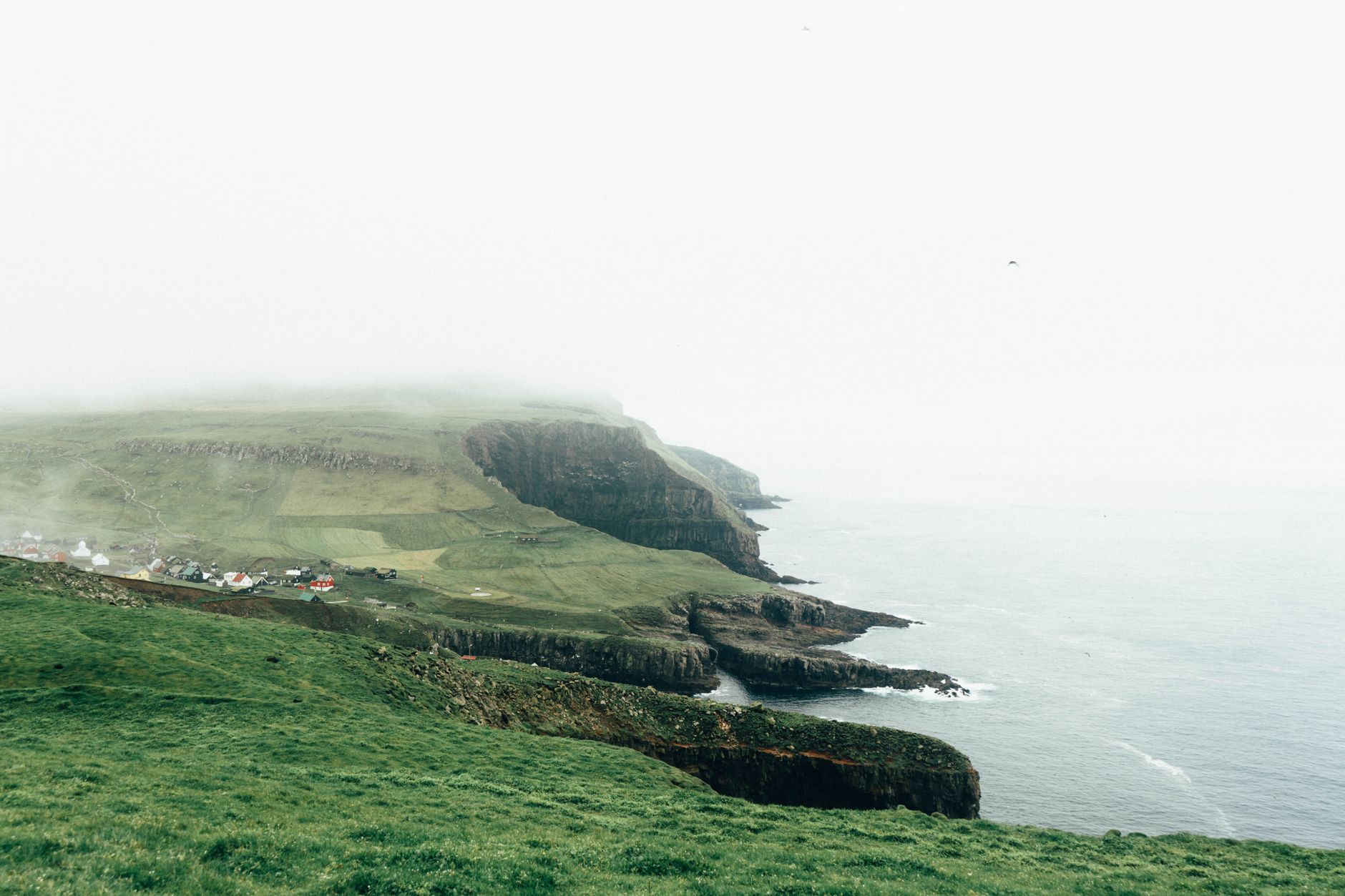
Every June, something strange happens to southern Oman. The Dhofar region, a stretch of coastline hugging the Arabian Sea near the Yemeni border, transforms from a sun-scorched plateau into a landscape that looks borrowed from the Scottish Highlands. Thick fog rolls in from the sea. Waterfalls appear on cliffs that were dry the month before. The grass turns a vivid, almost artificial green. Locals call it the khareef – the monsoon season that runs from June through September – and for a growing number of travelers who book flights to the Maldives every summer, Dhofar is making a serious case for a reroute.
The Maldives sells one thing exceptionally well: the fantasy of water. Overwater bungalows, turquoise lagoons, infinite horizon pools. Dhofar sells something harder to photograph and harder to forget – atmosphere. The sensation of standing on a cliff edge in Salalah, the region’s main city, watching a monsoon cloud swallow the sea while frankincense trees drip with condensation is not something that fits neatly into a resort brochure. That’s precisely why it hasn’t been overrun yet.
Oman’s Dhofar coast doesn’t market itself to monsoon chasers. They find it anyway.
What the Khareef Actually Looks Like on the Ground
The misconception most travelers carry into Dhofar is that the monsoon means rain in the conventional sense – downpours, flooded streets, cancelled excursions. The khareef is something else entirely. It delivers mist more than rainfall, a persistent coastal drizzle that cools temperatures from the region’s usual 40-plus degrees Celsius down to a genuinely pleasant 20 to 25 degrees. The effect on the landscape is dramatic without being inconvenient. You can walk the coastal hiking trails near Mughsayl, watch blowholes shoot seawater twenty meters into the air, and return to Salalah without ever needing an umbrella.
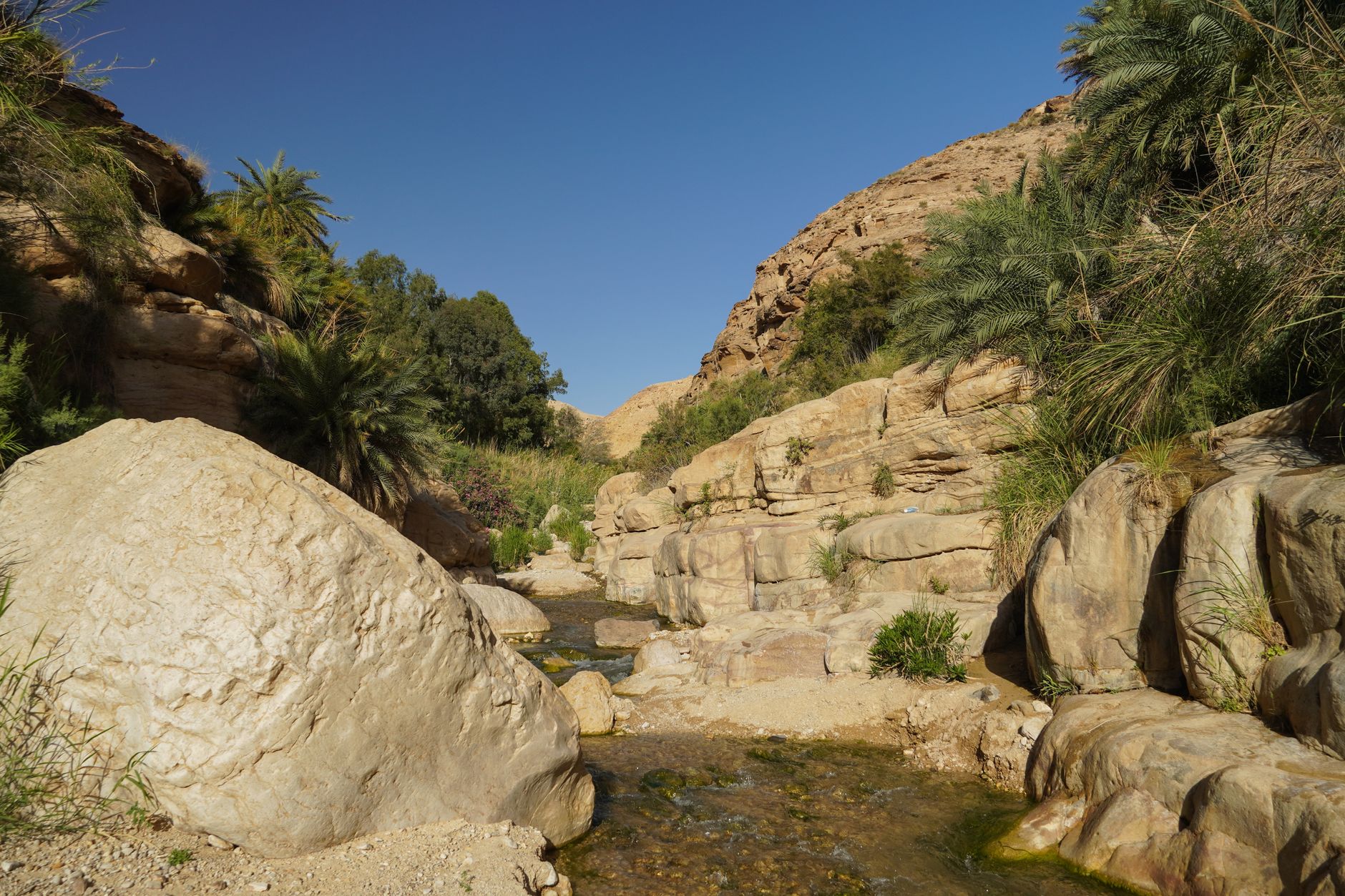
Wadi Darbat, a canyon-fed lake roughly 40 kilometers east of Salalah, becomes the region’s centerpiece during the season. The wadi fills from monsoon runoff and creates a waterfall that drops into a valley thick with cattle, frankincense trees, and the occasional herd of camels. There’s nothing staged about it. No resort shuttle drops you at a viewpoint. You drive a standard rental car along a road that gets muddier as it climbs, park where the pavement ends, and walk. The access – or lack of polished infrastructure around it – is part of what keeps the experience honest.
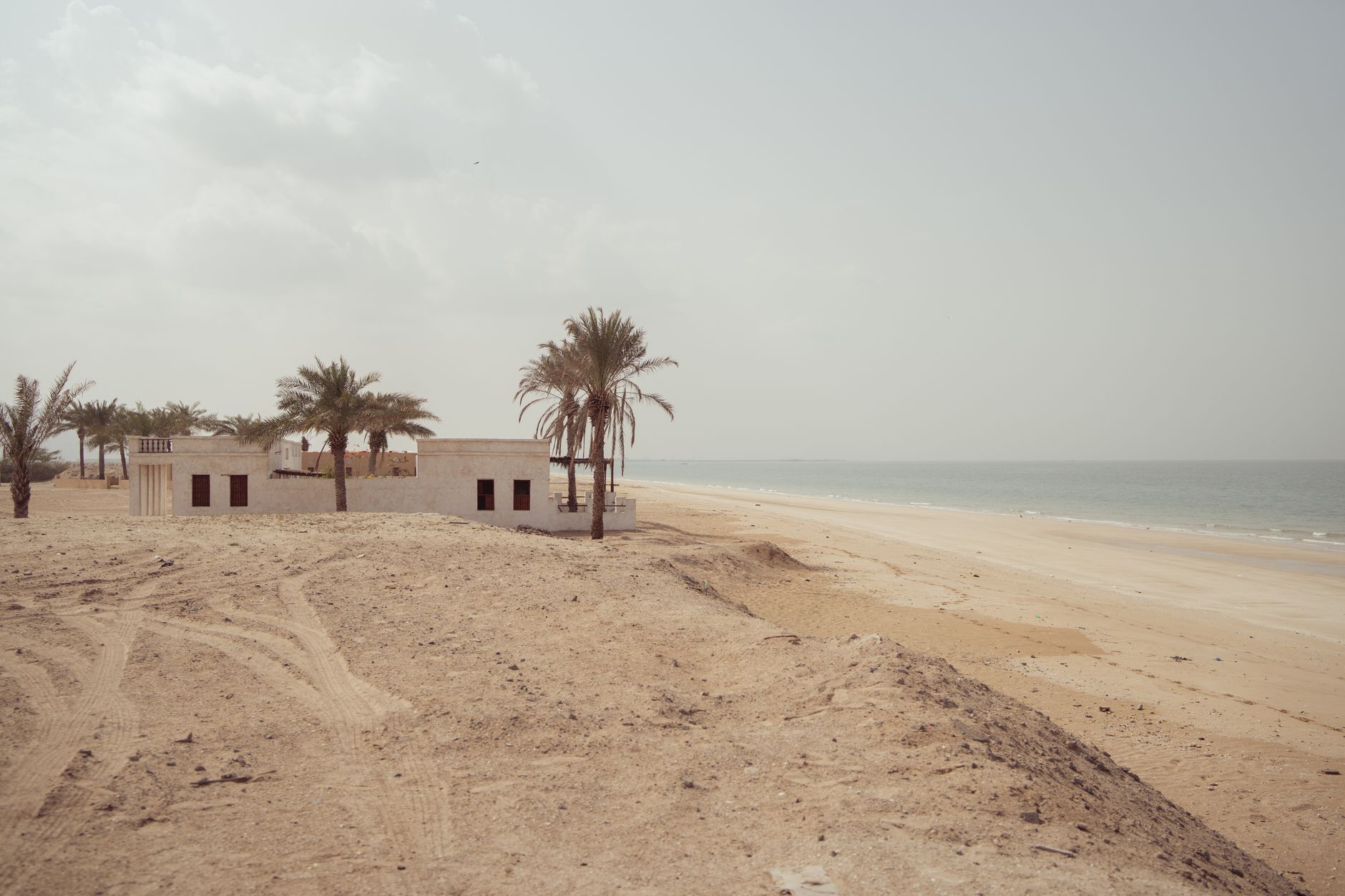
Salalah itself carries the weight of being a real city alongside its tourism identity. The souks sell dried limes, fresh coconut milk, and frankincense resin by the kilo. The fish market runs at dawn, and it runs for locals. The beaches along the corniche – particularly Fazayah, a white-sand stretch near the Yemeni border that requires a permit and a willingness to drive through a military checkpoint – are the kind of empty that the Maldives stopped being a decade ago.
The Practical Case for Choosing Dhofar Over a Resort Island
Cost is the obvious starting point. A week in the Maldives at a mid-range overwater villa, once you factor in the seaplane transfer, the mandatory full-board meal plan, and the exchange rate on anything sold at the resort, runs into figures that require some financial preparation. A week in Salalah during the khareef – flights from Dubai are under two hours and often under $150 return – lands you in a city with functioning supermarkets, independent restaurants serving Omani, Indian, and East African food reflecting the region’s trade history, and hotels ranging from international brands to genuinely good locally-run guesthouses, none of which require you to pay $30 for a cocktail by a pool.
The logistical freedom matters more than the price gap. In the Maldives, you stay on your island. Movement between atolls requires coordination, additional transfers, and additional cost. In Dhofar, a rental car opens the entire coast. You can be at the Marneef Cave blowhole at sunrise, drive east to the ruins of Sumhuram – an ancient frankincense trading port with a legitimately remarkable view over Khor Rori lagoon – and end the afternoon at a beach that has no name on Google Maps and no sunbeds on the sand. That kind of day doesn’t exist in a resort architecture built around keeping guests on-property.
The Maldives comparison isn’t entirely fair, and it doesn’t need to be. They serve different travel moods. The Maldives is for people who want their environment to disappear and their hotel to take over. Dhofar is for people who want the environment to be the entire point. The seasonal overlap is real, though – both peak during the Northern Hemisphere summer – and the traveler profile that has recently started showing up in Salalah in June and July looks a lot like the traveler who’s already done the Maldives twice and is looking for the sensation of discovering something before the algorithm does it for them.
A Region That Hasn’t Caught Up to Its Own Appeal
Oman’s tourism infrastructure in Dhofar is good enough to visit comfortably and underdeveloped enough that the region still feels like a place rather than a product. The Royal Opera House Muscat and the capital’s polished museums get the international press attention. Dhofar gets the frankincense World Heritage listing, a seasonal traffic surge from Gulf nationals driving down for the cool weather, and relative silence from the international travel industry – which, for anyone willing to book a flight on the basis of a landscape description rather than a loyalty points redemption, is exactly the right condition to walk into right now.