
Where the Desert Meets the Sea
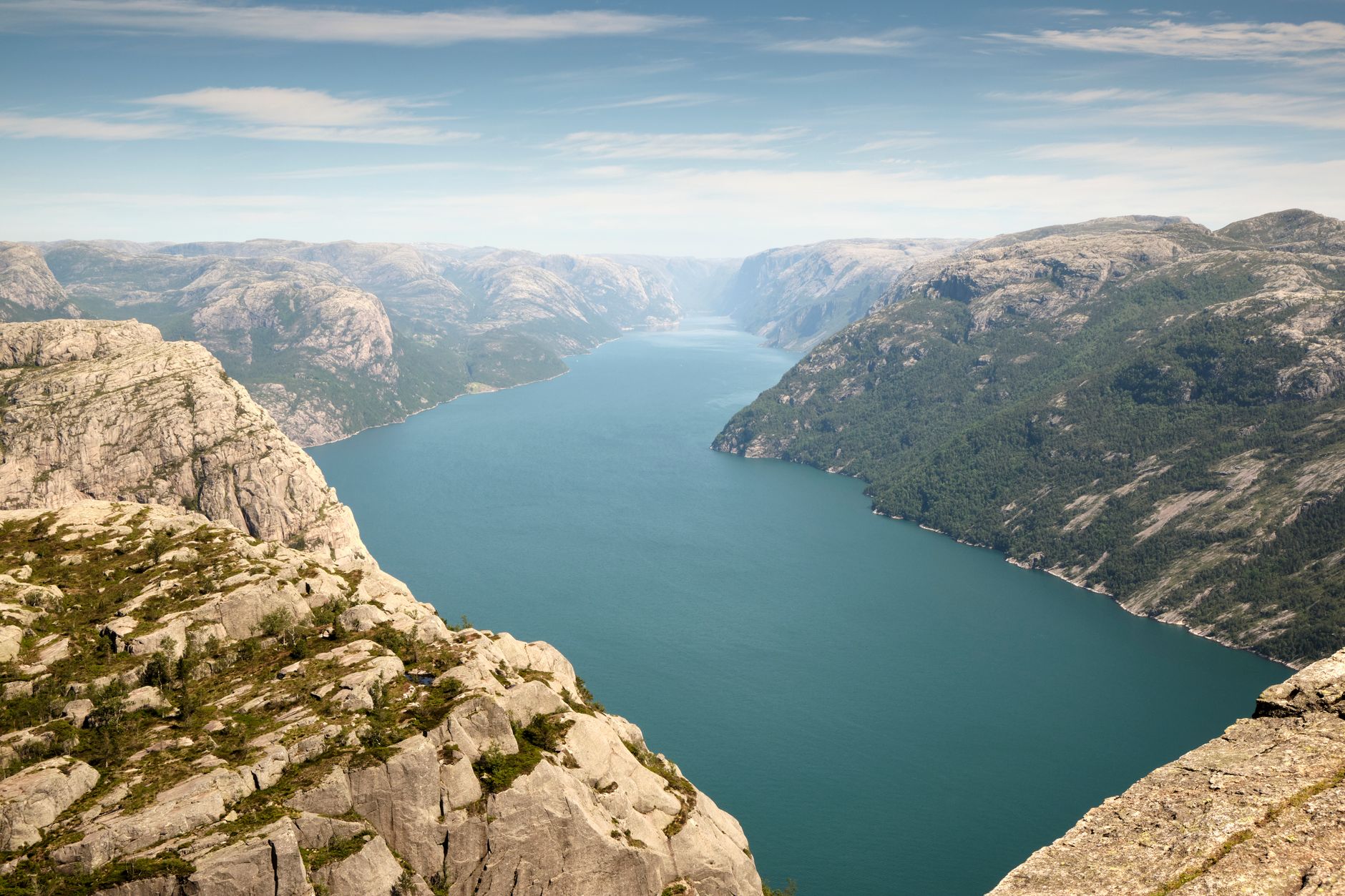
The Musandam Peninsula juts into the Strait of Hormuz like a broken jaw of limestone, severed from the rest of Oman by a stretch of UAE territory. Its coastline is a labyrinth of narrow inlets called khors – channels carved by geological force rather than glacial ice, yet bearing a striking visual resemblance to the fjords of western Norway. The cliffs drop vertically into water so clear that anchored boats appear to float in midair, their hulls visible twenty feet below the surface.
Sailors who have done both routes tend to get quiet when asked to compare them. Musandam offers something Norway cannot replicate in summer: near-total solitude, water temperatures that invite swimming without a wetsuit, and a crossing backdrop of burnt-ochre rock against a sky that rarely clouds over. Norway gets the Instagram traffic. Musandam gets the serious sailors.
The Khasab Base and Getting There
Most sailing itineraries in Musandam begin in Khasab, the peninsula’s main town and the only point with reliable provisioning, fuel, and charter access. The town is accessible by road from Dubai in roughly two hours, or by direct flight from Muscat – a detail that matters for liveaboard sailors positioning a boat from Oman’s capital. Khasab’s harbor is small but functional, and local charter operators have built the infrastructure to handle everything from bareboat rentals to fully crewed dhow expeditions.
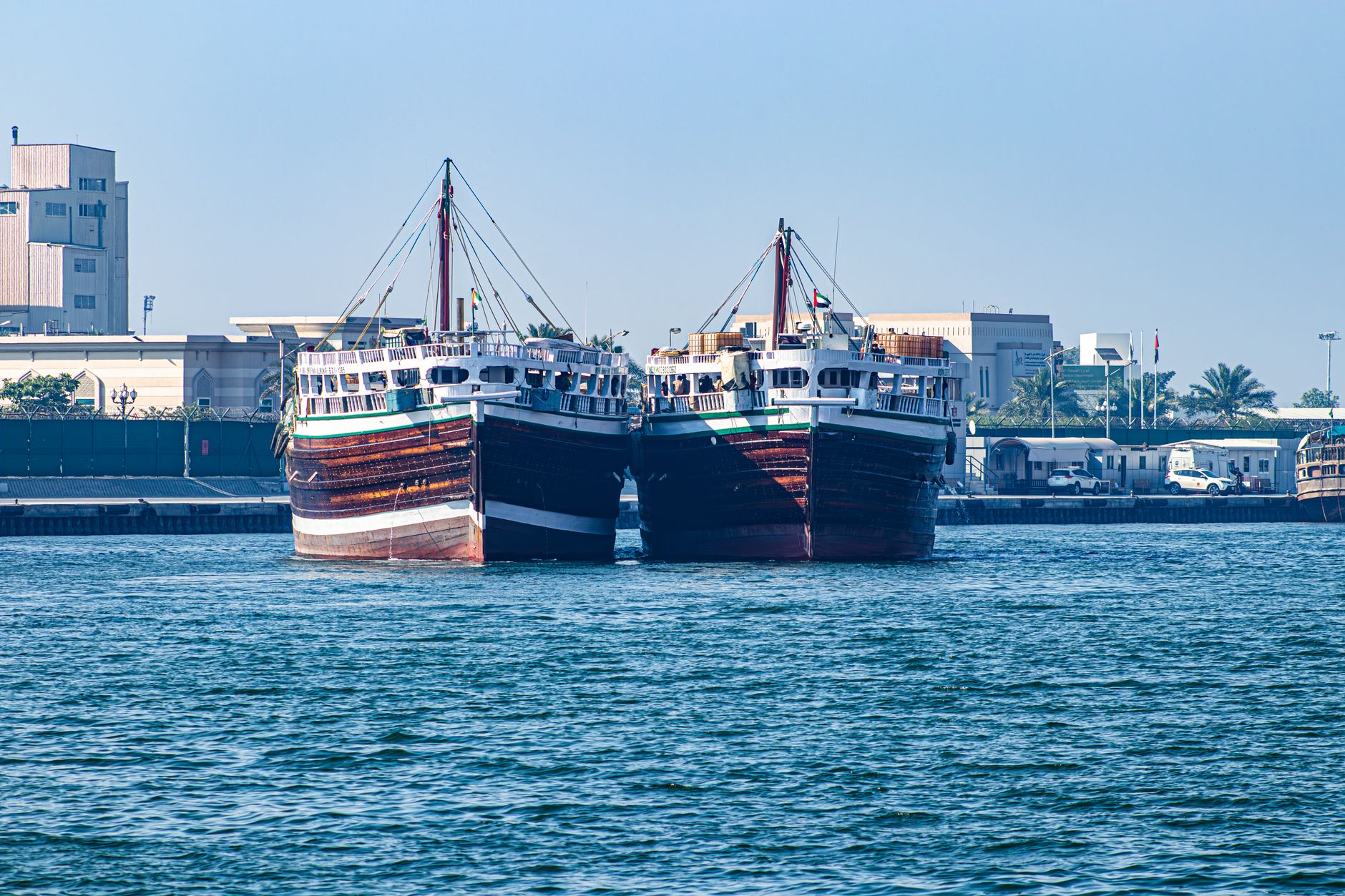
The dhow option deserves more attention than it typically gets. Traditional Omani wooden dhows – wide-beamed, shallow-drafted, and rigged for the Arabian Sea – can be hired with a local captain for multi-day khor explorations. They move slowly, which is exactly the point. The pace forces you to notice the dolphins that follow the bow, the osprey nests on narrow rock shelves sixty feet above the water line, and the occasional fishing village accessible only by sea. Some of these settlements have no road connection whatsoever.
Visa logistics are worth planning carefully. Musandam is an Omani exclave, meaning entry requires an Omani visa even if you are already holding a UAE residence permit or visit visa. Sailors crossing from Dubai by boat are technically entering Oman at the maritime border and must clear with the Royal Oman Police Coast Guard at Khasab. The process is well-documented and generally straightforward, but skipping it creates real problems. A number of charter companies now handle this paperwork as part of their booking package.
The Khors: Musandam’s Core Sailing Route
Khor ash Sham is the longest and most dramatic of the inlets, stretching roughly 16 kilometers inland from the Strait of Hormuz. Sailing into it feels like entering a different atmosphere – wind drops, the walls close in, and sound bounces off the limestone in ways that make conversation feel amplified. The water depth stays substantial even close to the cliff faces, which allows anchoring in positions that would be unsafe in shallower fjord systems. On calm evenings, the reflection of the rock walls turns the water into something resembling a mirror cut in half.
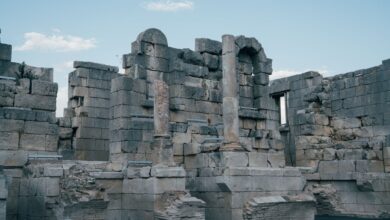
Telegraph Island sits at a bend in Khor ash Sham, and its ruins are one of the more curious historical footnotes in the region. British engineers stationed a telegraph relay station here in the 1860s as part of the undersea cable network connecting India to Europe. The isolation was reportedly so extreme that it gave rise to the expression “going round the bend” – a claim that may be apocryphal but has attached itself to the site with remarkable persistence. The ruins themselves are modest, but anchoring nearby and swimming ashore for an hour puts the remoteness in physical context.
Khor Najd is a sharper contrast – shorter, narrower, and accessible by road from Khasab via a mountain pass that offers its own spectacular views. This means it occasionally sees day visitors by land. But arriving by water is a different experience entirely. The channel opens suddenly after a tight approach between cliffs, widening into a calm bay ringed by terraced rock and occasional date palms. It is one of the few points in Musandam where the landscape softens slightly, and it makes for a natural overnight anchorage when the wind picks up in the outer strait.
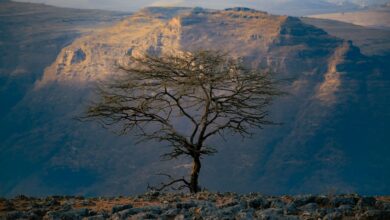
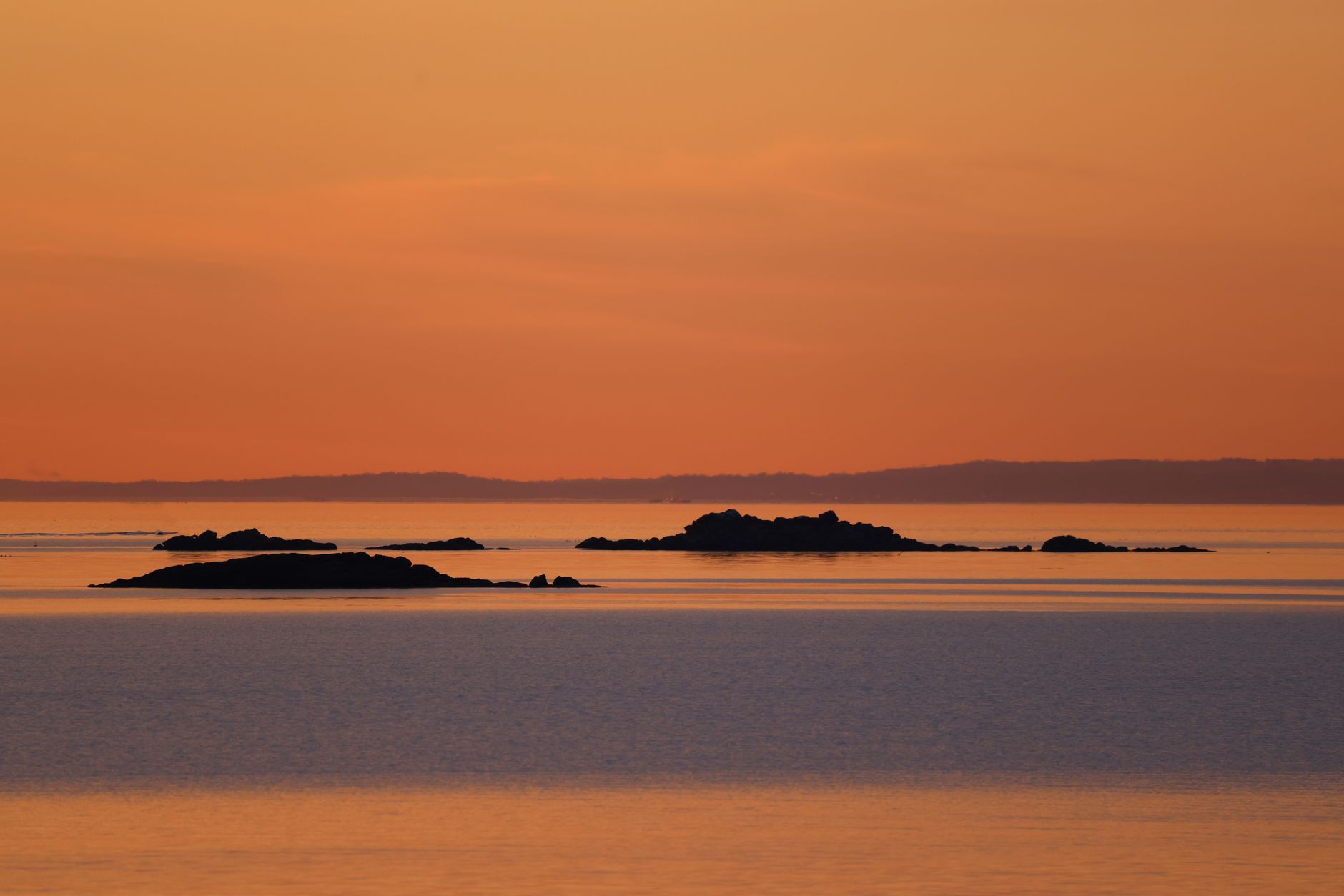
The comparison to Norway holds most firmly at dawn and dusk, when low-angle light turns the cliffs amber and the water goes flat. What Musandam adds that Scandinavia cannot match is the cultural layer: passing fishing boats crewed by men in dishdasha, the faint smell of frankincense from a settlement hidden somewhere above the waterline, and a coastline that has seen maritime trade since before written records. Norway’s fjords are geologically spectacular. Musandam carries a different kind of weight.
Conditions, Seasons, and Who This Is For
The sailing window in Musandam runs from October through April, when the Shamal wind – a consistent northwesterly that funnels through the Strait of Hormuz – provides reliable reaching conditions between the khors. Outside this window, summer heat becomes a limiting factor for anyone without full air conditioning aboard, and the Shamal can turn aggressive in ways that make channel sailing uncomfortable rather than pleasant. October and March are the sweet spots: settled weather, manageable winds, water temperatures in the mid-70s Fahrenheit.
Musandam is not a beginner’s destination. The tidal flow through the Strait of Hormuz is among the most commercially trafficked waterways on earth, with tanker traffic that requires constant AIS monitoring and careful routing. The khors themselves are calmer, but the approaches demand attention to wind funneling effects – cliff walls accelerate apparent wind in ways that can surprise sailors used to open-water conditions. Bareboat charter companies here typically require a higher documented experience threshold than equivalent operators in the Mediterranean.
For sailors who meet that bar, the reward is a kind of access that most sailing destinations have lost. There is no marina waiting at the end of Khor ash Sham. There is no waterfront restaurant serving cold beer at the base of the cliffs. What there is instead is an anchorage shared with maybe one other boat, the occasional visit from a curious dolphin pod, and cliff walls going orange then red then purple as the light leaves. Norway will always have the glacial mythology and the infrastructure to match. Musandam simply has the water, the silence, and the stone.