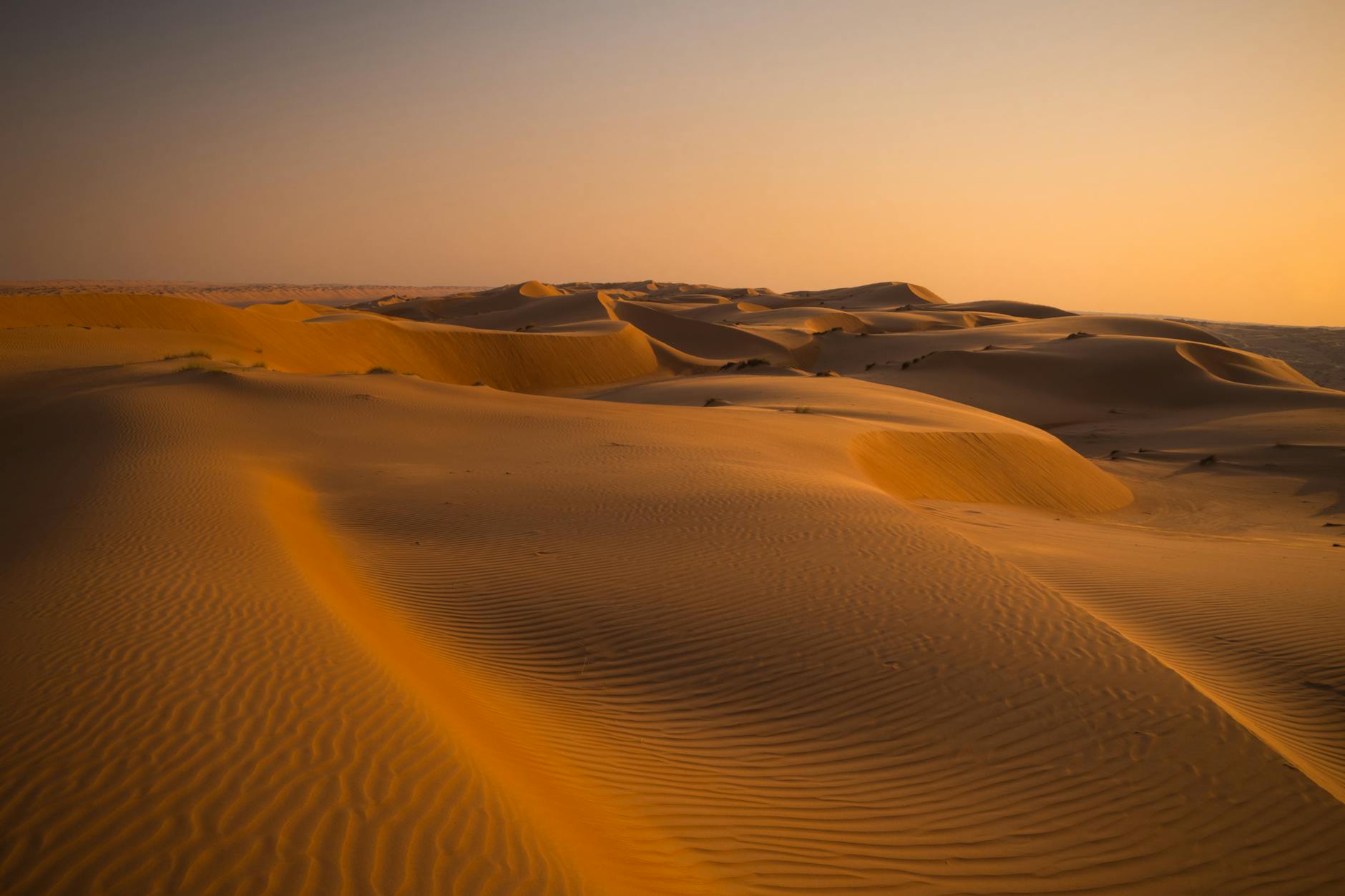

Oman’s Wahiba Sands Draws a New Kind of Desert Visitor
The Wahiba Sands – a vast sea of rust-colored dunes stretching across roughly 12,500 square miles of eastern Oman – has never been a destination for the impatient. Getting there requires a four-wheel drive, a willingness to surrender phone signal, and a certain comfort with silence that most urban travelers spend years trying to rediscover. That particular friction, which once kept visitor numbers modest, is now the attraction itself.
A growing segment of travelers is deliberately choosing destinations that resist speed. The Wahiba Sands fits that demand almost perfectly – no city grid to orient yourself by, no schedule worth keeping after sunset, no ambient noise except wind reshaping the dunes overnight. Slow travel campers, a loosely defined but recognizable group who prioritize duration and depth over itinerary density, have identified this corner of the Arabian Peninsula as somewhere worth staying for a week rather than an afternoon.
What Slow Travel Actually Looks Like Here
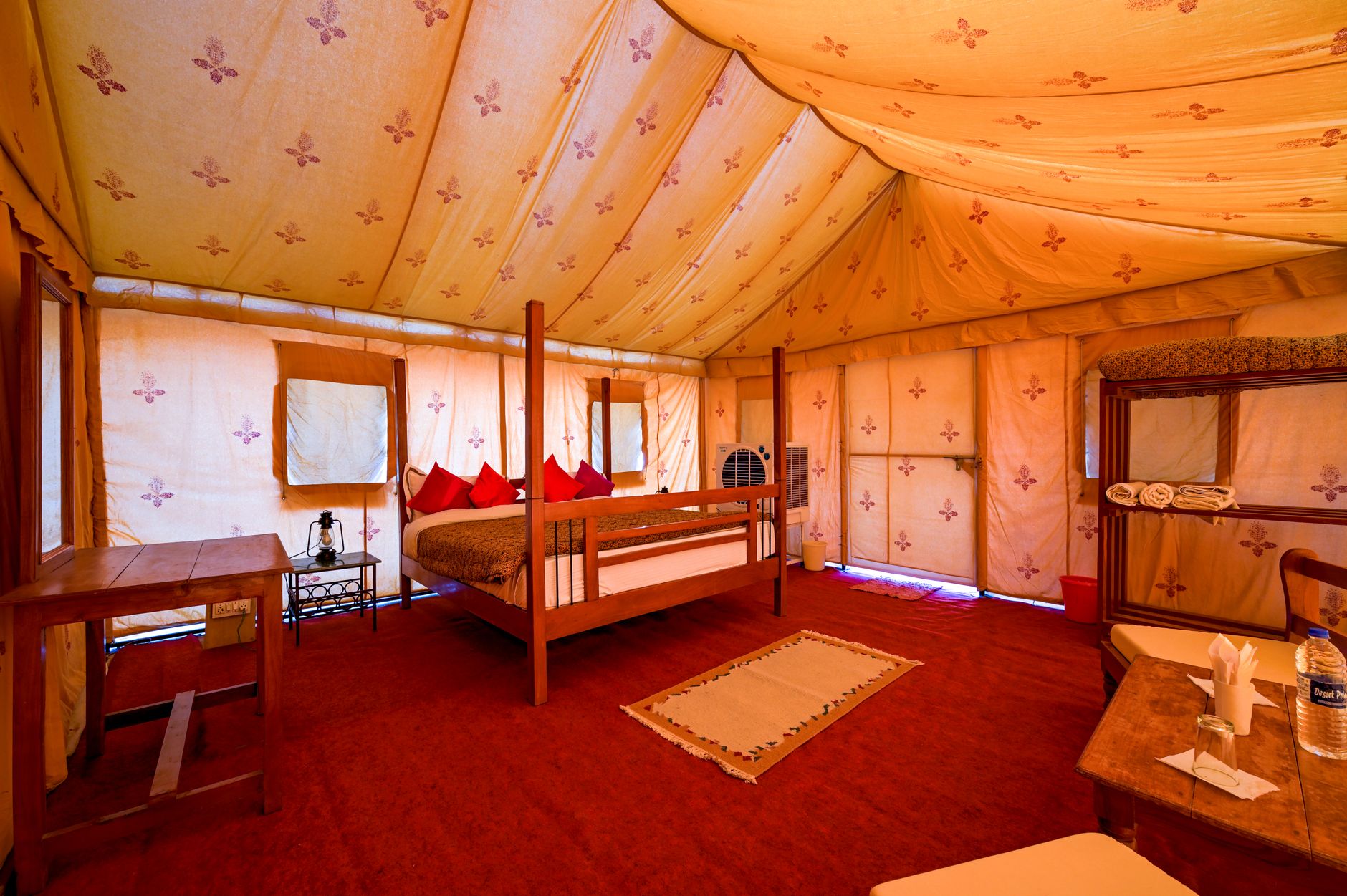
In practice, slow travel camping in the Wahiba Sands rarely involves roughing it in the traditional sense. A range of Bedouin-influenced camps – some permanent, some semi-permanent – offer canvas-walled shelters with elevated beds, battery-powered lanterns, and open-air dining areas where meals follow the rhythm of the desert rather than a fixed restaurant clock. The distinction between these setups and standard desert tours is largely one of pace. Day-trippers arrive at dawn and leave before the heat peaks. Slow campers stay through it, experiencing the full thermal cycle of a desert day, including the extraordinary stillness of early afternoon when little moves except heat shimmer on the horizon.
The appeal is partly sensory and partly philosophical. Guests who commit to three or more nights report a noticeable recalibration – the first day feels long, the second feels like adjustment, and by the third, the absence of ordinary stimulation starts to feel restorative rather than depriving. Camps in the region have begun structuring their offerings around this arc, designing programs that front-load orientation activities like guided dune walks and camel handling, then deliberately reduce scheduled programming as the stay progresses, leaving later days open for unstructured time in the landscape.
Some operators have taken that philosophy further by removing clocks from common areas entirely. The logic is straightforward: the desert has its own temporal markers – the angle of morning light, the temperature of the sand at midday, the speed at which stars appear after the sun drops – and guests who attune to those cues instead of their phones tend to leave feeling they have actually been somewhere rather than merely photographed it. This is a hard thing to bottle and market, which may be why the camps that do it best tend to rely on word of mouth rather than paid promotion.
The culinary dimension deserves attention separately. Traditional Omani desert hospitality centers on slow-cooked lamb, dried limes, and cardamom-laced coffee served without any apparent hurry on either side. Camps that lean into this tradition rather than substituting it with more familiar international menus give guests something they cannot replicate at home. For slow travel campers specifically, sitting with a host family or a camp guide through an unhurried meal is often cited as the most memorable part of a visit – more so than any particular dune or sunset.
The Bedouin Element and Why It Matters
The Wahiba Sands is not an empty desert. The Bani Wahiba and Bani Bu Ali tribes have lived and moved through this landscape for centuries, and several camps operate with direct Bedouin involvement – either through ownership, employment, or formal partnership arrangements with local families. For travelers who arrive with slow-travel intentions, this is not incidental. Engaging with the people whose knowledge shaped the landscape is exactly the kind of contact they are seeking, and it tends to change the character of a stay considerably. A guide who was born in the desert navigates dune orientation differently than one who learned it from a training manual.
This connects to a broader conversation happening across immersive desert tourism globally. The slow travel approach that has taken hold in places like Oman’s interior shares a similar philosophy with floating glamping experiences in Vietnam’s Mekong Delta – both center the idea that meaningful travel requires sustained contact with a living culture, not a curated highlight reel of it. In the Wahiba Sands, that means learning to read wind patterns from someone whose grandfather read the same patterns, or understanding why certain dunes are used as navigation landmarks and others are deliberately avoided.
Practical Realities of Desert Camping in Oman
Oman’s relatively stable infrastructure makes the Wahiba Sands more accessible than comparable desert destinations in the region. The drive from Muscat takes roughly three hours on paved road to the desert’s edge, after which a guide or experienced driver handles the off-road approach. October through March is the primary season – daytime temperatures stay manageable in the high twenties to low thirties Celsius, and nights drop cool enough to require a light layer, which is genuinely pleasant for sleeping outdoors under an unobstructed sky.
Water supply and waste management are the logistical realities that responsible camps are increasingly transparent about. The better operations use sealed water tanks replenished by scheduled supply runs, dry-composting toilet systems, and strict policies about leaving no materials in the dunes. Guests arriving with slow-travel values tend to be receptive to these constraints – they are part of a broader ethic about being in a place without degrading it, and camps have found that explaining the rationale behind each system generates more compliance and appreciation than simply posting rules on a sign.
Pricing across the spectrum of Wahiba Sands camps varies considerably. At the basic end, a night in a shared Bedouin-style tent with meals runs modestly by Western travel standards. At the higher end, private tent structures with ensuite facilities and dedicated guide time push into premium territory. The slow travel demographic tends to gravitate toward the mid-range options – not because cost is the primary driver, but because heavily engineered luxury can undermine the stripped-back quality they specifically came for. A camp that over-designs the experience can make the desert feel like a theme park version of itself, which defeats the purpose entirely.
Why This Is Happening Now
The rise of slow travel camping in places like the Wahiba Sands is not happening in a vacuum. Travel behavior shifted noticeably after years of disrupted mobility – people who had previously optimized trips for maximum coverage came back to travel with different questions. Instead of asking how many countries fit into two weeks, a measurable number of travelers started asking what it would feel like to stay in one place long enough to understand something about it. Desert environments, which offer very little distraction and demand a kind of presence that city breaks do not, became an obvious answer.
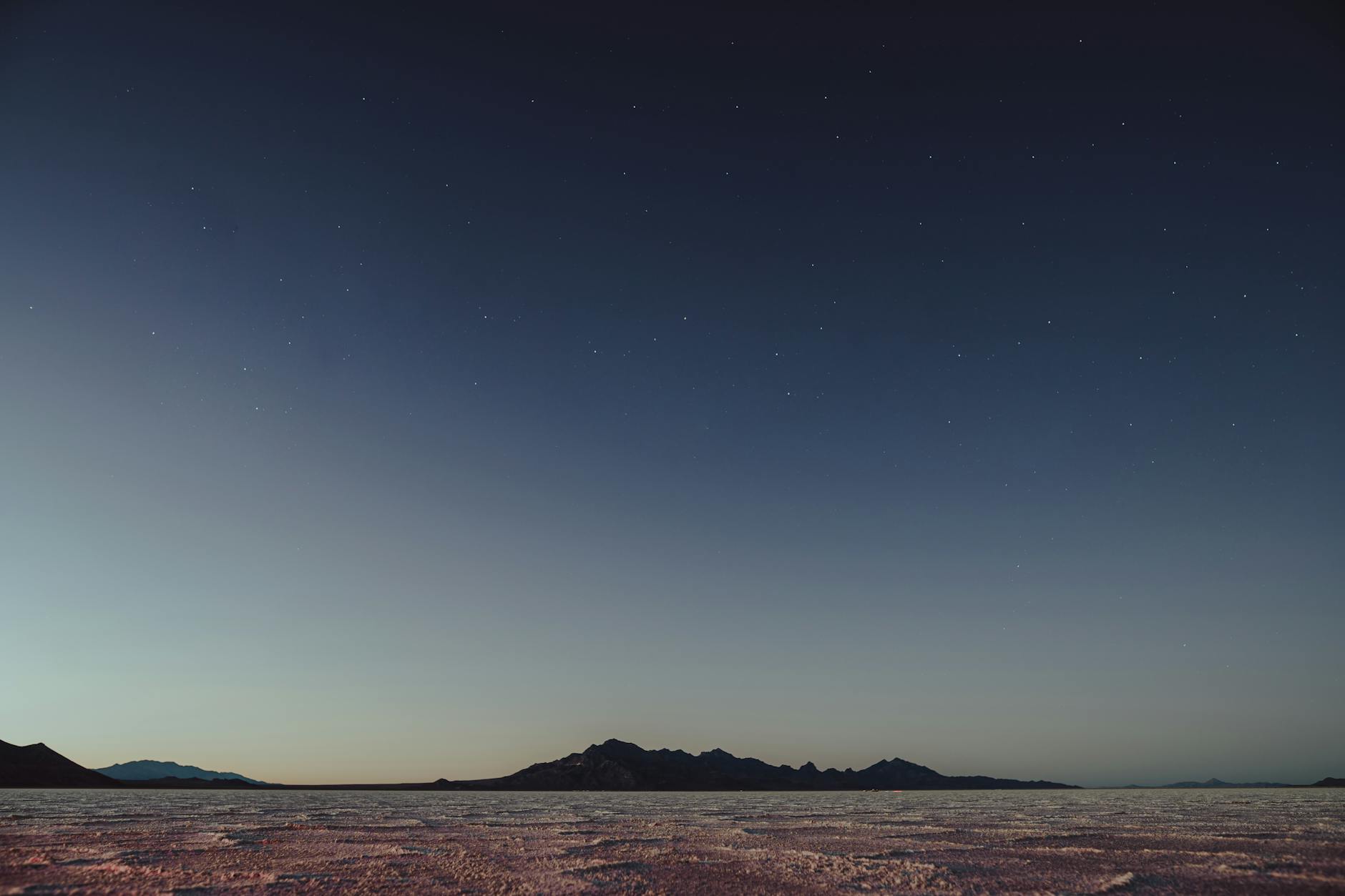
Oman specifically benefits from a long-standing reputation for safety, genuine hospitality, and landscapes that have not yet been worn smooth by mass tourism. The Wahiba Sands lacks the name recognition of the Sahara or the Wadi Rum, which is precisely why travelers who research carefully tend to find it more rewarding. The dunes have not been divided into tour zones, the camps do not share a parking lot, and there are still mornings when a guest can walk out before sunrise and see nothing in any direction except sand and sky – no other footprints, no distant vehicle dust, nothing suggesting that anyone else is out there at all.
Frequently Asked Questions
When is the best time to visit the Wahiba Sands for camping?
October through March offers the most comfortable conditions, with manageable daytime heat and cool nights ideal for sleeping outdoors.
How do you get to the Wahiba Sands from Muscat?
The drive takes roughly three hours on paved road to the desert’s edge, after which a guide or experienced driver handles the off-road approach.