
Every spring, Kashmir draws the crowds – the photographers, the honeymooners, the bucket-listers clutching maps of Srinagar’s Mughal gardens. But roughly 1,300 kilometers north, tucked into Pakistan’s Gilgit-Baltistan region, Hunza Valley stages an equally spectacular bloom with a fraction of the foot traffic and none of the geopolitical anxiety that often shadows a Kashmir visit.
A Valley That Earns Its Reputation in Petals
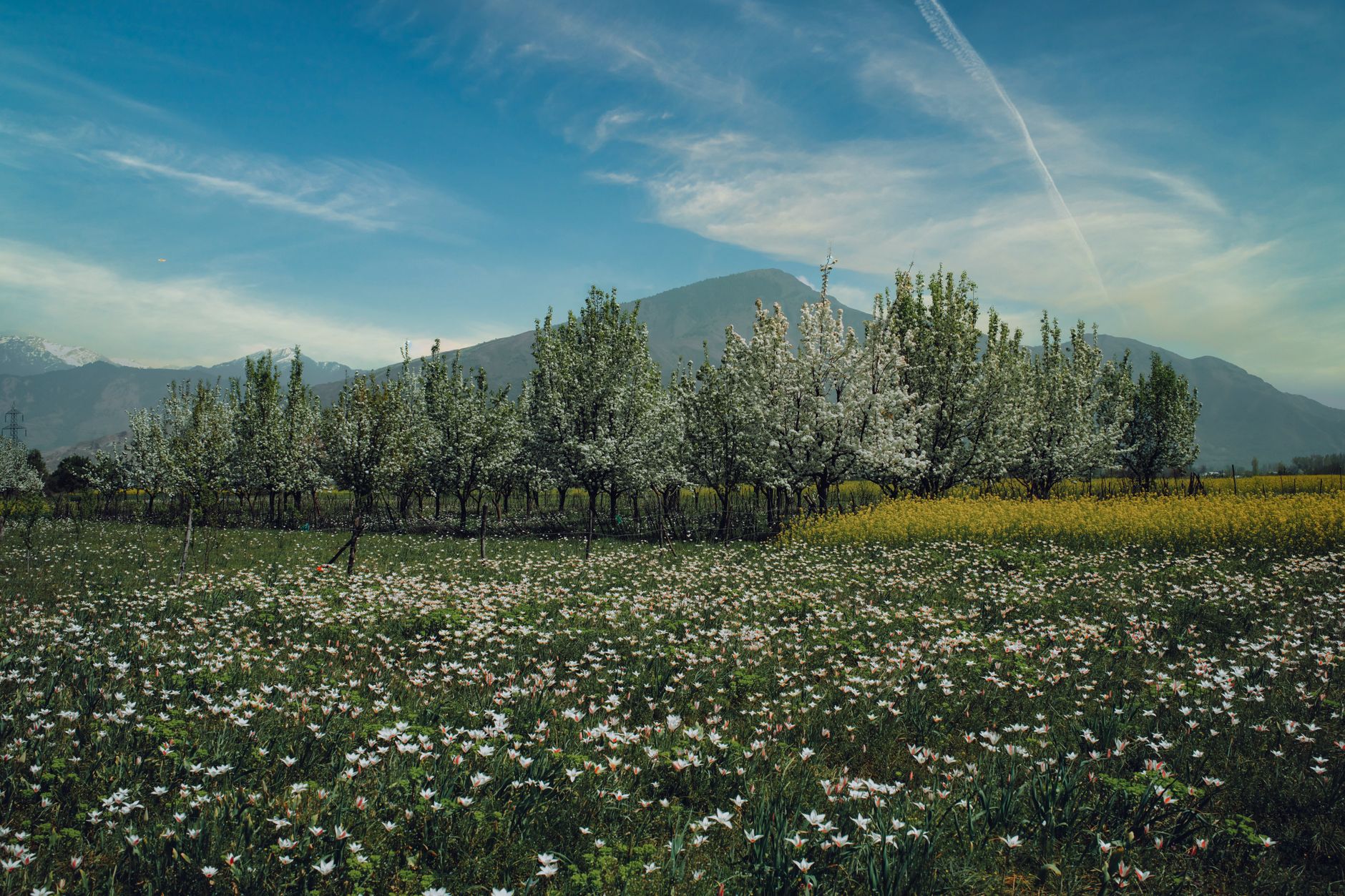
Hunza’s blossom season typically runs from late March through mid-April, when the apricot, cherry, and almond trees lining the valley floor break into white and pale pink clouds against a backdrop of snow-capped peaks topping 7,000 meters. The timing shifts slightly each year depending on winter temperatures, so serious blossom travelers track local weather reports and connect with guesthouses in Karimabad – the valley’s main hub – to confirm the optimal window before booking flights into Gilgit.
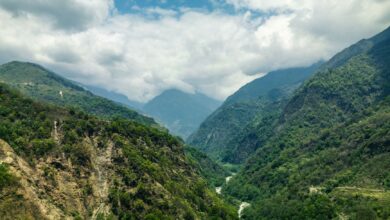
What makes Hunza genuinely different from other blossom destinations is the vertical drama. In Japan’s Yoshino or South Korea’s Jinhae, blooms spread across relatively flat terrain. Hunza layers them up canyon walls and terraced fields that climb toward the Karakoram Highway, framing every shot with Rakaposhi or Ultar Sar looming in the background. The scale is almost theatrical – apricot groves tumbling down from old Baltit Fort, which has watched over the valley for six centuries, while glaciers glint above the treeline.
The region’s relatively arid climate means the bloom period is compressed and intense. Because Hunza sits in a high-altitude rain shadow, the trees don’t leaf out gradually – they erupt. This creates a narrow but spectacular window that feels less like a seasonal transition and more like an event, which is exactly what draws a growing number of photographers willing to make the journey from Islamabad by road or through the small Gilgit airport.
Karimabad itself is compact and walkable, built into the hillside above the Hunza River gorge. The town has a genuine mountain-village feel that hasn’t been smoothed over by resort development. Stone houses, terraced gardens, and narrow lanes connect the old fort district to a strip of guesthouses and local restaurants serving chapshuro – a meat-stuffed flatbread that becomes the default lunch for anyone spending more than a day hiking the lower trails.
Getting There Without the Runaround
The most straightforward route into Hunza runs along the Karakoram Highway from Islamabad, a journey of roughly 600 kilometers that most travelers split across two days with an overnight stop in Chilas or Besham. The highway itself is one of the highest paved international roads on earth, cutting through gorges where the Karakoram, Himalayan, and Hindu Kush ranges converge – a geography so concentrated that the drive alone justifies a detour from any broader Pakistan itinerary.
Flying into Gilgit cuts travel time significantly, though PIA’s Islamabad-Gilgit route is famously weather-dependent. Mountain airports operate on visual flight rules, meaning a single cloudy morning can ground a full day of departures. Travelers who build in buffer days tend to avoid the frustration; those on tight schedules often find the road more reliable despite taking longer. From Gilgit, Karimabad is about two hours by car – a route that passes the confluence of the Hunza and Gilgit rivers and several roadside checkpoints requiring foreign visitors to register their passport details.
Pakistan’s e-visa system has made entry considerably more straightforward for citizens of most Western and East Asian countries over the past several years. Tourist visas are generally processed online within a few business days, and Hunza in particular has benefited from a wave of coverage by travel content creators who have documented the application process in detail. The paperwork barrier that once discouraged casual travelers has largely dissolved, though a basic awareness of regional advisories remains sensible before any visit.
Accommodation ranges from basic guesthouses charging modest nightly rates to mid-range boutique hotels perched on the hillside with unobstructed views toward Rakaposhi. The Eagle’s Nest area above Duikar village has become particularly popular for sunrise views – the elevation puts guests above the valley floor haze, and on a clear morning the panorama takes in multiple 7,000-meter peaks lit gold before the sun reaches the apricot groves below. Booking during peak blossom weeks requires advance planning; the better-positioned guesthouses fill weeks out.
For travelers who’ve already explored Pakistan’s northern highlands, Hunza pairs naturally with Naltar Valley for its alpine lakes or with a drive further north to the Khunjerab Pass at the Chinese border, one of the highest international border crossings open to tourists anywhere in the world. The pass itself sits at 4,693 meters and remains snowbound into May, making it an unusual add-on for blossom travelers who want to balance blooming valley floors with arctic-grade mountain scenery in a single trip.
Why Blossom Travelers Are Choosing Hunza Over Kashmir
The comparison to Kashmir is inevitable but not entirely fair to either place. Kashmir’s Dal Lake, its Mughal gardens, and the broader Srinagar experience offer something architecturally and culturally distinct from Hunza’s high-altitude austerity. What Hunza offers that Kashmir currently cannot is ease of access for international tourists – no restricted-zone permits, no ongoing conflict advisories, and a local tourism infrastructure that has spent the last decade actively courting independent travelers rather than relying on domestic pilgrimage and honeymoon traffic. The hospitality in Karimabad carries a particular warmth that repeat visitors consistently cite as the detail that brings them back.
The quieter reality is that Hunza’s blossom season still sees relatively light foreign visitor numbers compared to virtually any comparable spectacle in East or South Asia. That gap may not last. Word travels fast in travel communities, and a valley this photogenic – apricot trees in full bloom, a 900-year-old fort, and the Karakoram as a permanent backdrop – does not stay undiscovered forever. The question for anyone already aware of it is whether they move before the crowds do, or wait until the infrastructure catches up enough to smooth the edges of what remains a genuinely adventurous destination.
Frequently Asked Questions
When is the best time to visit Hunza Valley for the blossoms?
Late March to mid-April is the peak window, though the exact timing shifts each year based on winter temperatures. Checking with local guesthouses in Karimabad before booking is advisable.
Do foreign tourists need a special permit to visit Hunza Valley?
Most foreign nationals can visit Hunza on a standard Pakistan tourist e-visa, which is processed online. Passport registration at roadside checkpoints along the Karakoram Highway is required.
How do you get from Islamabad to Hunza Valley?
The main options are a two-day drive along the Karakoram Highway or a short flight to Gilgit followed by a two-hour road transfer. Flights are faster but frequently disrupted by mountain weather.