Pakistan’s Hunza Valley Quietly Rivals Ladakh for High-Altitude Wanderers

The Valley That Keeps Getting Overlooked
Tucked behind the Karakoram Highway in Pakistan’s Gilgit-Baltistan region, Hunza Valley has long been whispered about in serious trekking circles – but rarely at the volume its landscape deserves. While Ladakh collects the glossy magazine spreads and the Instagram reels, Hunza sits a few hundred kilometers west, offering something that crowded Indian high-altitude destinations increasingly struggle to deliver: genuine solitude at elevation.
Why Hunza Is Having a Quiet Moment
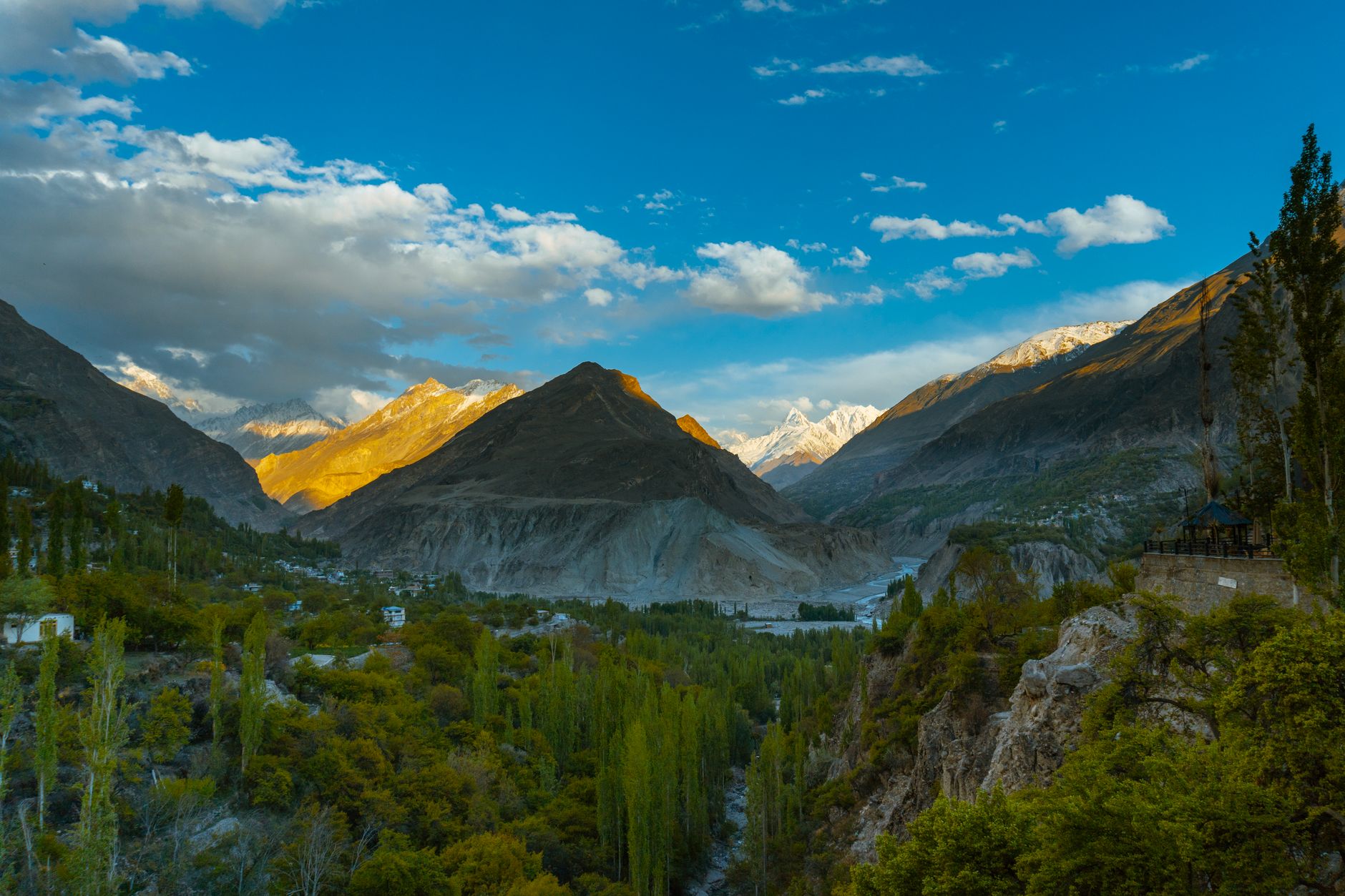
The valley stretches across roughly 7,900 square kilometers of northern Pakistan, hemmed in by three of the world’s great mountain ranges – the Karakoram, the Himalayas, and the Hindu Kush. Rakaposhi, at over 7,700 meters, dominates the skyline above the town of Karimabad. These aren’t gentle rolling peaks. They are vertical, snow-capped walls that make the surrounding apricot orchards feel almost surreal in contrast.
Access has historically been the barrier. The Karakoram Highway, connecting Pakistan to China through some of the most dramatic mountain terrain on earth, was only fully paved in recent decades. Landslides still close sections seasonally, and international visitors need to factor in Pakistan’s visa process and the occasional travel advisory. But for travelers who do their homework, none of these obstacles are insurmountable – and they do serve as a natural filter against mass tourism.
The best window to visit runs from April through October. Spring brings the famous blossom season, when apricot and cherry trees erupt across the valley floor against a backdrop of permanent snow. By June, the high passes open and longer trekking routes become viable. September and October offer crisp air, fewer visitors than summer peak, and the start of harvest season – when apricot, walnut, and mulberry sellers line the roads through Karimabad and Aliabad.
Accommodation has quietly grown beyond the guesthouse-only options of a decade ago. Small boutique hotels with mountain-facing rooms now operate in Karimabad, and a handful of eco-lodges have appeared in more remote side valleys. The hospitality is direct and warm – the Hunzakuts, the valley’s predominant ethnic group, have a reputation for welcoming visitors that goes beyond tourism industry politeness. Meals lean on local ingredients: dried apricots, buckwheat bread, yak dairy products at higher elevations.
What the Terrain Actually Offers
Ladakh’s appeal is partly logistical – once you land in Leh, a network of organized tours, motorbike rentals, and fixed trekking routes makes it easy to feel adventurous with minimal planning. Hunza requires a different posture. Routes are less standardized, English signage thins out quickly once you leave main roads, and the most rewarding areas demand either a competent local guide or serious prior research. That friction is exactly what draws a particular type of traveler.
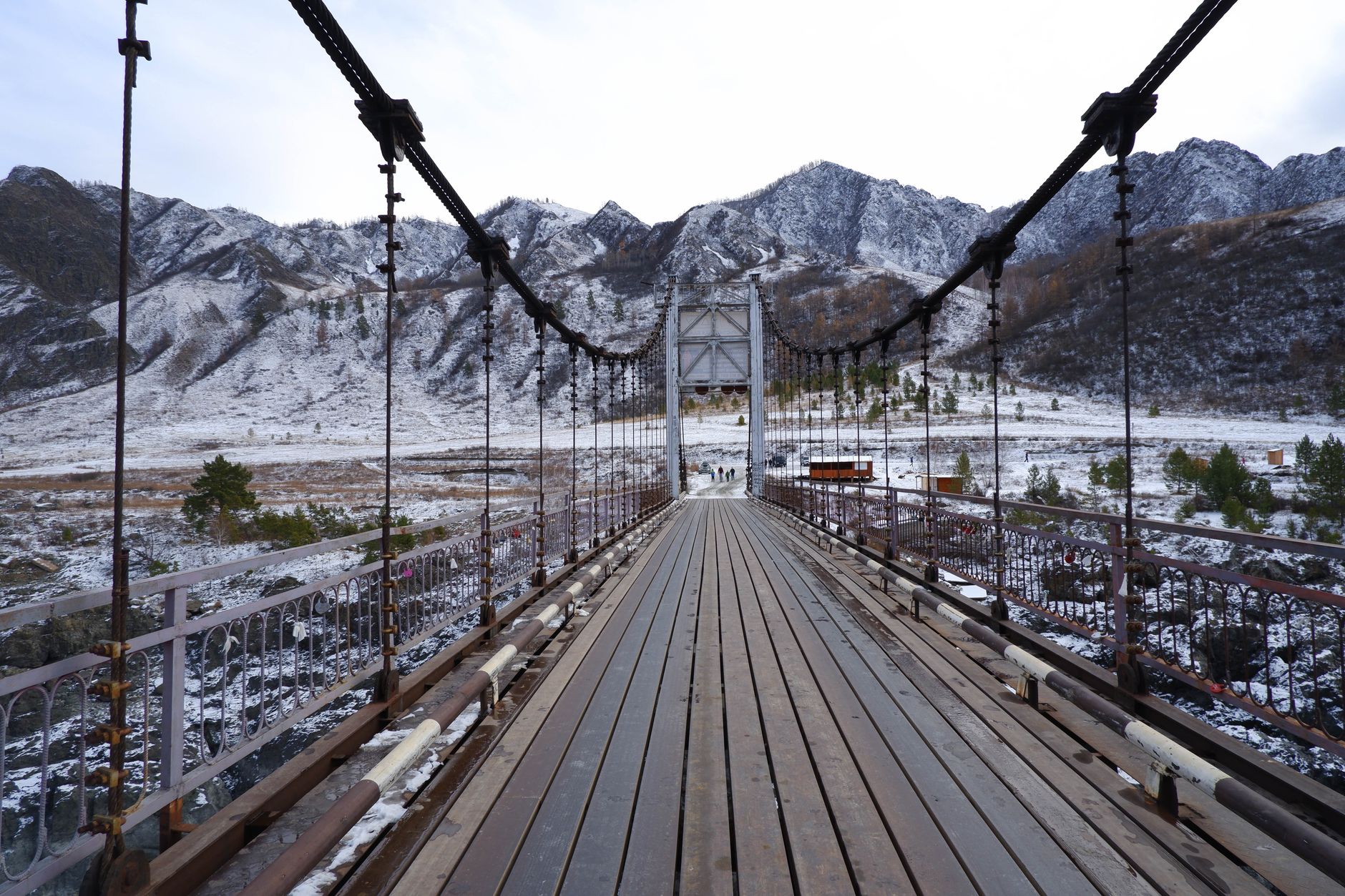
The Passu Cones – a jagged series of rock spires rising from the valley near the Attabad Lake – are the most photographed feature in the upper Hunza region, and for good reason. The suspension bridges crossing glacial rivers near Passu are narrow enough to cross single-file, with boards shifting underfoot above the rushing meltwater below. It is not a walk for the anxious, but the approach to Passu Glacier afterward is among the more accessible ice experiences in the Karakoram without technical climbing gear.
Attabad Lake itself deserves more attention than it gets in travel coverage. Formed in 2010 after a catastrophic landslide blocked the Hunza River, the lake is an electric turquoise color that reads as almost artificial in photographs – and then reads the same way in person. Small wooden boats cross it regularly; the water is cold enough to keep most swimmers out, but the shoreline views of the surrounding peaks make it a destination in its own right. The geological violence that created it is never far from mind.
For higher-altitude ambitions, the Eagle’s Nest viewpoint above Duikar sits at around 3,100 meters and delivers a panoramic sweep of the valley, Karimabad’s terraced fields, and multiple major peaks including Rakaposhi and Diran. Sunrise visits are a predictable recommendation, but the late afternoon light on the apricot-colored rock faces is a stronger argument for timing your drive up accordingly. The road is rough and requires a capable vehicle – local jeep drivers know it well.
The Khunjerab Pass, at 4,693 meters the highest paved international border crossing in the world, sits at the valley’s northern edge. Day trips from Sost, the last Pakistani town before China, are possible during the summer months. The landscape up there is Arctic in character – open plateau, yaks grazing on sparse grass, border markers in the distance. It functions as a reminder that Hunza isn’t simply a pretty valley but a corridor between civilizations that has been moving trade, ideas, and travelers for centuries along what was once a critical Silk Road artery.
The Honest Tradeoffs
Choosing Hunza over Ladakh involves real considerations beyond preference. Pakistan’s broader security perception lingers in many Western travelers’ minds despite Gilgit-Baltistan maintaining a notably different track record than other regions. Travel insurance requirements vary by nationality, and some carriers exclude Pakistan entirely, which demands advance checking rather than assumption. The nearest international airports are in Islamabad and Lahore, with a connecting domestic flight to Gilgit adding time and a degree of weather-dependent uncertainty – mountain airports run on clear-sky schedules.
None of that changes what the valley actually is: a high-altitude landscape of serious scale that rewards travelers willing to engage with logistics rather than outsource them entirely. Ladakh has its own virtues, and for travelers drawn to alternative alpine routes that require a bit more commitment to reach, the pattern is familiar – the harder the access, the more the place feels like it belongs to you once you arrive. Hunza operates on exactly that principle.
Frequently Asked Questions
When is the best time to visit Hunza Valley?
April through October is the optimal window. Spring brings blossom season, while September and October offer quieter conditions and harvest scenery.
Do I need a visa to visit Hunza Valley as a foreign traveler?
Yes, most nationalities require a Pakistani visa. Pakistan offers online e-visa processing for many countries, but requirements vary, so check well in advance.