
Where the Fjords Meet the Coral
Papua New Guinea does not make things easy for the traveler. The flights are long, the logistics are complicated, and the infrastructure in most regions would make a seasoned backpacker pause. But tucked into the northeastern tip of the country, where the Owen Stanley Range drops dramatically into the Solomon Sea, the Tufi Fjords offer something so specific and so rare that divers who find their way there tend to stop comparing it to anywhere else entirely.
Palau has held the top spot in the dive world’s imagination for decades – and deservedly so. Its jellyfish lake, its WWII wrecks, its wall dives are the stuff of bucket lists. But Palau is also well-trafficked, well-priced, and well-known. Tufi is none of those things. What it is, quietly and without fanfare, is extraordinary.
A Geography That Does Not Exist Anywhere Else
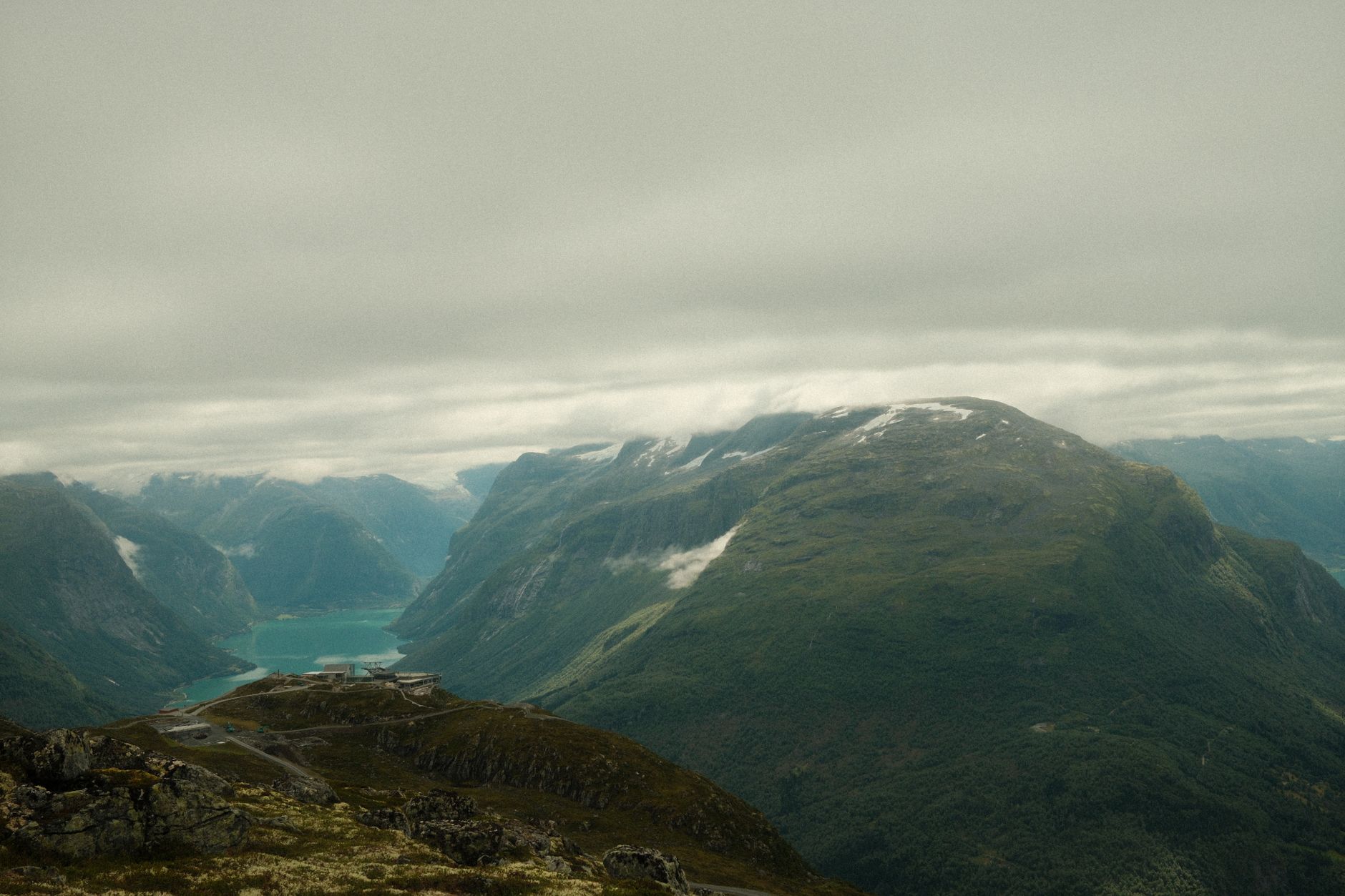
The Tufi Fjords are technically submerged river valleys, called “rias,” carved by ancient rivers and flooded by rising sea levels after the last ice age. The result is a coastline of narrow, dramatic inlets – steep jungle walls on either side, glassy water below, and an almost total silence broken only by birds and the occasional outboard motor. It looks more like Norway than the Pacific, which is precisely the visual that stops first-time visitors cold.
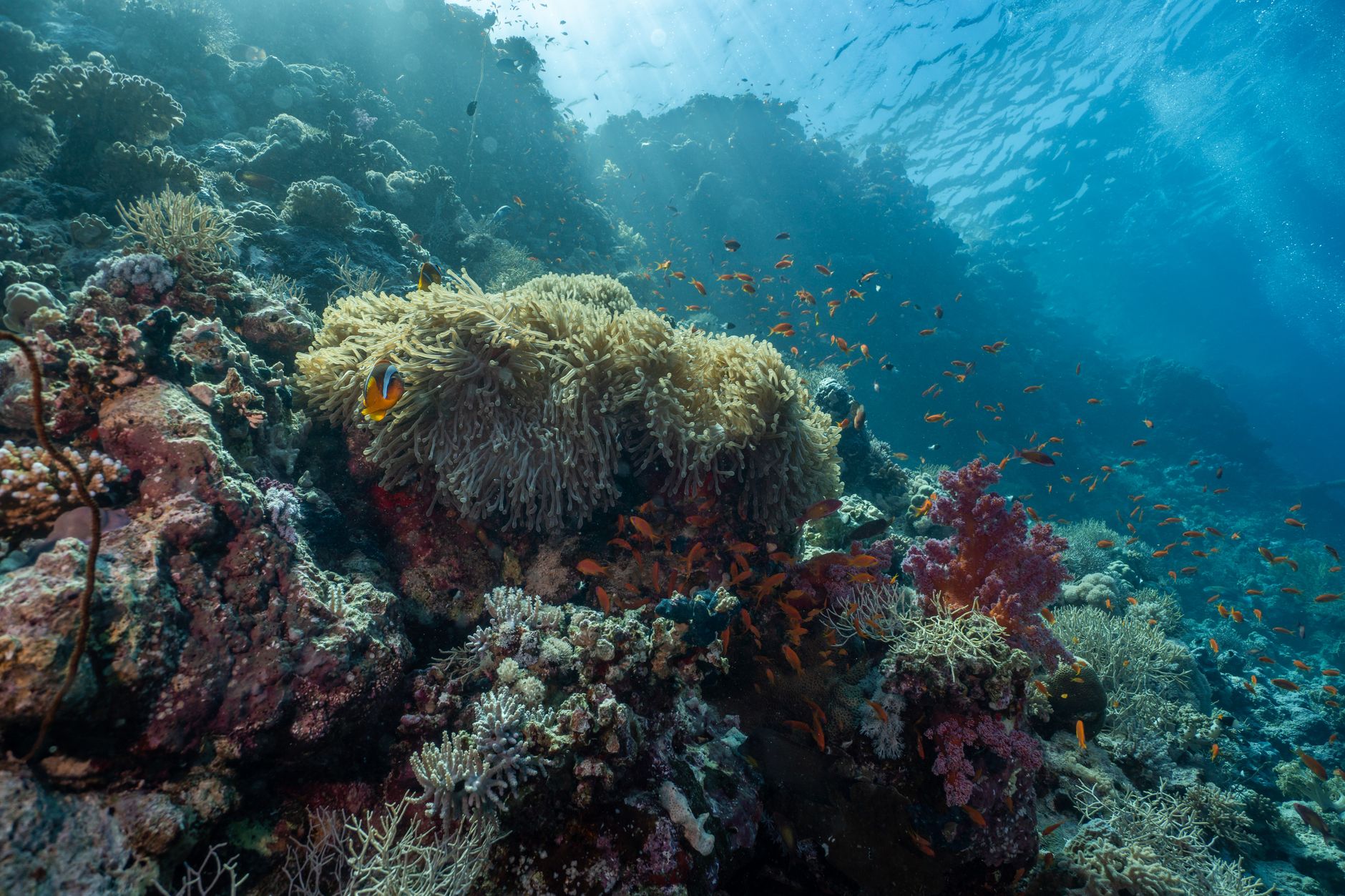
Beneath that calm surface, the marine environment is equally striking. The coral reef systems here are largely intact, benefiting from low dive traffic and the nutrient-rich currents that push up from the Solomon Sea. The biodiversity per square meter rivals anything Palau offers – pygmy seahorses on sea fans, blue-ringed octopus in the shallows, and dense schools of fusiliers moving like smoke through the water column. The wrecks from World War II add another layer entirely: Japanese Zeros and supply ships rest in relatively shallow water, heavily colonized by coral, offering a dual experience of history and marine life that few dive destinations can match.
What Tufi does not have is the polish. The dive operators are small, the resorts are few, and getting there requires either a domestic flight from Port Moresby or a boat journey that demands genuine patience. The nearest international airport connection is not a simple transfer. For some travelers, this is the deterrent. For others, it is the point.
The Diving Itself
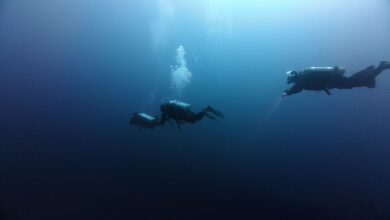
Visibility in the Tufi area regularly exceeds thirty meters on calm days, and the thermocline sits deep enough that most recreational dives happen in comfortable warm water throughout the year. The best conditions fall between April and November, when southeast trade winds push cleaner water into the bays and reduce the surface chop in the outer fjords.
Night dives here produce encounters that are difficult to replicate elsewhere. Mandarin fish displays – a spectacle that draws divers to places like Lembeh Strait in Indonesia – occur naturally in certain areas of the Tufi reef system, along with hunting lionfish, flamboyant cuttlefish, and the occasional mimic octopus moving through the rubble zones. The muck diving, which requires patience and a sharp eye for camouflage, sits comfortably alongside the more dramatic wall dives that drop into the open blue just outside the fjord mouths.
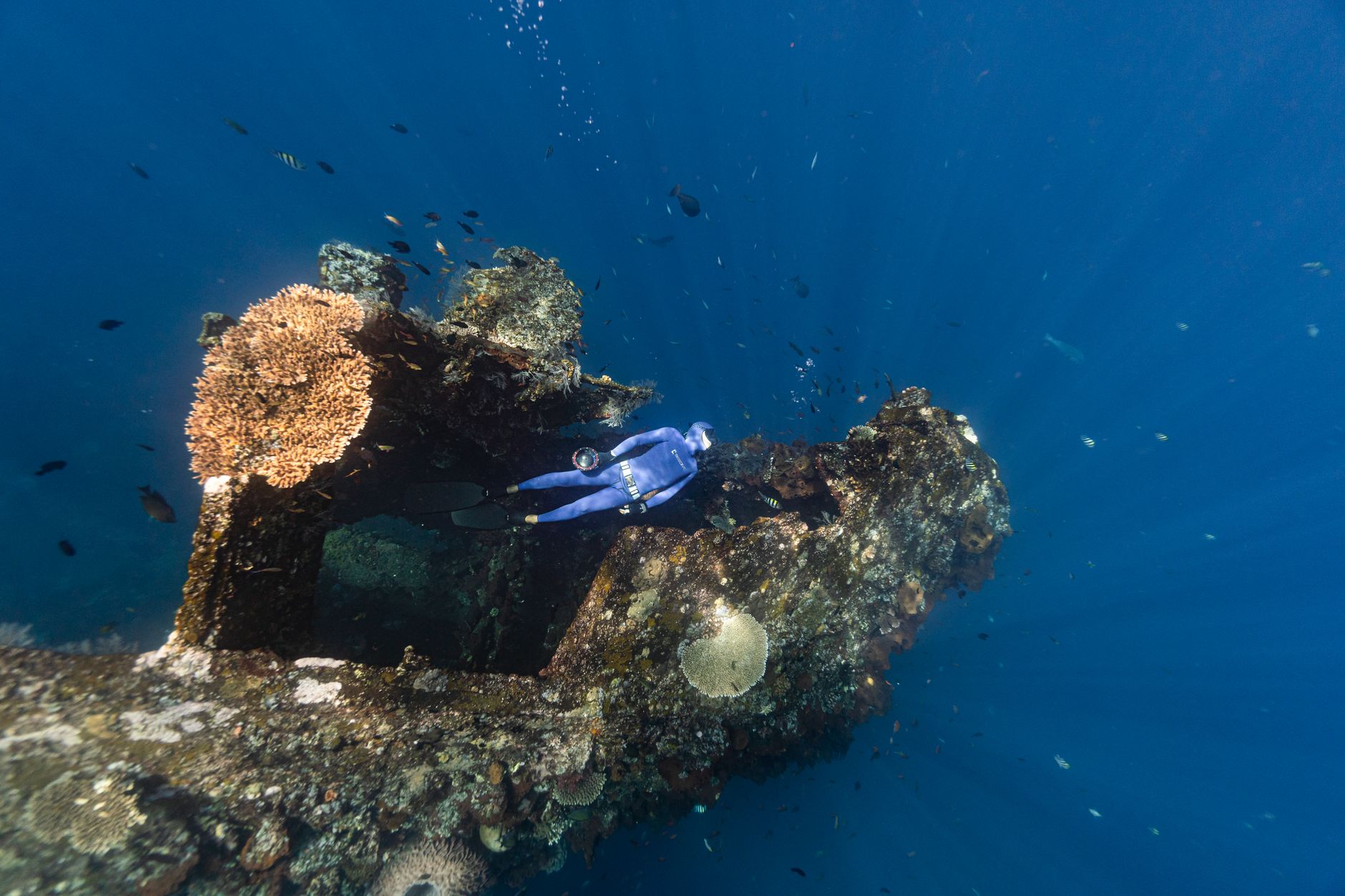
The WWII wrecks deserve their own conversation. The region saw intense aerial combat and several losses on both sides, meaning the underwater archaeological record is genuinely rich. Unlike some Pacific dive destinations where wrecks have been picked clean or are too deep for recreational diving, several of the Tufi wrecks sit between fifteen and thirty meters – well within recreational limits and still largely intact. The aircraft wrecks in particular, resting at angles on sandy slopes with coral growing across their wings, are the kind of images that do not leave divers quickly.
Above water, the fjord villages offer a cultural dimension that Palau, for all its marine glory, cannot quite replicate. The Orokaiva people of the Tufi area still practice traditional tattooing and maintain strong connections to ancestral land. Several small-scale cultural tourism programs allow guests to visit village communities, though these arrangements work best when coordinated through established local operators who understand consent and appropriate engagement – not through improvised approaches off the resort dock.
The Honest Calculus of Getting There
Papua New Guinea requires a visa for most nationalities, and the process, while not prohibitively complicated, requires advance planning. Travel advisories for PNG generally recommend caution in Port Moresby and parts of the Highlands, but Tufi itself sits in a region with a notably different security profile – small, remote, dependent on tourism for local income, and largely insulated from the urban dynamics that prompt most advisories. That distinction gets lost in broad-brush coverage of the country, which tends to deter travelers who would, in practice, be perfectly comfortable in the area.
The cost structure is not cheap. Small-scale remote infrastructure, limited competition among operators, and the expense of supply logistics push prices upward compared to what a diver might pay in Thailand or the Philippines. A liveaboard option operating out of the region can bring the per-dive cost down, but the base cost of access – flights, equipment transport, entry fees – sits above what most budget-conscious divers will find comfortable. This is, to put it plainly, a destination for people who have already done the easy version of this trip and want the harder, quieter one.
The comparison to Palau is not perfect, and it was never meant to be. Palau has the Ngemelis Wall. Palau has the Jellyfish Lake. Palau has decades of conservation infrastructure and a marine sanctuary framework that protects its waters at a national level. Tufi has none of those formal systems in place. What it has instead is the particular kind of preservation that comes from being difficult to reach – a buffer against mass tourism that is structural rather than intentional, and that will not last indefinitely as regional aviation improves and the word spreads further.
The divers who know Tufi already tend not to advertise it loudly. That may be the most honest endorsement available.