Paraguay’s Jesuit Missions Quietly Rival Bolivia’s Chiquitania for History Wanderers

The Quiet Rival Nobody Talks About
Bolivia’s Chiquitania circuit draws steady pilgrim traffic from heritage travelers who treat its UNESCO-listed Jesuit missions as a kind of sacred itinerary – six baroque churches scattered across the eastern lowlands, each one a minor miracle of timber and stone. The circuit is well-documented, well-served by tour operators, and increasingly crowded during peak season. What almost nobody mentions is that Paraguay operates its own Jesuit mission trail, older in some respects and arguably more atmospheric, running through the subtropical grasslands east of Asuncion with far fewer visitors and far more silence.
The Jesuit Reductions of La Santisima Trinidad de Parana and Jesus de Tavarangue hold UNESCO World Heritage status alongside Bolivia’s Chiquitania sites, yet they appear on a fraction of the itineraries. That gap is not a reflection of quality. It is a reflection of marketing budgets, regional flight connections, and the persistent assumption that Paraguay does not belong on a serious traveler’s shortlist. That assumption is worth reconsidering.
What the Missions Actually Are
The Jesuit Reductions were self-contained communities built by Jesuit priests and Guarani communities between roughly 1609 and 1767, when the Spanish Crown expelled the Jesuits from its territories. At their peak, these settlements – called reducciones in Spanish – functioned as sophisticated autonomous societies with schools, hospitals, workshops, and orchestras. The Guarani residents were not forced laborers in the conventional colonial sense; the missions operated under a distinct internal economy that shielded them, for a time, from the worst abuses of the encomienda system operating elsewhere in South America. What survived the expulsion and the subsequent raids by slave traders called bandeirantes were bones of stone: walls, archways, carved facades, floor plans that still communicate the ambition of what was built here.
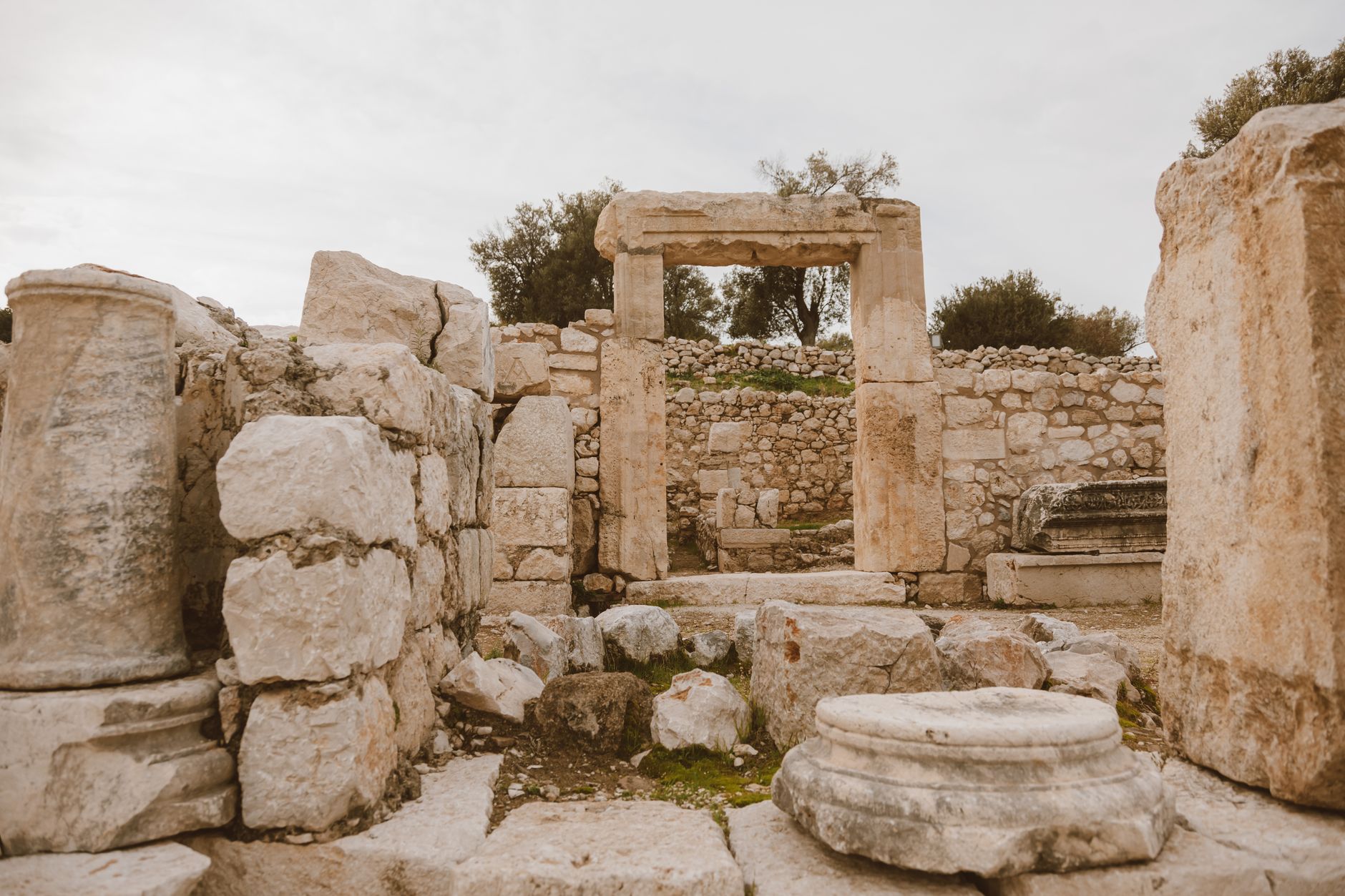
Paraguay’s two primary UNESCO sites – Trinidad and Jesus – sit roughly 25 kilometers apart in the Itapua department, reachable by bus or rental car from Encarnacion, a border city accessible from Argentina via a bridge over the Parana River. Trinidad is the larger and better preserved of the two, with a main church nave whose walls still stand several stories high, carved stone friezes depicting angels playing baroque instruments, and a belltower that frames the surrounding countryside in a way that stops most visitors mid-sentence. Jesus was never fully completed – the Jesuits were expelled before construction finished – which gives it a rawer, more melancholy quality, its unfinished archways open to the sky like a building caught in mid-thought.
Paraguay vs. Bolivia: A Direct Comparison
Bolivia’s Chiquitania circuit covers more ground, both geographically and in terms of sheer number of sites. The six Chiquitania churches – San Javier, Concepcion, Santa Ana, San Miguel, San Rafael, and San Jose de Chiquitos – have been painstakingly restored over decades through a collaboration between local communities and international conservation groups. The interiors are alive: painted wooden retablos, gilded altars, and active parish communities that still use the churches for weekly mass. The circuit runs roughly 1,100 kilometers through the Bolivian lowlands and requires either a rented 4×4 or a rail journey on the storied Ferrobus train out of Santa Cruz.
Paraguay’s mission trail is more compact and, for that reason, more manageable as a standalone day trip or overnight excursion. A traveler based in Encarnacion can visit both Trinidad and Jesus in a single afternoon and still be back for dinner. That accessibility is a double-edged feature: it means the sites are underestimated as quick stops rather than appreciated as destinations worth slowing down for. The surrounding Itapua department also contains smaller, less-visited mission ruins at San Cosme y Damian, where a partially restored observatory built by the Jesuit priest Buenaventura Suarez stands as a reminder that these communities were conducting astronomical research in the early 18th century – a detail that tends to reframe the entire experience.
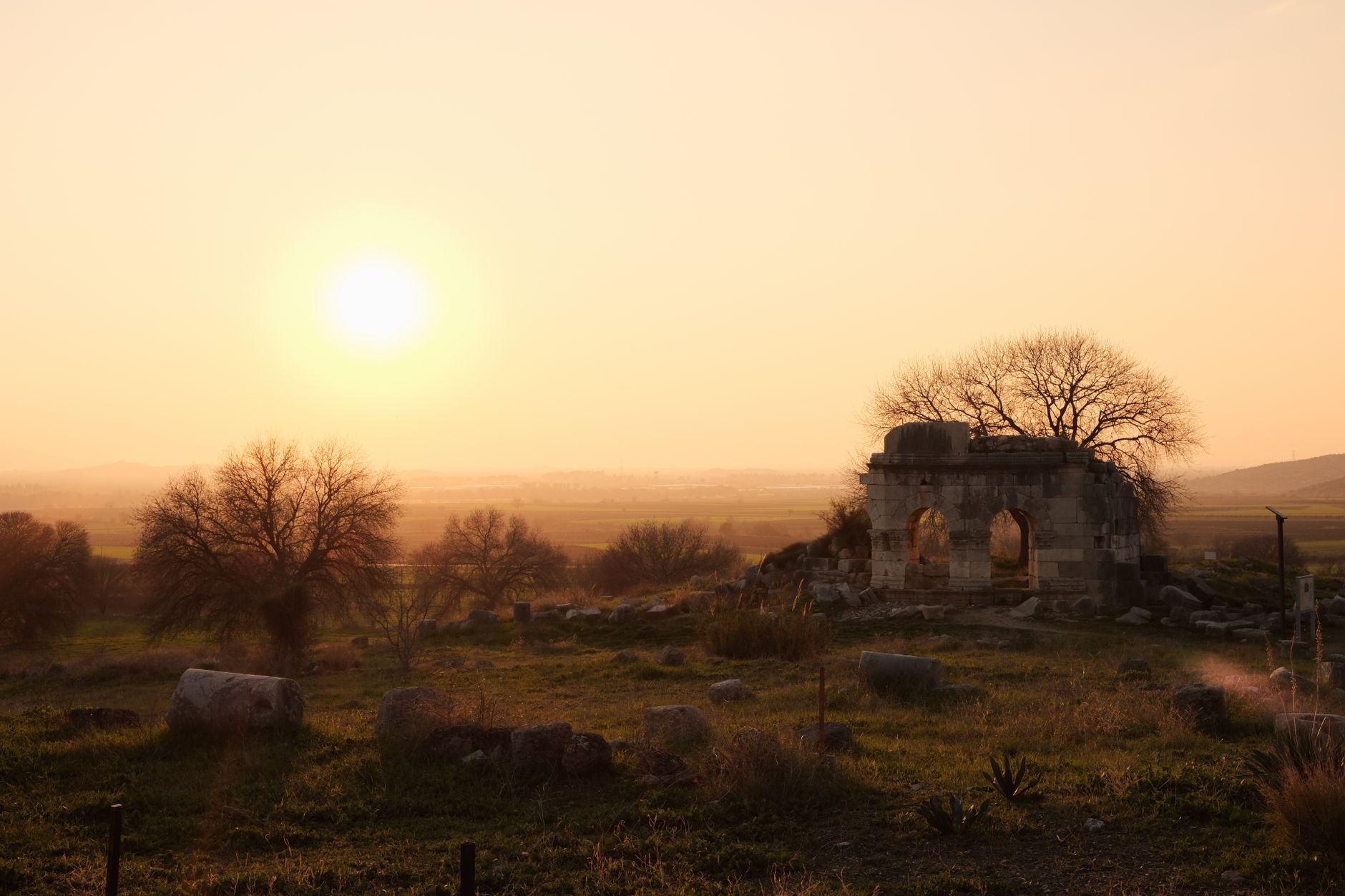
Bolivia wins on atmosphere if atmosphere means an active living tradition. The Chiquitania churches host an internationally recognized baroque music festival, drawing musicians and audiences from across South America and Europe, and the surrounding towns have built modest but functional tourism infrastructure around that cultural calendar. Paraguay’s sites feel more archaeological, more stripped. The silence at Trinidad at dusk, when the day-trippers have left and the stone catches the last orange light, is a different kind of atmosphere – one that rewards travelers who are not looking for a curated experience.
Cost and logistics also diverge significantly. Paraguay’s Itapua department is inexpensive even by South American standards. Accommodation in Encarnacion runs at a fraction of what travelers pay in Santa Cruz, Bolivia’s main gateway city for Chiquitania access. Food, transport, and entry fees follow the same pattern. For travelers on a tight budget who want the emotional weight of a major UNESCO heritage site without the logistical complexity of a multi-day circuit, Paraguay makes a strong case.
Getting There Without a Tour Operator
Encarnacion is connected to Asuncion by several daily bus services, a journey of roughly three to four hours on reasonably comfortable coaches. From Encarnacion, local buses and colectivos run to the town of Trinidad, and most guesthouses and hotels in the city can arrange transport for travelers who prefer a driver. The Trinidadian site has an on-site visitor center and guided tours available in Spanish, with some guides offering basic service in English. Jesus de Tavarangue is a shorter, straightforward trip from the same base.
Crossing from Argentina is also straightforward. The San Roque Gonzalez de Santa Cruz International Bridge connects Posadas, Argentina to Encarnacion, and the crossing is routine for travelers already moving through the Southern Cone. This makes the Paraguayan mission trail a natural addition to a broader Argentina-Uruguay-Paraguay itinerary rather than a standalone trip requiring a dedicated flight into Asuncion.
Why History Wanderers Should Pay Attention
The Jesuit Reductions represent a specific, strange, unresolved chapter in colonial history – an experiment in utopian governance that lasted less than two centuries, collapsed under external political pressure, and left behind architecture that does not fit neatly into any standard narrative about colonialism or indigenous displacement. Both Paraguay and Bolivia carry that complexity in their stones. Travelers who engage with these sites seriously tend to leave with more questions than answers, which is generally a sign that a destination is doing something right.
The history traveler circuit in South America has long centered on Cuzco, Machu Picchu, and the Altiplano. That concentration leaves entire provinces of genuine historical depth undervisited. A similar dynamic plays out in Southeast Asia, where Laos’s Phonsavan Plain quietly rivals Luang Prabang for travelers willing to move beyond the headline destinations. Paraguay operates on the same logic: the infrastructure is thinner, the crowds are absent, and the sites themselves are doing none of the promotional work. What the stones at Trinidad communicate, on a still evening with no one else around, is that this was built by people who believed it would last forever – and were proven wrong in under two hundred years.
Frequently Asked Questions
Are Paraguay’s Jesuit Missions UNESCO World Heritage Sites?
Yes. Trinidad de Parana and Jesus de Tavarangue are both UNESCO-listed and share that status with Bolivia’s Chiquitania mission churches.
How do I get to the Jesuit Missions in Paraguay?
The easiest base is Encarnacion, reachable by bus from Asuncion or by crossing the bridge from Posadas, Argentina. Local transport runs to both main sites.