
The Canyon Most Trekkers Fly Past on Their Way to Cusco
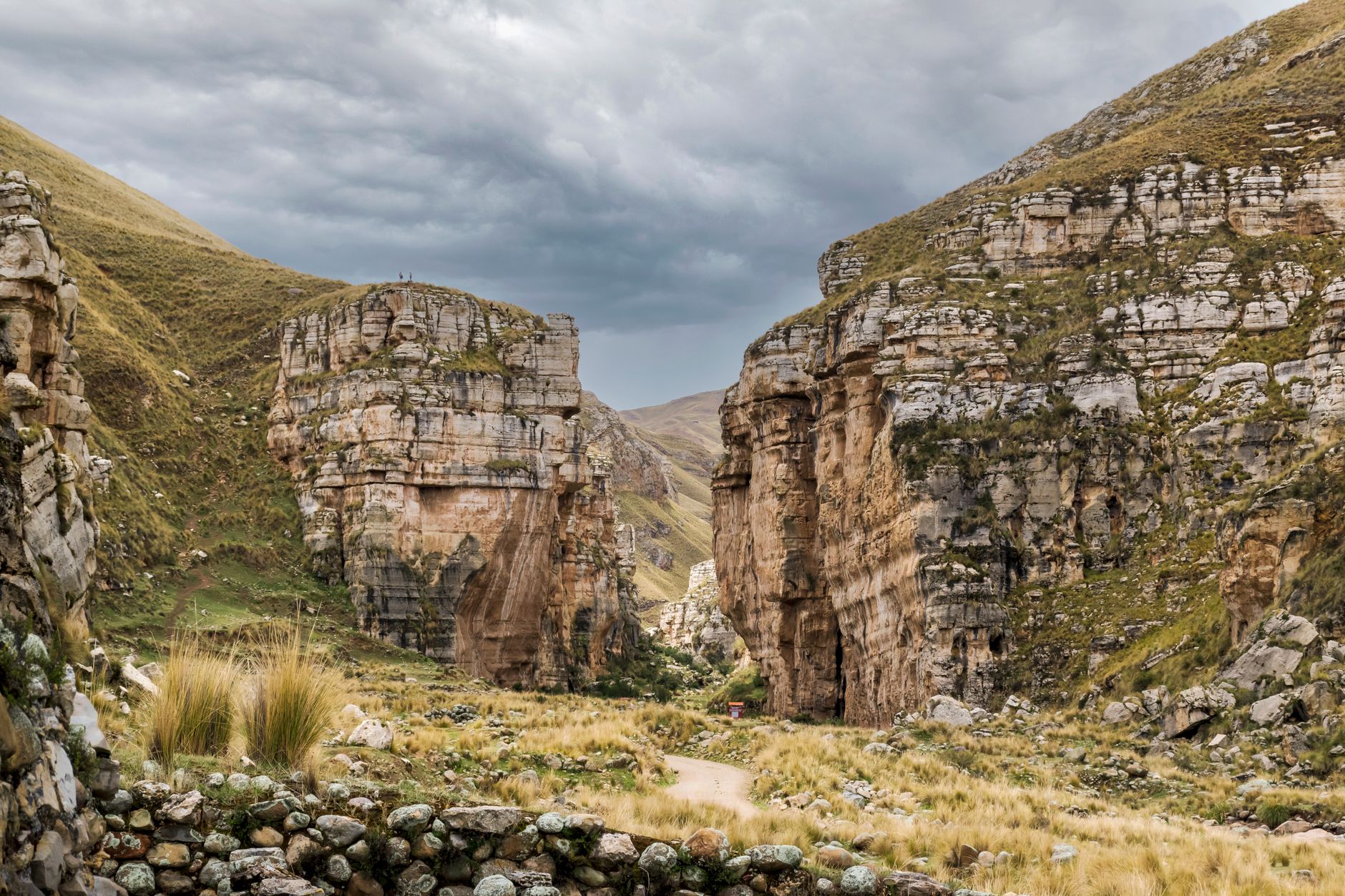
Every year, millions of travelers pour into Peru with a single destination fixed in their minds: Machu Picchu. The Inca citadel earns its reputation, but the obsession with it has created a blind spot. About 160 kilometers northwest of Arequipa, the Colca Canyon sits largely overlooked, deeper than the Grand Canyon by a significant margin, carved by the Colca River over millions of years, and surrounded by pre-Inca terracing that predates the empire visitors are actually traveling to see.
Colca reaches depths of roughly 3,270 meters at its lowest point – a figure that stops most people cold when they first encounter it.
The canyon’s relative obscurity is not an accident of geography or logistics. It is a product of marketing, habit, and the gravitational pull of a site so famous it has come to define an entire country in the global imagination. But for trekkers willing to redirect their itinerary, Colca offers something Machu Picchu genuinely cannot: space, silence, and the sensation of being genuinely far from the tourist machine.
What the Trek Actually Looks Like
The classic Colca Canyon trek runs from the village of Cabanaconde down into the canyon floor and back up, typically completed in two days with an overnight stay at one of the riverside settlements. The descent is steep and relentless – somewhere between 1,200 and 1,400 meters of elevation drop depending on the route – and the climb back out is harder still, best attempted in the pre-dawn hours before the Andean sun turns the exposed trail punishing. This is not a gentle walk. Altitude, heat, and technical footing are all factors that need to be taken seriously before committing.
The canyon floor is a different world entirely. The Colca River runs cold and fast along the base, and the oasis settlement of Sangalle offers palm trees, natural pools, and simple guesthouses that feel almost hallucinatory after the descent. Meals are cooked over gas burners in small family-run operations. Electricity is intermittent. Mobile signal vanishes. Most trekkers report that this enforced disconnection is not a drawback but the entire point.
For those who want to extend beyond the two-day circuit, longer routes push deeper into the canyon system toward the village of Tapay and beyond, requiring more navigation experience and a greater tolerance for isolation. Local guides based in Cabanaconde know these routes well, and hiring one is both practical and worth supporting directly – the canyon’s communities depend heavily on trekking income, and the money moves more meaningfully when it stays local rather than passing through Arequipa-based tour operators first.
The Condor Factor and What Surrounds the Trail
Cruz del Condor, a viewpoint along the canyon rim road between Chivay and Cabanaconde, has become the one Colca experience that shows up in mainstream travel content. Andean condors – among the largest flying birds on the planet, with wingspans reaching three meters – use the canyon’s thermal currents to soar at eye level with the rim in the early morning hours. The viewpoint fills with day-trippers bussed in from Arequipa, and for a window of about an hour between roughly 9 and 10 a.m., it can feel genuinely crowded. Then the buses leave, and the canyon reverts to quiet.
What the day-trip version of Colca misses entirely is the agricultural landscape that lines the upper canyon walls. The pre-Inca terraces here – built by the Collagua and Cabana peoples long before the Inca assimilated the region – are still actively farmed. Quinoa, corn, and native potato varieties grow at elevations that should not logically support them. Walking through these fields, past farmers working with tools and methods that have not changed substantially in centuries, puts the Colca in a historical context that the condor viewpoint does not provide. This is where the Andes reveal themselves as a living agricultural civilization, not a relic of one.
The villages along the rim – Yanque, Maca, Lari – each hold colonial-era churches built on top of pre-existing ceremonial sites, a pattern repeated throughout the Peruvian highlands. The church at Yanque in particular draws attention for its ornate mestizo baroque facade, a style that blended Spanish Catholic iconography with Andean symbolism in ways that colonial authorities either encouraged or failed to fully recognize. Spending an afternoon moving between these villages on foot or by local transport adds a dimension to the Colca that the trekking literature rarely covers.
Logistics That Actually Matter
Arequipa serves as the base city for Colca, and the journey to Chivay – the main canyon hub – takes approximately three to four hours by road, crossing a high-altitude pass above 4,900 meters along the way. Altitude sickness is a real risk on this approach, particularly for travelers arriving directly from sea level. Spending at least one full day in Arequipa before heading into the canyon gives the body time to adjust. Coca tea helps. So does moving slowly and drinking more water than feels necessary.
The trekking season runs from May through October, when dry conditions make the canyon trails stable and the skies reliably clear. The wet season from November through March brings rain that can make the descent slippery and certain river crossings unpredictable. A growing number of trekkers are attempting shoulder-season visits in April and November, when tourist numbers drop further and the landscape turns green from recent rains – a tradeoff between conditions and crowds that each trekker has to calculate individually.
Accommodation inside the canyon is basic but functional. The oasis settlements at the canyon floor offer beds, meals, and cold showers at prices that remain low by any global standard. Booking ahead during peak season (June and July specifically) is worth doing, not because the canyon is overwhelmed, but because the riverside guesthouses are genuinely small and fill up with trekkers who plan ahead. Anyone expecting the infrastructure of the Inca Trail – established campsites, porters, regulated entry permits – will need to recalibrate. Colca’s appeal is directly proportional to how little of that apparatus exists.
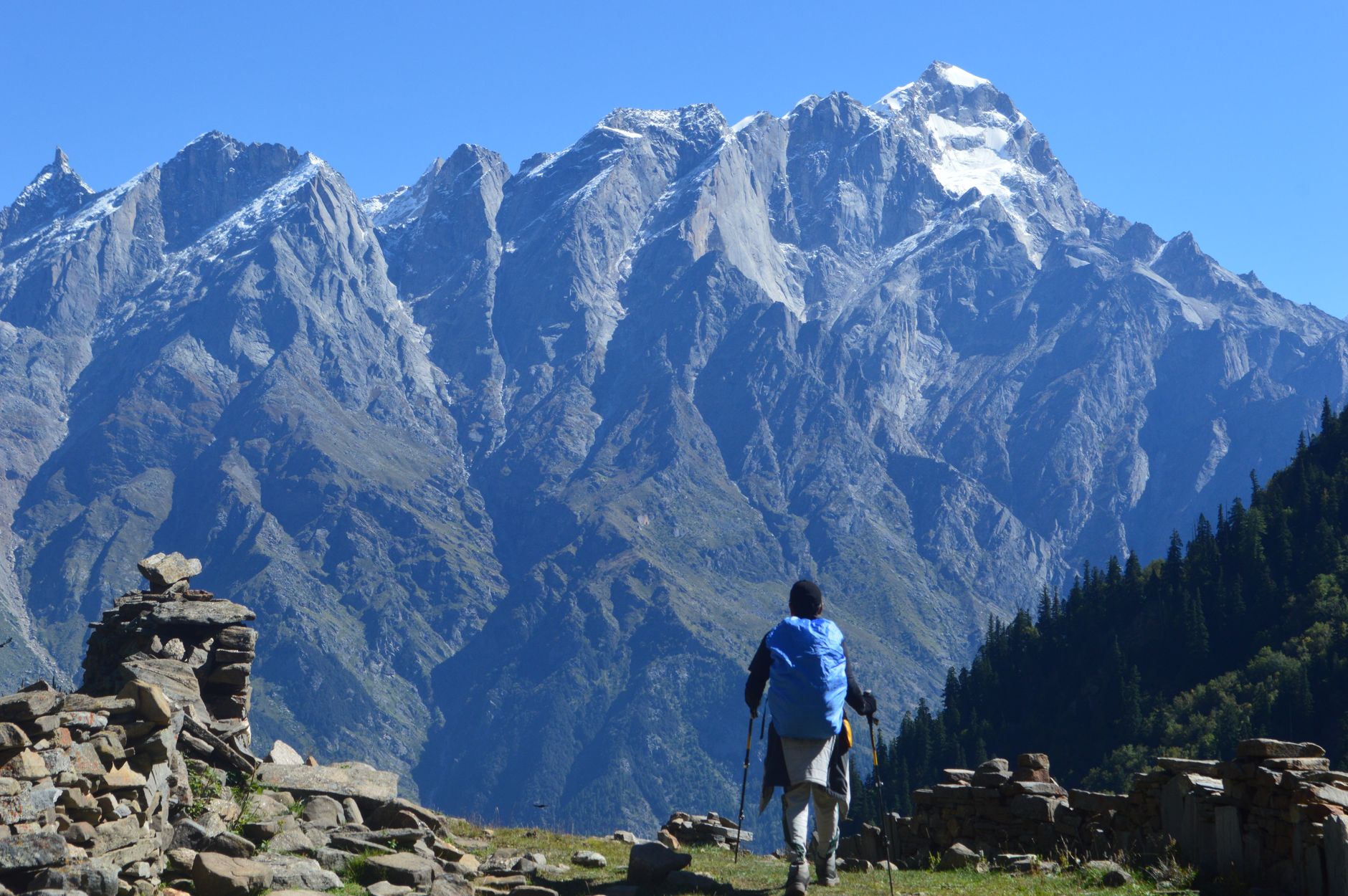
Colca’s status as a secondary destination is, for now, the main thing it has going for it – the canyon is extraordinary on its own terms, but the absence of crowd management, permit lotteries, and the social performance of visiting somewhere famous is what makes the experience feel earned rather than consumed. That calculation could shift quickly if the canyon attracts the attention its scale deserves, and trekkers who understand this tend to book before the conversation changes.