
The Canyon That Doesn’t Need the Hype
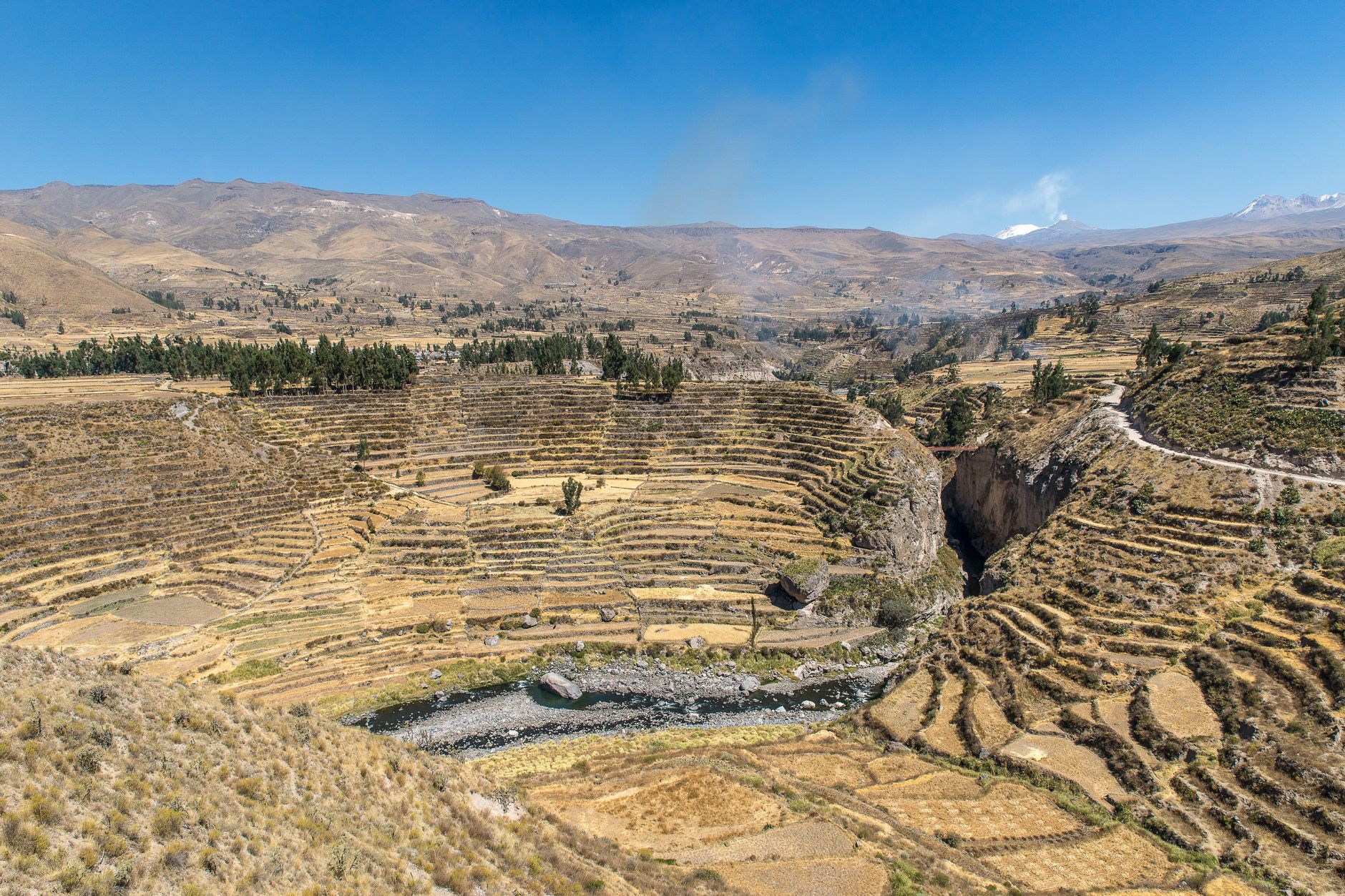
Colca Canyon in southern Peru sits about four hours by road from Arequipa, cutting more than 10,000 feet into the Andean earth – making it roughly twice the depth of the Grand Canyon. Yet outside of dedicated trekking circles, it rarely gets the same airtime. The Grand Canyon draws millions of visitors annually and has a marketing apparatus built over decades. Colca has condors, terraced fields carved by pre-Inca civilizations, and trails that reward the kind of traveler who would rather earn a view than queue for one.
The canyon’s relative obscurity is not a flaw. It is the feature.
Trekkers who have done both routes tend to describe Colca not as a consolation prize, but as a fundamentally different kind of experience – one where the trail itself carries cultural weight, where villages along the route have been inhabited continuously for centuries, and where the physical demands are real enough to filter out casual foot traffic. The Grand Canyon is magnificent. Colca is demanding in ways that feel personal.
What the Trek Actually Looks Like
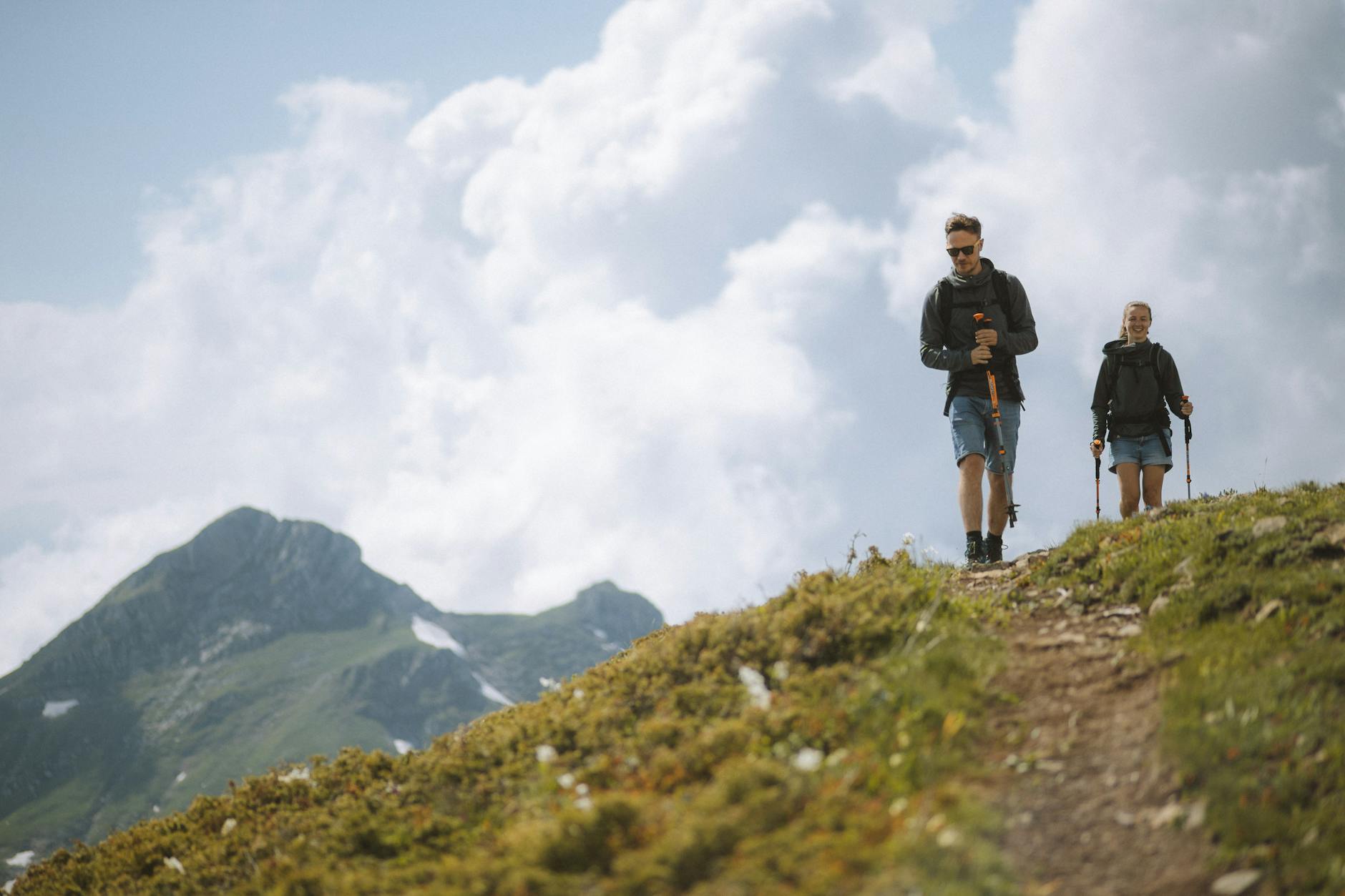
The most common route descends from the canyon rim at Cabanaconde down to the oasis village of Sangalle, a drop of roughly 3,300 feet over about six miles. The descent takes between two and four hours depending on pace and altitude acclimatization – this is Andean terrain, and the starting elevation sits above 10,000 feet. Hikers who skip a proper acclimatization day in Arequipa or Chivay often pay for it on the descent, when the altitude quietly compounds every hour of effort.
The return climb is where Colca separates itself from casual adventure tourism. The ascent from Sangalle back to Cabanaconde typically takes three to five hours, and the trail does not flatten or offer obvious rest stages. It is a sustained uphill on loose dirt switchbacks in thin air, often completed in the early morning hours to avoid the midday heat. Most guided itineraries build in an overnight stay at Sangalle’s small guesthouses, where basic pools and hammocks sit surrounded by fig trees and desert vegetation in a setting that feels improbable given the canyon walls rising on all sides.
A longer two-night circuit routes through the villages of San Juan de Chuccho and Cosnihua on the canyon floor, passing traditional farming terraces that are still actively cultivated. This extension adds context that the one-night route misses entirely – the canyon is not just a geological feature, it is inhabited space, and the trail passes directly through communities that have little reason to perform for tourists.
The Practical Reality of Getting There
Arequipa serves as the base city for almost every Colca Canyon trip. Direct buses run daily between Arequipa and Chivay, the main gateway town at the canyon’s upper rim, and the journey takes about three hours through high-altitude plains where vicunas graze within a few feet of the road. From Chivay, a further hour’s drive reaches Cabanaconde, the preferred starting point for the classic descent. Renting a private car or joining a shared transfer handles this leg comfortably.
Accommodation along the route ranges from basic family-run guesthouses in canyon-floor villages to slightly more organized options in Cabanaconde itself. None of it is luxury – running water can be intermittent, menus are short, and cell service disappears below the rim. Trekkers who require reliable connectivity or hot showers nightly will find Colca a friction-heavy experience. Everyone else will find that the disconnection is part of why the canyon works.
A regional tourism entry fee applies to access the canyon, collected at checkpoints near Chivay. Carrying enough Peruvian soles in cash is essential along the entire route – card payments are not a realistic expectation outside Arequipa. Hiring a local guide from Cabanaconde is worth the cost, not only for trail navigation but for the working knowledge of which guesthouses are currently open and which sections of trail have shifted after wet season rains.
The Condor Question
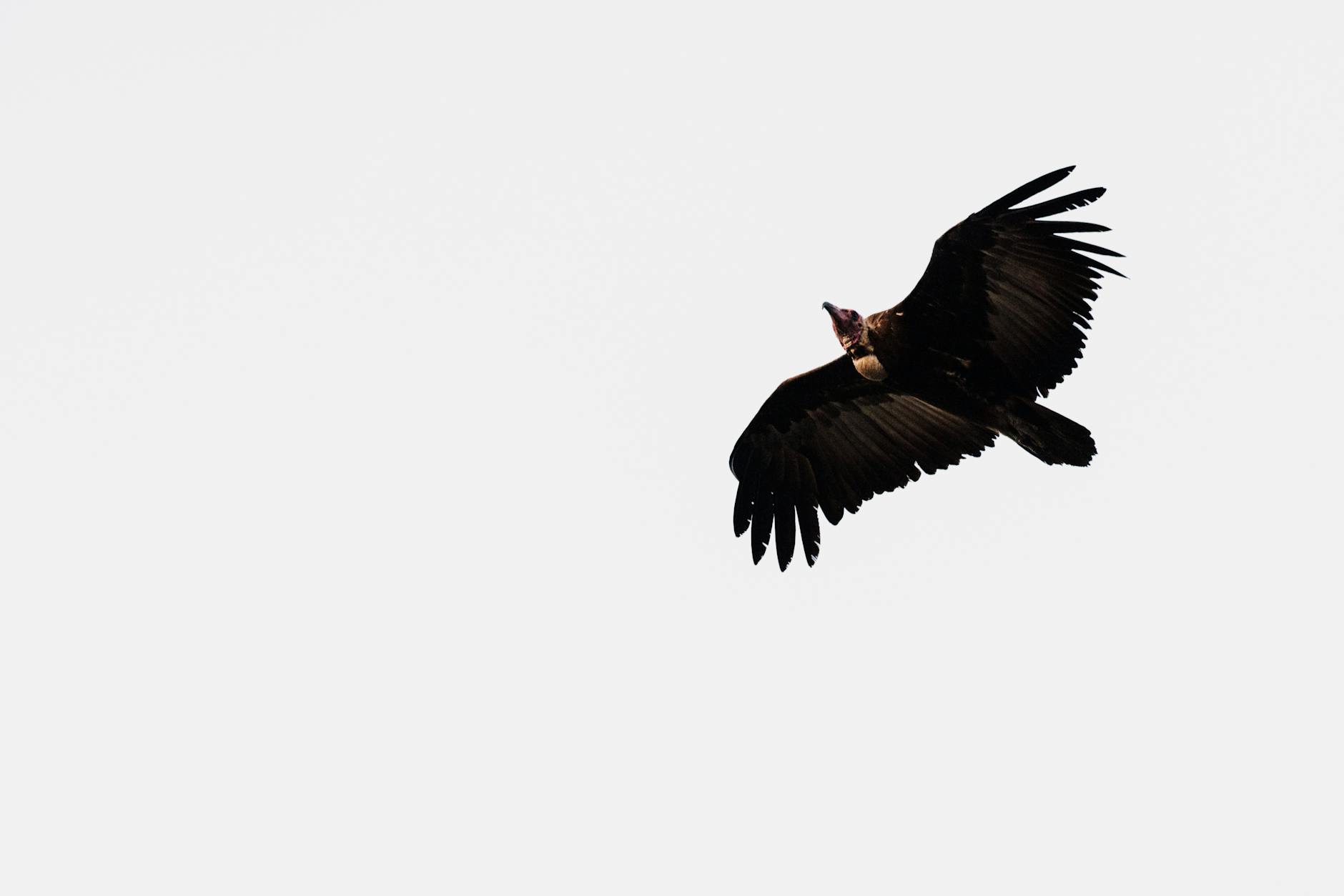
Most organized tours from Arequipa position the Cruz del Condor overlook as the headline attraction – and for good reason. The viewpoint sits on the canyon rim at a point where thermal updrafts rising from the canyon floor carry Andean condors directly past at eye level, sometimes close enough to see individual feathers. Early morning arrivals between around 8 and 10 a.m. reliably produce condor sightings, though “reliably” in wildlife terms always carries some variance. On a good morning, multiple birds pass within 30 feet of the overlook wall. On a slow morning, you still have the view.
What the tour buses do not linger on is the canyon itself at that moment – the scale of it, the way the opposite wall catches early light while the floor remains in deep shadow. The condors are the reason people stop. The canyon’s depth is the thing they don’t forget.
Trekkers staying multiple nights in Cabanaconde often return to the overlook on a second morning after the tour buses have left, finding the spot nearly empty. That version of the experience – standing on the rim with the canyon to yourself while birds glide past at shoulder height – is available to anyone willing to stay one extra night and wake up early. Most people don’t stay.
What keeps Colca from the Grand Canyon’s visitor numbers is not quality or accessibility – it is the requirement that you actually commit to being there. The canyon demands a flight to Lima, a connection to Arequipa, a bus ride into the highlands, and a willingness to sleep in a village with no cell signal at 10,000 feet. Filter out everyone unwilling to do that, and what’s left is a trail with almost no crowds, cultural history visible at ground level, and a climb back out that you will feel in your legs for three days after landing home.
Frequently Asked Questions
How difficult is the Colca Canyon trek?
The descent to Sangalle takes 2-4 hours, but the return climb is steep and sustained at high altitude. Proper acclimatization in Arequipa beforehand is strongly recommended.
When is the best time to visit Colca Canyon?
The dry season from April to November offers the most stable trail conditions. The wet season brings lush scenery but can affect trail accessibility, particularly on the canyon floor routes.