
Where the Algarve Ends and the Real Portugal Begins
The Algarve has done its job almost too well. It delivers golden cliffs, turquoise water, and a tourist infrastructure so polished that it barely requires any navigation at all. For a certain kind of traveler, that is exactly the problem. Head north from Faro, cross the low ridgeline that separates Portugal’s coastal south from its interior, and the landscape opens into something older, quieter, and far less rehearsed: the Alentejo plains, a region of cork oaks, whitewashed villages, and afternoon light that seems to move slower than anywhere else in Western Europe.
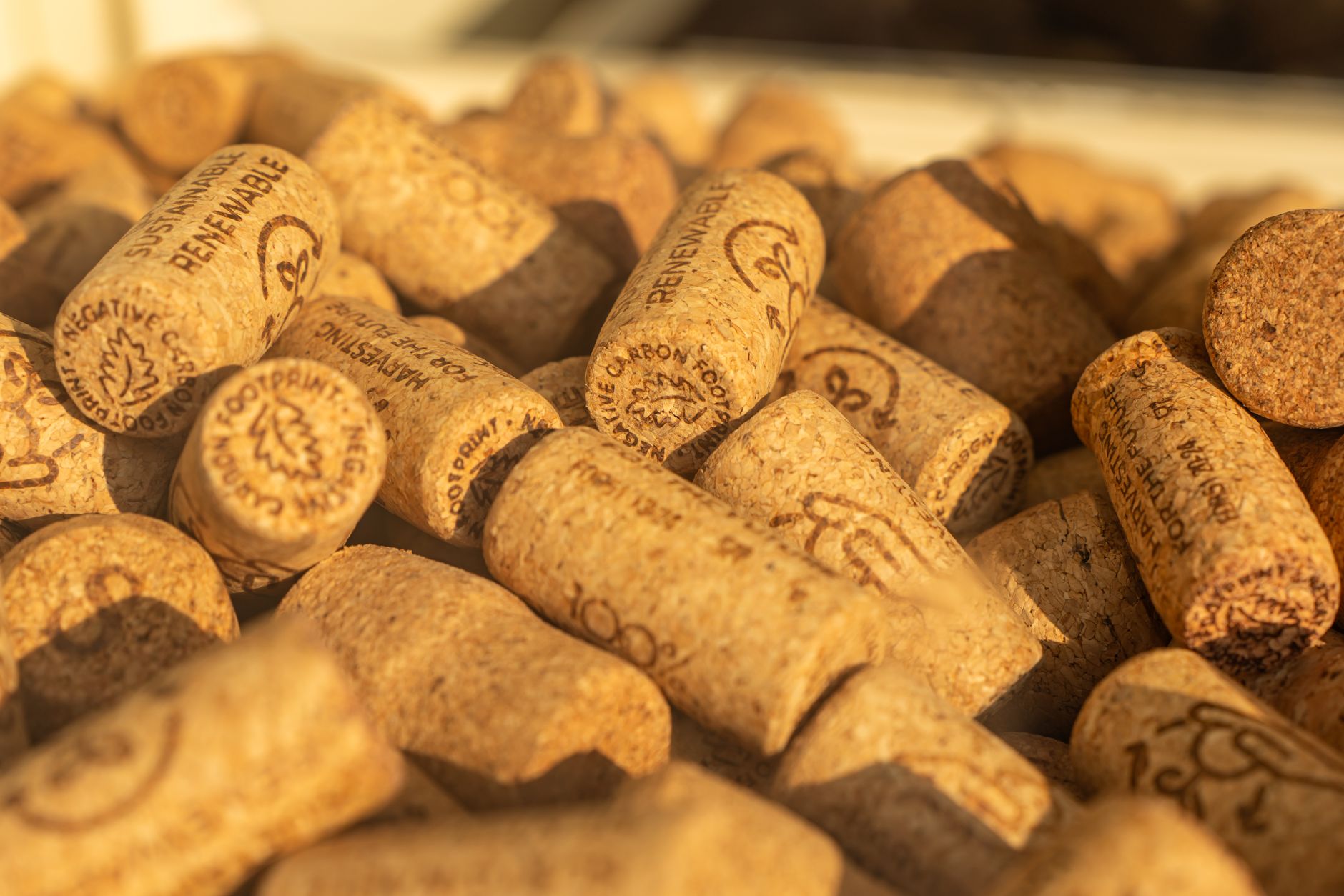
Alentejo covers roughly a third of Portugal’s total land area, yet holds a fraction of its tourism traffic. The cork forests alone – Portugal supplies more than half the world’s cork – create a visual texture unlike anything on the coast, a rolling canopy of gnarled trees with their lower trunks stripped to a warm rust red. Harvest marks are painted onto the bark in white numbers to track the year of the last stripping, since each tree can only be harvested once every nine years. That patience embedded in the landscape is not incidental. It sets the tone for the entire region.
Slow travel does not just mean taking fewer flights. It means arriving somewhere that has no incentive to rush you.
The Architecture of Stillness
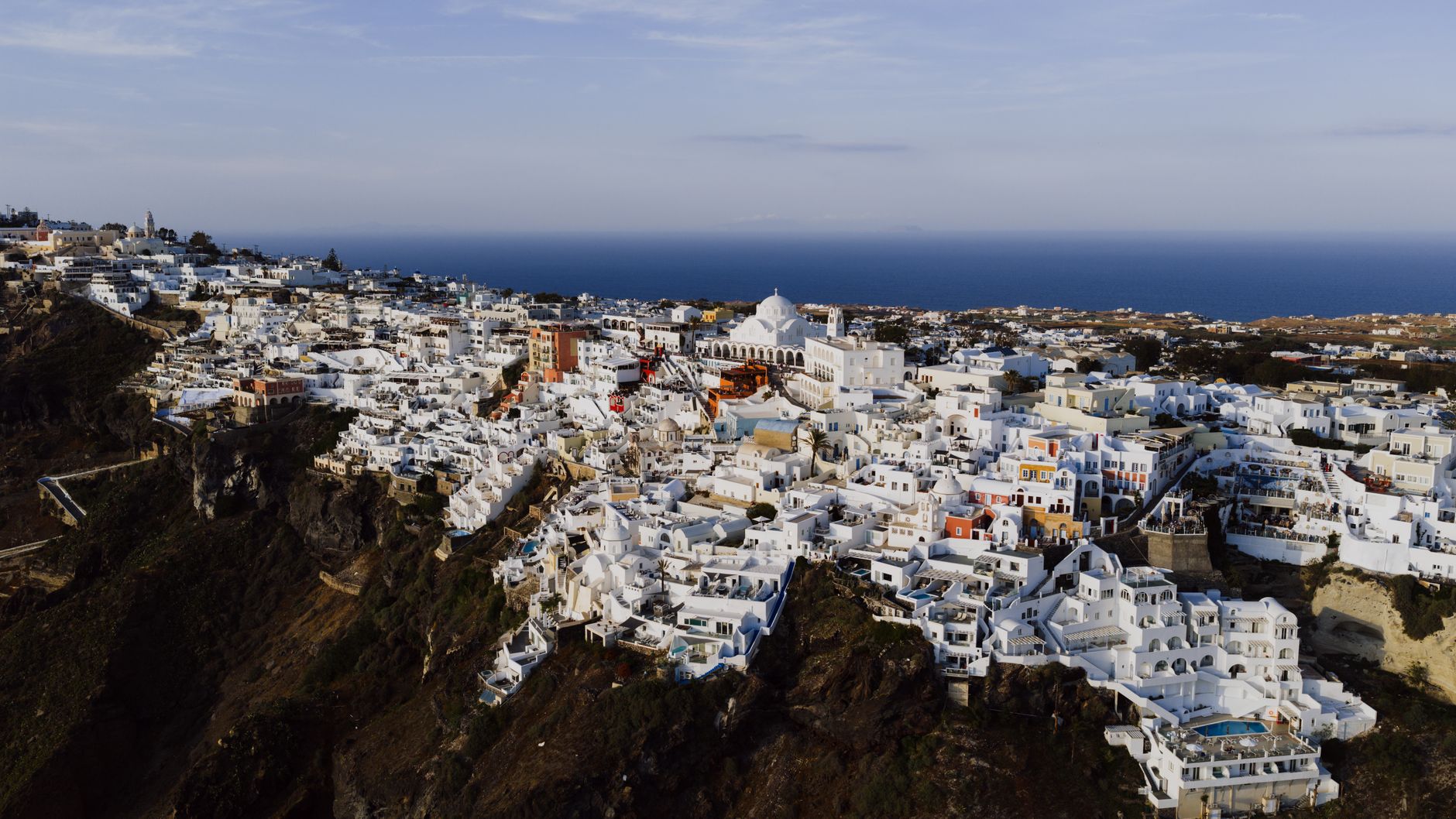
Alentejo’s towns follow a pattern that is almost hypnotic in its consistency: a central square, a whitewashed church with a blue-tiled facade, low houses trimmed in yellow or cobalt to deflect the heat, and a cafe where the espresso costs less than a euro and the pastries are made that morning. Evora is the region’s anchor city, a UNESCO World Heritage site ringed by Roman walls, its streets tight enough that cars feel genuinely out of place. The Roman Temple of Evora – often called the Temple of Diana, though that attribution is disputed – stands in the middle of the city in a way that would seem theatrical anywhere else. Here it simply stands, without explanation or gift shop, as though no one thought to make a fuss about it.
Smaller towns reward the less planned itinerary. Monsaraz sits on a granite hill above the Alqueva reservoir, the largest artificial lake in Western Europe, its medieval walls intact and its permanent population small enough that the village quiets completely by nine in the evening. Marvao, further north, is perched so high that clouds occasionally sit below the castle walls. Neither town has been aggressively developed for tourism, which means accommodation is limited and the experience is proportionally more genuine. Booking in advance is not optional – it is the only way in.
The region also draws a quieter category of traveler interested in archaeological depth. Alentejo contains some of Europe’s oldest megalithic sites, including the Cromlech of the Almendres, a stone circle predating Stonehenge by centuries. It sits at the end of an unpaved road through cork forest, with no entrance fee and rarely more than a handful of visitors at any given time. The contrast with the managed queues of the Algarve’s most photographed beaches is not subtle.
Food, Wine, and the Logic of the Table
Alentejo cuisine is not delicate. It is built for people who work long hours in the heat and need food that sustains them. Bread is central – the traditional bread-thickened soups called acorda and migas appear on nearly every menu, along with slow-cooked pork, cured meats, and cheeses made from local sheep and goat milk. Black pork from the Alentejano breed, raised on acorns in the same forests that produce the cork, carries a depth of flavor that the region’s chefs have stopped trying to complicate with unnecessary technique. The best versions of these dishes are found not in restaurants catering to tourists, but in the kind of place with no menu, just a chalkboard and a set lunch.
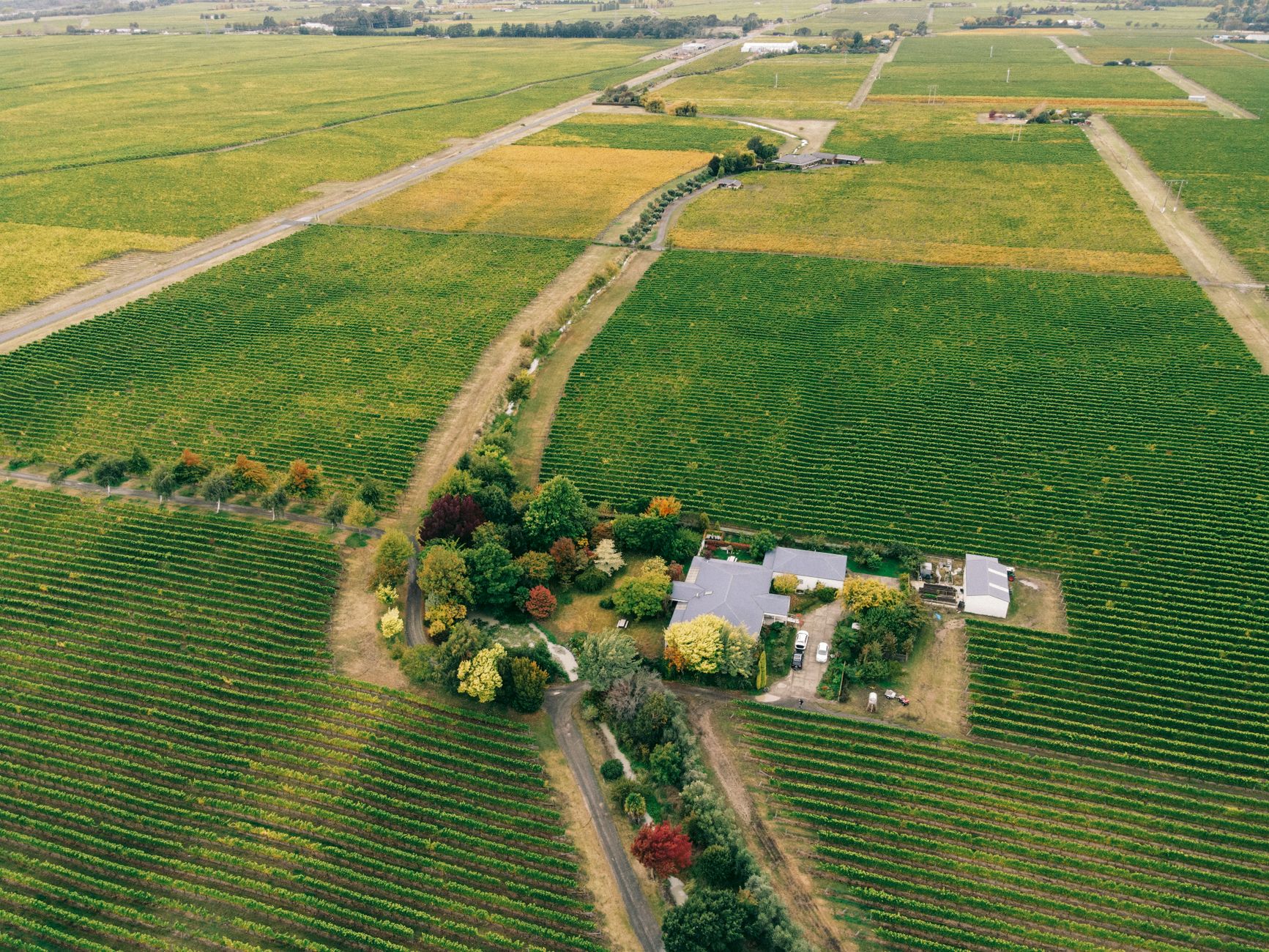
Wine is where Alentejo has quietly built a reputation that extends well beyond Portugal. The region’s DOC wines – made primarily from indigenous grape varieties like Aragonez, Trincadeira, and Alicante Bouschet – have attracted serious investment from Portuguese producers seeking alternatives to overcrowded denominations. The warm continental climate and mineral-rich schist soils produce reds with concentration and structure that age well and cost considerably less than comparable bottles from better-marketed regions. Several quintas offer tastings and accommodation, and spending a night at a working winery surrounded by olive groves and silence is, practically speaking, the most efficient form of decompression available to the over-scheduled traveler.
The pace of dining here reflects the broader tempo of the region. Lunch is the main event, not a break between activities. A three-course meal with wine at a family-run restaurant in a town like Estremoz or Portalegre takes two hours without anyone rushing, and that is not considered slow – it is considered correct.
Getting There Without Losing the Point
Lisbon is the logical entry point, roughly an hour and a half from Evora by road. Car rental is the honest answer for anyone wanting genuine access to the smaller villages and megalithic sites scattered across the interior – public transport exists but requires patience that even slow travelers may not have budgeted for. The best time to visit runs from March through May and September through October, when the heat is manageable and the landscape is either flowering or golden. July and August are not impossible, but midday temperatures can exceed 40 degrees Celsius, and the afternoon siesta that locals practice is not a cultural affectation but a sensible response to physics.
Accommodation options have expanded in recent years, with converted farmhouses – known locally as herdades or montes – offering rural stays that position guests inside the agricultural rhythm of the region rather than adjacent to it. Some operate as working farms producing olive oil, wine, or both, and guests are often welcome to observe or participate in seasonal work during harvest periods. This model of tourism, where the traveler is a guest in a functioning landscape rather than a consumer of a packaged version of it, is exactly what the Algarve’s maturity has made difficult to sustain.
For travelers already drawn to off-the-beaten-path European regions – the kind who have considered Serbia’s Zlatibor Mountain over more obvious Balkan destinations – Alentejo operates on a familiar logic: the less infrastructure between you and a place, the more of it you actually experience.
The Question the Alentejo Asks
The region is not waiting to be discovered – it has been here longer than most of Portugal’s more famous landmarks. What it offers is a form of travel that requires the visitor to slow down not as a lifestyle choice but as a structural necessity: the roads are narrower, the towns close earlier, the food takes longer, and the silence between things is part of the experience rather than dead time to be filled. Whether that sounds like a selling point or an inconvenience is probably the most accurate test of whether you belong here at all.