
Where the Algarve Ends and the Real Portugal Begins
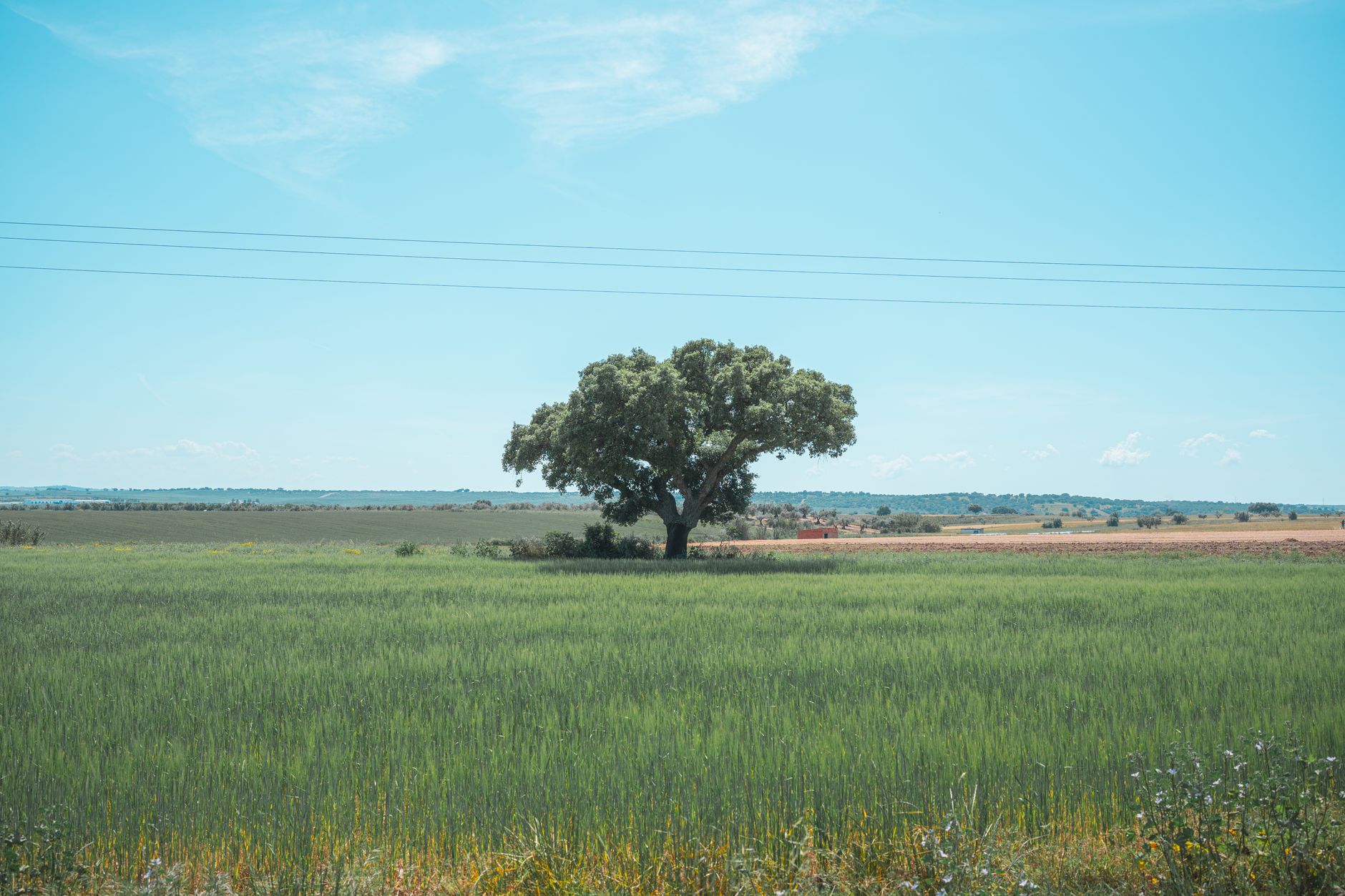
Drive north from the sun-bleached cliffs of the Algarve and within an hour the landscape changes completely. The resort hotels disappear. The roundabouts advertising water parks give way to cork oak forests stretching in every direction, their trunks stripped red and raw. The towns get quieter, the roads less traveled, and the food – suddenly – gets much more interesting. This is the Alentejo, Portugal’s largest region by area and arguably its least understood by foreign visitors who tend to stop at the coast and call it done.
Slow travel as a concept has been circulating in travel circles for years, but Alentejo is one of the rare places where it isn’t a style choice – it’s the only pace the region knows. Life here moves according to harvest schedules, cork cycles, and the rhythms of a landscape that hasn’t been dramatically reshaped by mass tourism. For travelers who’ve grown tired of watching sunsets with a thousand other people, that difference is worth the detour.
A Landscape That Does the Work
The Alentejo plains don’t announce themselves. There are no dramatic sea cliffs, no famous skylines, no single landmark that ends up on every Instagram feed. What there is instead is an almost overwhelming sense of horizontal space – rolling wheat fields, olive groves, and vineyards that fade into low hills without much fanfare. In spring, the plains turn green and wildflower-scattered. By July, the grass has gone gold and the heat presses down in that specific, dry way that makes shade feel like a gift. The light here is exceptional at any season, which is likely why artists and photographers have quietly been making trips to the region for decades.
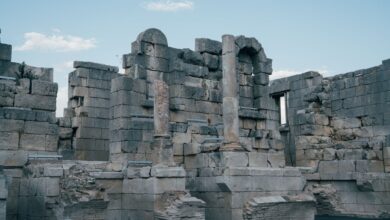
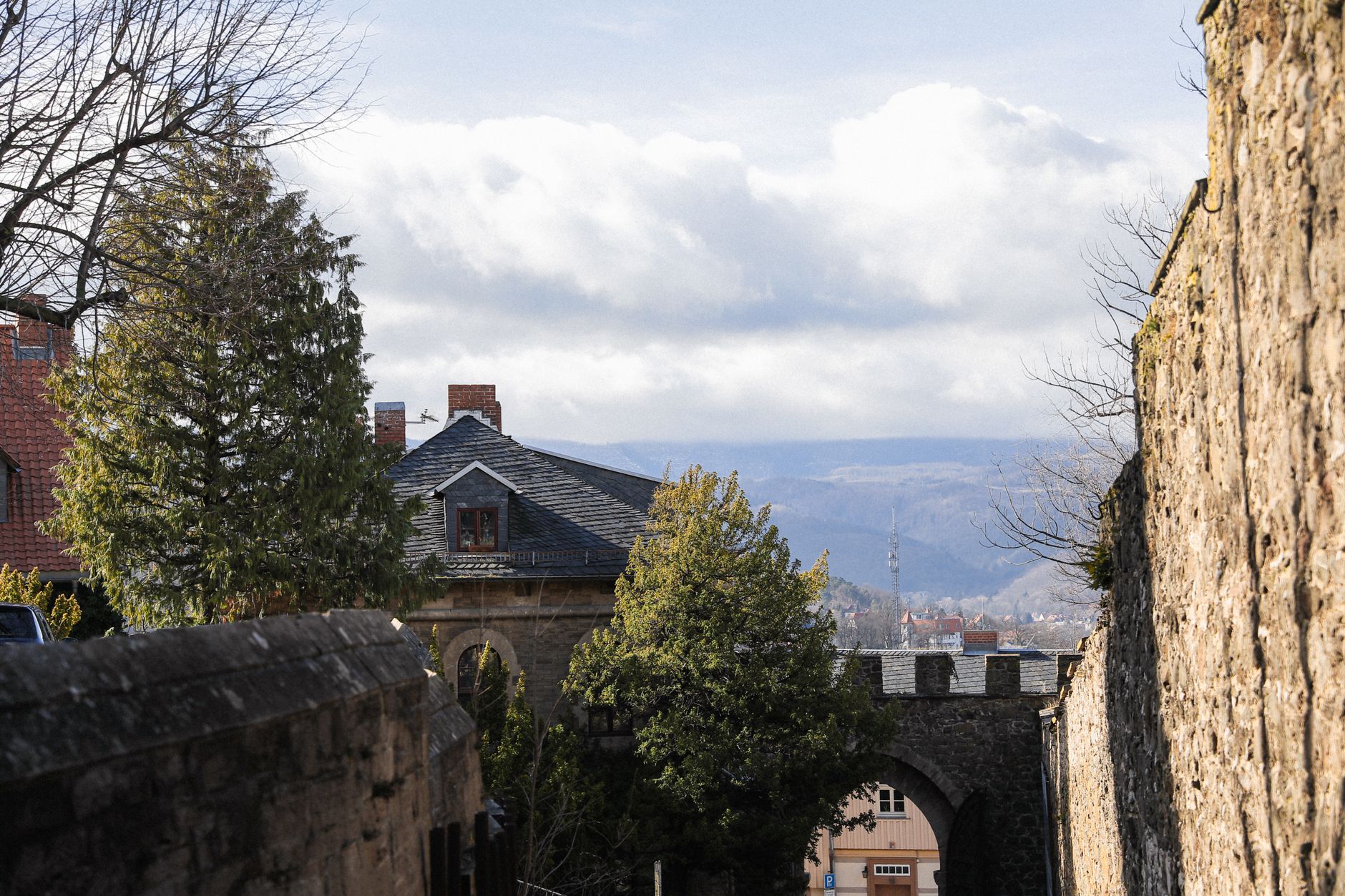
The walled medieval towns that punctuate the landscape – Evora, Monsaraz, Marvao, Estremoz – are each distinct enough to deserve their own full day. Evora alone holds a Roman temple, a Gothic cathedral, and a bone chapel inside a Franciscan church that has no equivalent for sheer unsettling beauty. Monsaraz sits above a vast reservoir with views that stretch into Spain on clear days. These aren’t hidden gems in the cliched travel-writing sense. They’re fully formed, historically layered places that simply haven’t been turned into theme-park versions of themselves yet.
The Food and Wine Case for Alentejo
Portuguese food is already having a sustained moment internationally, but the Alentejo version of Portuguese cooking is its own category. The region’s cuisine is built on a handful of core ingredients – pork, bread, olive oil, coriander, garlic – assembled in ways that prioritize comfort over presentation. Acorda, a bread-based soup thickened with egg and soaked in the kind of olive oil that tastes nothing like what fills supermarket shelves elsewhere, is the dish most associated with the region. It looks unassuming in the bowl and tastes like someone understood exactly what you needed.
The Alentejo is also Portugal’s most productive wine region, and its reds in particular have developed a reputation that’s moved well beyond domestic appreciation. The grape varieties here – Aragonez, Trincadeira, Alicante Bouschet – produce wines that are structured, warm, and well-suited to the meat-heavy cooking of the region. Small producers operate throughout the plains, and many welcome visitors for tastings without requiring reservations weeks in advance, which still stands in contrast to the booking windows now attached to wine tourism in more fashionable European regions.
Cheese deserves its own mention. Queijo de Evora, small and sharp with a firm rind, is produced locally and available at market stalls at prices that feel almost implausible compared to what imported Portuguese cheese costs abroad. Eating it with local bread and a glass of wine on a shaded terrace somewhere in the old quarter of a town that empties of tourists by early evening – that is the specific experience the Alentejo keeps delivering.
The restaurant scene across the region runs from family-run tascas with handwritten menus to more considered cooking from chefs working with local ingredients in ways that would draw immediate attention in Lisbon. Neither end of that spectrum requires dressing up, booking far ahead, or paying the kind of prices that have started to creep into the Algarve’s better dining rooms.

Getting There Without a Fight
The practical case for Alentejo is straightforward. Evora is roughly an hour and a half from Lisbon by road, and regular bus services connect the two cities multiple times daily. From Faro in the Algarve, the drive north through the interior takes around two hours depending on the route. There is no need for a connecting flight, no complex logistics, no language that requires weeks of study to navigate – Portuguese hospitality in the interior is warm and accommodation owners are accustomed to guests who arrive with basic English and good intentions.
Accommodation across the region ranges from converted farmhouses called quintas, which often include access to working vineyards or olive groves, to small guesthouses inside the historic walls of the walled towns. Pricing generally runs below comparable rural stays in Tuscany or Provence, without the loss of comfort or character that sometimes comes with budget rural tourism elsewhere in Southern Europe.
The Slow Travel Logic
What slow travel actually requires – beyond the philosophical commitment – is a destination that rewards extended attention. The Algarve is good for what it offers: reliable sun, accessible beaches, efficient resort infrastructure. It answers a specific vacation demand cleanly. But it doesn’t particularly reward spending a third or fourth day in the same place, because the logic of the Algarve is consumption rather than immersion. The Alentejo works the opposite way. The longer the stay, the more the place opens up – the market rhythms become familiar, the walk between one village and the next starts to feel like yours, the same waiter at the same cafe starts to bring your coffee without being asked.
That quality of accumulation is genuinely rare in European travel, where so many regions have been optimized for short, high-turnover visits. The Alentejo hasn’t been, not yet, and that’s either because the infrastructure for mass tourism hasn’t arrived or because the region itself resists the kind of packaging that makes a destination easy to sell in a headline. Probably both.
The one tension worth naming honestly: parts of the Alentejo are remote in ways that require a car to navigate properly. Public transport connects the main towns adequately, but the quintas and smaller villages between them – which often hold the most interesting experiences – are difficult to reach without your own wheels. For travelers who prefer not to drive, the itinerary narrows significantly, centering primarily on Evora with day trips dependent on organized tours or taxis. That’s a real constraint, not something to footnote away. Whether it outweighs the alternative – spending another week at a beach resort where everything is accessible and nothing particularly memorable – is a question each traveler has to answer for themselves.
Frequently Asked Questions
How far is the Alentejo from Lisbon?
Evora, the region’s main city, is roughly 90 minutes from Lisbon by road or bus, making it an easy addition to any Portugal itinerary.
Do you need a car to explore the Alentejo?
A car is strongly recommended if you want to reach rural quintas and smaller villages. Public transport connects major towns like Evora but leaves much of the countryside inaccessible.