
The Forest That Travelers Keep Overlooking
When most chimpanzee trekkers think East Africa, they think Uganda – Kibale National Park, Bwindi’s misty ridges, the well-worn booking systems that funnel thousands of visitors through the same trails each year. Rwanda’s Nyungwe Forest National Park sits a few hours south of Kigali and hosts one of Africa’s oldest and largest montane rainforests, yet it rarely appears at the top of anyone’s primate itinerary. That gap is increasingly hard to justify.
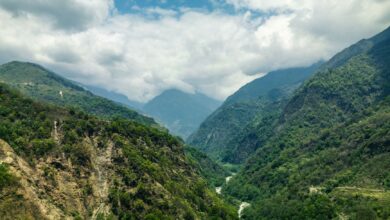
Nyungwe covers roughly 1,000 square kilometers of unbroken canopy along Rwanda’s western border with the Democratic Republic of Congo. The forest is home to around 13 primate species, including a resident chimpanzee population that park trackers have spent years habituating to human visitors. The trekking program is fully operational, the trails are maintained, and permits are available – often with far less lead time than Uganda requires.
What the Trekking Experience Actually Looks Like
Nyungwe’s chimp trekking begins at the Uwinka or Cyamudongo sector, depending on which chimpanzee community a guide is tracking on a given day. Cyamudongo is a smaller, isolated forest patch to the south and tends to produce more reliable chimp sightings because the community there has a compressed range – they simply have fewer places to hide. Uwinka sits inside the main forest block and offers the wilder, more immersive experience, with the understanding that the chimps may be deeper in the canopy.
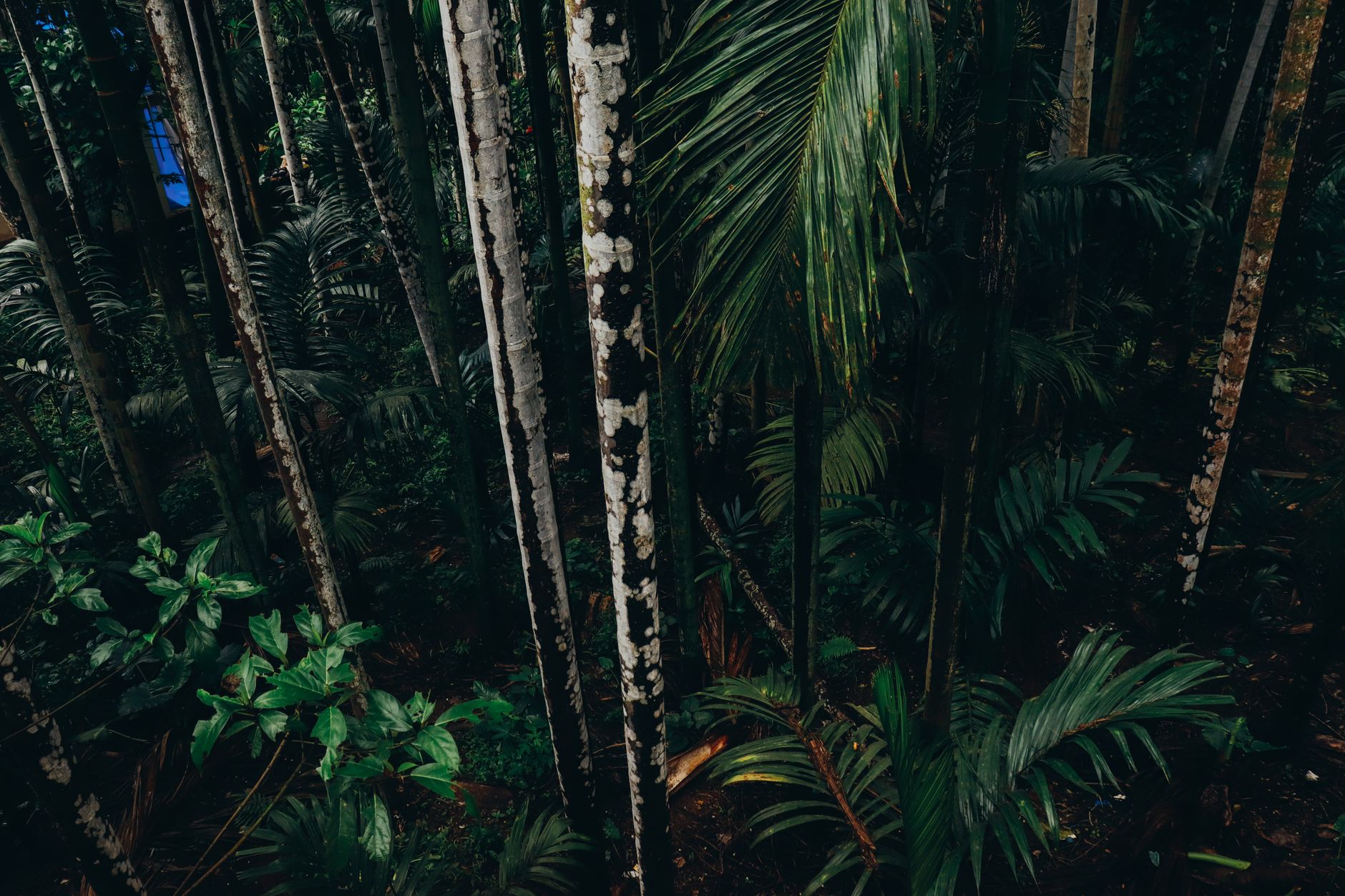
Groups are kept small. Rwanda’s conservation model generally limits trek group sizes as a matter of policy, which means the experience rarely feels like a queue. Visitors spend a single hour with the chimps once contact is made – the same international standard applied in Uganda – but the walk to find them through Nyungwe’s layered understory is part of what people remember. The forest floor is thick with ferns, moss-draped fig trees, and the sound of black-and-white colobus monkeys before the guides even pick up a chimp trail.
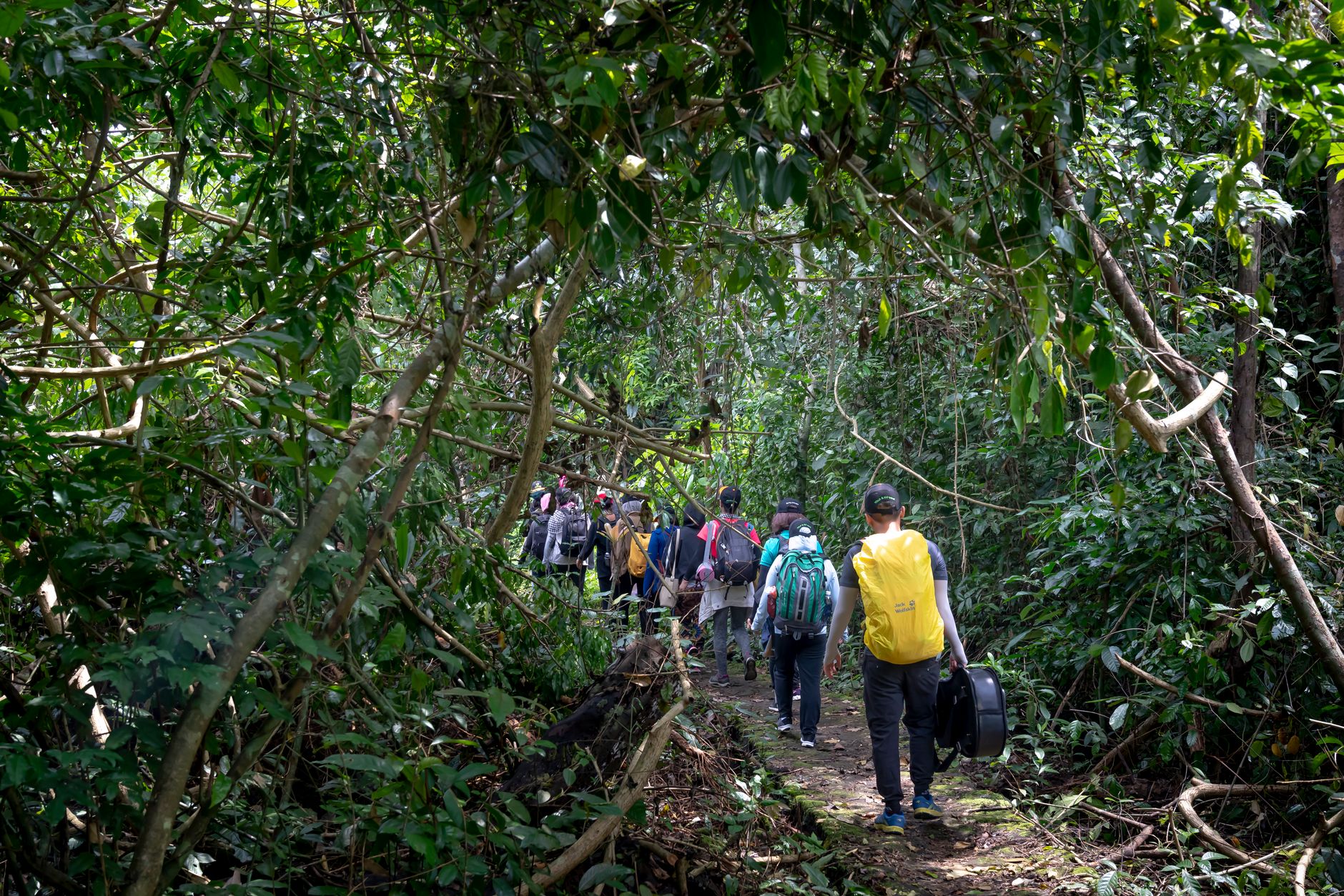
The altitude changes everything about how the forest feels. Nyungwe sits between 1,600 and 2,950 meters above sea level, making the air cooler and the light different from the lowland forests of western Uganda. Trekkers who have done both often describe Nyungwe as more demanding physically but more visually striking – the views across the canopy from the Uwinka ridge are legitimately panoramic, and the forest’s age shows in the scale of the trees.
Chimp sightings are not guaranteed anywhere in Africa, but Nyungwe’s habituation teams have been working consistently since the early 2000s, and the park’s chimp communities are considered well-habituated. On most tracked mornings, guides locate the group within the first two hours of walking. The frustrating days exist, as they do in Kibale or Mahale, but they are not the norm.
Permits, Pricing, and the Logistics Gap
Rwanda positions itself as a premium safari destination, and Nyungwe’s chimp trek permits reflect that. At around $150 per person, they sit below the cost of a gorilla permit in Rwanda – which runs $1,500 – and are broadly comparable to chimp trekking costs in Uganda’s top parks. The pricing is accessible relative to the overall Rwanda safari market, and because demand has not yet caught up to what the forest can offer, booking within a few weeks of travel is still often possible.
Uganda’s Kibale National Park, by contrast, has become genuinely difficult to book during peak months. Its reputation as the best place in the world to track chimpanzees is well-earned, but that reputation drives volume, and volume creates a different kind of experience. Nyungwe offers something that Kibale increasingly cannot: a reasonable chance at a trail that feels uncrowded.
Beyond the Chimps
The forest’s draw extends well past primates. Nyungwe holds more than 300 bird species, including 29 that are endemic to the Albertine Rift – a region that ornithologists consistently treat as one of Africa’s most biodiverse corridors. The canopy walkway at Uwinka, suspended above the forest at roughly 50 meters, gives birders a perspective on the upper story that ground-level trails cannot replicate. For travelers combining Rwanda’s gorilla trekking in Volcanoes National Park with a Nyungwe extension, the two-destination structure requires only a single country, a single visa, and road distances that are manageable by vehicle.
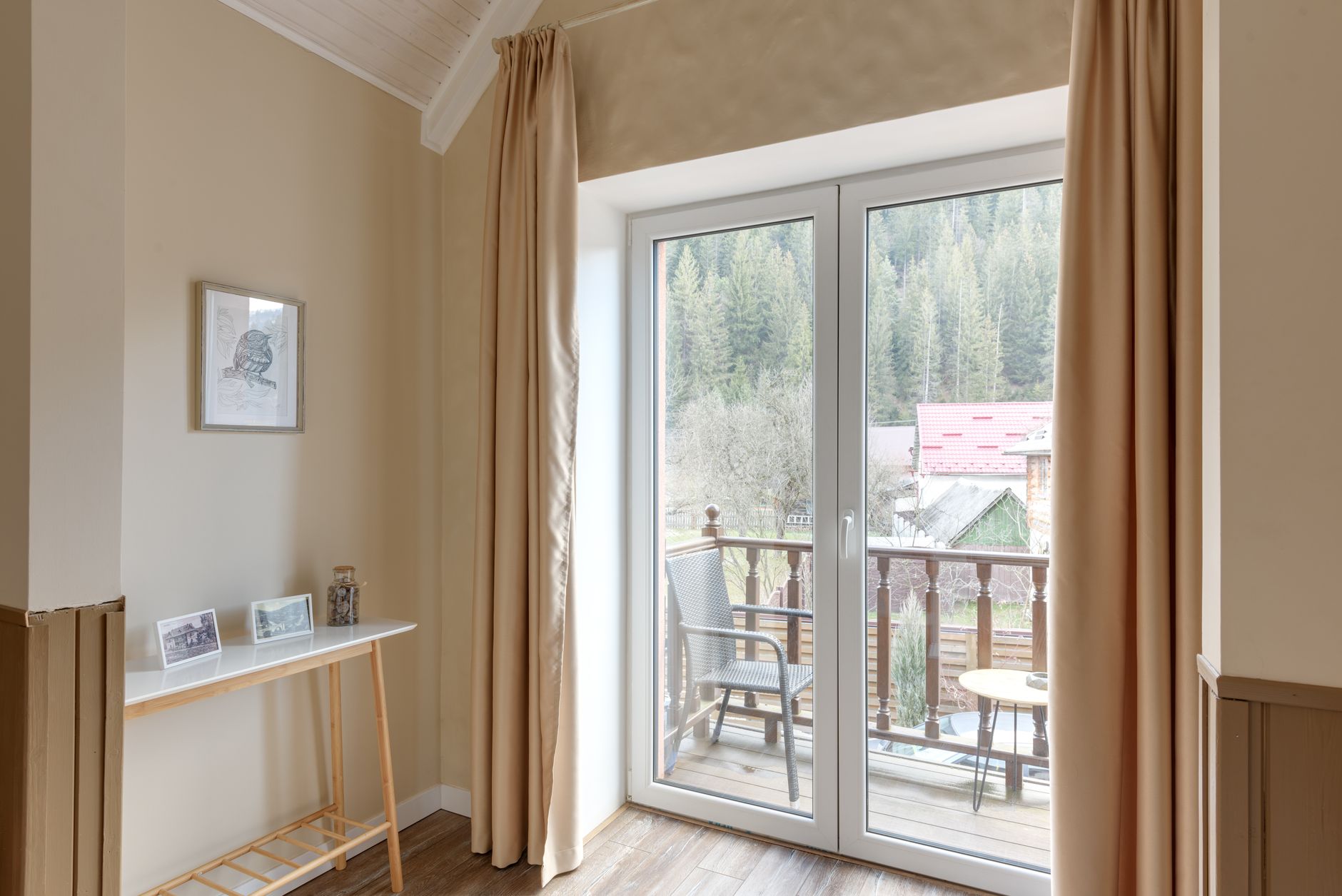
A growing number of lodges have opened near the park in recent years, ranging from tented camps to properties with forest-facing verandas that make early-morning departures for the trailhead almost effortless. The infrastructure is not yet at the level of Uganda’s most developed wildlife corridors, but it has crossed the threshold from adventure logistics into genuine comfort travel. Travelers who associate Rwanda only with gorillas and genocide memorial visits often leave Nyungwe surprised by how complete the experience is.
The question hanging over all of this is whether Nyungwe’s relative obscurity can last. Rwanda’s tourism board is aware of what the forest offers, and international operators have started building it into multi-country East Africa itineraries as a differentiator. Once that happens at scale, the thing that currently makes Nyungwe worth the detour – the quiet, the space, the permits available on short notice – will become exactly what it replaced.