
Rwanda Opens More Access to Its Most Celebrated Wildlife Experience
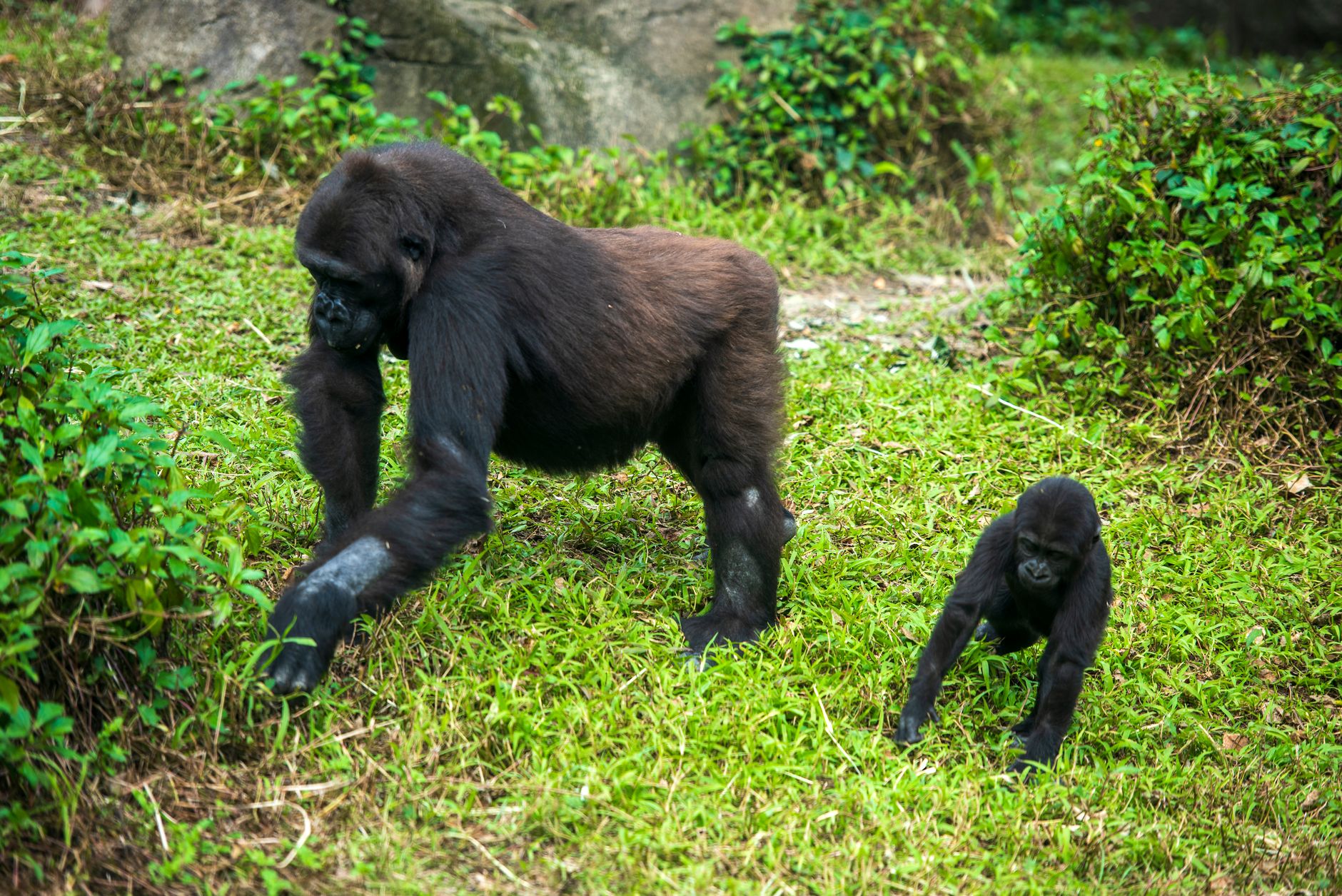
Rwanda’s Rwanda Development Board has announced an expansion of daily gorilla trekking permits at Volcanoes National Park, increasing the number of visitors allowed to track habituated mountain gorilla groups through the Virunga range. The move addresses years of oversubscribed demand and positions the park as a more accessible destination without compromising its conservation model.
What the Permit Expansion Actually Changes
For years, Volcanoes National Park operated under a strict cap tied directly to its habituated gorilla groups – each group permitted a maximum of eight visitors per day, for one hour of contact time. That structure remains unchanged. What has shifted is the number of gorilla groups now open to trekking, with Rwanda’s wildlife authorities having successfully habituated additional groups to human presence, effectively expanding total daily permit availability without altering the conservation protocols that govern each visit.
The permit price itself remains among the highest in Africa at $1,500 per person per trek. Rwanda has held that pricing deliberately since 2017, when it raised fees sharply and repositioned the experience as a premium conservation product. The logic: fewer, wealthier visitors generate more revenue per head than high-volume tourism at lower prices, and that revenue funds anti-poaching operations, ranger salaries, and community benefit programs around the park’s buffer zones.
Adding more habituated groups – rather than simply issuing more permits to existing groups – is the critical distinction in how Rwanda has grown capacity. Habituation takes years. Rangers spend months with a wild gorilla group daily, gradually conditioning the animals to tolerate human proximity without stress. Only groups that have completed this process are opened to tourists. The new groups now receiving visitors represent years of preparatory fieldwork, not an overnight policy decision.
Practically speaking, the expansion means travelers who previously faced wait times of months – or were turned away entirely during peak season – now have a realistic shot at securing a permit within a shorter planning window. Tour operators active in the region have already reported faster permit availability, particularly for groups traveling between June and September, historically the park’s most congested period.
The Conservation Calculus Behind the Decision
Mountain gorillas are the only great ape whose global population is currently growing. That recovery – from roughly 620 individuals counted in 2008 to over 1,000 today across the Virunga massif and Uganda’s Bwindi Impenetrable Forest – is directly tied to the protection that ecotourism revenue funds. The model works because it creates economic incentive to preserve habitat rather than convert it. Farmland borders the park on nearly every edge, and the communities living there must see a financial reason to coexist with wildlife rather than encroach on it.
Rwanda channels a portion of permit revenue directly into surrounding communities through its Revenue Sharing Program, which allocates funds toward schools, health clinics, and infrastructure in villages adjacent to the park. Expanding the number of permits issued – even marginally – increases the total pool of money flowing into that program. For local residents who might otherwise view the forest as an obstacle or resource to extract, that income creates a material stake in the gorillas’ survival.
Critics of permit expansion in conservation circles often raise the concern that increased human contact, even controlled contact, carries risk for wild primates. Mountain gorillas are susceptible to human respiratory illnesses, which is why park rules require visitors to wear masks when within close range of the animals, and why anyone showing cold symptoms is turned away at the trailhead. Rwanda’s wildlife authority has consistently maintained that these protocols reduce transmission risk to acceptable levels, and the gorilla population data supports that the current approach has not reversed the animals’ recovery trajectory.
There is also the question of what happens to the trekking experience itself as more groups open. Part of what justifies the $1,500 price point is the sense of rarity – that standing within meters of a silverback in dense Afromontane forest is something very few people get to do. If permits become materially easier to obtain, the psychological exclusivity that partly defines the product shifts. Rwanda is betting that the experience itself – the forest, the animals, the physical effort of the trek – carries enough inherent weight that no amount of reasonable permit expansion will dilute its impact on the visitor.
What is harder to manage is the secondary market that has grown around permit scarcity. Block bookings by large safari operators, permit reselling at inflated rates, and last-minute cancellations that never return inventory to individual travelers have all been documented problems. Whether the expansion is large enough to relieve that pressure – or whether permit brokers simply absorb the additional supply – will determine how much of the new access actually reaches independent travelers rather than packaged luxury itineraries.
Planning a Trek Under the New Allocation
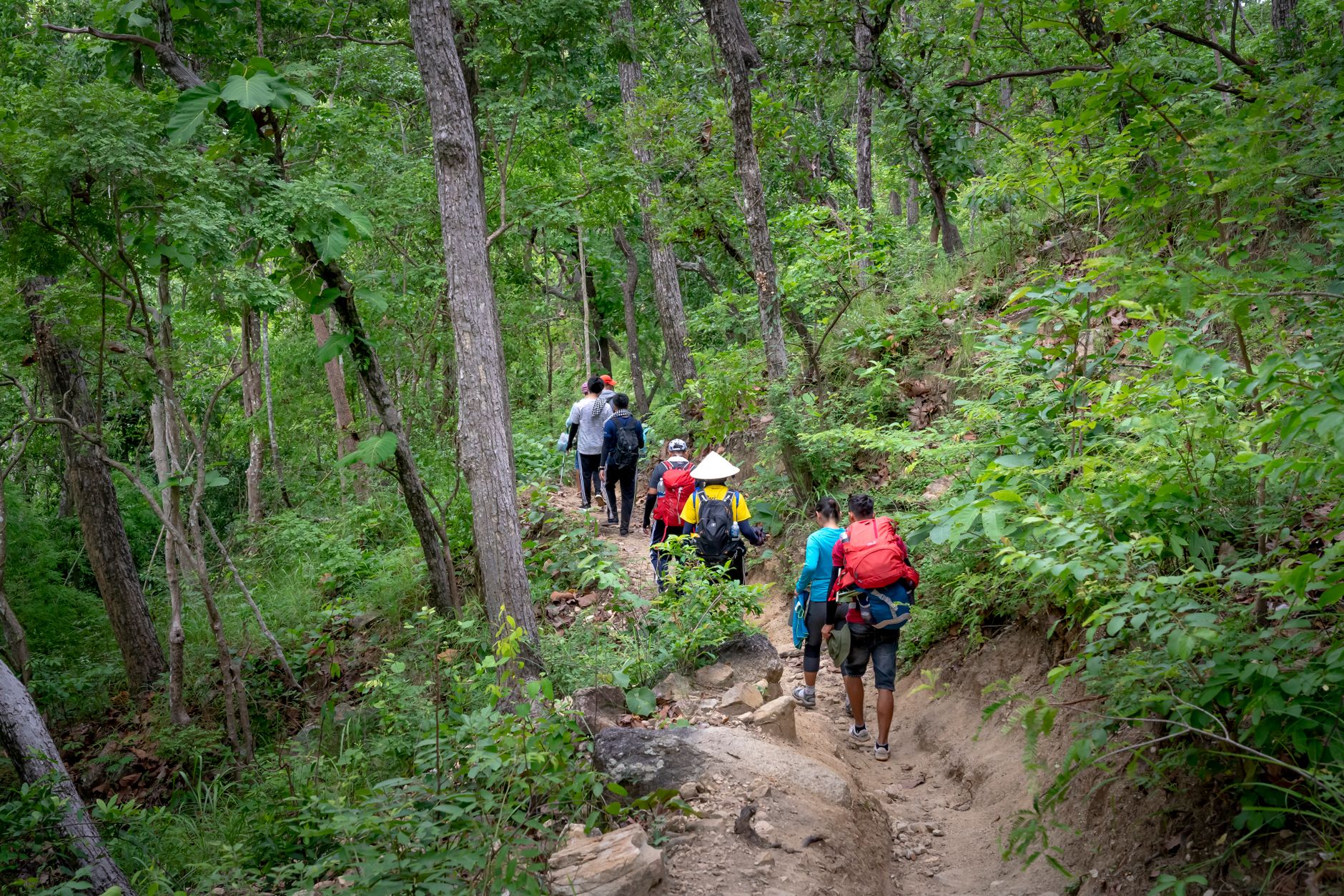
Permits can be booked through the Rwanda Development Board directly or through licensed tour operators, and the recommendation from most experienced travel agents working the East Africa circuit is to book a minimum of three to six months ahead, even with expanded availability. The trek itself varies considerably in difficulty – some gorilla groups range at lower elevations and require only a few hours of hiking, while others move into steeper terrain above 3,000 meters where altitude and dense vegetation make for a genuinely physical day. Travelers should factor fitness level into which group they are assigned to, something that can sometimes be negotiated with rangers at the morning briefing.
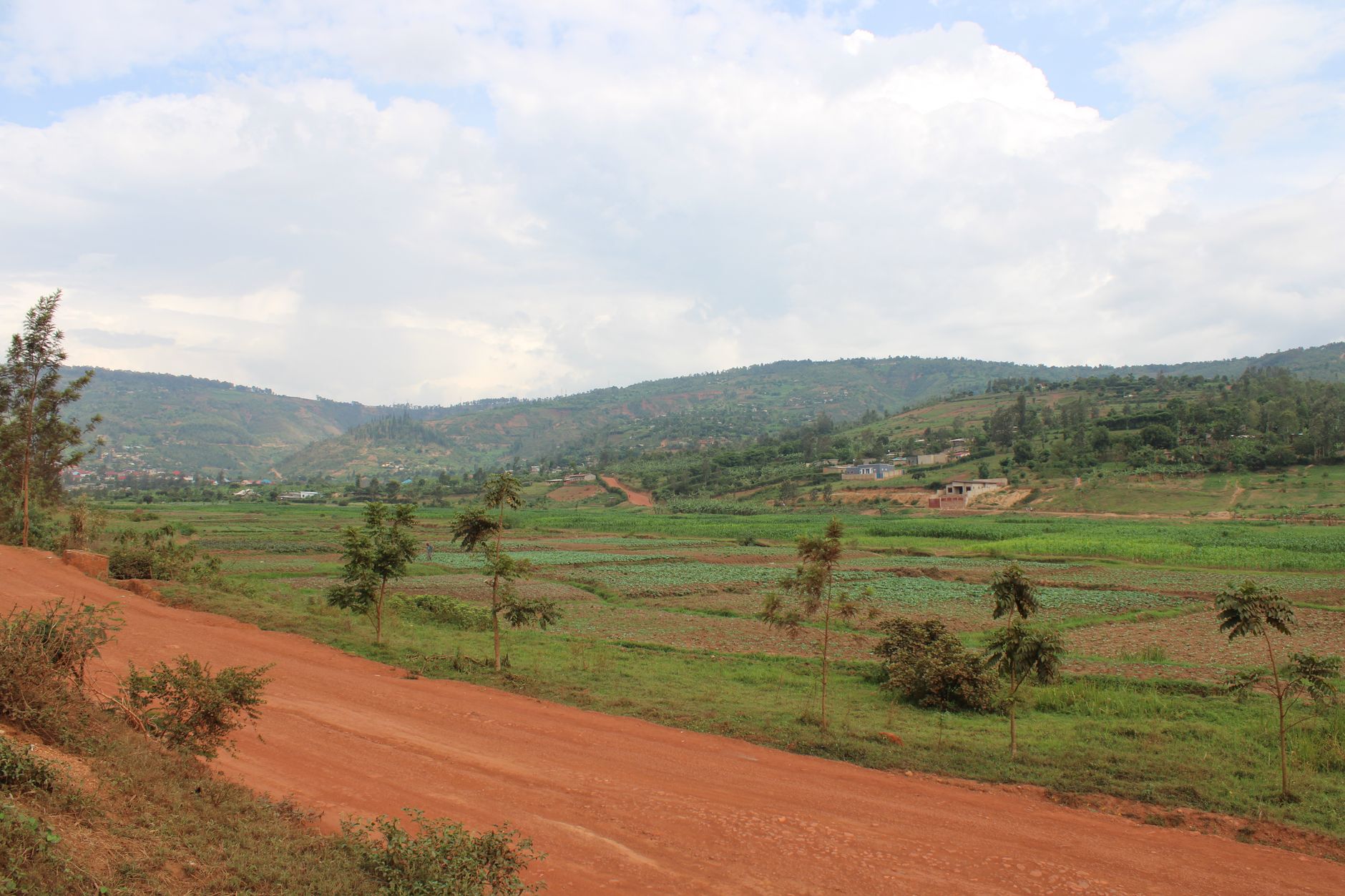
Kigali serves as the main entry point, with the park roughly two to three hours by road. The surrounding area around Musanze has grown considerably as a travel hub, with lodges ranging from basic guesthouses to high-end properties designed around the gorilla trekking experience. Rwanda also allows combination itineraries that pair a gorilla permit with a golden monkey trek in the same park – a far less expensive and less talked-about experience that offers its own reward for anyone willing to spend an extra day in the Virungas. Whether the permit expansion draws a new category of traveler who previously dismissed Rwanda as financially out of reach, or simply increases throughput among the same demographic already booking East Africa, is the question that will define whether this works as both a conservation and a tourism strategy.