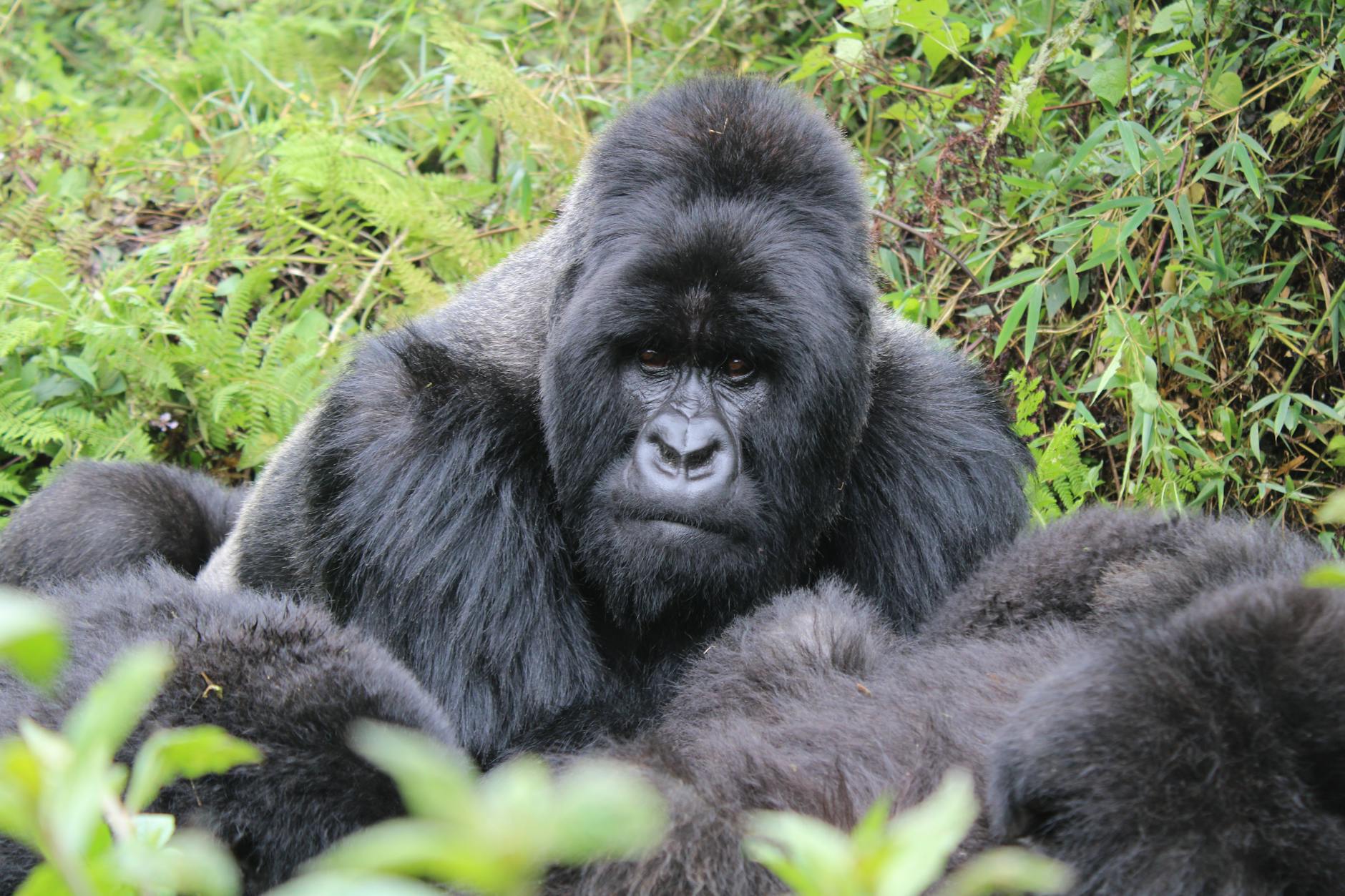

Rwanda’s Volcanoes National Park has expanded its daily gorilla trekking permit quota for the first time in several years, a move that opens access to one of Africa’s most sought-after wildlife experiences while reigniting debate about conservation limits in fragile mountain ecosystems.
What the Expansion Actually Means for Travelers
Until recently, Volcanoes National Park issued a fixed number of permits per day, capping the number of visitors who could track the park’s habituated mountain gorilla groups. The Rwanda Development Board has now approved an increase tied to the habituation of additional gorilla families – meaning more groups have been gradually acclimatized to human presence under supervised conditions, making them safe to visit. This is not a blanket opening of the park; each trekking group is still limited to one hour with a gorilla family and capped at eight visitors.
The additional permits apply to both standard trekking and the longer gorilla habituation experience, which allows a four-hour stay with a semi-habituated group. That experience carries a separate, higher fee and attracts visitors who want something closer to a research-style encounter. The expansion affects scheduling across multiple departure slots, which practically means travelers who previously faced months-long waitlists now have a more realistic window for booking within 60 to 90 days.
Permit prices remain among the highest in African wildlife tourism – currently $1,500 per person for standard trekking. That figure has not changed with the expansion, and Rwanda’s positioning as a premium destination appears deliberate. The country has long argued that high prices reduce visitor volume while maximizing conservation revenue, a model that differs sharply from parks in Uganda and the Democratic Republic of Congo, where gorilla permits cost considerably less.
For travelers already familiar with the logistics, the booking process runs through the Rwanda Development Board’s online portal and select licensed operators. Permits can sell out quickly even under the expanded quota, particularly during the dry seasons of June through September and December through February, when trail conditions are most favorable and demand spikes.
The Conservation Math Behind More Permits
Mountain gorillas are one of the few great ape species whose population is actually growing. Current estimates place the total number of mountain gorillas across Rwanda, Uganda, and the DRC at just over 1,000 individuals – a recovery from critically low numbers recorded in the 1980s. Rwanda’s portion of that population lives entirely within the Virunga Massif, a chain of volcanoes that straddles three national borders.
The decision to expand permits is inseparable from the revenue those permits generate. A significant portion of gorilla trekking fees funds anti-poaching patrols, ranger salaries, veterinary care for gorilla groups, and community benefit programs in villages surrounding the park. When local communities receive direct economic returns from conservation, the incentive to poach or encroach on park land drops considerably. This is the practical logic Rwanda has built its entire wildlife economy around, and the numbers have justified it so far.
Adding new habituated groups takes years, not months. Researchers and trackers spend extended periods near wild gorilla families, allowing the animals to gradually accept human proximity without stress responses. A group is only opened to tourists once it consistently shows calm behavior around people. This means the expanded permit quota is not a rushed commercial decision – the groundwork was laid well before the announcement.
That said, conservation scientists continue to debate the optimal level of human contact with habituated gorillas. Disease transmission is the primary concern. Gorillas share roughly 98% of human DNA, making them susceptible to common respiratory illnesses. Visitors are required to wear masks, maintain a minimum distance of seven meters, and stay away from the park entirely if showing cold or flu symptoms. Those rules apply regardless of permit cost or how far someone has traveled.
There is also the question of behavioral impact over time. Some researchers argue that frequent human presence – even calm, regulated contact – subtly alters gorilla group dynamics and ranging patterns. Rwanda’s park management has so far maintained that its protocols minimize these effects, but the expanded access will put those protocols under closer scrutiny from the international conservation community. For trekkers drawn to mountain wildlife destinations across East Africa, this broader question of sustainable access is becoming harder to ignore.
Planning a Trek: What to Know Before You Go
Volcanoes National Park sits in Rwanda’s northwest corner, roughly two to three hours by road from Kigali. The trek itself can range from 30 minutes of hiking to a full day depending on where the gorilla group has moved since the previous day’s tracking. Altitude reaches above 3,000 meters in parts of the park, and the terrain involves dense vegetation, steep slopes, and frequent rain. Physical fitness matters more than most tour operators candidly admit – the hour with the gorillas is easy; getting there is not.
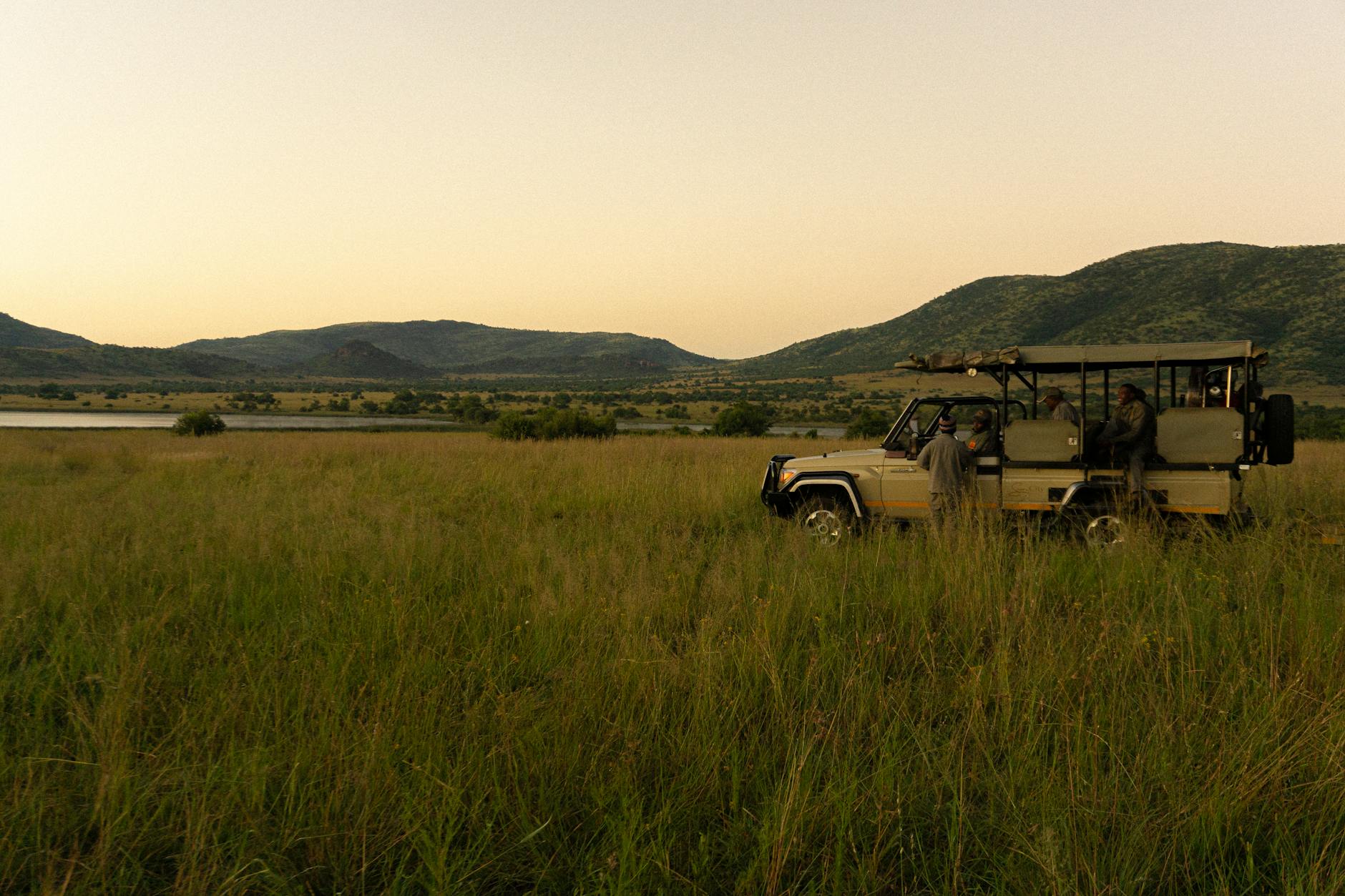
Accommodation in the area runs from mid-range lodges in Musanze town to high-end camps positioned close to the park boundary, some of which include permit booking as part of package rates. The luxury end of the market has grown substantially in recent years, with several properties now offering private gorilla trekking experiences – separate from the standard group format – for travelers willing to pay a significant premium on top of the base permit fee. Whether the expanded quota will ease the scarcity that has historically driven those premium prices upward is the question operators and visitors alike are now watching closely.