Serbia’s Tara National Park Quietly Rivals Slovenia for River Canyon Seekers

A Canyon That Europe Has Largely Overlooked
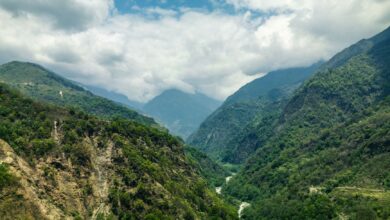
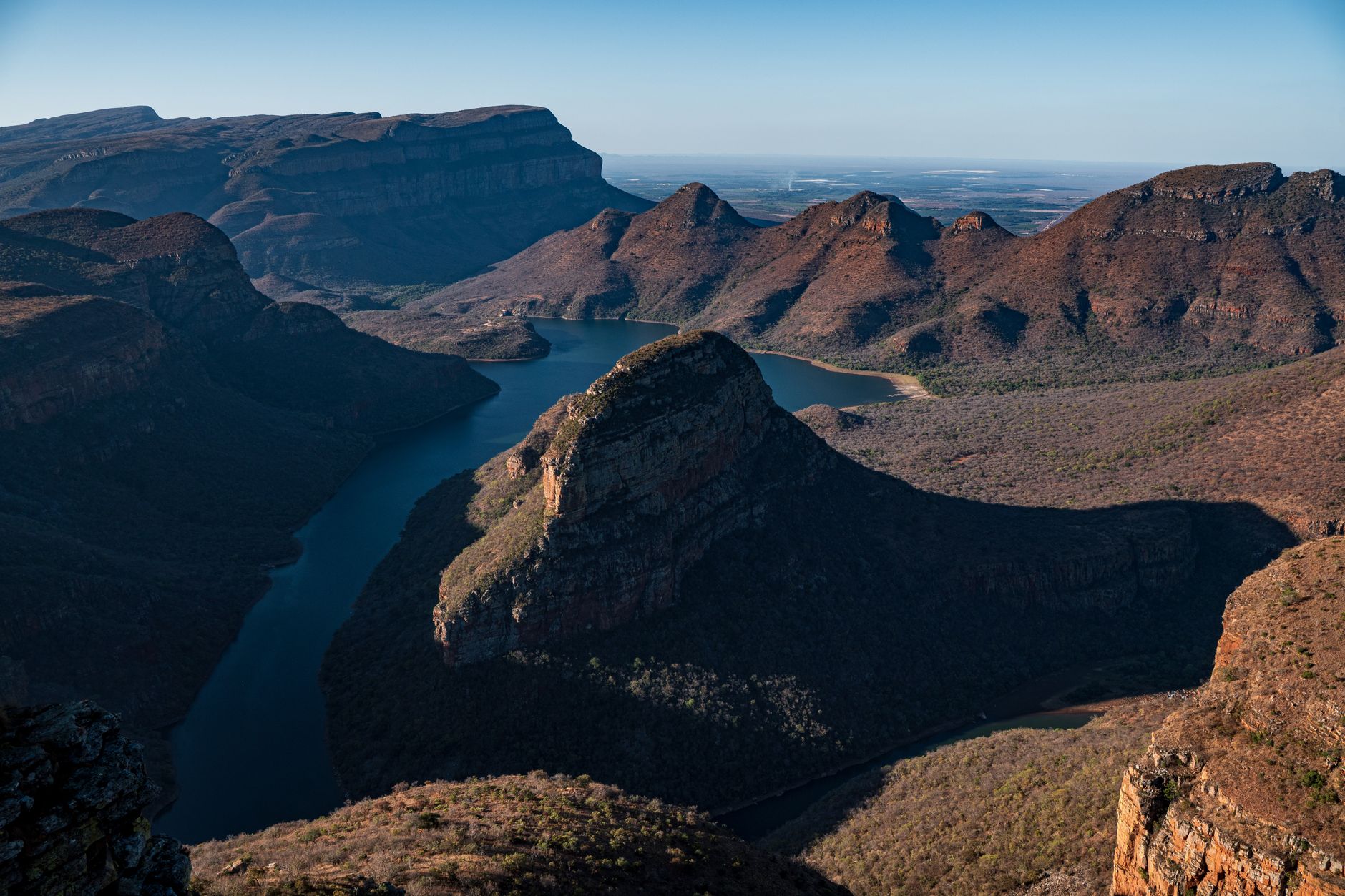
The Tara River Canyon in western Serbia cuts nearly 1,300 meters into the earth, making it the deepest river gorge in Europe and the second deepest in the world after the Grand Canyon. Yet outside the Balkans, it remains almost entirely absent from mainstream travel conversation – a gap that, given the canyon’s scale and accessibility, is genuinely difficult to explain. While Slovenia’s Soca Valley collects international press for its turquoise water and alpine drama, Tara delivers a competing set of credentials at a fraction of the visitor pressure.
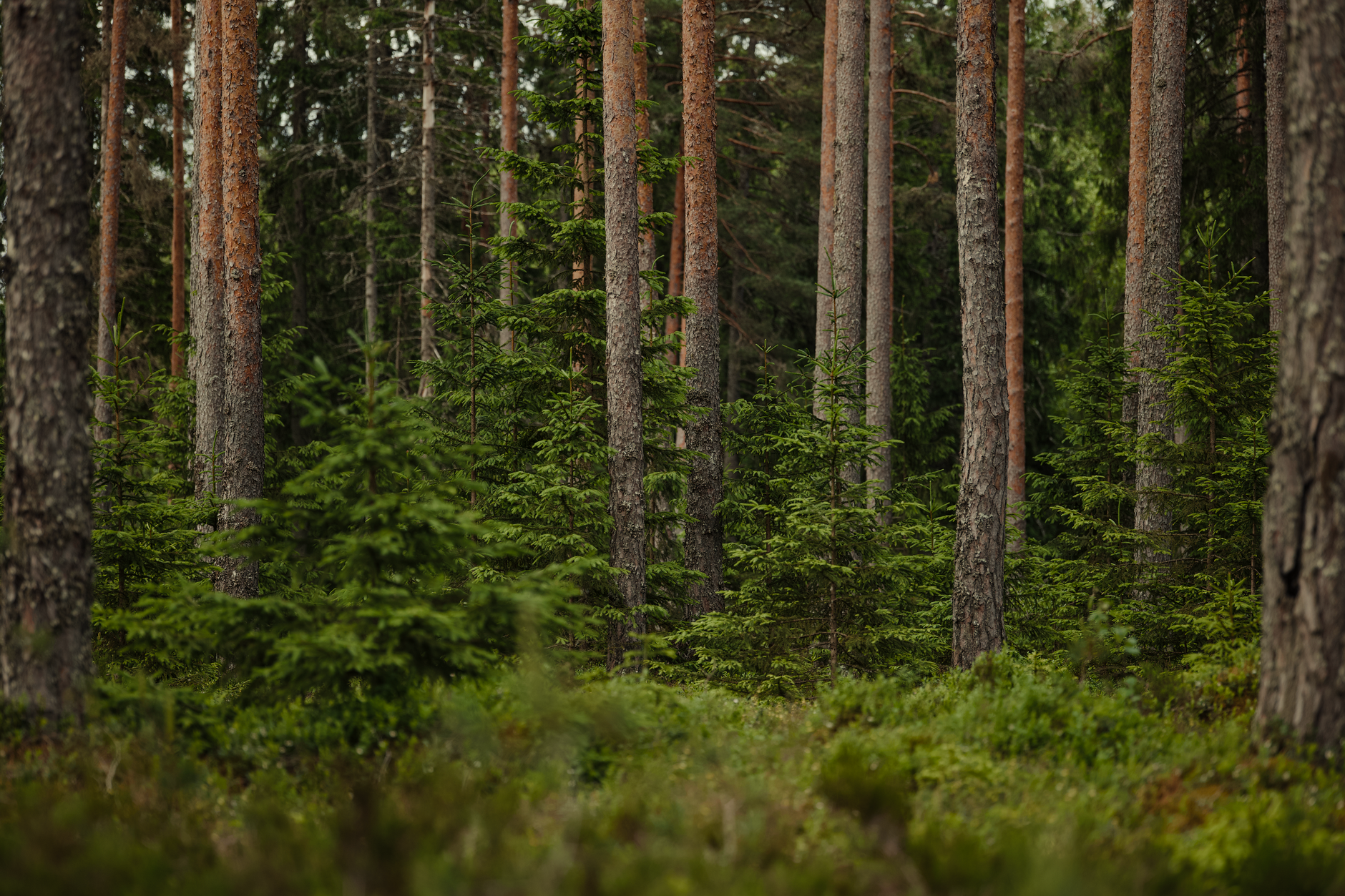
Serbia’s Tara National Park, which surrounds the canyon and spans roughly 220 square kilometers of forested plateau, is among the most biologically rich protected areas in Europe. It harbors the Pancic’s spruce – a relict conifer species found almost nowhere else on earth – alongside brown bears, wolves, and the rare European otter. The park occupies the border region between Serbia and Bosnia and Herzegovina, and the Tara River itself forms the natural boundary for much of that stretch, eventually feeding into the Drina and draining into the broader Danube system.
Why Slovenia Gets the Credit Tara Deserves
Slovenia’s tourism infrastructure is polished, its marketing is sophisticated, and its alignment with EU travel circuits has given the Soca Valley a consistent place in editorial coverage for nearly two decades. Tara does not have that machine behind it. Serbia has invested in eco-tourism development within the park, but the country’s international profile as a destination still skews toward Belgrade’s nightlife and cultural scene. The canyon and its surroundings benefit from that oversight in one very specific way: the trails, rafting put-ins, and viewpoints are rarely crowded, even in peak summer.
The comparison between the two destinations is not about declaring a winner. The Soca is a colder, faster river better suited to technical kayaking. Tara is wider in sections, more canyon-like in character, and the surrounding forest creates a heavier, more enveloping atmosphere. A traveler who loved the Soca for its visual drama might find Tara more raw in texture – less manicured, more openly wild. The two rivers pull at slightly different types of river traveler, even when the instinct to compare them is logical.
What Tara lacks in polish it compensates for with scale. The canyon walls rise abruptly from the river, and there are viewpoints within the park – particularly at Cuker and along the road toward Crno Jezero – where the drop is severe enough to make the surrounding spruce forests look miniature. The UNESCO Biosphere Reserve designation the park holds has done little to increase its western European footfall, which is partly a reflection of how disconnected Serbia remains from the dominant travel marketing pipelines that feed publications and booking platforms.
Pricing is another factor that sharpens the comparison. Accommodation in the villages around Tara – Bajina Basta being the closest river town of any size – runs at a significant discount relative to the Soca Valley’s boutique hotel belt. A multi-day rafting package that would command several hundred euros per person in Slovenia can be arranged in Serbia for considerably less, with comparable scenery and often smaller groups. That price gap is not a reflection of experience quality so much as it is a market reality: lower demand sets lower rates.
The Rafting Circuit and What It Actually Covers
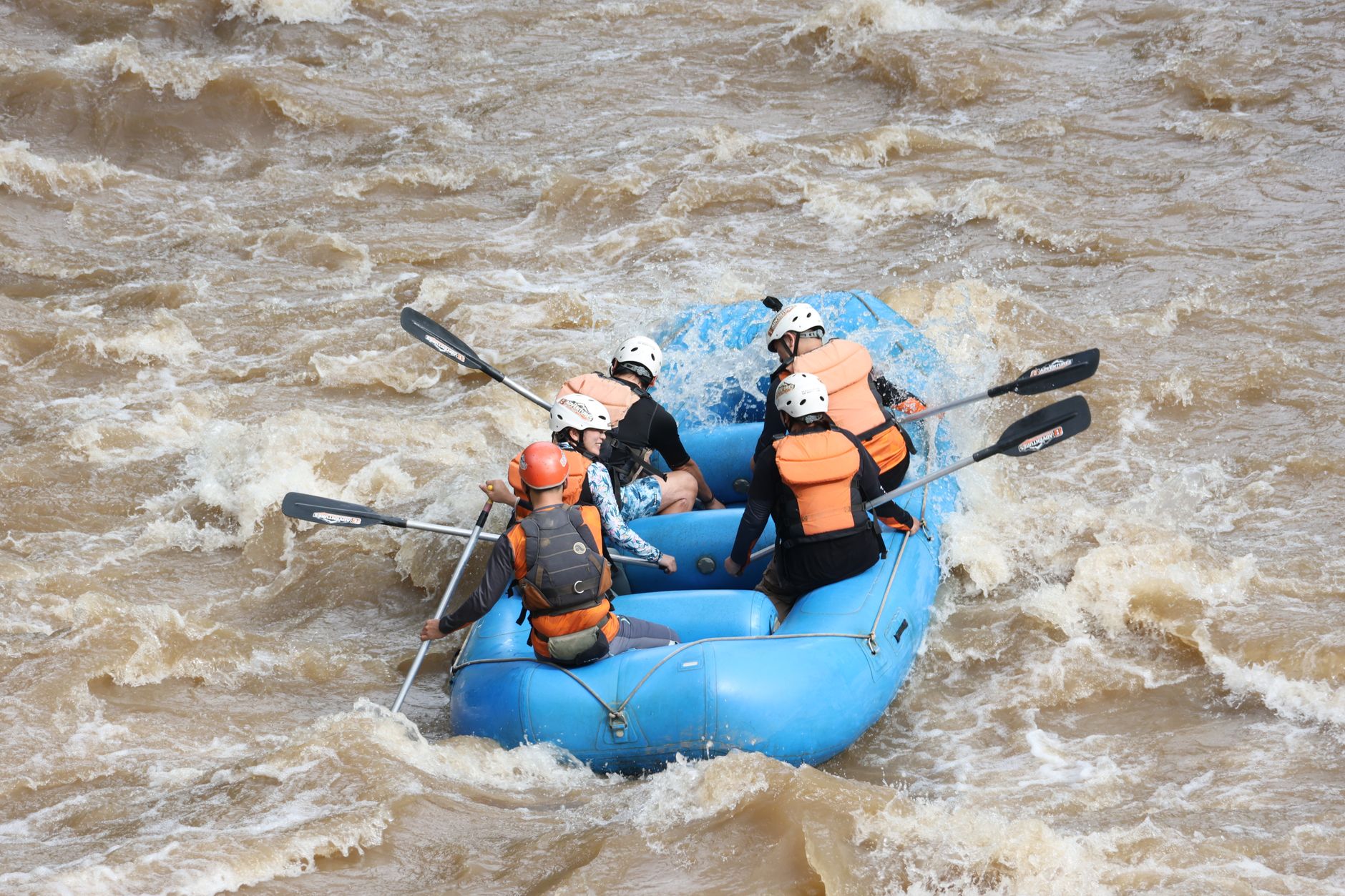
The standard Tara rafting route runs approximately 25 kilometers through the most dramatic section of the canyon, typically completed over one or two days with camping on gravel banks between high canyon walls. The water classification shifts depending on season and snowmelt, but the route is generally accessible to intermediately experienced rafters and is commonly offered as a guided group trip. Local operators based in Bajina Basta have been running this circuit for decades and bring a practical depth of knowledge to conditions that changes considerably between spring and late summer.
The surrounding hiking trails extend well beyond what most visitors cover in a standard rafting-focused trip. The plateau above the canyon offers walking routes through old-growth spruce forest that can take days to fully explore, and the viewpoints overlooking the Drina valley to the west reveal a landscape that has almost no human infrastructure visible from certain angles. Tara rewards visitors who budget more than two days – the park is large enough that a concentrated stay begins to feel rushed against the actual scope of the terrain.
Getting There and Managing the Logistics
The nearest international airport is Belgrade Nikola Tesla, approximately three hours by road from Bajina Basta. There is no direct train service to the park, and while buses connect Belgrade to the broader Zlatibor region, the final leg to Tara typically requires a rental car or a transfer arranged through the accommodation. This friction in access is real, and it is one reason the park has not scaled the same way more transport-connected wilderness destinations have. Travelers willing to manage the logistics independently will find the effort pays off; those accustomed to well-oiled eco-lodge booking systems may need to adjust expectations.
Accommodation ranges from state-managed forest hotels – some of which date to the Yugoslav-era resort infrastructure and retain a particular architectural character – to small guesthouses and family-run pensions in surrounding villages. There are also a handful of newer eco-cabin operations that have opened in the past several years, targeting the outdoor travel market more directly. None of them approach the design sophistication of Soca Valley’s boutique circuit, but several offer clean, comfortable stays with direct access to trail networks. The gap in presentation is obvious; the gap in location quality is not.
Booking in advance is advisable for July and August, when Serbian domestic tourism fills the park’s more accessible sections. The shoulder seasons – May and September – offer cooler temperatures, lower river levels that can still support rafting, and significantly thinner crowds. September in particular brings a visible shift in the forest canopy that makes the canyon’s upper rim more visually dynamic, and the diffused light of early autumn works well for the canyon’s deep-cut geography. The bears are also more active in late summer and early autumn, which registers as either a selling point or a caution depending on the traveler.
The Quiet Argument for Going Now
Discovery tends to move fast once a destination acquires enough editorial momentum. The conditions that make Tara appealing right now – low crowds, low prices, a landscape that feels genuinely unhurried – are not permanent features. A growing number of Balkan travel specialists have started including Tara in multi-country itineraries that combine it with Montenegro’s Durmitor (which shares the Tara River Canyon on its northern edge) and Bosnia’s Una National Park. When that circuit becomes a standard offering in broader European adventure travel packages, the calculus around access, price, and crowd density will shift.
For the river canyon traveler specifically – the person who moved through the Soca and is now looking for what comes next in the catalog of deep European gorges – Tara answers the question directly. The canyon is bigger. The forest is older. The infrastructure is thinner, which is both its friction and its appeal. Whether that trade-off works depends entirely on how much of the experience a traveler wants pre-arranged before they arrive.