Serbia’s Zlatibor Mountain Quietly Rivals Montenegro for Village Wanderers

Where the Crowds Haven’t Arrived Yet
Montenegro gets the headlines. Its Adriatic coastline, medieval towns, and fjord-like Bay of Kotor pull travelers by the millions each summer, and the country has built a tourism identity that markets itself aggressively to Western Europe. Serbia, by contrast, hasn’t bothered with the pitch. Zlatibor, its most celebrated mountain region, sits roughly four hours south of Belgrade and receives a fraction of the international attention its neighbor commands – not because it offers less, but because no one is particularly shouting about it.
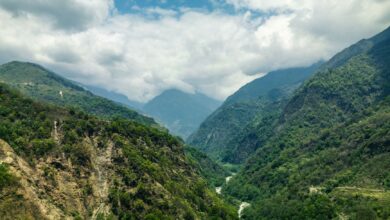
That quiet is, for a certain kind of traveler, exactly the point. Zlatibor’s plateau sits at around 1,000 meters above sea level, edged by forested ridges, crossed by rivers fed from snowmelt, and scattered with villages that look largely as they did a century ago. The infrastructure exists – there are hotels, roads, ski runs, and a functioning tourist economy – but the international crowds haven’t colonized the experience the way they have along the Montenegrin coast.
Village Life That Hasn’t Been Staged for Tourism
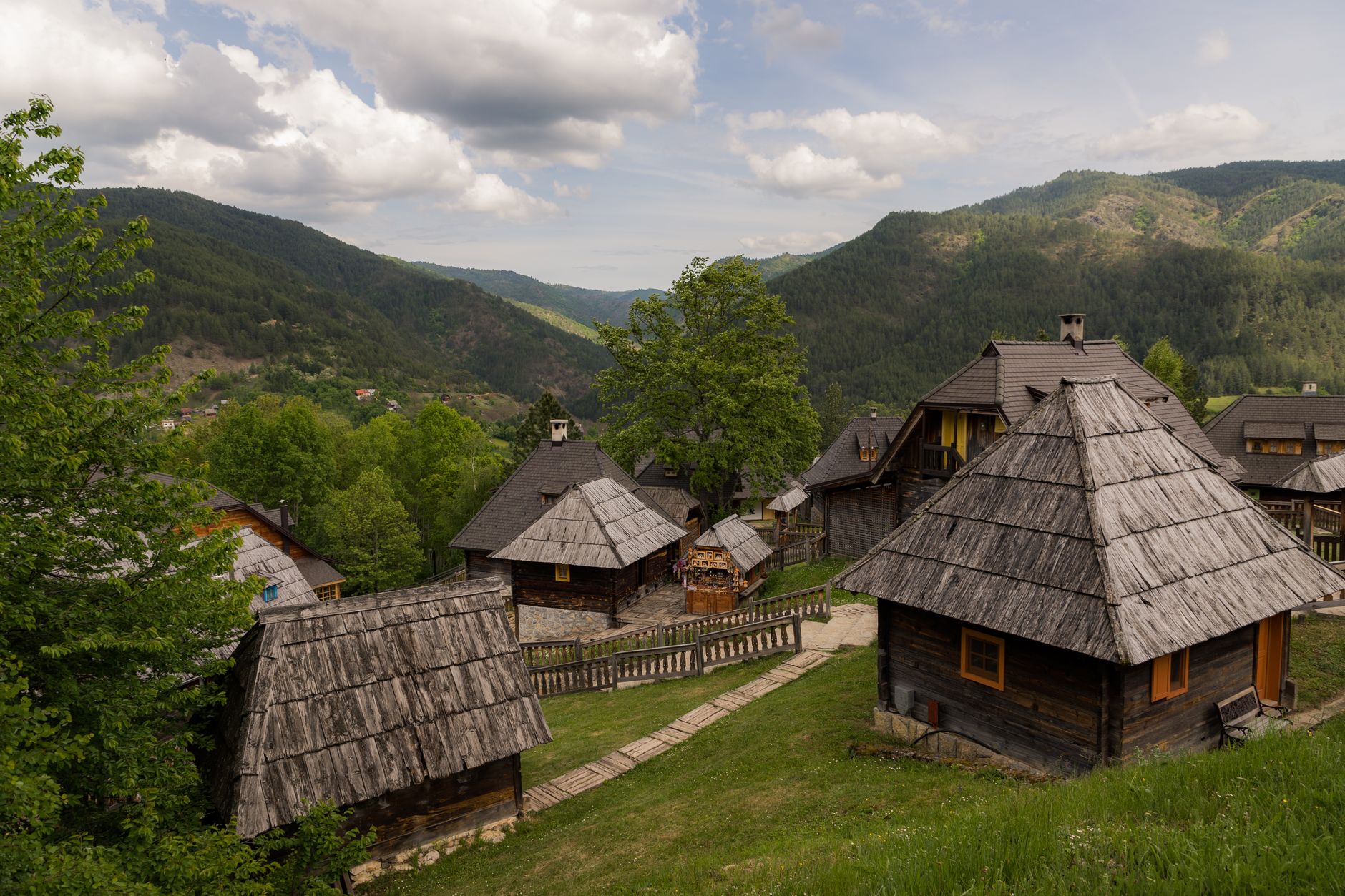
The villages around Zlatibor are the real argument for the region. Sirogojno, one of the best known, houses an open-air ethnographic museum built around authentic 19th-century wooden architecture – not reconstructed replicas but actual relocated structures from the surrounding countryside. Walking through it feels genuinely disorienting, as if the transition from mountain path to living history happened without a gate or a ticket booth making it official.
Gostilje sits a short drive away and draws visitors to a waterfall that drops through a wooded gorge above a cluster of traditional houses. The surrounding pastoral land is still farmed. Horses are still used in some areas. The village isn’t performing its heritage for visitors – it simply hasn’t stopped being itself yet, which is a distinction that matters enormously once you’ve spent time in destinations where authenticity is a product rather than a byproduct.
Food Culture Rooted in the Landscape
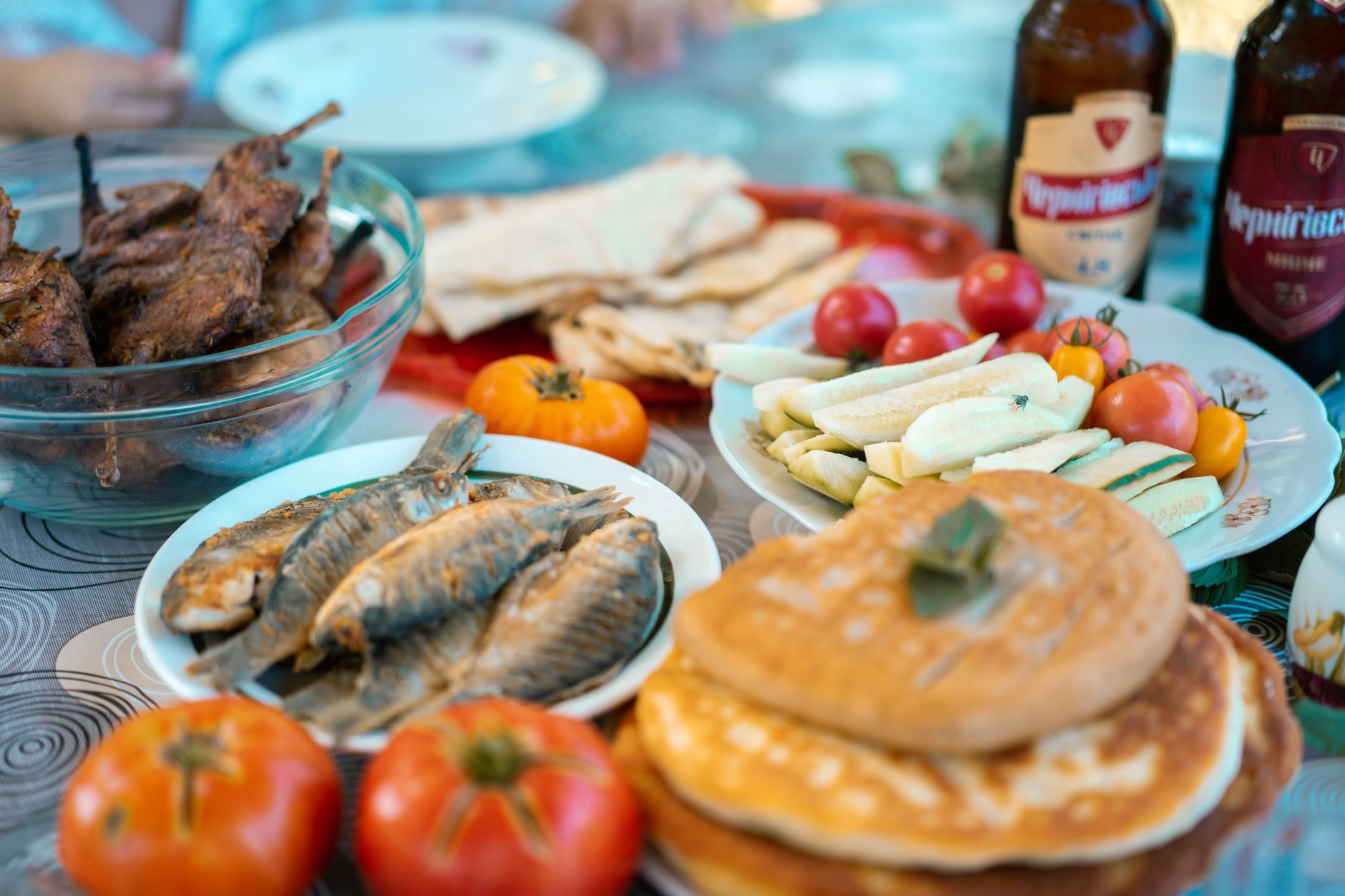
The Serbian mountain diet is built around what the land produces, and Zlatibor’s version of it is specific enough to warrant the trip on its own terms. Kajmak, a creamy dairy spread made from skimmed milk, is produced locally and served with nearly everything. Smoked meats cured in family smokehouses accompany almost every meal. The bread is dense and hand-shaped. None of this is styled for Instagram – it’s eaten quickly at wooden tables before someone else needs to be fed.
Prsuta, the region’s cured pork product, is considered among the finest in the Balkans by those who track these things seriously. It differs from Montenegrin prsut in curing time and smoking method – both traditions claim superiority and neither is wrong, which makes the comparison worth conducting personally. Local rakija, fruit brandy distilled from plums or quinces, functions as aperitif, digestif, and conversation starter simultaneously.
Small family-run konobas – informal restaurants attached to farms or homes – are where the best food actually lives. Menus are short and change with what’s available. Ordering is frequently a negotiation conducted through pointing and goodwill rather than language. These are not obstacles; they are the entire texture of the experience.
The region’s dairy tradition extends to several types of cheese, including the unusual Zlatar cheese, produced near Nova Varos on the edge of the Zlatibor plateau. It has a protected designation of origin status within Serbia, which suggests the level of specificity at play – this is food culture with its own geography, not a generic Balkan spread.
What to Do Beyond the Village Circuit
Zlatibor runs a gondola to Tornik peak, the highest point in the area at just over 1,496 meters, and the views from the top on a clear morning justify the ride whether or not you intend to ski. In winter, Tornik operates as a ski resort; in summer, the trails open to hikers and mountain bikers who rarely encounter the kind of queues that have made similarly scenic Alpine destinations frustrating. The scale is manageable in a way that genuinely large mountain resorts are not.
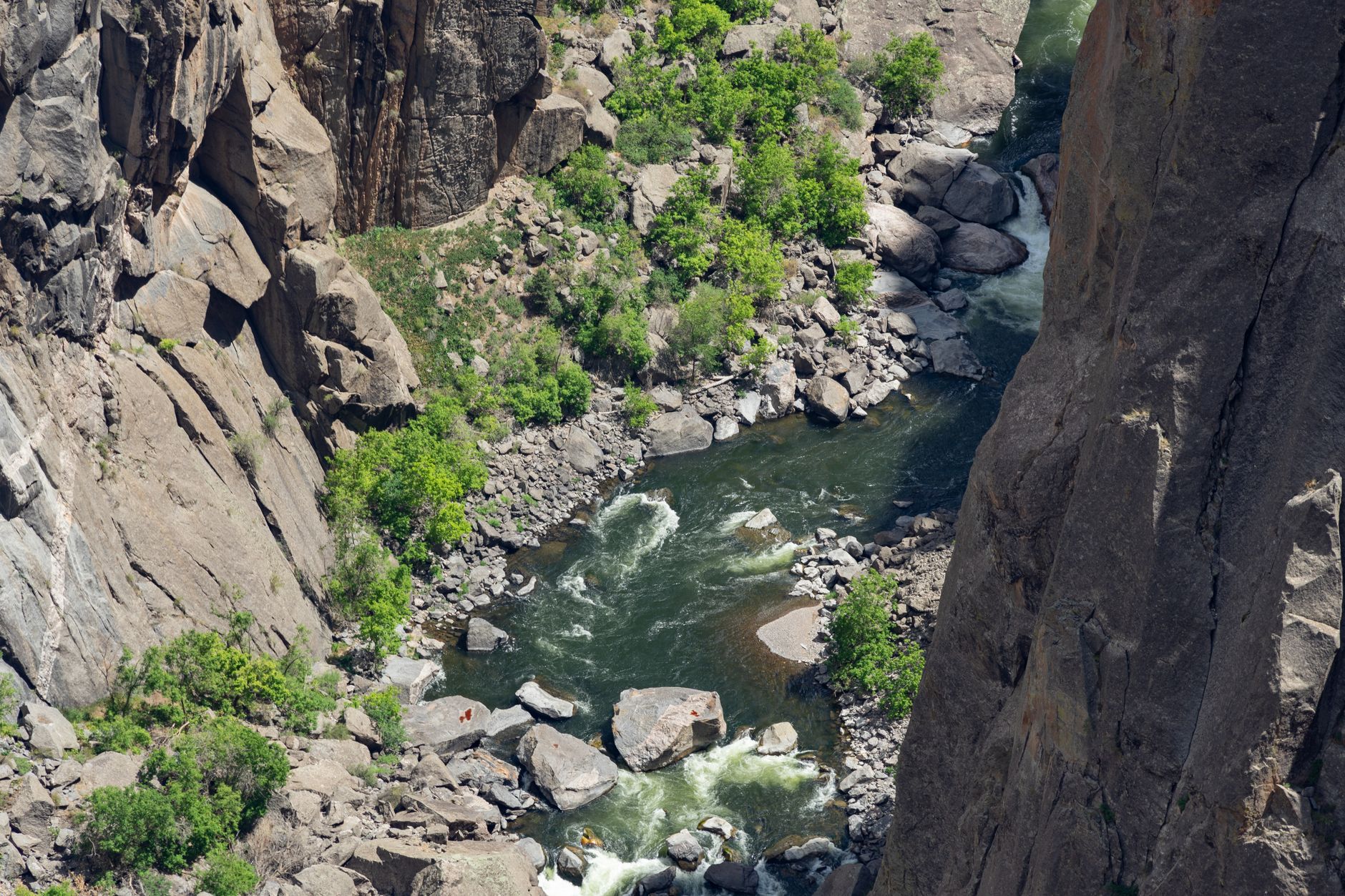
The Uvac Canyon, about an hour’s drive east, is a separate attraction that many Zlatibor visitors miss. The Uvac River cuts through limestone in a series of tight meanders that, viewed from above, produce one of the most photographed landscapes in Serbia. It’s also one of the last strongholds of the griffon vulture in Europe, with nesting colonies accessible by boat tour from the canyon’s reservoir. The combination of geological spectacle and wildlife density is rare enough to be worth noting without hyperbole.
The Comparison With Montenegro, Honestly Made
Montenegro wins on coastal drama and international connectivity. Tivat has an airport with direct connections from across Europe; getting to Zlatibor requires either a flight into Belgrade or Sarajevo followed by a drive, or a direct train from Belgrade that takes longer but passes through extraordinary scenery. Montenegro also wins on Adriatic beaches, fortified old towns, and the sheer visual spectacle of its mountain-meets-sea geography. These are real advantages, not marketing spin.
Zlatibor wins on price, on density of authentic village culture, on the absence of overbuilt resort infrastructure, and on the particular pleasure of being somewhere that hasn’t calibrated itself to external expectations. A week in Zlatibor costs a fraction of an equivalent week in Kotor or Budva. The accommodation options range from family-run guesthouses where three generations share the property to newer boutique hotels that have learned how to be comfortable without becoming generic.
The question worth asking before booking either destination is what you’re actually after. If the answer involves a coastline, Zlatibor loses before the conversation starts. If the answer involves walking between villages, eating food made by the people who grew it, and sitting in a landscape that moves at a speed you can actually absorb – the mountain wins, and not particularly close.