Slovenia’s Soča Valley Quietly Rivals Croatia’s Dalmatia for River Wanderers

The Valley That Stays Off the Radar
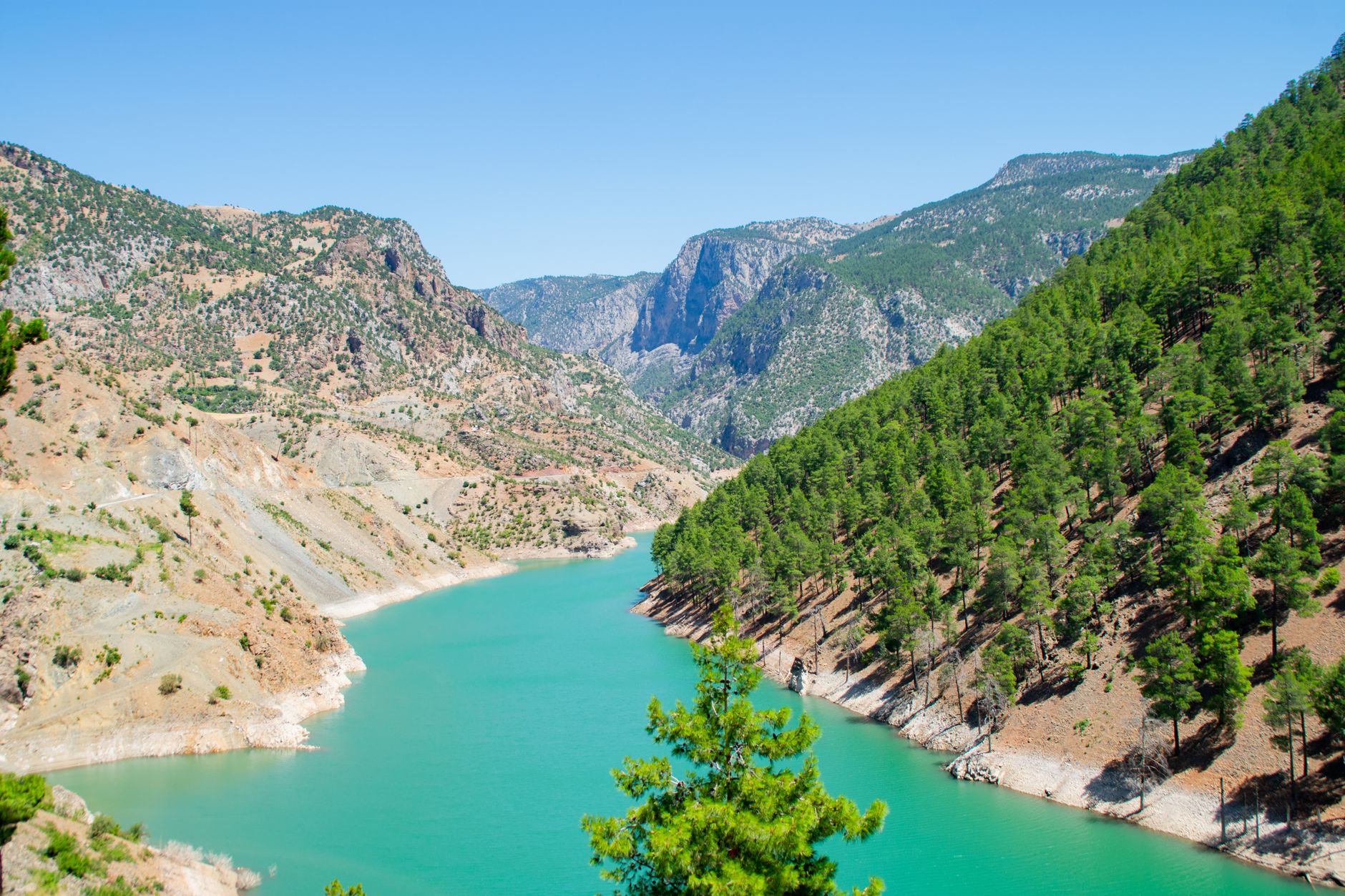
Croatia’s Dalmatian coast has been the default answer for European river and coastal travel for years – sun-drenched, photogenic, and reliably crowded from June through September. But tucked into the northwestern corner of Slovenia, the Soča Valley has been quietly building a case for itself among travelers who want the drama without the tour groups. The river alone is enough to make the argument: the Soča runs a color that doesn’t register as real at first glance, an electric turquoise that shifts to jade in deeper pools and almost glows in low morning light.
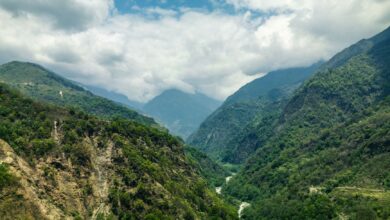
The valley stretches roughly 90 kilometers from the river’s source near Mount Triglav down through the towns of Bovec, Kobarid, and Tolmin before the Soča crosses into Italy and becomes the Isonzo. That geography gives it a range most single-destination trips can’t match – alpine terrain at the top, Mediterranean-influenced wine country at the bottom, and one of the most storied World War I landscapes in Europe running through the middle of it all.
What the River Actually Offers
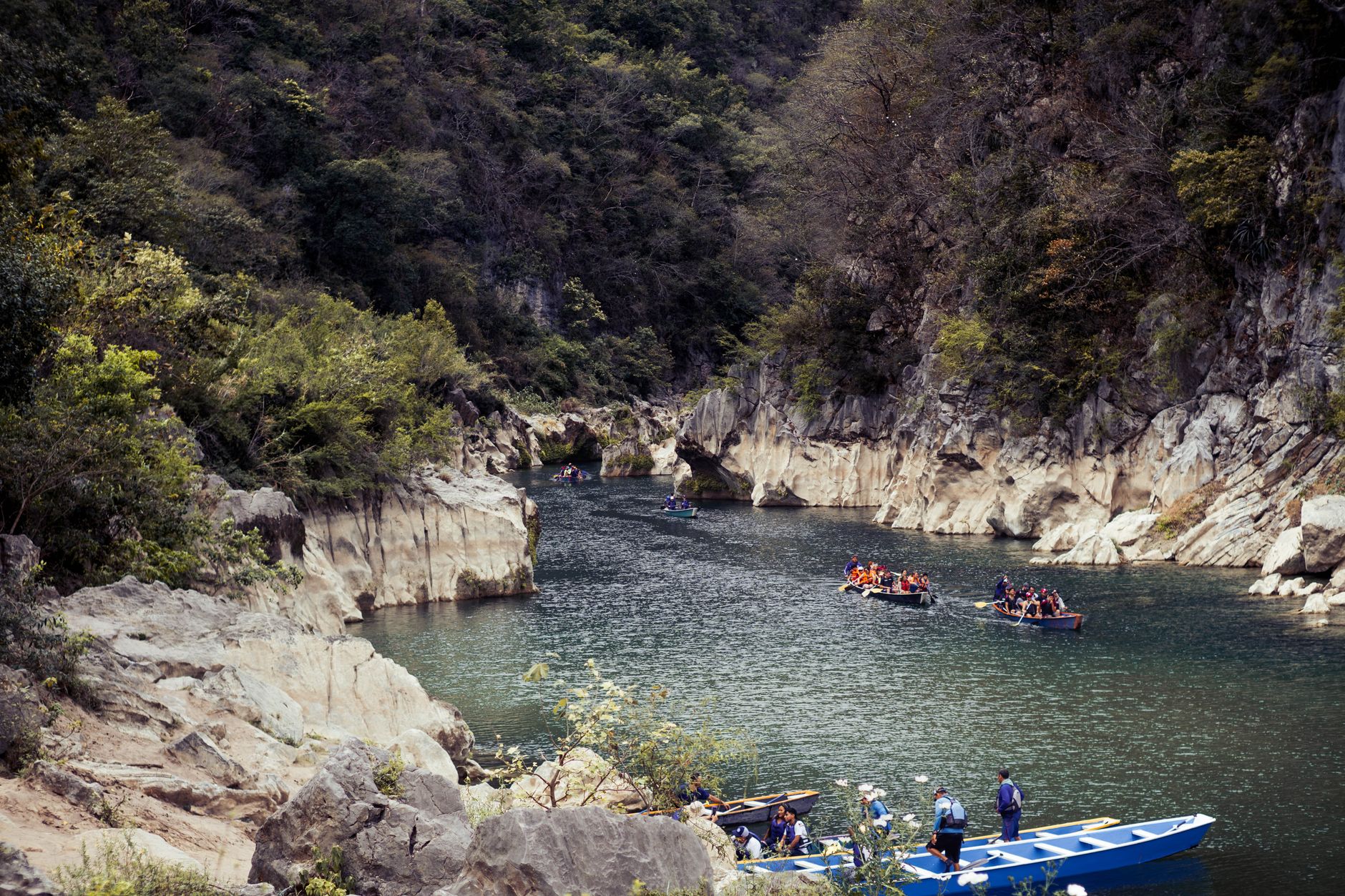
The Soča is cold. That is the first thing any outfitter in Bovec will tell you, and it shapes everything about how people interact with the water. Fed by snowmelt and underground springs from the Julian Alps, the river stays at temperatures that make casual swimming a short-duration activity even in August. What it gives back in exchange is clarity so extreme you can read the riverbed at four meters depth. For kayakers and rafters, that cold translates into fast, technically interesting water, with the rapids around Bovec rated from Class II for beginners up to Class IV for experienced paddlers.
Fly fishing has a devoted following here that predates the adventure tourism boom by several decades. The Soča is the native habitat of the marble trout – a species found almost nowhere else on earth – and the fishing rights along various stretches are managed carefully enough that overfishing hasn’t gutted the population the way it has in more accessible rivers. Permits are required and limited, which frustrates some visitors but is precisely why the river still holds fish worth catching.
Canyoning in the side gorges has grown into its own category. The Fratarica gorge near Most na Soči and the Sušec canyon above Bovec draw people who want moving water in a more contained, vertical context – squeezing through slot sections, dropping into pools, reading the rock as much as the current. These are guided experiences by practical necessity, not regulatory overreach; the gorges flood without warning when rain hits the mountains above, and the terrain is technical enough that local knowledge genuinely matters.
Kobarid and the History That Runs Through It
Kobarid sits at a bend in the valley where the river widens and the mountains pull back slightly, giving the town a more open feel than the tight gorge sections above it. It’s a small place – a few thousand residents, a main square, a handful of restaurants – but it carries an outsized historical weight. The Battles of the Isonzo were fought repeatedly along this stretch of river between 1915 and 1917, and the landscape still holds that history in its bones: trenches on the hilltops, ossuary monuments on the ridges, and a museum in Kobarid that handles the subject with more care and intelligence than most military history institutions manage.
The Kobarid Museum is worth a detour even for travelers with no particular interest in WWI. It doesn’t glorify the campaigns; it documents the human cost with enough specificity to make the numbers feel like individuals. Ernest Hemingway referenced this stretch of the Isonzo front in A Farewell to Arms, having been wounded nearby while working as an ambulance driver – which gives the valley a literary footnote that some visitors find adds a useful frame for the landscape.
The walk from town to the Napoleon Bridge and the Soča gorge below Kobarid takes about two hours on a marked trail that has become one of the valley’s signature short hikes. The gorge section here is narrower and more dramatic than the wider stretches used for rafting, with the river cutting through limestone in a way that makes the water look almost pressurized. The bridge itself dates to the early 19th century and is unremarkable architecturally, but the position above the gorge is the kind of thing that appears on people’s camera rolls without much planning.
Kobarid also functions as the valley’s best food stop. The restaurant scene is small but serious – this is wine country at the valley’s southern edge, with the Brda wine region beginning just to the west in Italian territory. Local kitchens work with foraged ingredients, freshwater fish, and regional beef in ways that feel connected to the landscape rather than imported from a broader trend. Dining here doesn’t require reservations weeks in advance the way comparable spots in Dubrovnik or Split now typically do.
Against the Dalmatia Comparison
The comparison to Croatia’s Dalmatian coast isn’t exact and shouldn’t be forced. Dalmatia offers something the Soča Valley doesn’t: the Adriatic itself, with its islands, its evening light on limestone, its established sailing infrastructure. For travelers whose version of river wandering includes salt water and an archipelago, Dalmatia remains the stronger answer. The Soča proposition is fundamentally different – it’s freshwater, alpine, cooler, and more physically demanding in its primary activities.
Where the Soča pulls ahead is in what it doesn’t have. The valley lacks the cruise ship traffic that now defines peak season in Dubrovnik. It lacks the price inflation that has made Split’s waterfront restaurants feel like a significant financial decision. Accommodation in Bovec and Kobarid runs toward small guesthouses, family-run hotels, and riverside camping that prices out at a fraction of comparable options on the Dalmatian coast. That gap has been widening as Croatia’s tourist infrastructure prices itself toward a different market.
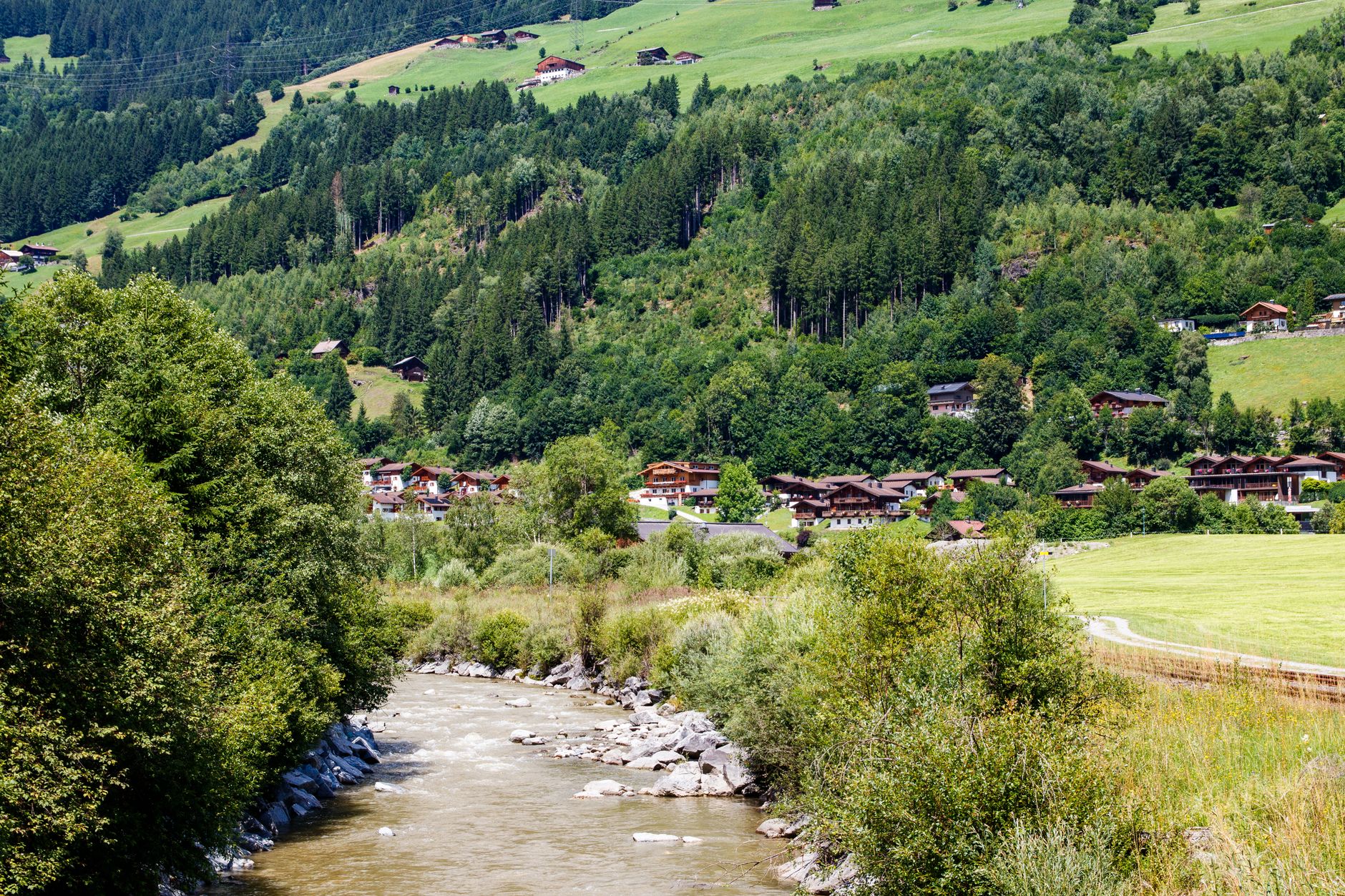
The practical access question is reasonable. The Soča Valley requires either a rental car from Ljubljana – roughly two hours west – or bus connections that work adequately in summer but thin out considerably in shoulder season. There’s no train service into the valley, which puts it at a structural disadvantage against destinations with better transit links. That same isolation is also, of course, the reason it hasn’t developed the way more accessible destinations have.
Slovenia’s tourism numbers for the valley have grown steadily over the past several years, and Bovec in particular has become well-known enough in the European adventure travel circuit that summer weekends feel noticeably busier than they did a decade ago. The question the valley now faces is whether its infrastructure develops fast enough to handle growing demand without changing the character that makes it worth the drive in the first place.
Frequently Asked Questions
When is the best time to visit Slovenia’s Soča Valley?
Late spring through early autumn (May to September) offers the best conditions for rafting, hiking, and outdoor activities, though summer weekends in Bovec can get busy.
Do I need a car to explore the Soča Valley?
A rental car from Ljubljana is strongly recommended. Bus connections exist in summer but are limited, and the valley’s best spots are spread across a 90-kilometer stretch without train access.