
Where the Water Runs Emerald
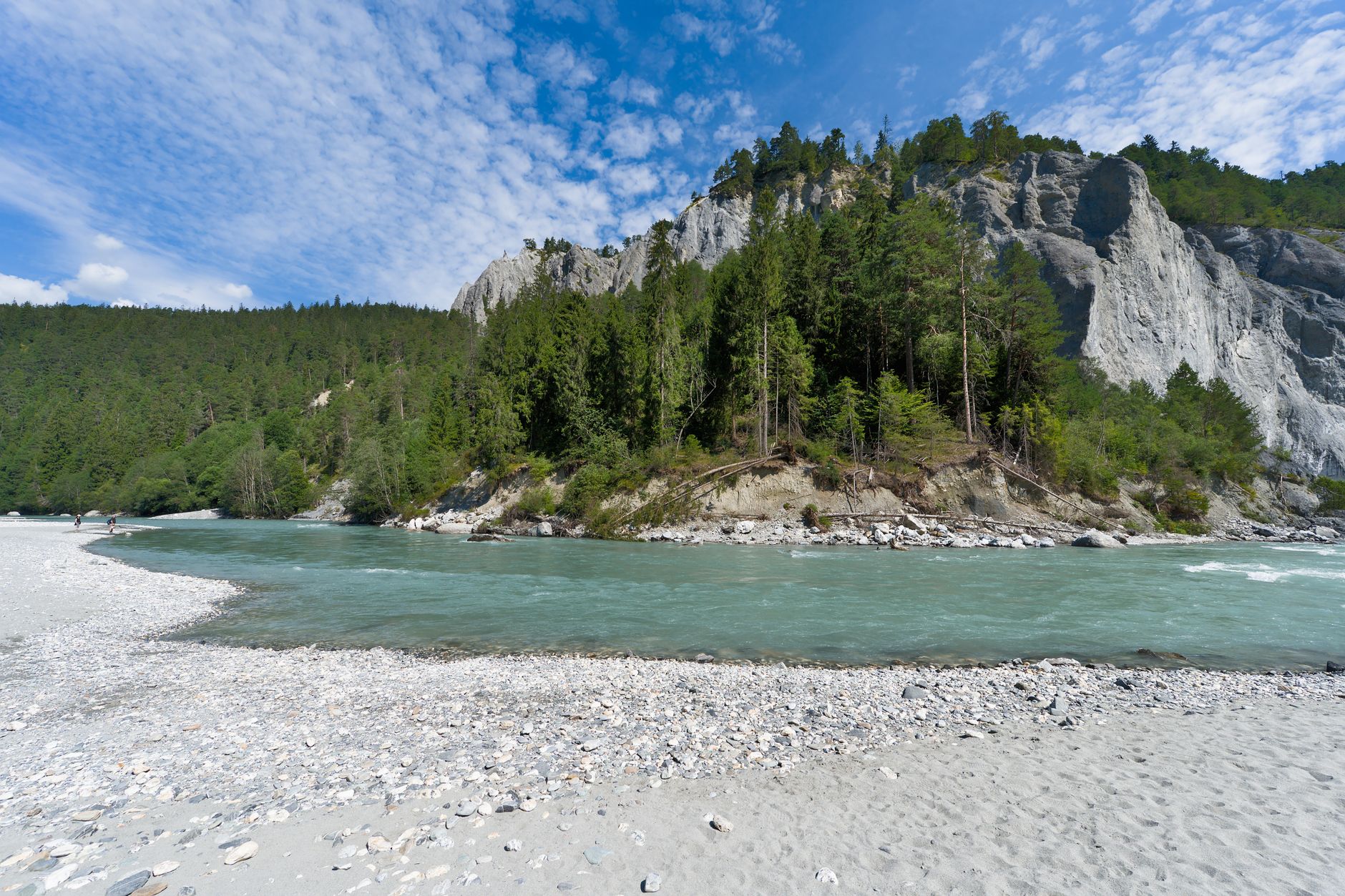
The Soča River does not look real. Running through the Julian Alps of northwestern Slovenia, it moves in a shade of turquoise so vivid that first-time visitors often assume the color is a camera filter or a seasonal quirk. It is neither. The hue comes from glacial minerals suspended in the water, and it holds all summer long, from the source near Mount Triglav down through the valley towns of Bovec, Kobarid, and Tolmin. The river is cold, clean, and relentlessly beautiful – and it has quietly built a reputation among European wild swimmers as the continent’s best-kept alpine secret.
For decades, the Dolomites in northeastern Italy have dominated the conversation around alpine scenery and outdoor adventure. The jagged pink limestone peaks, the manicured rifugios, the well-marked via ferratas – they attract visitors by the millions each summer. Slovenia’s Soča Valley offers something structurally different: fewer crowds, lower prices, and water you can actually swim in. The Dolomites are a landscape you look at. The Soča is a landscape you enter.
The Mechanics of a Perfect Wild Swim
Wild swimming as a practice requires a specific combination of factors that are difficult to engineer: water clarity, accessible entry points, surrounding scenery, and a temperature range that registers as bracing rather than dangerous. The Soča delivers all four across a stretch of roughly 96 kilometers. The river drops significantly in elevation along its course, which creates distinct swim environments at different points – from calmer, deeper pools near Kobarid to faster, shallower channels closer to Bovec.
The pools around Kobarid are particularly well suited to swimmers who want extended time in the water rather than a quick dip. Several natural formations create still, basin-like areas where the current slows enough to float comfortably. The water temperature in summer typically sits between 10 and 15 degrees Celsius – cold enough to feel refreshing on a hot August afternoon, warm enough that most swimmers can stay in for twenty minutes or more without discomfort. Beneath the surface, the riverbed is visible through several meters of water, which makes the experience feel more like swimming inside a gemstone than in a mountain river.
Access is, frankly, part of what makes the valley work. Many of the best swim spots require nothing more than a short walk from a roadside pull-off or a marked trail. There are no entrance fees, no reservation systems, no timed entry windows. You park, you walk, you swim. The valley’s infrastructure supports outdoor visitors without funneling them through commercial checkpoints, which is increasingly rare in popular European destinations.
What the Valley Costs – and What It Doesn’t
Budget is where the Soča Valley argument becomes hard to ignore. Accommodation in Bovec, the valley’s main hub, runs significantly cheaper than comparable mountain towns in northern Italy or Austria. Camping along the river is available at several sites with direct water access. Restaurants in Kobarid serve Slovenian and Italian-influenced food at prices that feel, by Western European standards, almost corrective – a full meal with local wine lands around what a coffee and pastry might cost in a Cortina d’Ampezzo cafe.
The cost differential is not a sign of underdevelopment. Slovenia has strong infrastructure, high safety standards, and a domestic tourism culture that keeps local businesses running year-round. The relative affordability is simply a function of being outside the euro’s more inflated regional markets. For travelers who have watched alpine destination costs climb sharply over the past several years, the Soča Valley feels like arriving somewhere that hasn’t yet been told it’s allowed to charge more.
Beyond the River
The valley’s appeal extends well past swimming. Kobarid holds the Kobarid Museum, which covers the Isonzo Front battles of World War One – some of the most brutal mountain warfare in history – with a depth and care that earned it the Council of Europe Museum Prize. The surrounding hills still contain the remnants of trenches and fortifications, accessible on self-guided walking routes. It is an unusual combination: world-class swimming in the morning, genuinely moving history in the afternoon.
For kayakers and rafters, the Soča is a serious destination in its own right. Several sections carry grade III and IV rapids, and a network of local outfitters in Bovec offers guided runs. The combination of technical whitewater and the river’s extraordinary visual clarity makes it unlike most European rafting rivers, which tend to run brown or grey. Watching rapids form over a visible turquoise riverbed is a specific and disorienting pleasure.
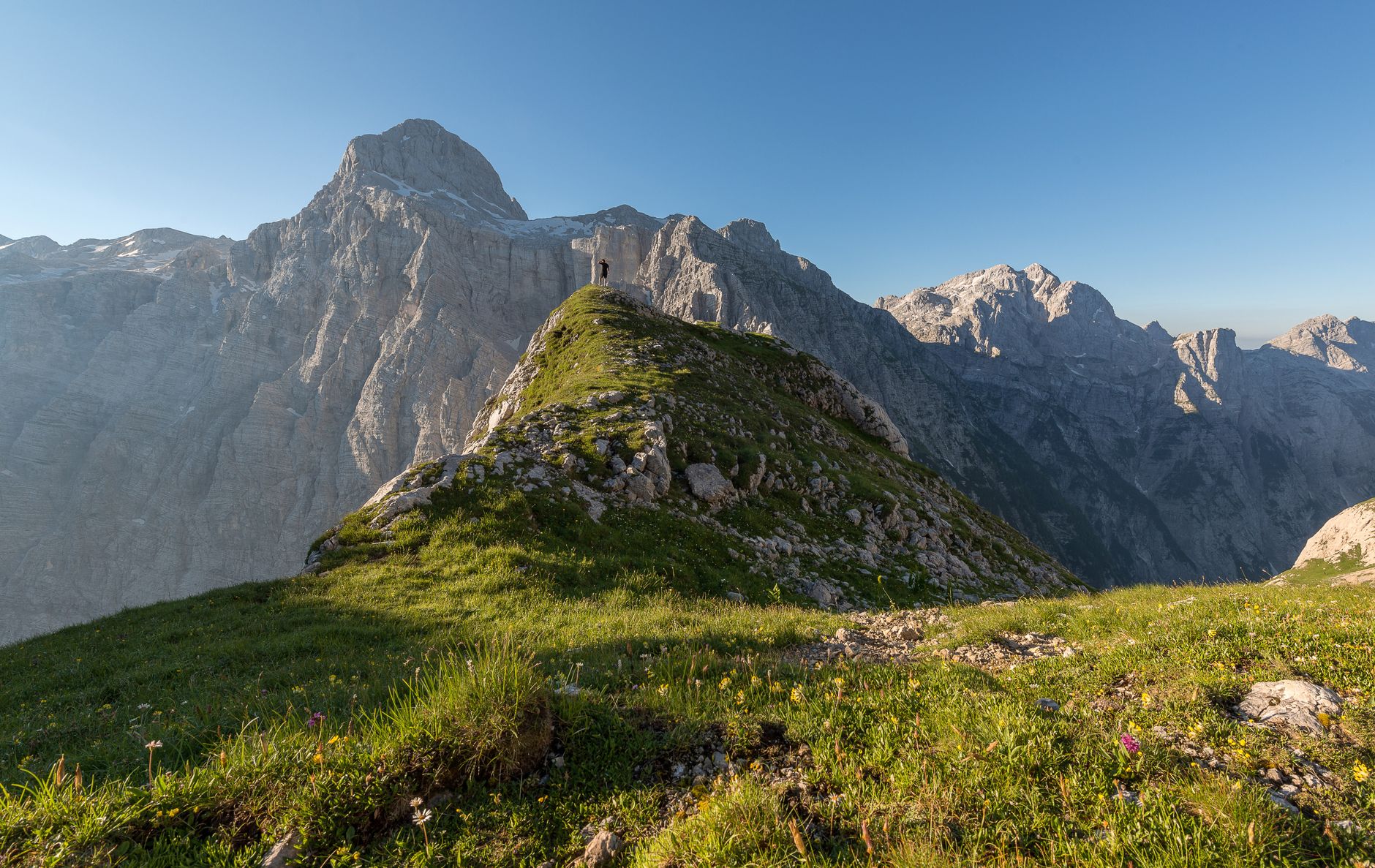
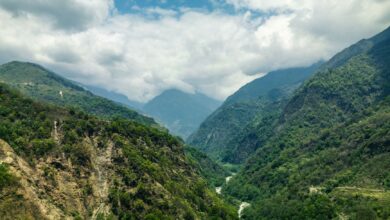
Hiking options in the valley connect to Triglav National Park, Slovenia’s only national park, which covers a substantial portion of the Julian Alps. The trails range from accessible valley walks to the demanding summit route up Mount Triglav itself – a climb that carries cultural weight in Slovenia, where ascending the mountain at least once is considered something close to a national rite of passage. The park’s scenery shares visual DNA with the Dolomites but without the crowding that has forced some Italian alpine zones to implement visitor caps.
The window for comfortable wild swimming in the Soča runs from late June through early September, with July and August offering the longest daylight hours. September brings fewer visitors, cooler air, and water that remains swimmable for the hardier crowd. The valley is reachable by car from Ljubljana in about two hours, and from Venice or Trieste in roughly the same time, which makes it genuinely accessible as either a standalone trip or an add-on to a broader itinerary. The question worth sitting with is not whether the Soča Valley can compete with the Dolomites – it’s why the comparison took this long to become obvious.