
Where Green Mountains Meet Gilded Silence
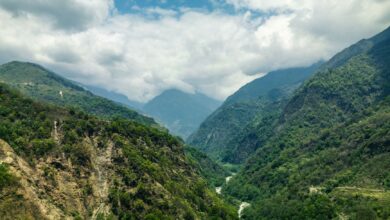
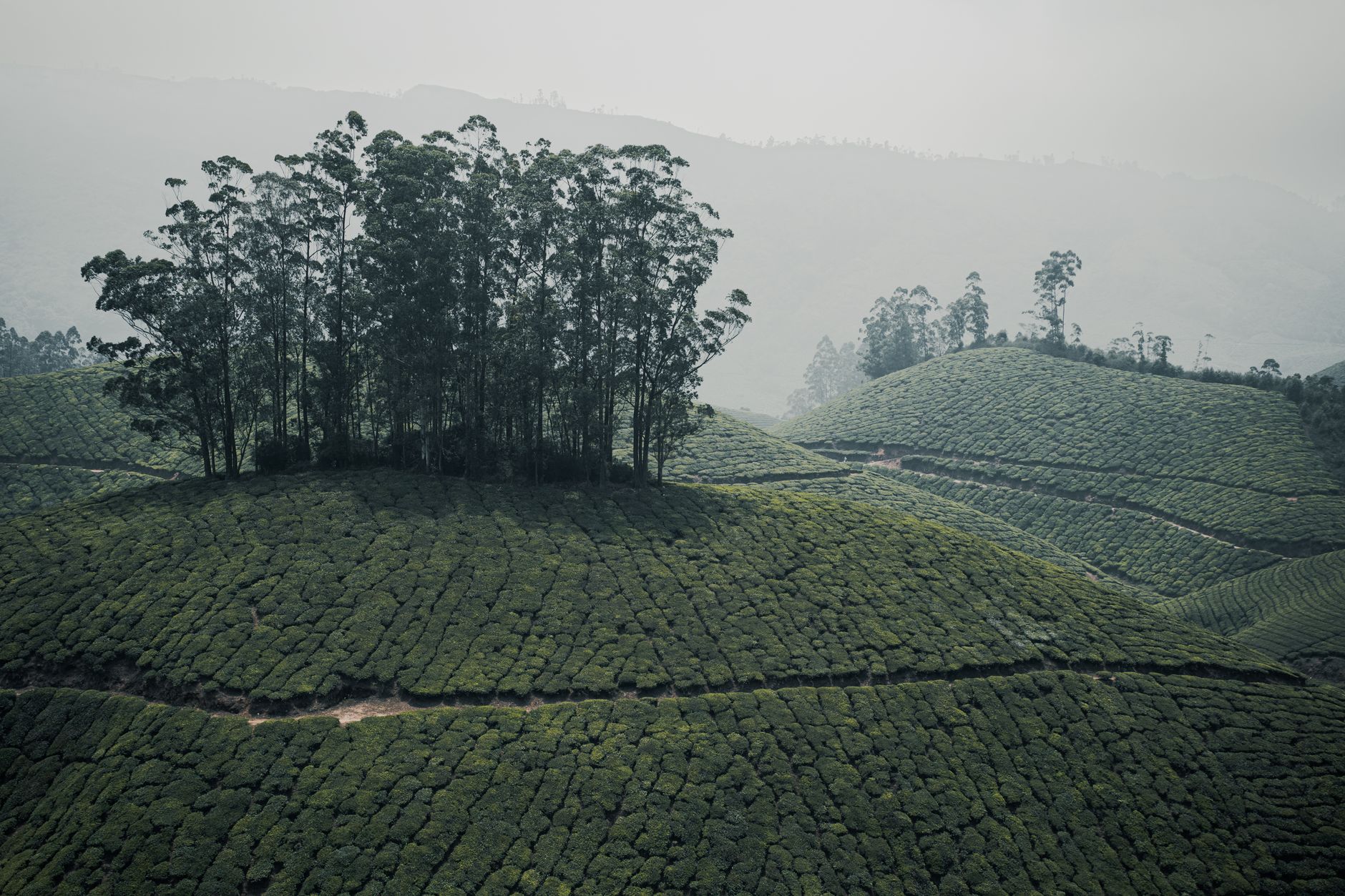
Bali has spent decades collecting devotees – the wellness seekers, the digital nomads, the honeymooners who fill its rice terrace cafes and book its sunrise yoga retreats months in advance. Sri Lanka’s Hill Country operates on a different frequency. The central highlands, anchored by Ella, Nuwara Eliya, and Haputale, offer something Bali no longer can: the sensation of having discovered somewhere before the crowd arrived. The mist comes down fast here, the roads are narrow, and the tea estates stretch so far in every direction that the horizon disappears into green.
The comparison to Bali is not about competition so much as category. Both destinations sell beauty, slower pace, and a certain photogenic ease. But Sri Lanka’s hill country does it with fewer boutique hotels, less Instagram saturation, and a fraction of the flight connections – which, depending on your patience level, is either a drawback or the entire point. For a growing number of slow travelers who have found Ubud too polished, the Hill Country is becoming a serious alternative.
The Tea Trails That Actually Deliver
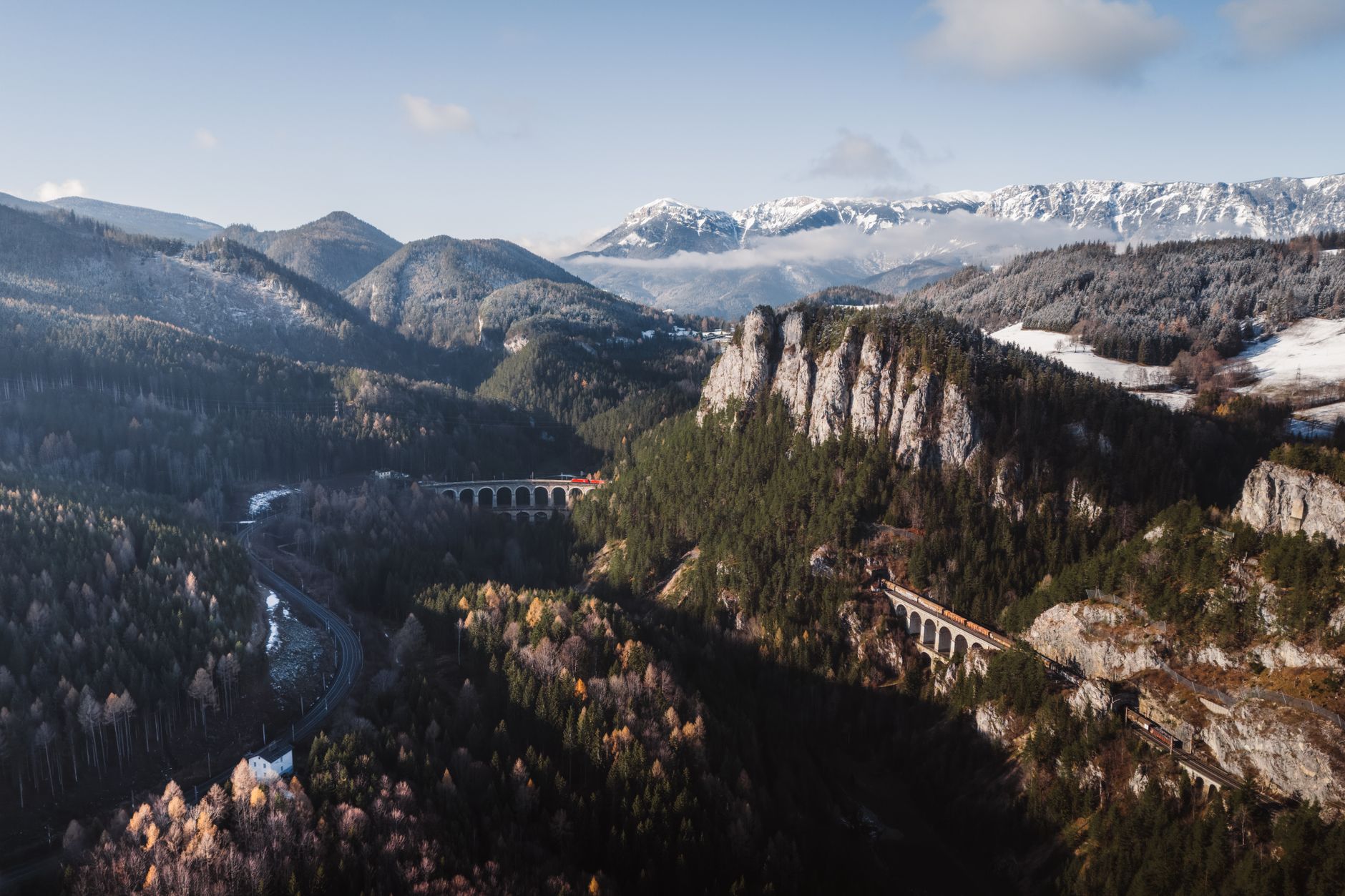
The famous Nine Arches Bridge near Ella is the entry point for most visitors – a colonial-era stone viaduct that appears out of the forest just as a blue train rounds the bend. It delivers, reliably. But the surrounding area asks more of you if you want the real version of the Hill Country experience. The walks that branch off from Ella Rock, the quiet paths through Lipton’s Seat above Haputale, or the early morning pluck-and-process tours at working estates near Diyatalawa – these are where the destination separates from the postcard version of itself.
Sri Lanka’s tea industry is not performative. The estates here have been producing since the 1860s, and the workers who tend them have shaped the culture of the hills as much as any temple or colonial bungalow. Walking through an active estate at pluck time, watching the practiced speed of workers filling their bags, is a genuinely different experience from any curated tea ceremony you’d find in a resort setting. The physicality of the labor is visible and unhidden, and that honesty gives the landscape a weight that scenic viewpoints alone cannot provide.
Getting There and Getting Around
The train from Kandy to Ella – specifically the stretch from Kandy to Nanu Oya – is routinely listed among the most scenic rail journeys in Asia, and the listing is accurate. The six-to-seven hour route climbs through cloud forest, passes waterfalls, and cuts along ridgelines where the drop on one side is vertiginous. Observation car seats book out weeks in advance, but second-class unreserved carriages, with their open windows and shoulder-to-shoulder mix of local commuters and backpackers, often produce better memories.
Once in the Hill Country, tuk-tuks handle most short-distance movement, but the region rewards walkers who plan routes in advance. Many guesthouses in Ella and Haputale provide trail maps and can arrange guides for the longer routes up to Namunukula peak or through the Horton Plains plateau to World’s End – a cliff that drops nearly 900 meters into the lowland forest below.
Horton Plains deserves its own planning slot. The national park opens at 6 a.m., and arriving at that hour, before cloud cover rolls in, means seeing the full escarpment drop rather than fog. The park itself is high-altitude grassland, colder than most visitors expect, and populated with sambar deer that move through the morning mist with an indifference to tourists that feels earned.
Road travel between towns is slow by design – the mountain roads were built for tea lorries, not tourist vans. A 40-kilometer drive between Nuwara Eliya and Haputale can take well over an hour, which effectively turns every transfer into an extended scenic detour. Pack patience, or book a private driver who knows the route well enough to stop when something worth seeing appears around a bend.
Where to Stay Without Overpaying
The Hill Country has not yet reached Bali-level accommodation inflation. Colonial-era planter bungalows, converted and run by small operators, are available at price points that would be laughable in Seminyak. Several estates near Haputale offer guest rooms inside working tea factories – not luxury properties, but atmospheric in a way that a designed resort cannot replicate. The smell of drying tea leaves in the morning is a detail you will not find in any five-star property on the island.
Nuwara Eliya, the Hill Country’s largest town, sits at nearly 1,900 meters and operates at a temperature that surprises most visitors who arrive from the coast. The British colonial architecture – post offices, racecourses, Tudor-style hotels – creates a cognitive dissonance that is either charming or deeply strange, depending on your relationship with imperial history. The town’s strawberry farms and rose gardens are a local draw, but most international visitors use Nuwara Eliya as a base rather than a destination in itself.
What Bali Has That the Hill Country Does Not
The honest answer is infrastructure. Bali’s flight connections, English fluency at every price point, the density of good restaurants and spas, the ease of getting a sim card, a massage, a taxi, and a bowl of decent pasta within a few hundred meters of wherever you land – none of that exists here in the same way. Sri Lanka’s Hill Country requires a tolerance for improvisation. Plans shift when roads wash out in the wet season. Restaurants close without notice. Power cuts are real.
The food gap is real too. Bali has spent years absorbing international culinary influence, and eating well there requires minimal effort. The Hill Country’s local food – rice and curry, string hoppers, kottu roti – is excellent and deeply satisfying, but the variety is limited if you are spending more than a week. Some towns have one or two restaurants worth seeking out; others offer only the guesthouse kitchen. Travelers who treat eating as a primary travel activity may find the Hill Country frustrating in ways that a more curated destination would not be.
None of that is a reason to avoid it. For the traveler who is tired of destinations that have been optimized for tourism, the friction is the feature. A destination that still requires a little effort to navigate well – where the best viewpoint is not signposted and the best lunch is through a door with no menu outside – has something left to offer that convenience has not yet erased. The Hill Country is still in that window, and the question is simply how long that window stays open before the boutique hotels and booking platforms catch up.