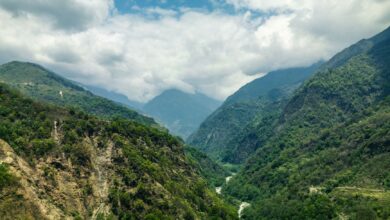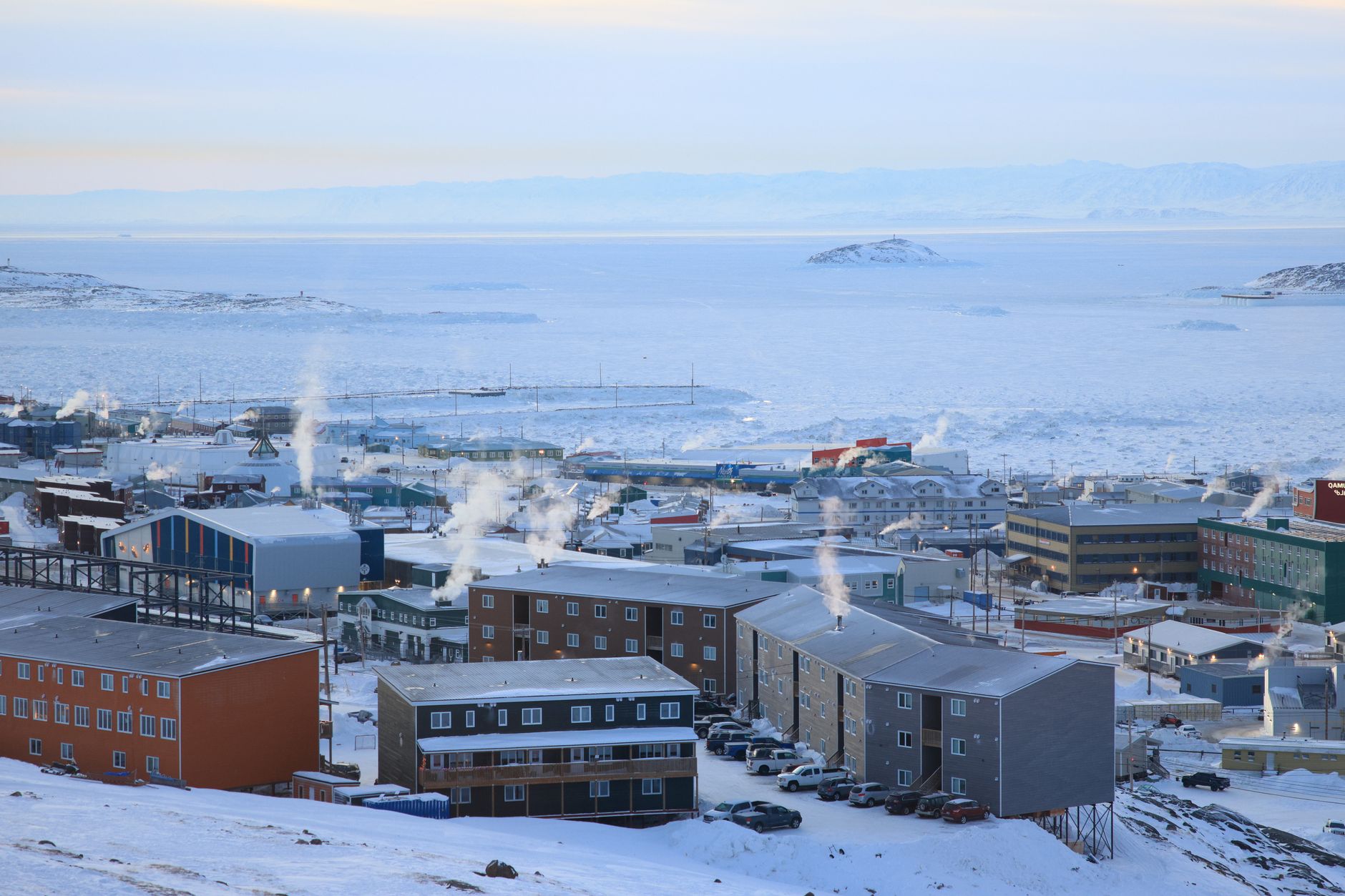

Longyearbyen, the small Norwegian settlement perched at 78 degrees north on the Svalbard archipelago, has long been treated as a checkbox destination – fly in, photograph the aurora, fly out. That reputation is starting to crack.
A Town With More Going On Than the Sky Above It
Svalbard sits roughly halfway between mainland Norway and the North Pole, and Longyearbyen is its only true town, home to around 2,500 permanent residents. For decades, its appeal to visitors was straightforward: come between October and March, stand outside in the cold, watch the northern lights, leave. The tourism infrastructure built around that single draw – guided aurora chases, snowmobile rentals, dog sled operators – kept the town economically afloat, but it also flattened the place into a single-note experience for most visitors who passed through.
What’s changed is a gradual accumulation of cultural and culinary investment that’s given Longyearbyen a texture it didn’t have ten years ago. Restaurants have moved beyond the standard Arctic lodge menu of reindeer stew and brown bread. Local chefs are working with ingredients sourced from the surrounding waters – Svalbard king crab, spotted wolffish, Arctic char – and building tasting menus that could hold their own in Oslo or Copenhagen. For a settlement this remote, the dining scene is startlingly serious.
The town’s museum, the Svalbard Museum, covers the archipelago’s layered history: Dutch whalers in the 1600s, Soviet and Norwegian coal mining operations running in uneasy parallel through the Cold War, the scientific research stations that now anchor much of the archipelago’s activity. It’s not a large institution, but it’s well-curated, and it answers a question most aurora tourists never think to ask – what is this place, and how did anyone end up living here permanently?
Longyearbyen also operates under some of the most unusual legal and environmental conditions of any inhabited place on Earth. Under the 1920 Svalbard Treaty, citizens of over 40 signatory nations can live and work on the archipelago without a visa. Polar bears outnumber humans across the archipelago – roughly 3,000 bears to 2,500 residents in Longyearbyen – and traveling outside town requires carrying a rifle for protection. These aren’t marketing flourishes. They’re the actual texture of daily life here, and they give the place a strangeness that no amount of aurora photography can fully capture.
What Summer Reveals About the Place
The northern lights, by definition, require darkness – which means Svalbard’s aurora season runs through the polar night, roughly November to February. What that framing obscures is that the Arctic summer is, in its own way, more extreme. From late April through late August, the sun doesn’t set. Midnight looks like midday. The landscape, stripped of its winter snow cover, turns into a palette of rust-red mountains, glacial blue ice, and tundra dotted with Arctic poppies and Svalbard reindeer. It’s disorienting, a little unsettling, and completely different from the experience most visitors have had.
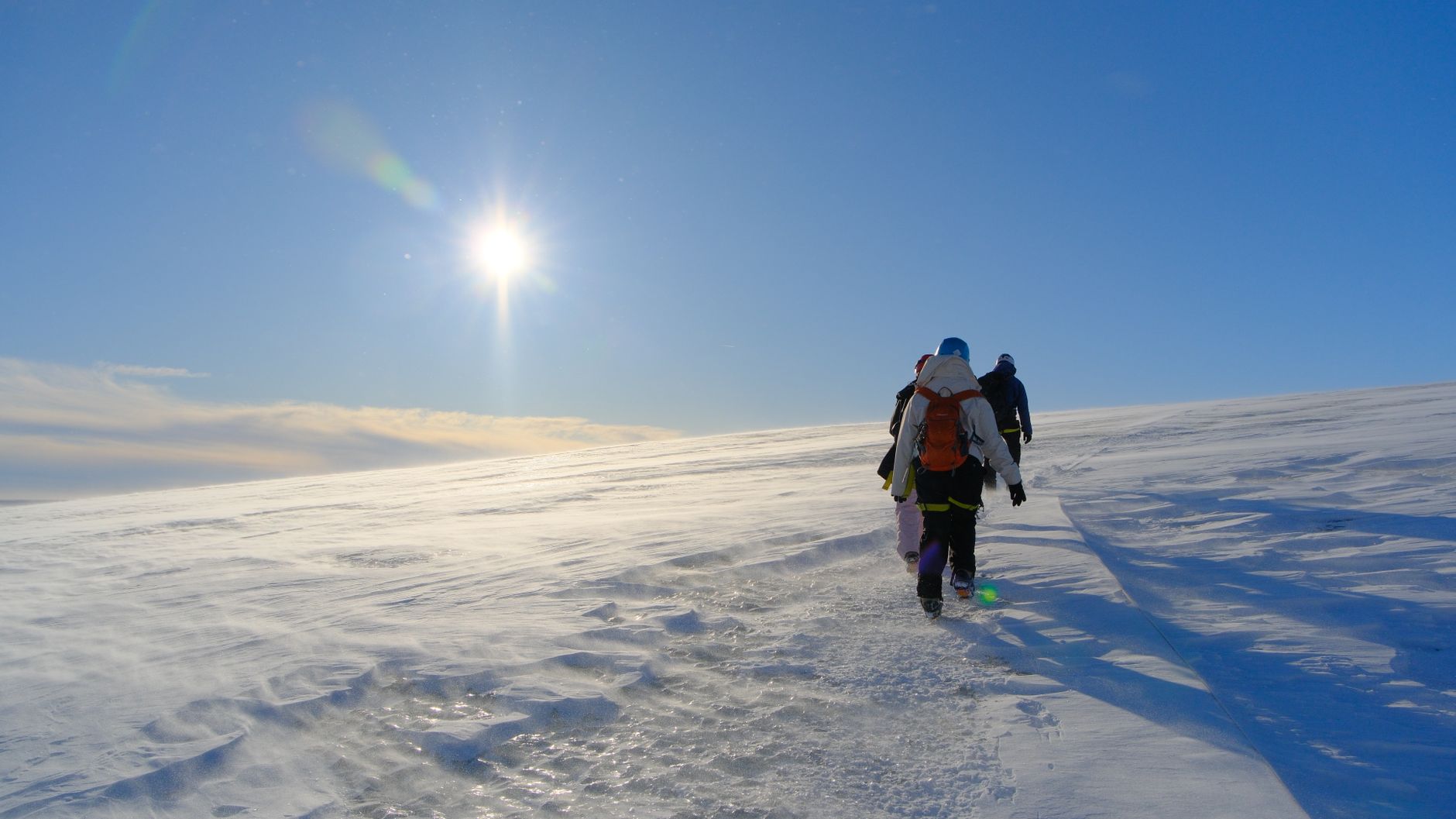
Summer in Longyearbyen has started drawing a different type of traveler – hikers, kayakers, wildlife photographers, and glacier trekkers who aren’t interested in the aurora at all. Boat tours run into fjords where walruses haul out on rocky shores and beluga whales surface close enough to photograph without a telephoto lens. Glacier hikes on ice formations like Longyearbreen let visitors walk terrain that’s actively retreating, which adds a layer of urgency and geological drama that mountain hikes elsewhere rarely carry.
The birdlife in summer is staggering and underreported. Alkefjellet, a towering basalt cliff face accessible by boat, hosts one of the largest thick-billed murre colonies in the world – hundreds of thousands of birds packed onto narrow ledges, the noise audible before the cliff comes into view. It’s the kind of wildlife spectacle that rival experiences found on expedition routes like Antarctica or the Galapagos, at a fraction of the logistical complexity. You fly into Longyearbyen Airport, which has regular service from Oslo and Tromso, book a boat, and you’re there.
The hiking accessible directly from town has also improved as trail documentation and guiding services have expanded. Routes through Bjorndalen valley and up to viewpoints overlooking Van Keulenfjorden require no special expedition gear, just solid footwear and a guide or rifle when venturing beyond the town boundary. The reward is a kind of emptiness that’s increasingly hard to find – no crowds, no phone signal, a landscape that looks much the same as it did before anyone built a town at its edge.
One aspect of Svalbard that genuinely separates it from other remote destinations is the complete absence of indigenous people. Unlike places such as Mongolia’s Orkhon Valley, where nomadic culture is woven into the travel experience, Svalbard has no native population. Everyone arrived by choice, most for work. That absence shapes the atmosphere – there’s no local community to gently tiptoe around, but also no deep cultural layer to tap into. The place’s identity is almost entirely geological and ecological, which suits certain travelers very well and leaves others wanting more.
The Practical Reality of Going There
Getting to Longyearbyen is easier than its latitude suggests. Norwegian and SAS operate flights from Oslo to Longyearbyen Airport, with some connections through Tromso. The flight takes roughly three hours. Accommodation ranges from budget guesthouses to design-forward hotels that have appeared in the last decade, several of which have built their identity around the landscape view rather than interior luxury – which makes sense when the window frames glaciers and mountains at every angle. Prices are high by most standards, driven partly by the cost of importing nearly everything the town consumes, but the overall trip cost is manageable compared to true expedition travel.
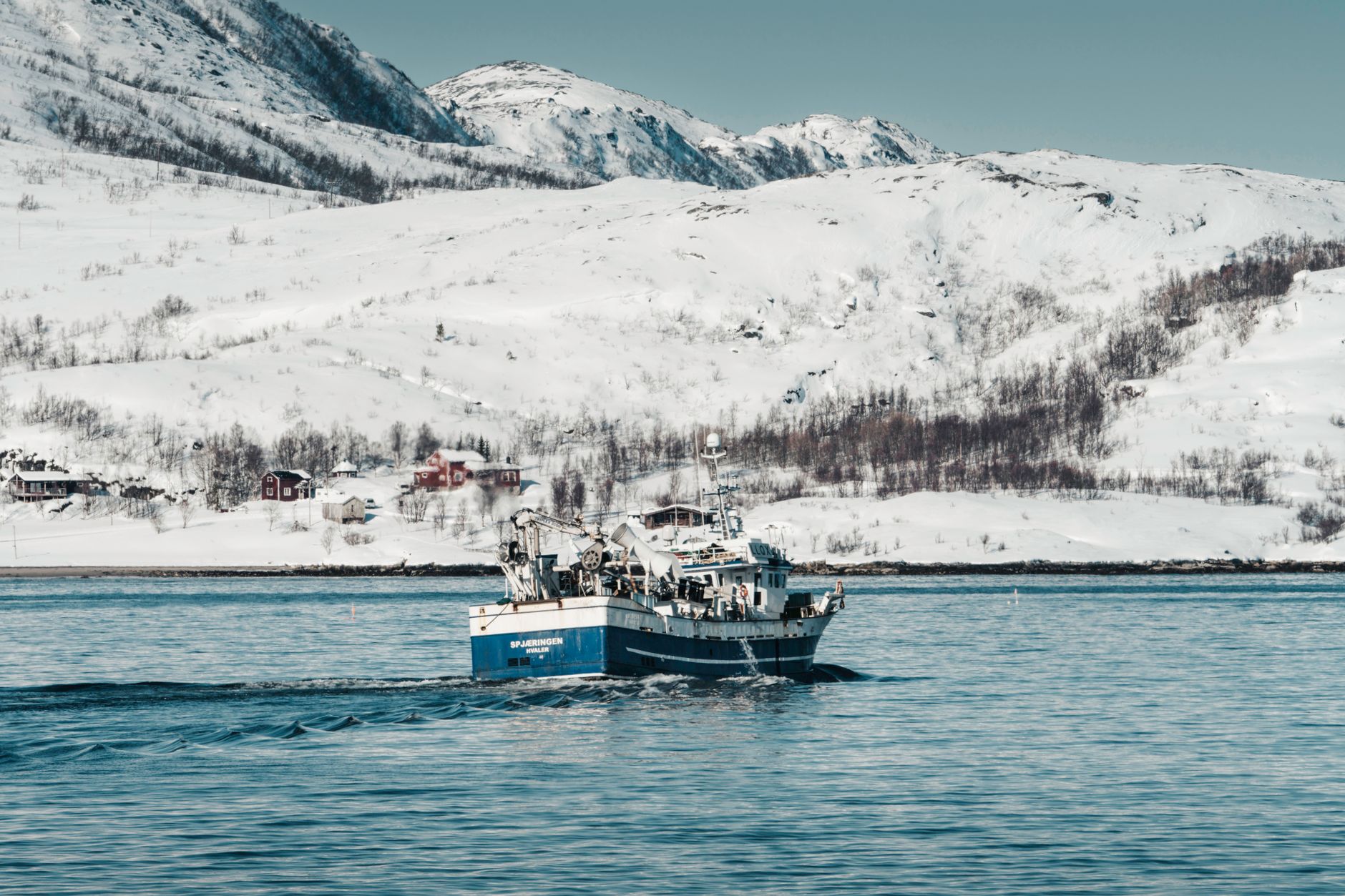
The question worth sitting with is what Longyearbyen actually wants to become. Its tourism economy grew around a single atmospheric event that’s invisible from April to August. Expanding that economy into the summer months and into cultural experiences means attracting visitors who will stay longer, spend more carefully, and expect more depth from the destination. The town’s infrastructure – its roads, its waste systems, its freshwater supply – was not built for the volume of visitors that a broader marketing push would bring. Svalbard’s Governor’s Office has been deliberate about environmental limits on visitor activity in protected areas, which cover roughly 65 percent of the archipelago. Whether that careful management holds as the destination grows more widely known is the real test.