Tanzania’s Mahale Mountains Quietly Rival the Serengeti for Chimp Seekers

Where the Jungle Takes Over
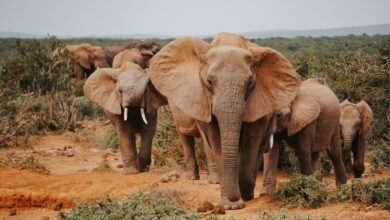
The Serengeti sells itself. Wildebeest migrations, open savannahs, big cats stretched across golden grass – it is the kind of spectacle that practically books itself. Mahale Mountains National Park, tucked along the eastern shore of Lake Tanganyika in western Tanzania, asks more of you. Getting there requires a domestic flight to Kigoma, then a boat transfer along one of the deepest lakes in the world. There are no roads into the park. And that is precisely why the experience waiting on the other side is so different from anything else Tanzania offers.
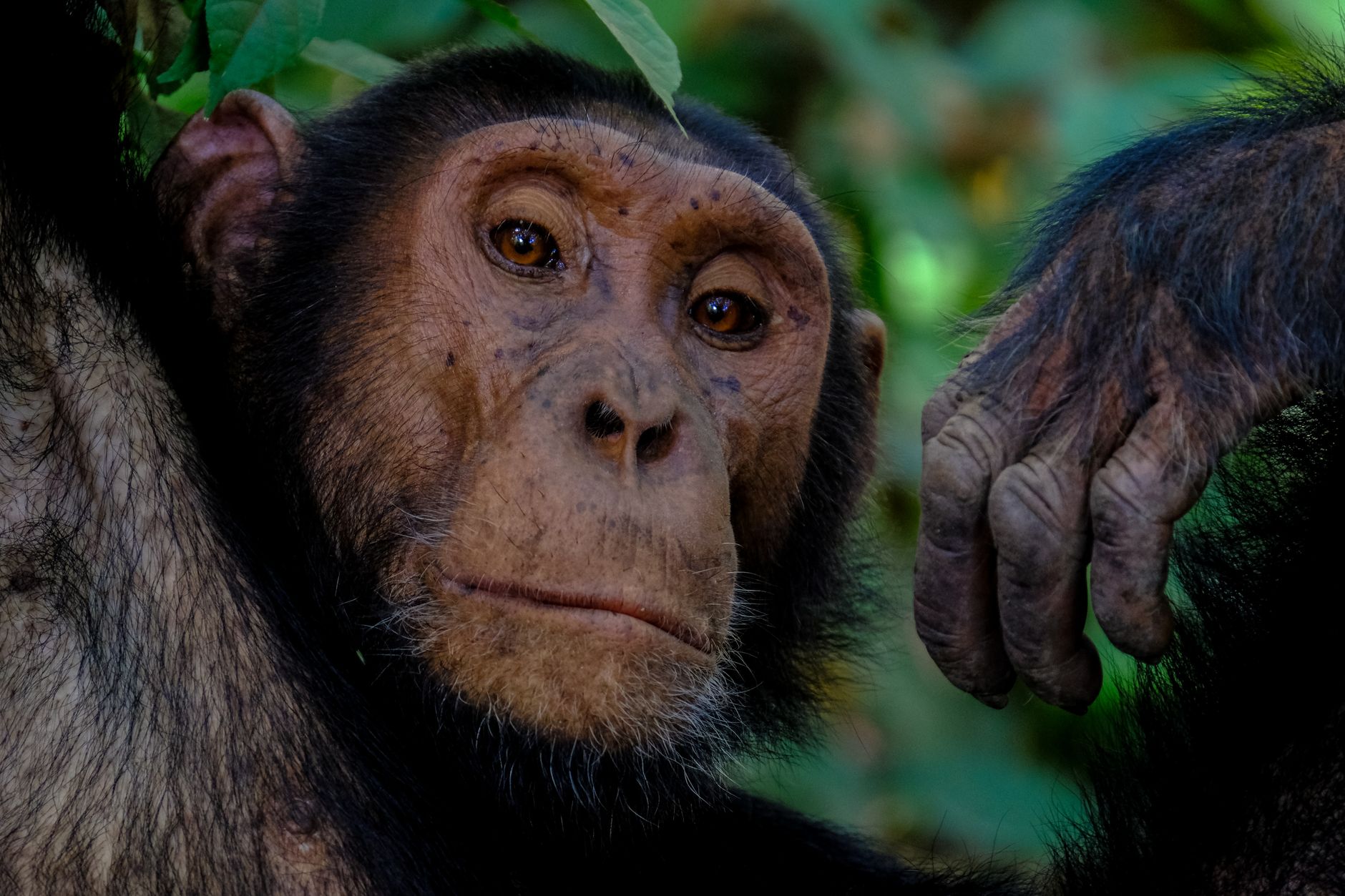
Mahale protects one of the largest wild chimpanzee populations remaining anywhere on Earth.
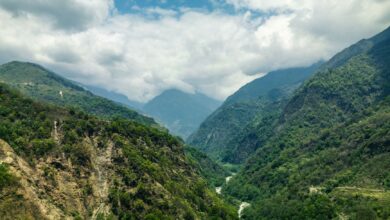
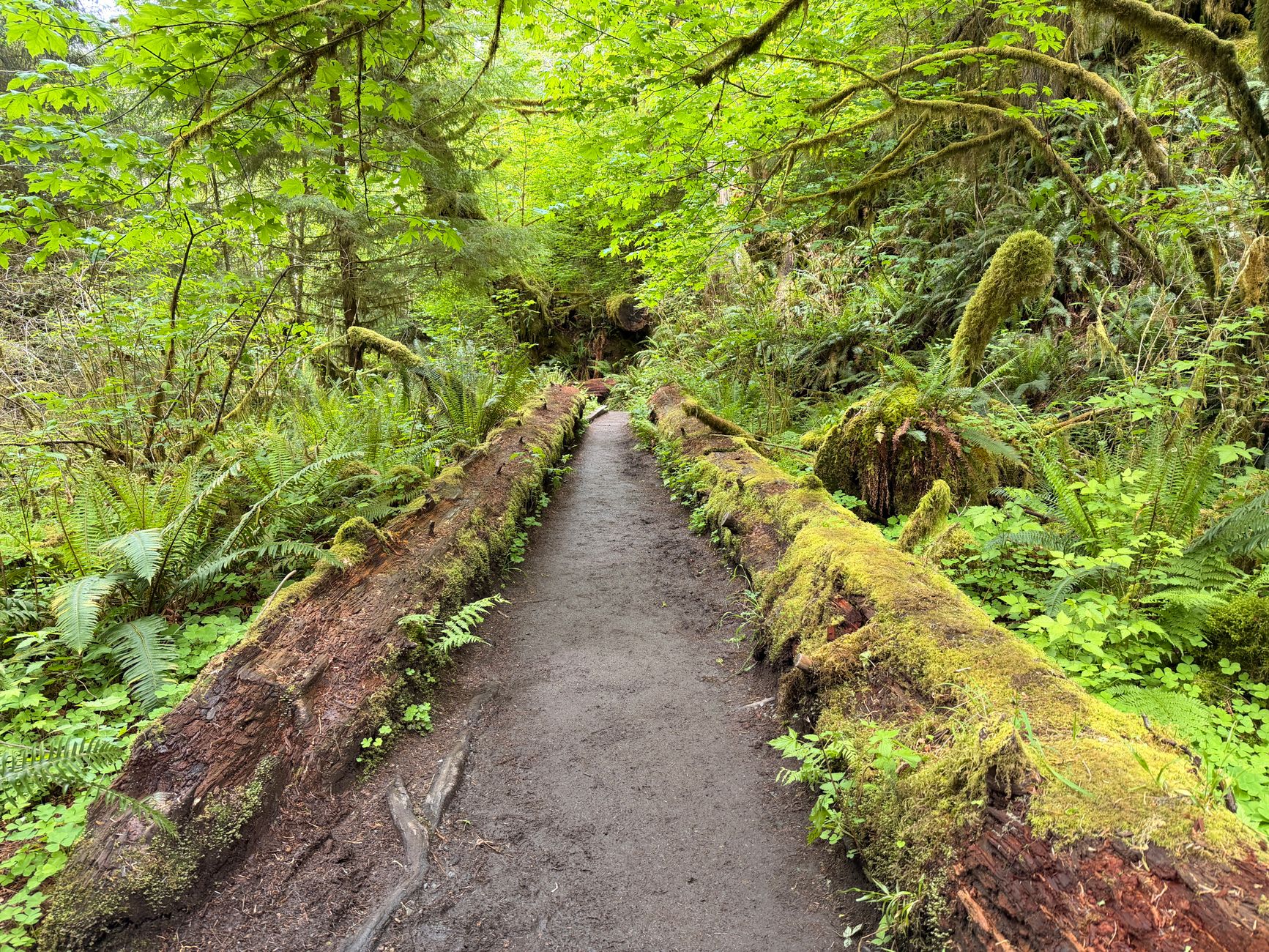
The park covers roughly 1,600 square kilometers of montane forest, miombo woodland, and dense jungle rising sharply from the lakeshore toward peaks above 2,400 meters. The terrain is demanding. The humidity is real. But the reward – walking through old-growth forest while a habituated community of chimps moves through the canopy overhead – is the kind of encounter that puts the Serengeti’s famous highlights in a very different context. They are two completely separate versions of Tanzania, and the Mahale version remains genuinely underexplored.
The Chimps of the M-Group
Researchers have been studying chimpanzee behavior at Mahale since the 1960s, when Japanese primatologists began the long, patient process of habituating wild chimp communities to human presence. That decades-long effort is what makes modern wildlife tracking here possible. Visitors follow trained guides and park rangers – people who have spent years learning the behavioral patterns of specific individuals – into the forest on foot each morning. There is no vehicle. No radio chatter from other safari jeeps. Just the sound of the forest and, if the group is moving nearby, the distant calls and branch-snapping that tells the guides exactly where to head.
The M-Group, which has been at the center of research activity for generations, numbers somewhere around sixty individuals. Encounters are limited to one hour per group per day, and visitor numbers are kept deliberately low – a policy that protects the chimps from disease transmission and keeps the forest from feeling like a tourist corridor. The hour goes fast. Watching a chimp groom another, or a juvenile drop from a branch twenty feet overhead to land in a heap on the forest floor, creates the specific discomfort of realizing how recognizable these animals are. The behavioral overlap with humans is not abstract when you are standing five meters away from it.
What separates Mahale from the better-known chimp tracking at Gombe Stream, which sits further north along Lake Tanganyika, is scale and terrain. Gombe is smaller and more visited. Mahale is wilder, physically harder to reach, and the forest itself is denser and more dramatic. For serious wildlife travelers who have already done East Africa’s standard circuit, Mahale functions as the harder, quieter alternative.
The Lake Below the Mountains
Lake Tanganyika is not incidental to a Mahale trip. It is half the experience. The lake is the second deepest in the world and holds a staggering diversity of cichlid fish found nowhere else – the kind of endemic richness that draws freshwater biologists the way coral reefs draw marine scientists. The water is clear, warm, and calm along the shoreline near most camps, and snorkeling or kayaking in the afternoon after a morning tracking session is a natural rhythm that most operators build into the itinerary.
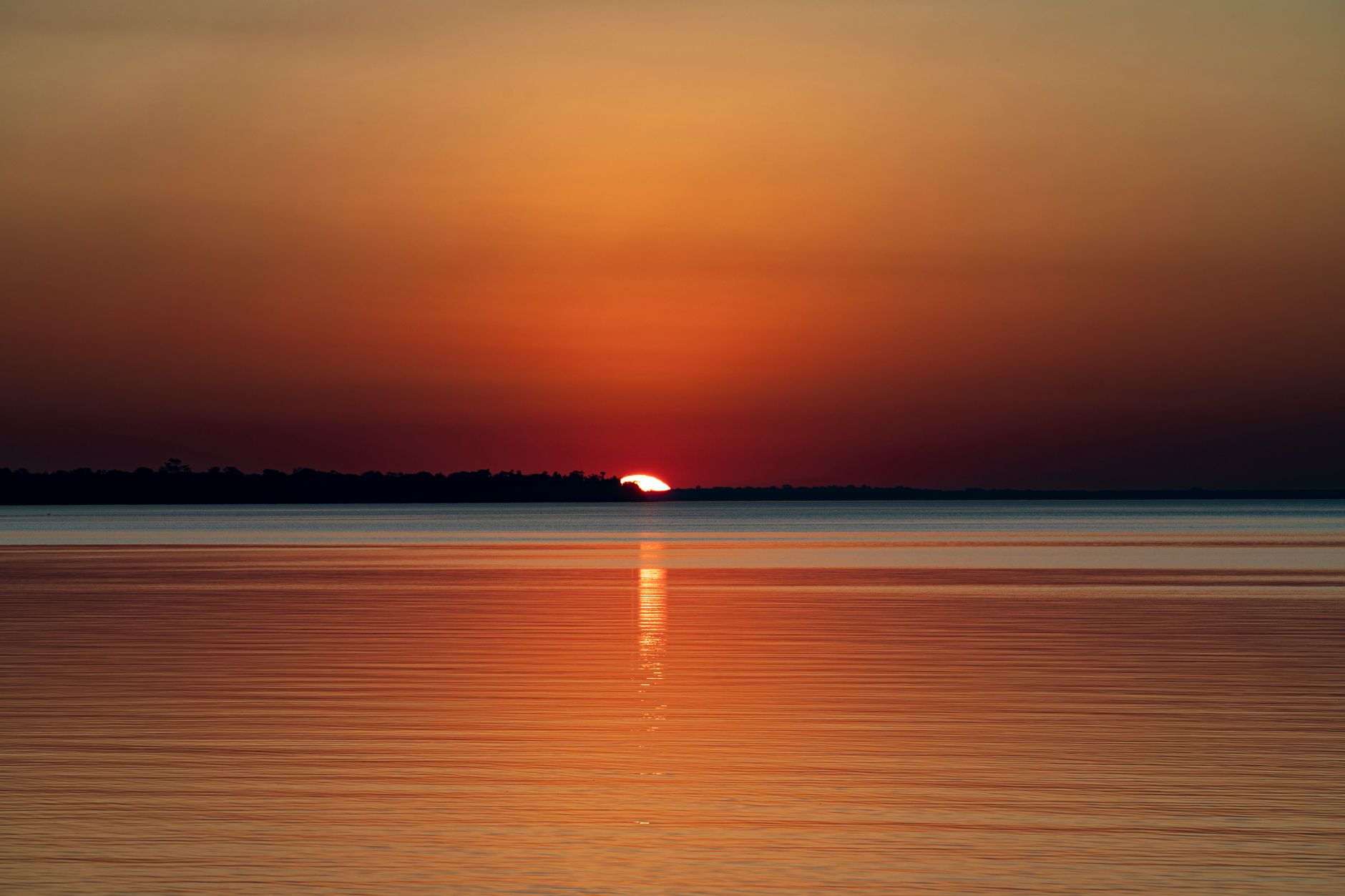
The lodges and tented camps operating inside Mahale are few and intentionally small. Most sit directly on the beach, with forest at their backs and the lake in front. Watching a sunset from a beach chair on Lake Tanganyika – with the Democratic Republic of Congo visible as a faint blue ridge across the water – is a different category of quiet from anything you find on the eastern safari circuit. The relative isolation that makes logistics complicated is also what keeps the atmosphere intact.
The best time to visit runs from late June through October, when the dry season keeps forest trails manageable and chimp tracking success rates climb. The wet season, from November through April, brings lush vegetation and fewer visitors, but muddy trails and unpredictable tracking. Either way, the journey demands advance planning – camp availability is genuinely limited, and last-minute bookings are rarely possible in peak season.
Why This Place Stays Under the Radar
Cost is part of the answer. A week at Mahale runs significantly higher per night than most Serengeti camps, reflecting the remote logistics, small scale of operations, and genuine exclusivity. The flights into Kigoma are not always convenient to connect from Kilimanjaro or Dar es Salaam, and the added boat transfer adds both time and planning complexity. For travelers building a two-week Tanzania itinerary around efficiency and flexibility, Mahale often gets cut for something easier.
That friction functions as a filter. The travelers who do make it to Mahale tend to arrive specifically for it, rather than as a box to tick. The camp staff know their guests are not there by accident. The guides who have spent years learning to read chimp behavior are working with people who actually want to understand what they are seeing. That changes the quality of the whole interaction – on both sides.
Tanzania’s tourism infrastructure has been expanding steadily, and the national parks authority has shown interest in developing western Tanzania more broadly. If that development reaches Mahale with more accommodation, easier access, and higher visitor caps, the quality that defines the place now – the enforced slowness, the small numbers, the genuine sense of distance from everything familiar – will be the first thing to go. Book it while the inconvenience is still part of the point.
Frequently Asked Questions
How do you get to Mahale Mountains National Park?
Getting to Mahale requires a domestic flight to Kigoma, followed by a boat transfer along Lake Tanganyika. There are no roads into the park.
What is the best time to visit Mahale Mountains for chimp tracking?
The dry season from late June through October offers the most reliable chimp tracking conditions, with manageable trails and higher encounter rates.