
Tanzania’s Best-Kept Trekking Secret
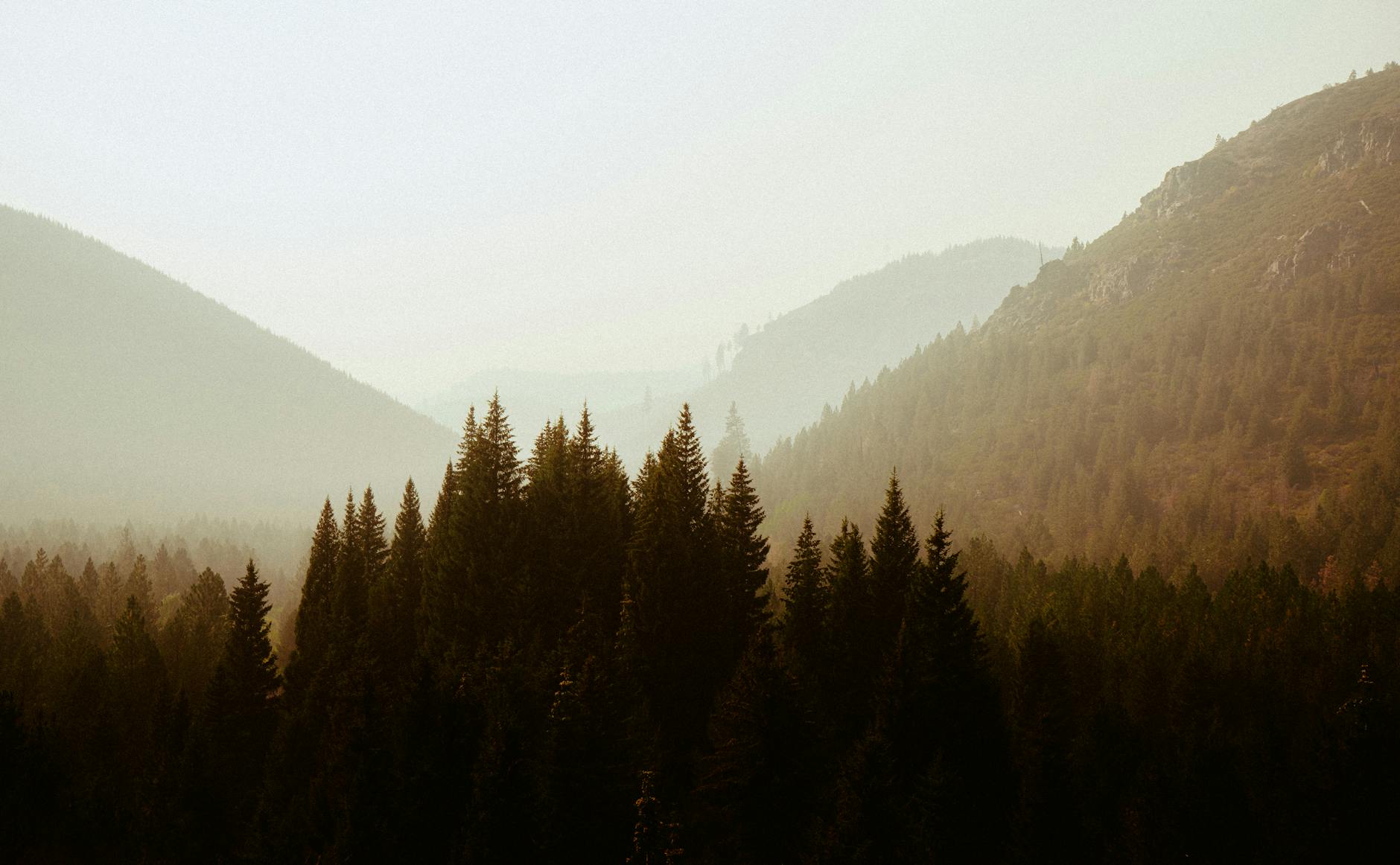
Most visitors to Tanzania arrive with one destination fixed in mind: Kilimanjaro. The name alone carries weight – Africa’s highest peak, a bucket-list fixture, and the setting for thousands of triumphant summit selfies each year. But in the northeast corner of the country, a quieter range of ancient mountains has been drawing a different kind of traveler. The Usambara Mountains, draped in mist and dense forest, offer a trekking experience that trades altitude records for village paths, biodiversity, and a pace that actually allows you to look around.
What Makes the Usambaras Different
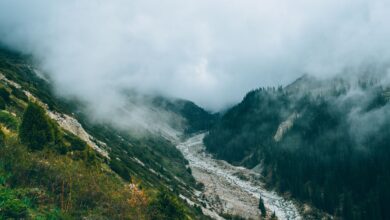
The Usambara range sits in Tanzania’s Tanga region, divided into two distinct sections – the West Usambaras and the East Usambaras – each with its own character. The West Usambaras, centered around the town of Lushoto, are the more frequently visited, known for their cool highland air, German colonial-era architecture, and a network of hiking trails that wind through farmland, pine forests, and Shambaa villages. The East Usambaras, near Amani, are denser, wetter, and wilder – home to one of Africa’s most biologically rich forest reserves.
The range sits on what biologists call an Eastern Arc Mountain, a chain of ancient highlands that have remained relatively undisturbed for millions of years. That geological stability has made the Usambaras a refuge for species found nowhere else on Earth – endemic chameleons, rare orchids, and dozens of bird species that draw ornithologists from around the world. The Amani Nature Reserve alone contains over 800 plant species and is considered among the most biodiverse forest patches on the continent.
The trekking infrastructure here is deliberately low-key. Guided day hikes and multi-day routes are organized through guesthouses in Lushoto and local cooperatives in Amani, with most trails passing directly through working farmland and active villages. There are no permit queues, no high-altitude safety briefings, and no oxygen canisters. The maximum elevation in the West Usambaras reaches roughly 2,400 meters – comfortable walking territory for most reasonably fit travelers without acclimatization concerns.
That accessibility is part of the appeal. A Kilimanjaro expedition demands weeks of preparation, thousands of dollars in fees and gear, and a willingness to push through altitude sickness at 5,895 meters. The Usambaras ask for sturdy shoes, a rain jacket, and patience for slow village conversations. Both experiences are genuinely rewarding – they just attract very different people.
The Trail Experience: Villages, Viewpoints, and Very Few Other Tourists
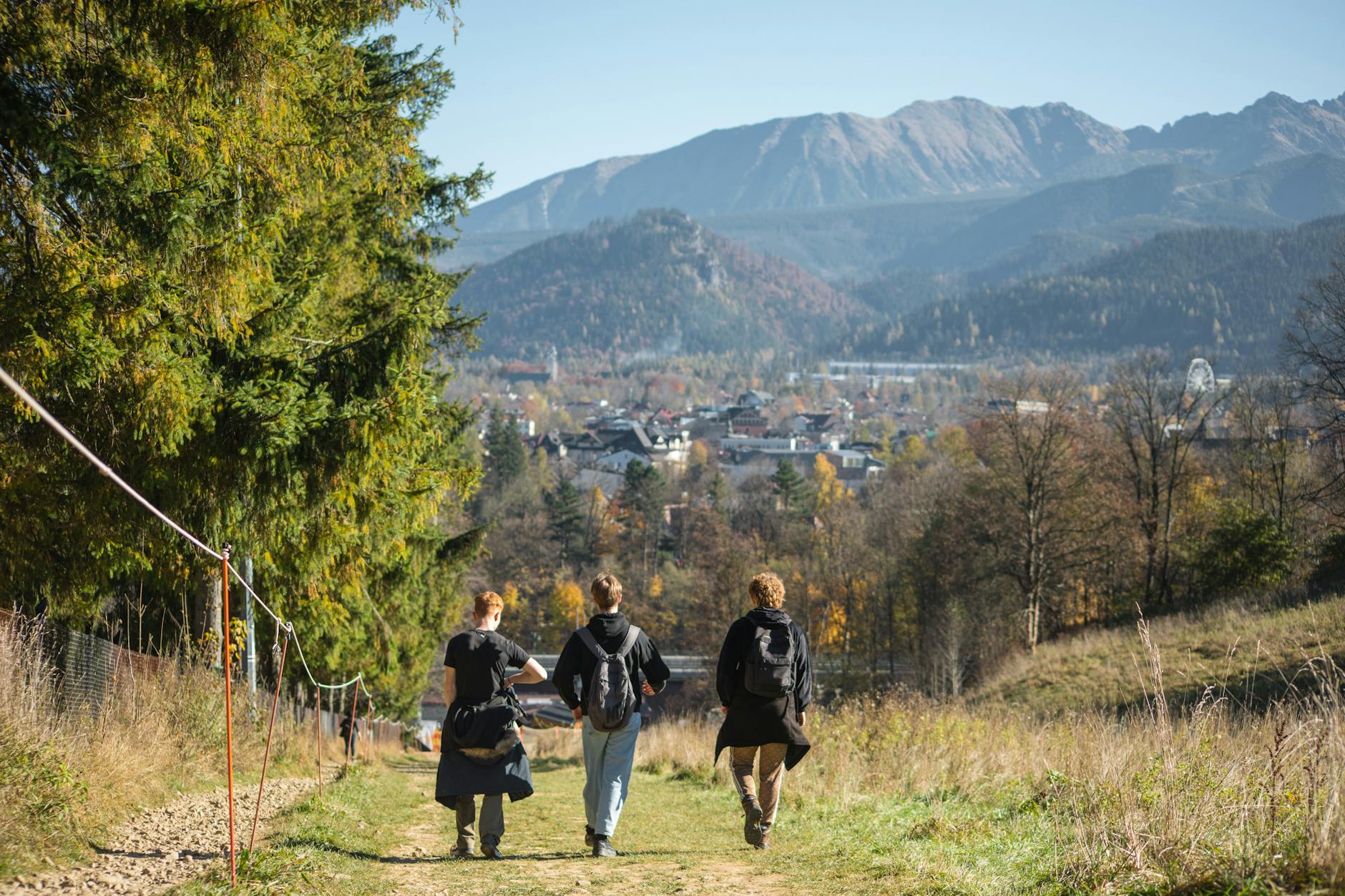
The most popular trail in the West Usambaras runs from Lushoto toward the Irente viewpoint, a cliff-edge plateau that looks out over the Masai Steppe stretching hundreds of kilometers into the distance. On a clear morning, the drop is dizzying and the light is extraordinary. The trail itself passes through terraced fields of cardamom and vegetables, past schoolchildren and women carrying firewood, offering a window into daily Shambaa life that no safari vehicle ever provides.
Multi-day routes connect Lushoto to surrounding villages like Mtae and Mambo, where basic but comfortable guesthouses operate on the edge of dramatic escarpments. The walking between settlements takes between three and seven hours depending on the route, mostly through forest and farmland with occasional open ridgelines. Rain is possible any month, and the roads into the mountains can turn to mud – this is the kind of destination where flexible itineraries matter more than fixed schedules.
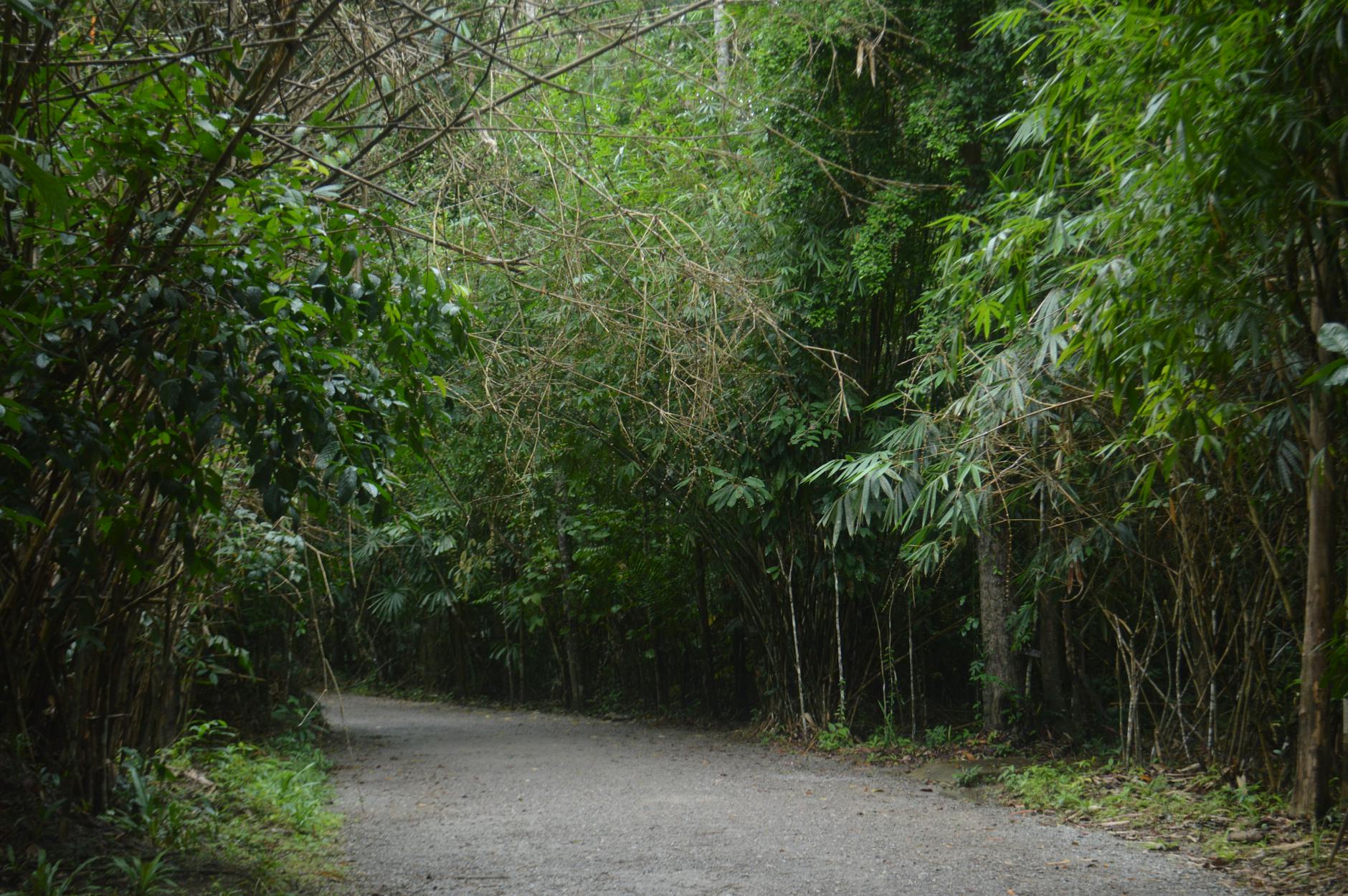
The East Usambaras carry a distinctly different atmosphere. Amani town sits inside the nature reserve, and the trails here feel more like forest immersion than village trekking. Early morning walks through the canopy produce consistent chameleon sightings, and the African violets – which grow wild here, in the region where they were first collected for cultivation – bloom along the roadsides. The birding community treats Amani as something close to sacred ground; species like the Amani sunbird and the long-billed tailorbird are found only in this corner of the world.
Local guides are considered essential and are easy to arrange, both for trail navigation and for the kind of ecological knowledge that turns a forest walk into something genuinely educational. Many guides working in the area were born in the surrounding villages and have spent years developing an understanding of the forest that no guidebook replicates. Their fees are modest by international standards and represent the primary economic return that trekking brings to the community.
For travelers already planning an East Africa itinerary around gorilla trekking in Rwanda’s Volcanoes National Park, the Usambaras make a logical extension – a complete contrast in terrain and experience that keeps the trip varied without adding a return flight. Dar es Salaam and Zanzibar are both within reasonable striking distance, making it straightforward to build the mountains into a broader Tanzania trip rather than treating them as a standalone destination.
When to Go and How to Get There
The Usambaras receive two rainy seasons – the long rains from March through May and shorter rains in November – which limits ideal trekking windows to roughly June through October and again in December through February. The dry season months produce the clearest viewpoints and the most manageable trails, though the mountains hold moisture year-round and some mist is almost always present. That mist is part of the landscape; travelers who arrive expecting sunshine in every direction will need to adjust expectations.
Getting there requires either a domestic flight to Kilimanjaro International Airport followed by a drive to Lushoto (around three hours), or a longer overland journey from Dar es Salaam through Tanga. The roads into Lushoto are paved and manageable in a standard vehicle; reaching Amani from Muheza involves rougher terrain and benefits from a four-wheel drive, particularly after rain. Neither approach is particularly difficult, but neither is the kind of transfer that ends at a hotel lobby with valets. The journey itself sets the tone – slow, a little unpredictable, and worth every kilometer.