Tanzania’s Usambara Mountains Quietly Rival Kilimanjaro for Village Trekkers

Tanzania’s Hidden High Country
Kilimanjaro sells itself. The name alone carries enough weight to fill tour operator brochures from London to Los Angeles, and the mountain draws tens of thousands of trekkers each year to its well-worn routes. But roughly 300 kilometers to the northeast, an entirely different kind of mountain experience waits in near-total obscurity. The Usambara Mountains – a chain of ancient, mist-wrapped highlands in Tanzania’s Tanga Region – offer something that Kilimanjaro, for all its grandeur, cannot: the feeling that you have actually wandered somewhere real.
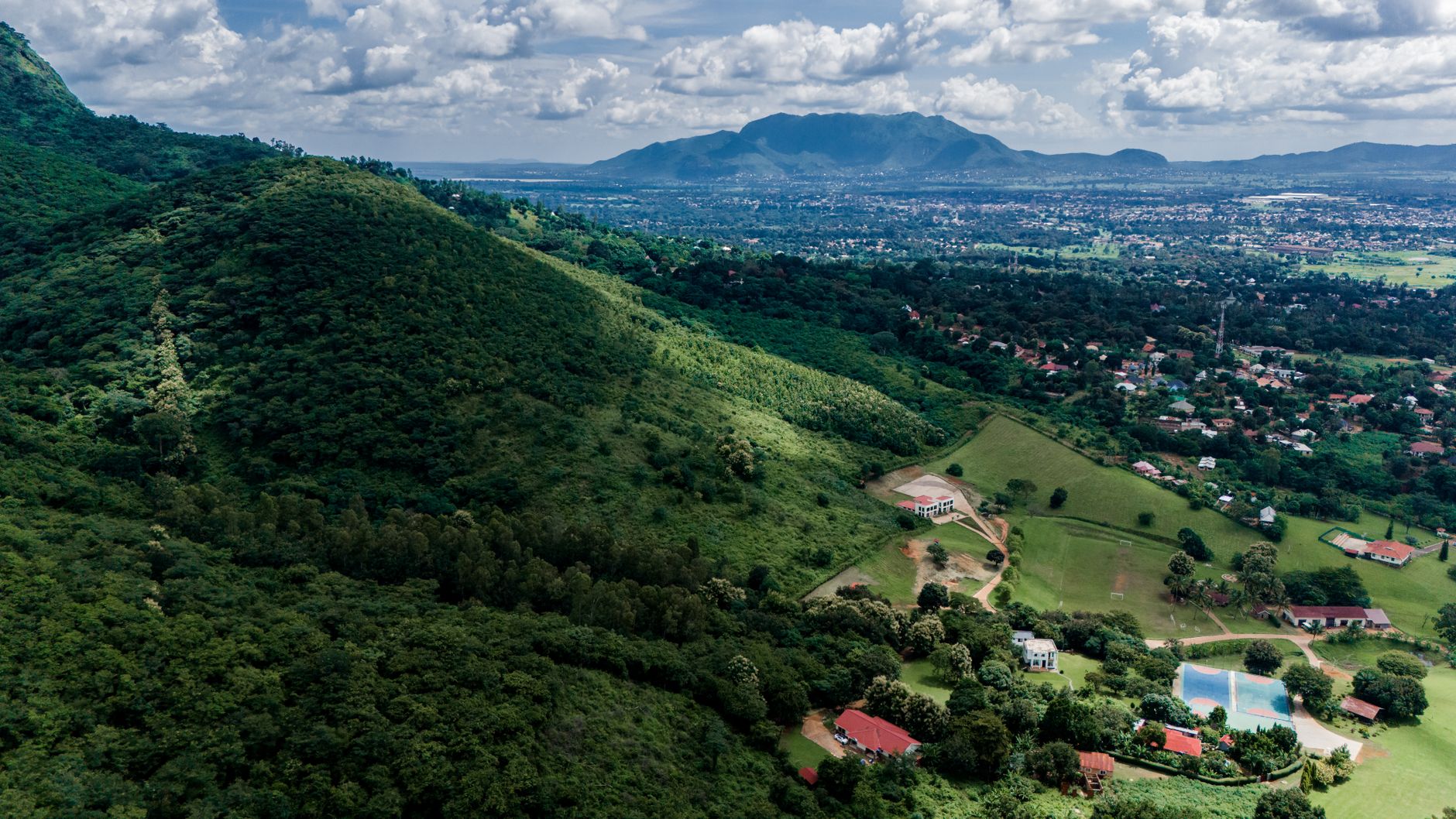
The Usambaras split into two distinct ranges, the Western and the Eastern, each with its own character. The Western Usambaras, centered around the colonial-era town of Lushoto, are the more accessible of the two and the starting point for most village trekkers. What makes this region genuinely different from East Africa’s marquee trekking destinations is the fabric of daily life woven directly into the trails. You are not walking through a park. You are walking through people’s farms, past their schools, and into their markets.
What the Trail Actually Looks Like
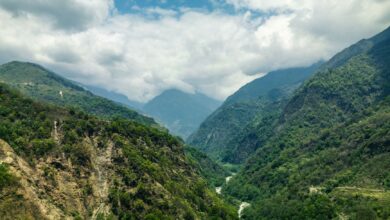
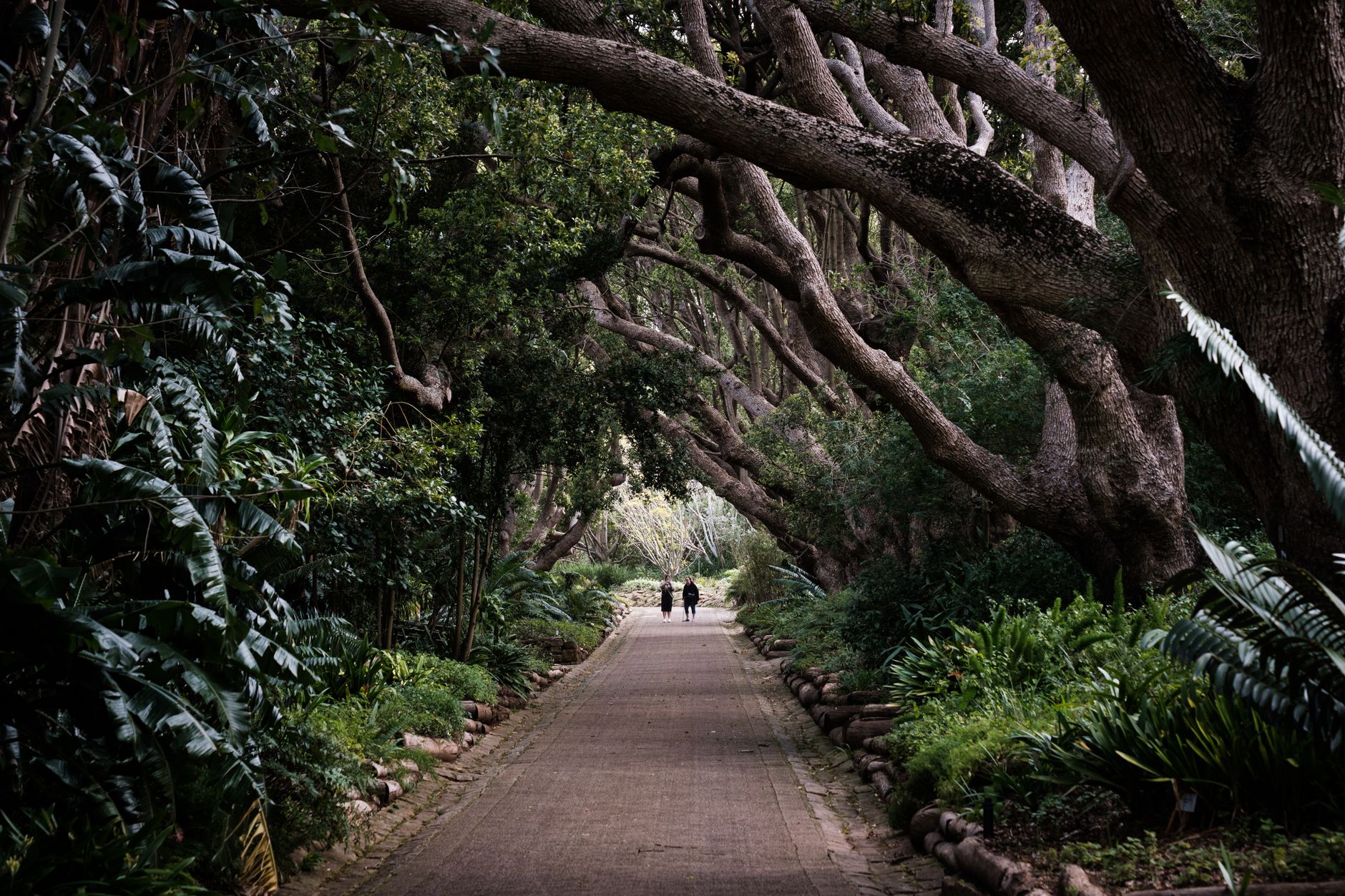
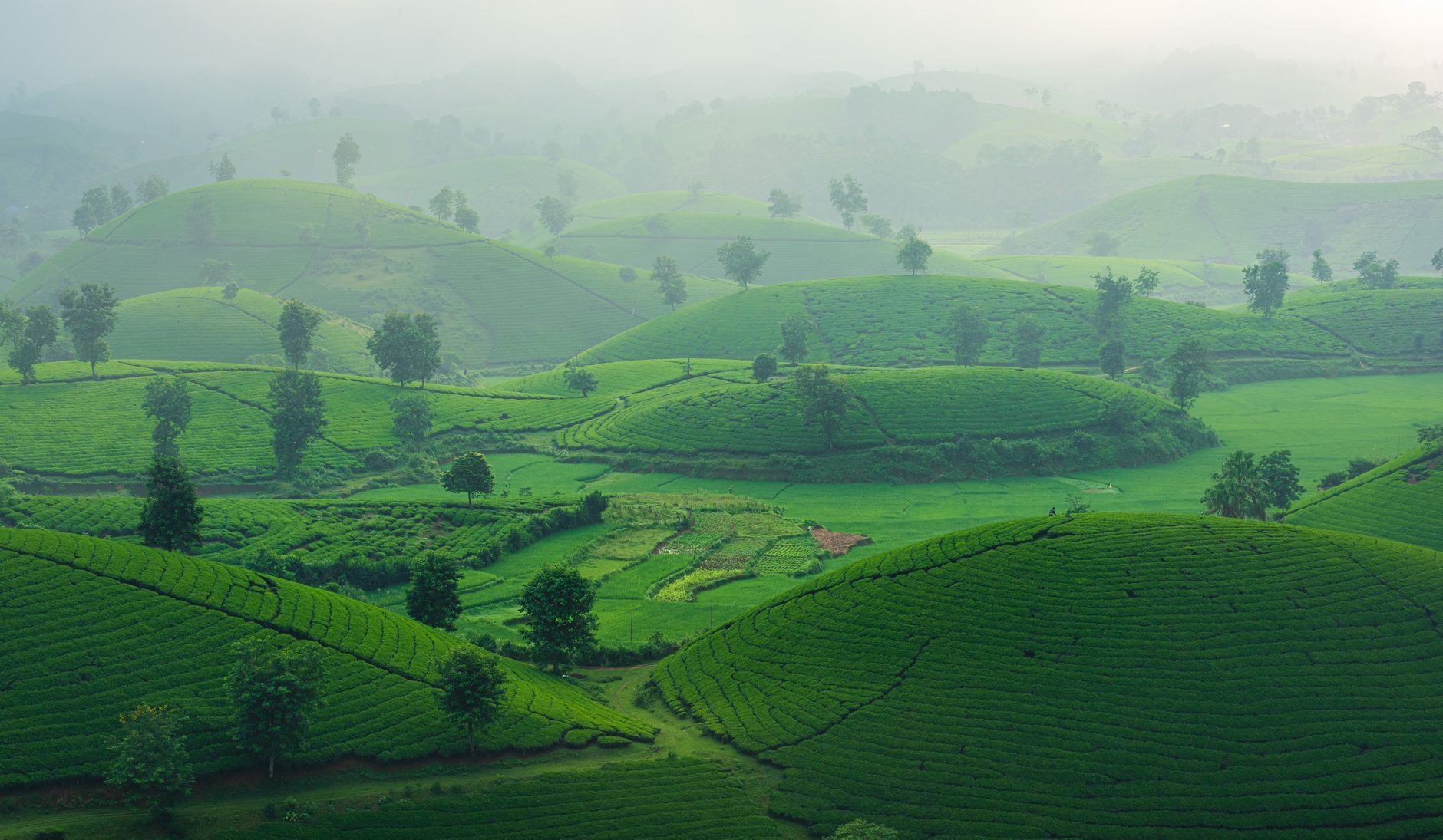
The terrain in the Usambaras is not dramatic in the way that alpine summits are dramatic. The highest point in the Western range sits just above 2,200 meters, nowhere near Kilimanjaro’s 5,895-meter peak. But dramatic elevation is not the point here. The landscape is dense with indigenous forest, rolling tea plantations, and deep valleys where villages appear like something painted rather than built. The light at altitude has a quality that photographers describe as exceptionally clean – the result of moisture in the air and forest canopy on all sides filtering the equatorial sun.
Most multi-day routes connect villages rather than summit points. A typical three-day trek from Lushoto might pass through Mtae, Mambo, and Lukozi, with overnights in guesthouses or community homestays that charge a fraction of what any lodge on the Kilimanjaro corridor would. The trails are not marked with signs or GPS waypoints – you walk with a local guide, which is both a practical necessity and the experience itself. These guides are not reading from scripts. They know the farmers on the path, can explain what crop is being harvested, and will translate conversations that would otherwise be impossible.
The physical demands are moderate by most standards. Daily walking distances typically range between 10 and 20 kilometers, with elevation changes that challenge the legs without requiring acclimatization schedules. This makes the Usambaras accessible to trekkers who would not consider Kilimanjaro – older travelers, families with older children, or anyone who prefers cultural depth over altitude records. That accessibility is one reason the range deserves far more attention than it currently receives from international travel media.
Birding has developed a dedicated following in the region for good reason. The Eastern Arc Mountains, of which the Usambaras are a part, contain some of the highest concentrations of endemic species on the African continent. For travelers who combine walking with wildlife observation, the Usambaras offer sightings that are simply unavailable on Kilimanjaro’s barren upper slopes.
The Village Economy Behind the Trek
Lushoto functions as the logistical base for most trekkers, and the town’s infrastructure reflects a tourism economy that has grown slowly and locally rather than through resort development. Local guide associations – some formal, some informal – connect visitors with guides, arrange accommodations in village guesthouses, and keep money circulating within the communities rather than routing it through Dar es Salaam or international operators. This matters practically as well as ethically: guides with local knowledge provide a quality of on-the-ground insight that no centrally managed tour can replicate.
Homestay culture in the Usambaras is not a curated product sold by a boutique travel company. It developed organically as trekkers began arriving and families recognized an opportunity. The experience varies considerably – some homestays are comfortable by any traveler’s standard, others are spartan in ways that reward people who pack accordingly. That variability is part of the honesty of the place. Nobody has smoothed the edges here to match a brand vision.
Getting There Without the Hassle
The Usambaras sit roughly five to six hours by road from Dar es Salaam, with regular bus connections running through Mombo, where you transfer north toward Lushoto. The journey itself passes through lowland sisal farms and dry acacia scrub before the road begins climbing into the highlands – a transition that is visually striking enough that most travelers stop regretting the travel time. Arusha is also a viable gateway, particularly for visitors combining the Usambaras with a safari in the northern parks. Flying into Kilimanjaro International Airport and busing west and south adds roughly the same road time but positions you with access to East Africa’s broader safari circuit before or after the trek.
The best trekking seasons align with the dry periods: June through October and January through February. The long rains from March through May turn trails muddy and views gray, though some travelers specifically book the green season for the lush intensity of the forest and the absence of even the modest crowds that high season brings. October in particular is considered ideal – dry enough for comfortable walking, clear enough for valley views, and cool enough that the midday sun doesn’t punish.
Visas for Tanzania are straightforward for most nationalities, available on arrival or through the government’s e-visa portal. Unlike some East African trekking destinations where park fees and compulsory guide charges stack up quickly, the Usambara region keeps costs relatively low. A full three-day guided trek with accommodation, meals, and guide fees can come in at a fraction of what a single day on the Kilimanjaro routes costs – a comparison that shocks most travelers who discover it only after they’ve already been there.
Why This Region Stays Quiet
The Usambaras do not have a marketing machine. There is no single iconic image the way Kilimanjaro has its snowcapped profile above the clouds. The region doesn’t lend itself to the kind of bucket-list shorthand that drives search traffic and Instagram followings. What it offers instead is specific: a particular red-dirt path descending into a valley where women carry water in bright plastic containers and children wave from a schoolyard painted in peeling blue. That specificity does not compress into a tagline.
The quietness of the Usambaras is self-reinforcing. The travelers who find it tend to be the kind who were looking for exactly this and who, once home, recommend it in the same low-key way they discovered it – in conversation, in private travel forums, through word of mouth that never quite goes viral. Which raises a fair question about what happens when it does.