
Zanzibar has spent decades selling the same postcard: turquoise water, white sand, overwater bungalows. But Stone Town, the archipelago’s ancient capital on the western edge of Unguja Island, is drawing a different kind of visitor now – one who arrives with a walking map instead of a beach towel.
A UNESCO City That Tourism Kept Overlooking
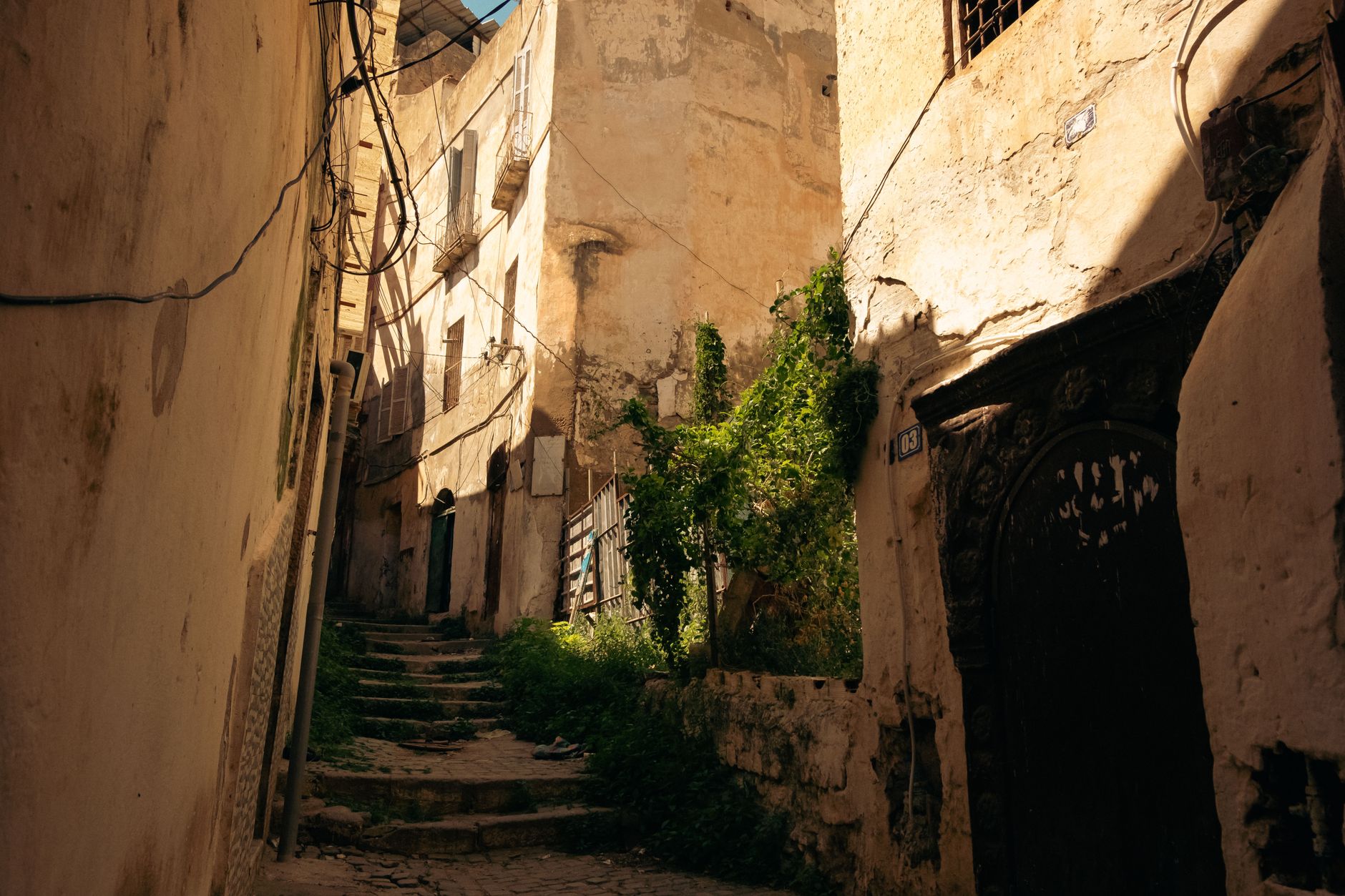
Stone Town earned its UNESCO World Heritage status in 2000, recognized for a built environment that layers Arab, Persian, Indian, and Swahili influences into something that exists nowhere else on the continent. The coral-stone buildings, their facades carved with ornate wooden doors and brass studs, have stood for centuries. The narrow alleys – too tight for cars, wide enough for a donkey cart – create a labyrinth that rewards slow exploration. And yet, for most of the past two decades, the majority of visitors treated Stone Town as a half-day stopover between the airport and their beach resort.
That pattern is shifting. A growing number of travelers are booking multi-night stays in Stone Town itself, drawn by restored boutique guesthouses operating out of historic merchant houses, a culinary scene built on the island’s spice-trading heritage, and a cultural density that beach resorts simply cannot replicate. The harbor front’s Forodhani Gardens night market alone – where local cooks serve Zanzibari mix, sugarcane juice, and grilled seafood under string lights – has become a destination in its own right rather than a local curiosity.
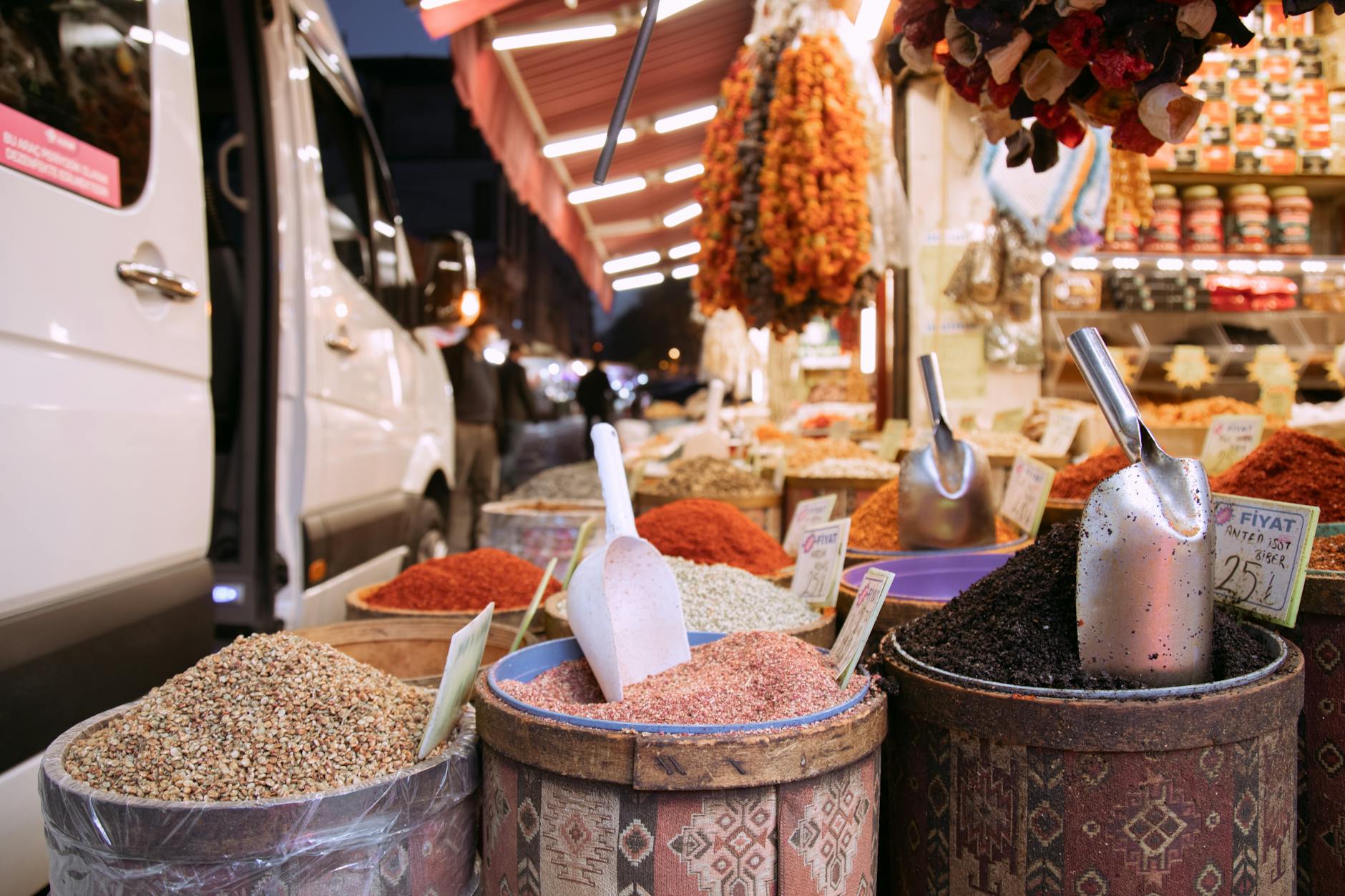
The architecture is the obvious draw, but what sustains longer stays is the neighborhood life that still functions beneath the tourism surface. The Darajani Market operates every morning with the kind of organized chaos that feels genuinely unrehearsed – fish laid out on slabs before dawn, spice vendors weighing cardamom and cloves by hand, fabric stalls selling kangas in patterns that signal social meaning to those who know how to read them. Walking through it is not a performance. It is simply what happens every day.
Stone Town’s position as a former slave trade hub also gives it a weight that beach tourism cannot address. The Anglican Cathedral built on the site of the last open slave market in East Africa, the underground holding chambers now open to visitors, and the memorial sculpture by Swedish artist Clara Sorsbie in the cathedral grounds make this one of the most sobering and historically significant stops in the region. Travelers seeking context for the broader history of the Indian Ocean trade routes are finding Stone Town offers more than most cities twice its size.
The Infrastructure Catching Up With the Demand
For years, the barrier to longer stays in Stone Town was practical: accommodation options were limited, air conditioning was unreliable, and the gap between what the city offered culturally and what it could deliver in comfort kept many visitors at arm’s length. That gap has narrowed considerably. A cluster of boutique properties have restored historic buildings without gutting the architecture that makes them worth preserving, keeping carved doors, high ceilings, and courtyard layouts intact while adding plumbing and reliable electricity.
Rooftop dining has become a minor industry in its own right. Several guesthouses now run roof terraces open to non-guests, serving Swahili-inflected menus with views over the jumbled rooflines toward the harbor. The cuisine itself – pilau rice, urojo (the tangy Zanzibari soup known locally as “mix”), biriani with a distinctly coastal character – is drawing food-focused travelers who approach the island the way others approach Marrakech or Penang, as a destination organized around eating and market culture rather than recreation.
Tour operators based in Stone Town have also expanded beyond the standard spice tour circuit. Walking tours now focus on specific themes: the architecture of the Omani sultanate period, the Indian merchant community’s legacy in building design, the history of the Swahili Coast’s maritime trade. Photography-focused guides lead small groups through the early morning market hours and into the blue hour along the harbor. These niche offerings attract the kind of traveler who does substantial research before arriving and expects depth rather than highlights.
The creative community building around Stone Town is also worth watching. A small but active group of local artists, designers, and craftspeople has established studios and small galleries in the old town, some working with traditional Tinga Tinga painting styles, others producing contemporary work that responds directly to the city’s architectural and historical environment. The Zanzibar International Film Festival, which has run annually for decades, continues to use Stone Town as its central venue, drawing filmmakers and audiences from across Africa and beyond during its July run.
Connectivity has improved enough that Stone Town now functions as a legitimate base for day trips rather than requiring resort-to-city commuting. The spice farms of the island’s interior, the marine park at Mnemba Atoll, the ruins at Chwaka and Kizimkazi – all of these sit within reasonable reach of a Stone Town guesthouse. Travelers who once had to choose between culture and beach access are finding the choice less binary than it used to be.
What Remains Unresolved
Preservation is the tension that underlies everything. The same coral-stone buildings that define Stone Town’s character are expensive to maintain and vulnerable to the humidity and salt air of a coastal environment. Some historic properties have been sold to international development interests and converted in ways that retain the facade while hollowing out the interior, a compromise that pleases nobody fully. Local residents who have lived in the old town for generations are navigating rising property values and the social pressures that follow tourism money anywhere it concentrates.
The question Stone Town has not yet answered is whether it can absorb a growing volume of culturally motivated visitors without the kind of surface-level tourism economy – souvenir shops displacing working businesses, restaurant menus simplified for foreign palates – that has blunted the appeal of similar historic districts elsewhere. The narrow alleys that make the city so atmospheric also make it physically finite. There is only so much Stone Town to go around, and right now, more people want a piece of it than at any point in recent memory.
Frequently Asked Questions
Is Stone Town worth visiting beyond a day trip from beach resorts?
Yes. Multi-night stays allow access to the morning markets, evening street food at Forodhani Gardens, walking tours, and historic sites that a half-day visit cannot cover.
What is the best time to visit Zanzibar Stone Town?
The dry seasons – June to October and December to February – offer the most comfortable conditions. July also coincides with the Zanzibar International Film Festival.