
Thailand’s floating solar farms have transformed from engineering marvels into unexpected tourist destinations. These massive solar panel installations floating on reservoirs across the country now attract thousands of visitors seeking sustainable travel experiences.
The Sirindhorn Dam in Ubon Ratchathani province houses one of Southeast Asia’s largest floating solar installations. What began as a renewable energy project has evolved into a model for eco-tourism, drawing travelers interested in green technology and environmental conservation. Tour operators report increasing bookings from international visitors wanting to witness sustainable energy production firsthand.
Solar Islands Transform Tourism Landscape
Thailand’s floating solar farms span across multiple provinces, with installations at Sirindhorn Dam, Ubolratana Dam, and several smaller reservoirs. These facilities generate clean electricity while creating unique tourism opportunities that didn’t exist five years ago.
The Sirindhorn installation covers approximately 45 hectares of water surface, featuring over 144,000 solar panels arranged in geometric patterns visible from observation decks. Visitors can take guided boat tours around the perimeter of the solar arrays, learning about renewable energy technology while enjoying scenic reservoir views.
Local tourism boards have partnered with energy companies to develop educational programs highlighting Thailand’s commitment to renewable energy. These programs include interactive exhibits explaining solar panel technology, environmental benefits, and the engineering challenges of water-based installations.
The floating solar concept addresses land scarcity issues while reducing water evaporation from reservoirs. Tourism officials emphasize these dual benefits when promoting the sites to environmentally conscious travelers seeking meaningful experiences beyond traditional sightseeing.
Guided Tours and Educational Programs
Professional tour guides now offer specialized floating solar farm experiences, combining environmental education with scenic boat rides. These tours typically last two to three hours and include stops at visitor centers featuring renewable energy displays.
The Electricity Generating Authority of Thailand has developed visitor facilities at several floating solar sites. These centers showcase the technology behind floating photovoltaic systems and Thailand’s broader renewable energy initiatives. Interactive displays allow visitors to monitor real-time energy production data.
Boat tours navigate carefully designated routes around the solar installations, maintaining safe distances while providing optimal viewing angles. Tour operators use specialized vessels equipped with canopies and educational materials about sustainable energy production.

Photography workshops have become popular among visitors interested in capturing the geometric patterns created by solar panel arrangements. The contrast between traditional Thai landscapes and modern renewable technology creates compelling visual narratives for travel photographers.
Educational institutions frequently organize field trips to these sites, incorporating floating solar farms into environmental science curricula. Universities studying renewable energy bring international student groups to examine Thailand’s innovative approach to sustainable development.
Economic Impact on Local Communities
Rural communities near floating solar installations have benefited from increased tourism activity. Local restaurants, guesthouses, and transportation services report significant revenue increases since the tours began operating.
Village cooperatives have developed complementary attractions around the solar sites, including traditional craft demonstrations and local food experiences. These additions extend visitor stays and distribute tourism benefits throughout surrounding communities.
The floating solar tourism model has inspired similar developments across Southeast Asia. Malaysia and Vietnam are studying Thailand’s approach to combining renewable energy infrastructure with sustainable tourism initiatives.
Local employment opportunities have expanded beyond traditional agriculture and fishing. Community members now work as tour guides, boat operators, and facility maintenance staff, creating diverse income streams in previously economically limited areas.
Regional governments are investing in supporting infrastructure including improved roads, visitor parking facilities, and enhanced telecommunications networks. These improvements benefit both tourists and local residents year-round.
Future Expansion and Regional Influence
Thailand plans additional floating solar installations across multiple provinces, with tourism components integrated into initial planning phases. This proactive approach ensures new facilities can accommodate visitors while maintaining primary energy generation functions.
The success of Thailand’s floating solar tourism has attracted international attention from sustainable travel organizations. Travel companies specializing in eco-tourism now include these sites in broader Southeast Asian itineraries, often paired with other renewable energy destinations.
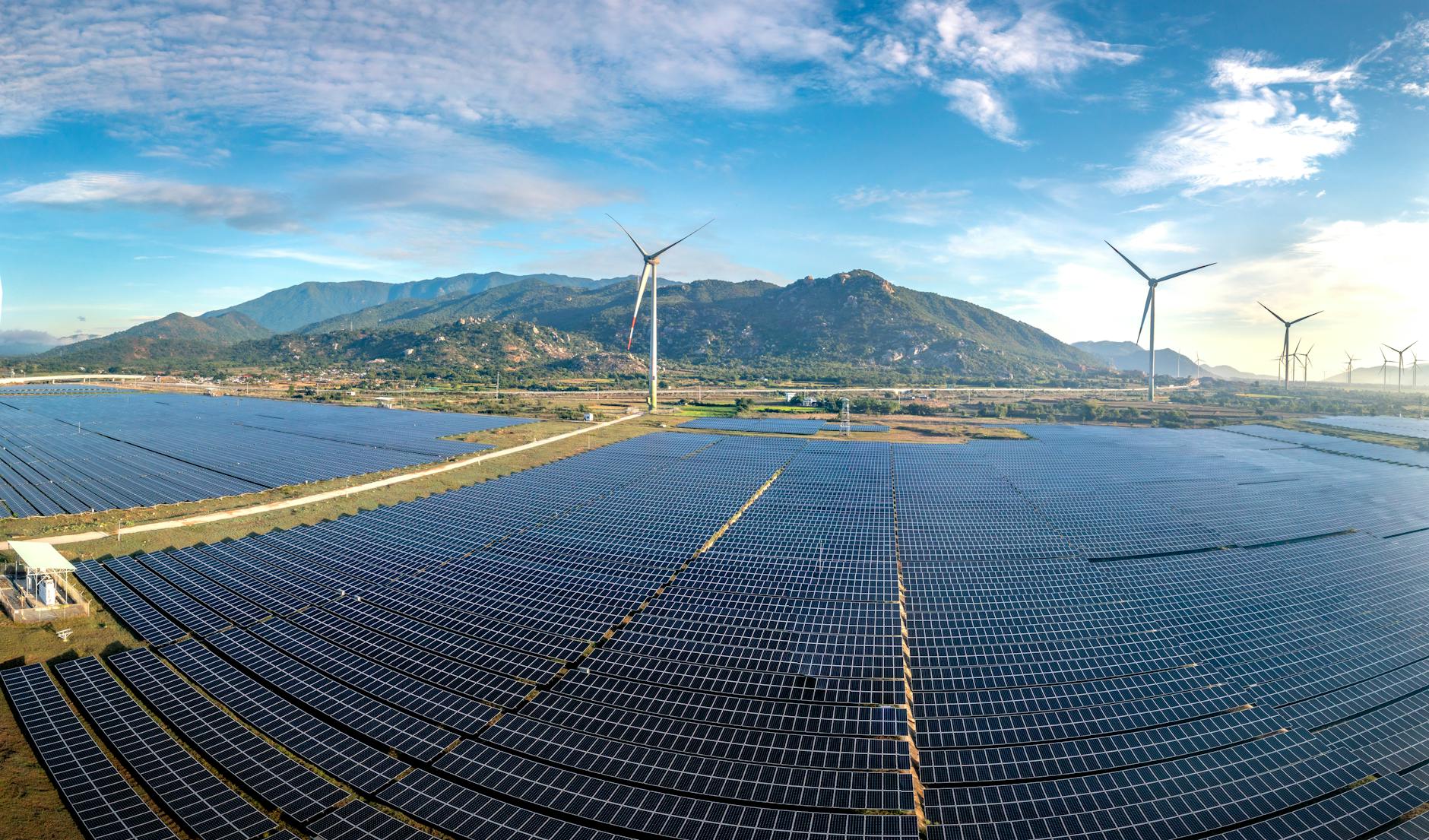
Similar to how Portugal’s Azores Islands are becoming Europe’s wellness retreat hub, Thailand’s floating solar farms represent a new category of purpose-driven travel destinations that combine environmental awareness with unique experiences.
Research institutions are documenting the tourism impact of floating solar installations to develop best practices for other countries. This data helps optimize the balance between energy production efficiency and visitor accessibility.
Thailand’s model demonstrates how renewable energy infrastructure can serve dual purposes, generating clean electricity while creating educational tourism opportunities. As global interest in sustainable travel continues growing, these innovative destinations position Thailand as a leader in environmentally responsible tourism development.
The floating solar farm tourism phenomenon represents more than temporary novelty – it signals a fundamental shift toward integrating sustainability into travel experiences. As more countries adopt similar renewable energy projects, Thailand’s pioneering approach to solar tourism may become the template for turning necessary infrastructure into meaningful destinations.
Frequently Asked Questions
Can tourists visit Thailand’s floating solar farms?
Yes, guided boat tours and educational programs are available at several floating solar installations including Sirindhorn Dam in Ubon Ratchathani province.
What can visitors see at floating solar farm tours?
Tours include boat rides around solar installations, visitor centers with renewable energy exhibits, and interactive displays showing real-time energy production data.