
A Mediterranean Secret That Europe Has Yet to Fully Discover
Malta gets the magazine spreads, the Instagram tags, and the budget airline routes from every major European hub. Djerba, Tunisia’s largest island, gets something rarer: the kind of quiet that comes before a place tips into mainstream. Connected to the mainland by a Roman-era causeway and sitting in the Gulf of Gabes, Djerba has been hosting travelers since the Phoenicians decided its coastline was worth sticking around for. That long history shows in layers – Greek mythology, Jewish diaspora heritage, Arab medinas, Ottoman architecture, and French colonial echoes all pressed into roughly 514 square kilometers of flat, sun-scorched land.
What makes the comparison to Malta worth taking seriously is not just coastline or climate – both deliver on that front. It is the combination of archaeological depth, working fishing culture, and hospitality infrastructure that has been quietly improving for a decade without the corresponding spike in crowds. Djerba still feels like a place you discovered, not a place that discovered you first.
The Medina of Houmt Souk vs. Valletta’s Grand Facades
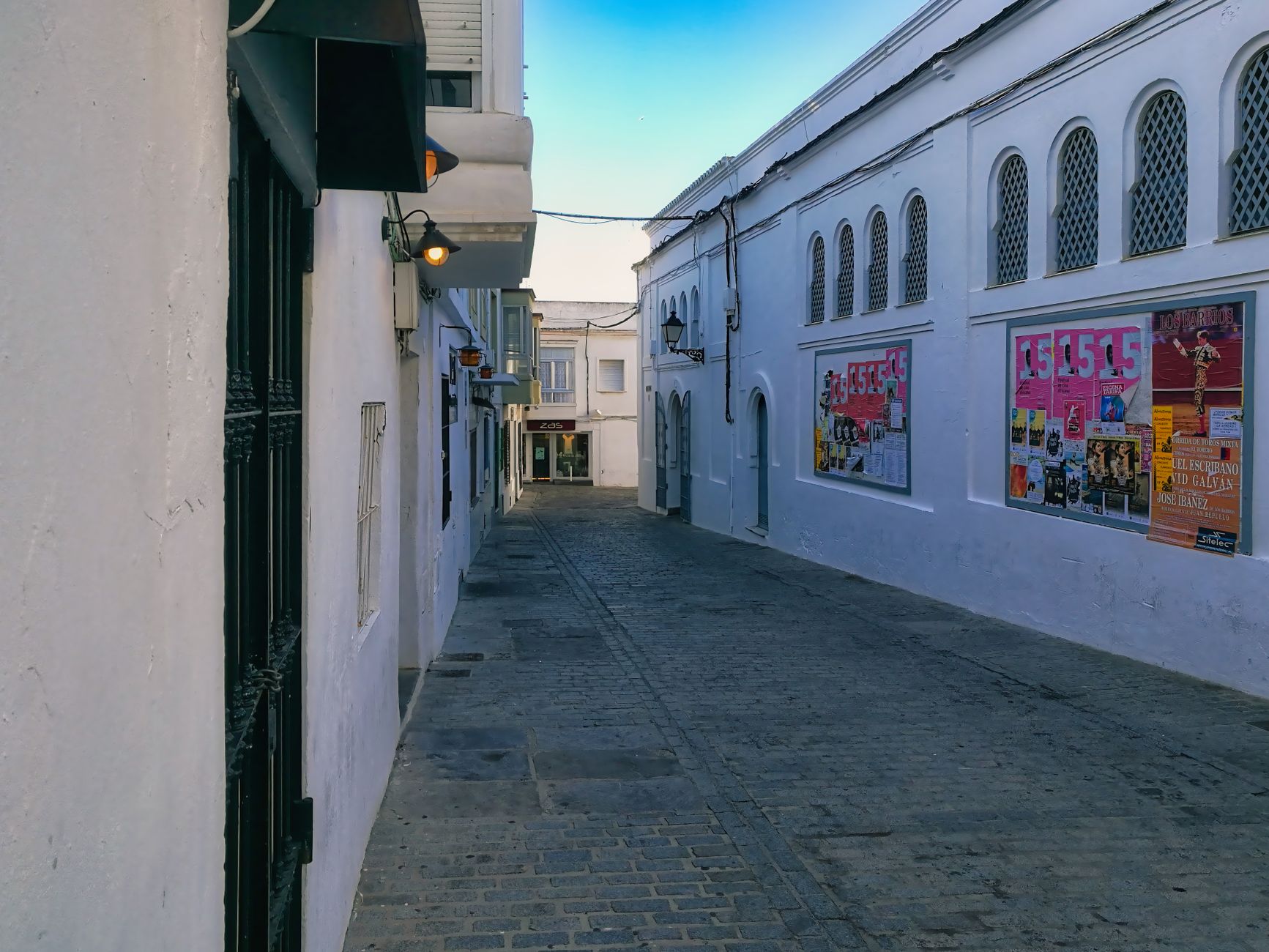
Valletta is a UNESCO World Heritage Site and wears that designation proudly, sometimes to the point of theatrical self-awareness. Every baroque facade seems conscious of being photographed. Houmt Souk, Djerba’s main market town, operates without that performance. The medina here is a working place – butchers next to silver jewelry stalls, kaftan fabric vendors beside men playing cards on plastic chairs, fresh octopus hung to dry on wooden racks facing the harbor. It is disorganized in the best possible way, and navigating it without a plan consistently produces better discoveries than having one.
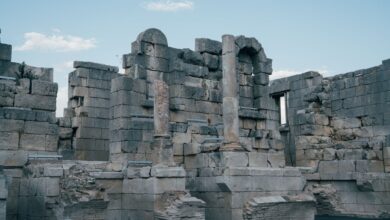
The architecture tells a different story than most North African medinas. Djerba’s whitewashed buildings with their low profiles and flat roofs reflect a distinct local style shaped by the island’s isolation and its history of self-sufficiency. The mosques here – notably the Mosque of the Strangers near the port – are among the oldest in the western Islamic world. Walking the medina at dusk, when the light goes orange and the call to prayer layers over the sound of motorbikes and vendors closing shutters, is the kind of moment that does not photograph well but stays with you regardless.
The El Ghriba Synagogue and a Living Cultural Palimpsest
Few destinations in the Mediterranean can point to a continuous Jewish presence stretching back roughly 2,500 years. Djerba can. The El Ghriba synagogue in the village of Er-Riadh is not a relic or a museum piece – it functions as an active place of worship and draws pilgrims for an annual festival that draws Jewish communities from across North Africa, Europe, and beyond. The interior, tiled in blue and white faience with brass lamps hanging from low ceilings, has the atmosphere of deep use rather than careful preservation.
What surrounds El Ghriba is equally worth attention. Er-Riadh village became an open-air art project when Tunisian and international artists painted murals across its walls – some depicting Jewish and Muslim neighbors in scenes of ordinary life, others more abstract. The project, which started around 2014, turned a quiet residential area into something between a gallery and a community document. It draws visitors without turning the village into a theme park, partly because the murals are spread out and partly because people still live there, normally.
This layering of Jewish, Muslim, Berber, and Arab heritage in close proximity – without the tension that outsiders might expect – is not something Djerba markets aggressively, but it is probably its most distinctive quality. Malta has its Knights, its Maltese cross, its singular Catholic identity woven into every street name. Djerba has multiple stories running simultaneously, and none of them entirely wins. That ambiguity makes it harder to package but more interesting to actually experience.
Travelers with an appetite for this kind of slow cultural immersion – places where meaning accumulates over days rather than hours – will find Djerba rewards patience in a way that more polished destinations simply cannot replicate. The island does not explain itself. You have to stay long enough to start reading it.
Coast and Water: Where Djerba Actually Beats Malta
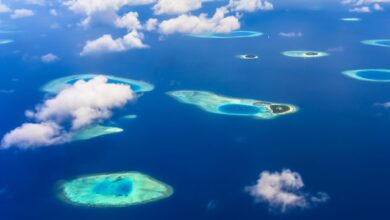
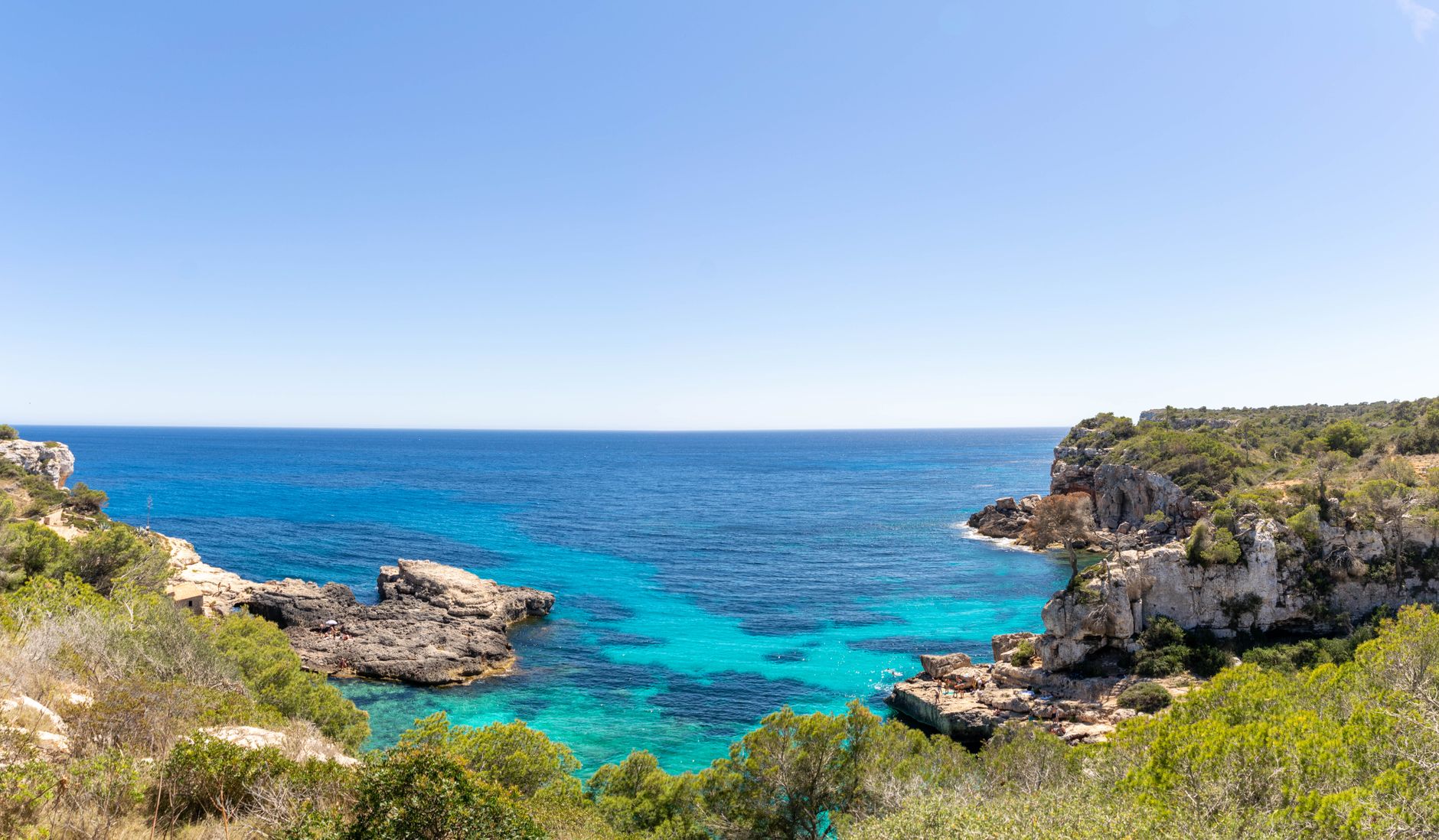
Malta’s coastline is dramatic and rugged – the kind of scenery that earns gasps from ferry decks. But it is not gentle. Djerba’s northern and eastern shores offer something different: wide, shallow, warm beaches where the water stays calm and the sand stays soft well into October. The beaches around Sidi Mahrez and Aghir are long enough that even in peak summer, finding a quiet stretch requires only minimal effort.
The water temperature in the Gulf of Gabes runs warmer than the central Mediterranean for most of the year, making Djerba a viable beach destination from April through November. That extended season matters for travelers who find August pricing and August crowds equally exhausting.
Getting There, Getting Around, and What It Costs
Djerba-Zarzis International Airport receives direct flights from several European cities, including Paris, London, Brussels, and various German hubs, primarily through charter and low-cost carriers. The connection is not as frequent or year-round reliable as Malta’s airport, which fields constant traffic from across Europe. But fares, when available, often run significantly lower, and the island’s smaller scale means you are rarely more than twenty minutes from wherever you need to be.
Getting around requires either a rental car or scooter – the island has no meaningful public transit network. This is both a minor inconvenience and a genuine asset. The freedom to pull over at a roadside stall selling Djerban olive oil, or to loop through Guellala’s pottery village without a schedule, is only possible when you are not dependent on a bus route. Road conditions are generally good and traffic is light outside of Houmt Souk.
Cost of travel on Djerba runs noticeably lower than Malta across almost every category – accommodation, food, excursions, and meals out. A riad-style guesthouse with a courtyard and a proper breakfast costs a fraction of a comparable Valletta boutique hotel. Restaurant meals, particularly grilled fish and the local brik pastry, are priced for a local economy, not a tourist premium. That gap will not stay this wide indefinitely.
What Djerba Has Not Solved Yet
The comparison to Malta is fair in most respects, but honest about the gaps. Tourist infrastructure outside the main resort zone near Midoun is uneven – some excellent guesthouses operate alongside tired all-inclusive complexes that were built for European package holidays in the 1980s and have not changed much since. Finding quality accommodation requires more research than Malta, where the boutique hotel market is mature and well-reviewed. If your trip hinges on reliable service standards throughout, Djerba will occasionally disappoint in ways Malta will not.
There is also the question of context. Tunisia requires some travelers to recalibrate their expectations around currency, language, and certain social norms – Arabic and French are the working languages, and the kind of frictionless English-speaking experience Malta offers is not guaranteed here. That friction, for many travelers, is precisely the point. But it is worth knowing it exists before you arrive rather than after you have booked a week in a guesthouse with no English-language reviews and a check-in that requires negotiating a taxi from the airport in a currency you have not handled before.
The question Djerba puts to the Mediterranean traveler is essentially this: do you want a destination that is ready for you, or one that is still becoming itself? Malta has answered that question cleanly, at a price. Djerba is still in the middle of figuring out the answer – and right now, that unresolved quality is exactly what makes it worth going before the resolution arrives.
Frequently Asked Questions
Is Djerba Island safe to visit?
Djerba is generally considered one of Tunisia’s safest destinations for tourists, with a well-established visitor presence and low levels of traveler-related incidents. Standard travel precautions apply.
What is the best time of year to visit Djerba?
Late April through June and September through November offer the best balance of warm weather, calm seas, and manageable crowds, with summer months being hotter and busier.